
When it comes to stocking up your kitchen, food is only half the battle. The other part of a well-stocked kitchen is having the right tools. We all see commercials that involve chefs touting the latest gizmos and gadgets, but are they legit?
You might be surprised at which items get declined by chefs. These 12 items, for example, won't be in most chefs' kitchens...even at home!
Note: The content of this article does not reflect the Writer’s personal beliefs.
Dull Knives
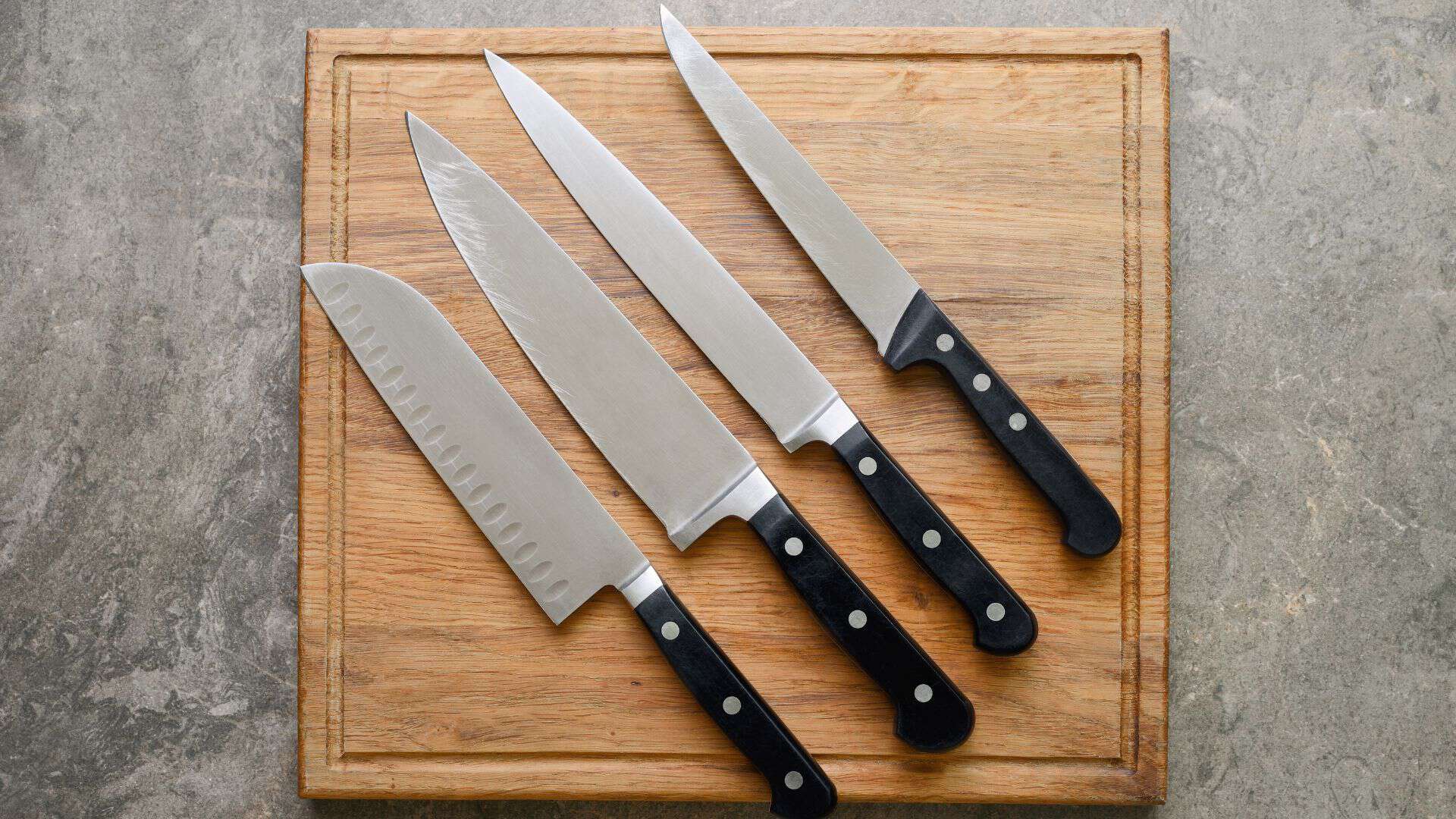
A chef is always going to be protective about his or her knives. More specifically, they will do anything and everything to ensure their knives stay as sharp as possible. Sharpening them is a regular habit.
Dull knives are the ultimate no-no for professional chefs. Not only do they make cutting harder, but they can also become kitchen hazards. If a chef sees blunt knives, they'll either sharpen them or just toss them.
Peeling Pans

While we're on the topic of cookware, it's important to note that Teflon isn't the only nonstick coating that can be placed on cookware. A good rule of thumb is that your cookware shouldn't be peeling, scratched, or otherwise badly torn up.
If you see peeling on any of your cookware, it's no longer safe to use. Those chemicals peeling off your cookware will end up in your food. So, toss those pans out.
Bad Olive Oil

Olive oil is not like other oils. It can go bad. Expired olive oil tastes rancid and can even be unsafe for use. You can usually tell if it's expired by sniffing it or checking the expiry date.
On a similar note, olive oil is photosensitive. Those clear bottles you see lining store shelves? They're a bad sign in terms of oil quality and longevity. If it's been on your shelf, opened, for more than three months, it's time to toss it.
Worn Out Devices
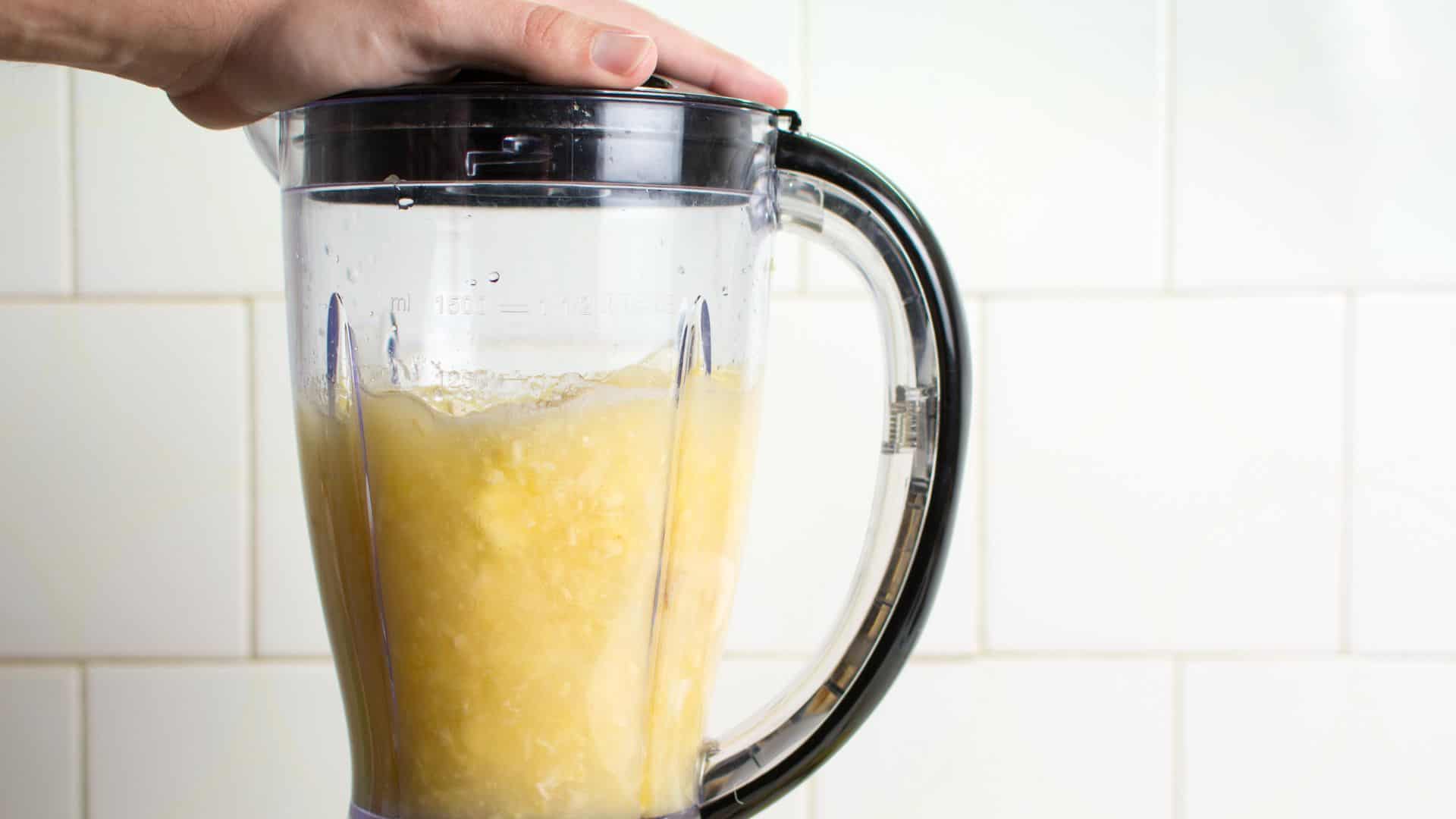
We all have that one kitchen gizmo or gadget we adore, even though it doesn't always work as well as it used to. Most professional chefs understand the love a cook can have for a beloved blender.
However, they're also realistic. Cooking devices that malfunction or show signs of serious wear are dangerous. When they break, they can start a fire or injure the user. If you notice frayed wires or similar issues, toss it out.
At the very least, just repair the darn thing.
Teflon Cookware

Teflon is one of those materials that professional chefs just don't like. Along with being notorious for having a short lifespan, Teflon cookware also carries a stigma surrounding its potential for causing cancer.
Teflon cookware is almost never seen in most professional kitchen settings. On the other hand, Cast iron, stainless steel, and ceramic enamel tend to be the standard.
Unused Gadgets
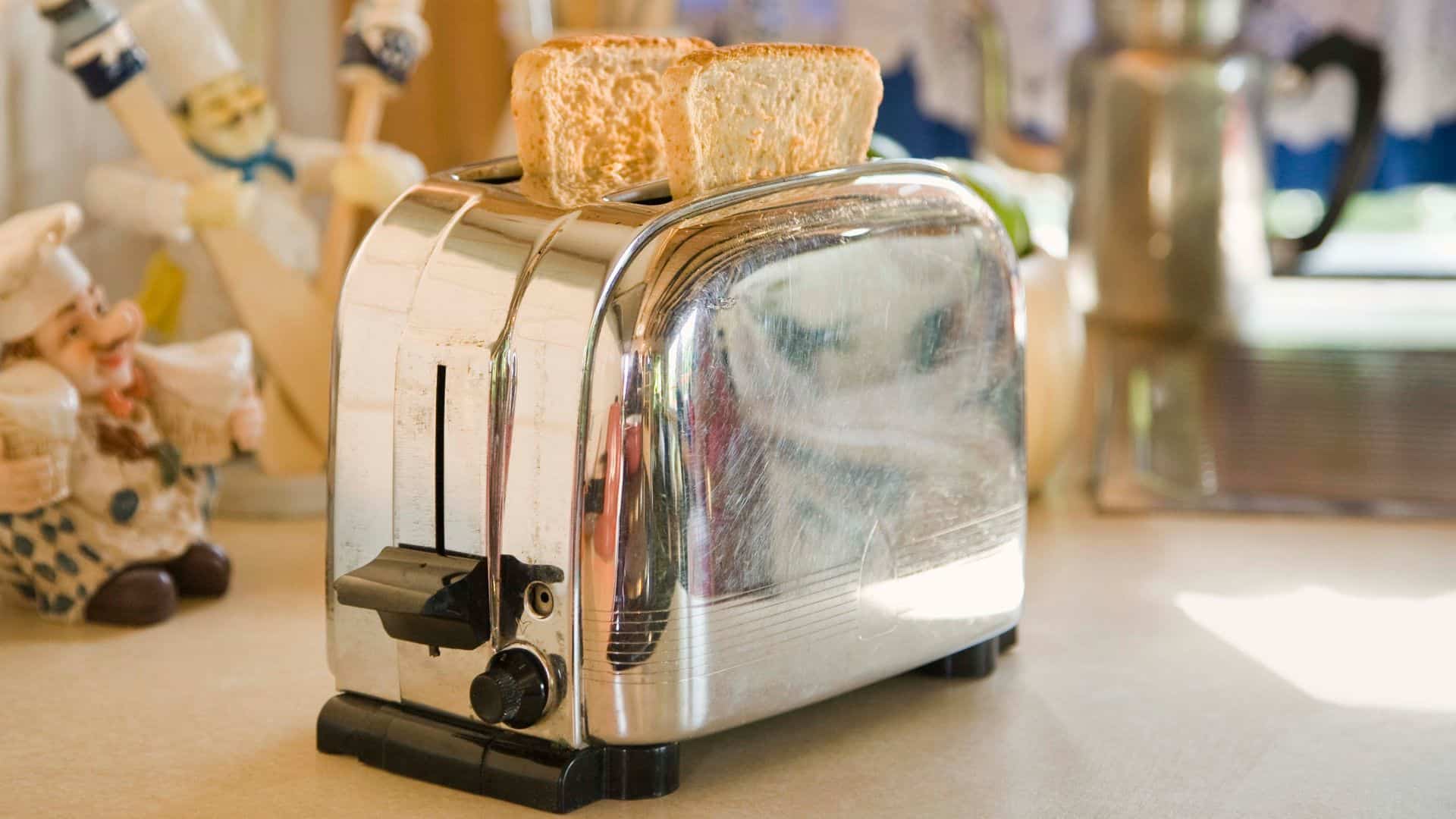
If there is one thing chefs love more than anything else, it's countertop space. The more space your kitchen has, the easier it is to cook multiple dishes simultaneously.
Chefs have little tolerance for countertop kitchen gadgets that aren't in use. If you don't use your toaster, your zucchini spiralizer, or that margarita maker, they probably would tell you to toss it or put it in storage.
Chipped Cups
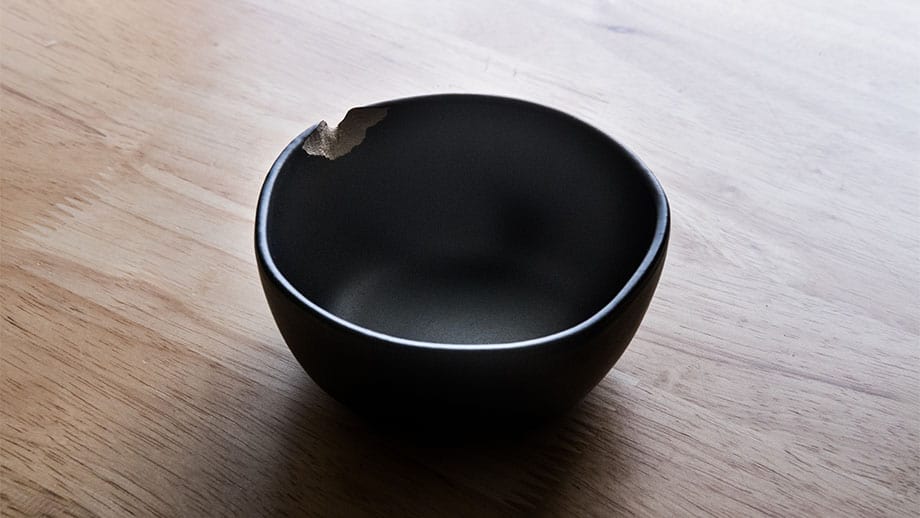
Bowls, cups, and plates are all meant to remain intact. If you notice a chip in one of your bowls, that's a sign you need to toss the bowl. Chipped bowls can break in the dishwasher.
Even if they're not totally busted, chipped bowls can still be a health hazard. They can leech lead into your food. Yuck!
Dirty Dish Rags
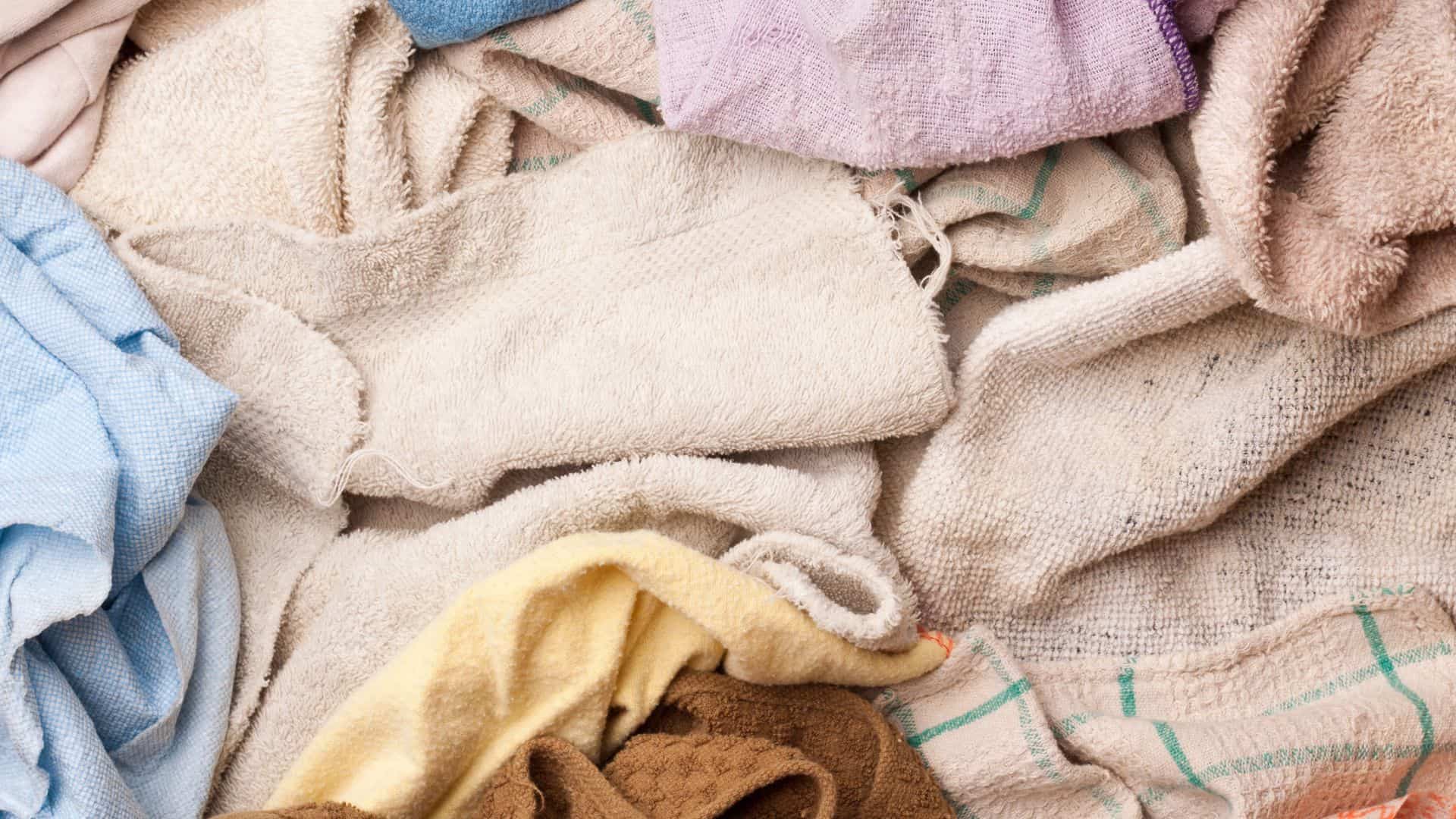
Dish rags and tea towels are incredibly useful but can also get incredibly nasty. While we all work hard to reuse our linens as often as we can, there's only so much that a washing machine can do.
Eventually, even the most reliable towels will be beyond salvaging. If the stains won't come out or you start to notice your dish rags looking foul, toss them out.
On a similar note, it's always wise to toss moldy dish rags. The chance of cross-contamination is just too high with mildew-filled towels.
Stale Spices

Contrary to popular belief, most spices have an expiration date. After being opened, spices typically last one to four years on the shelf. After that, they can grow moldy, reduce their flavors, or just solidify into a brick.
Most casual cooks have spices that expired ages ago. Now would be a good time to refresh your spice cabinet.
Old Food
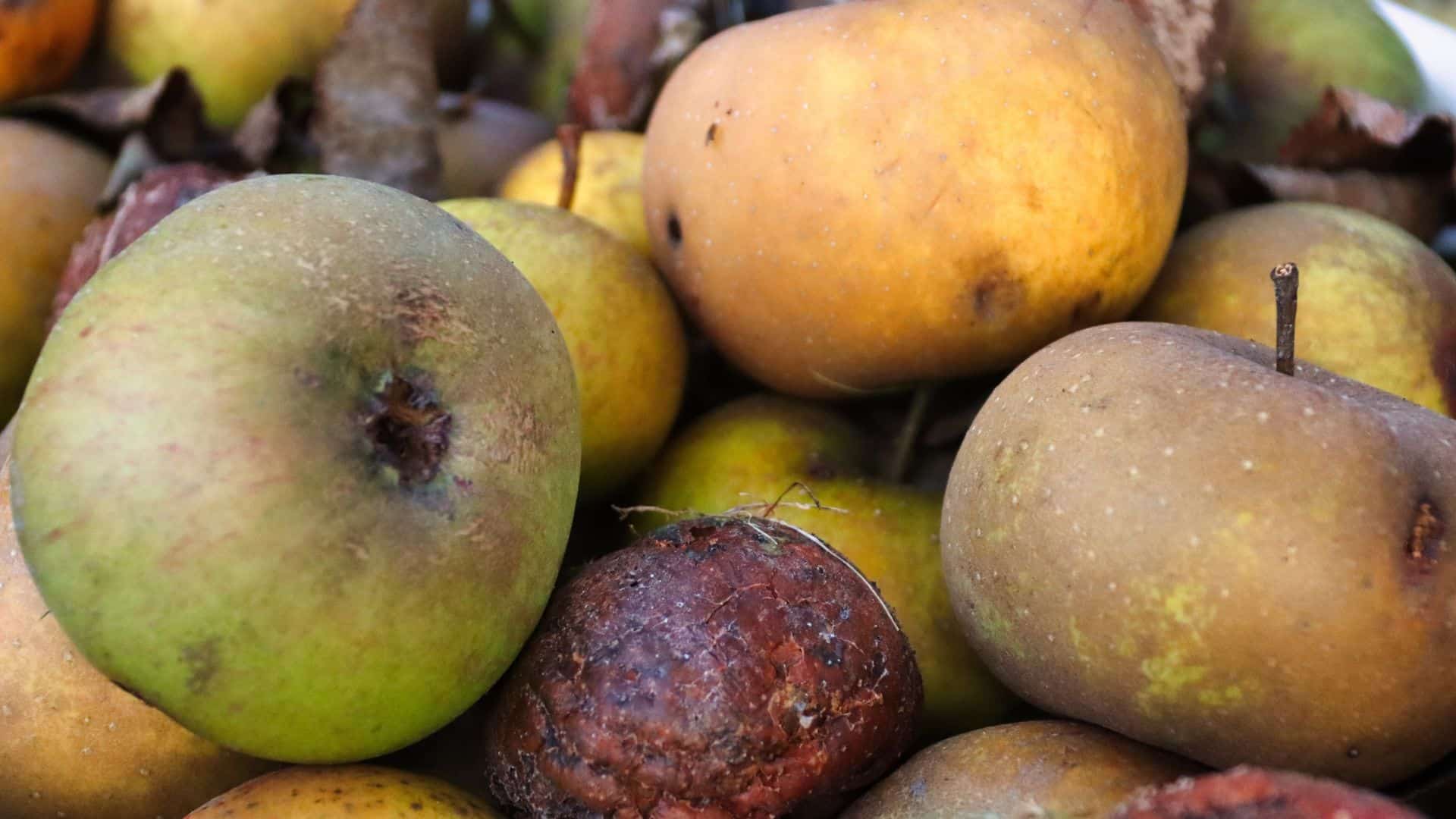
It's no secret that professional kitchens need to ensure food freshness. Rotten vegetables or spoiled milk can cause serious illness in diners and cause a restaurant to shut its doors after a health inspector's visit.
Most people try to do their best to keep their fridges cleaned out, but it's usually just a monthly endeavor. Implementing a weekly clean-out schedule can make a world of difference.
Extra Food Containers
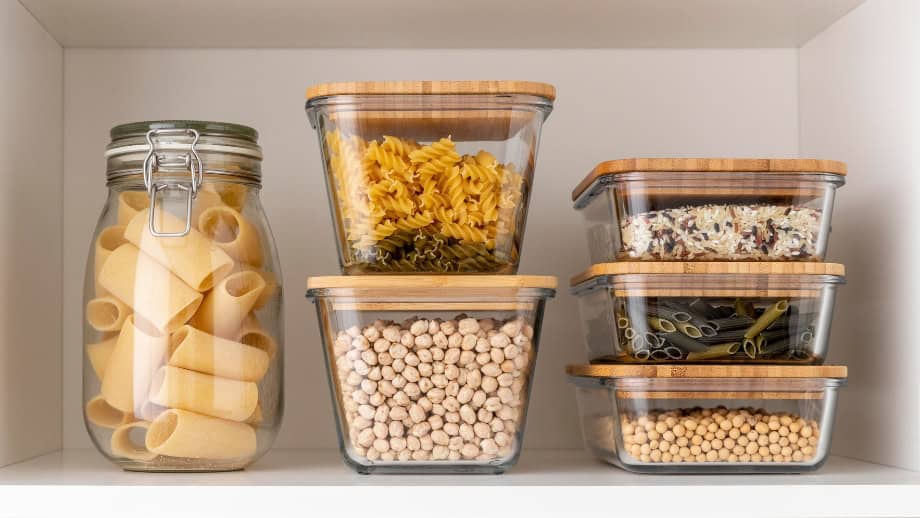
Does it ever feel like food containers seem to magically multiply in your kitchen? Perhaps you're the home chef who just seems to lose bowls but accumulate lids.
You're right if you feel you have too many lids or mismatched containers. Chefs generally try to keep their food storage uniform, simple, and minimal. Toss out containers you don't need. You'll be glad you did.
Grody Sponges
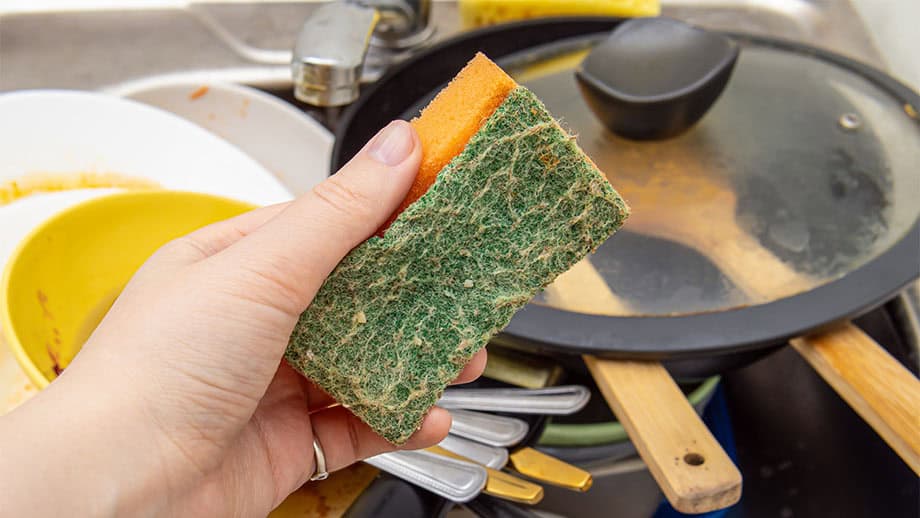
Old dish sponges aren't just unpleasant to look at and smell. These odorous items also tend to be harbors for bacteria and mold. Even the most odor-proof sponge is going to need to be binned eventually.
If your sponge smells, looks like death, or has been in use for more than a month, throw it out. It's a sanitation issue at that point.
Leave a Reply