
Do you remember your grandma´s kitchen? It wasn’t stocked with trendy superfoods or fancy gadgets, yet every meal she made was rich in flavor and comfort. Her secret? A handful of timeless ingredients that stood the test of time. These ingredients were the backbone of home cooking, transforming simple recipes into family favorites. Whether it was a pinch of spice, a splash of homemade broth, or a generous pat of butter, these 12 essentials were always within reach.
Heavy Cream
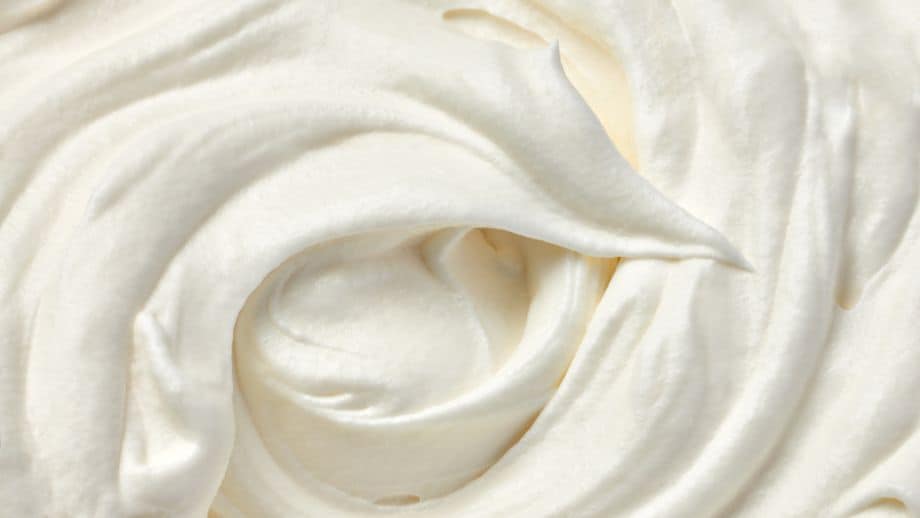
Heavy cream is a dairy product containing milk fat. It's used in cooking and baking to add creaminess, richness, and flavor. This ingredient was most commonly used in custards and puddings but not as much as it used to be favored.
Bouillion
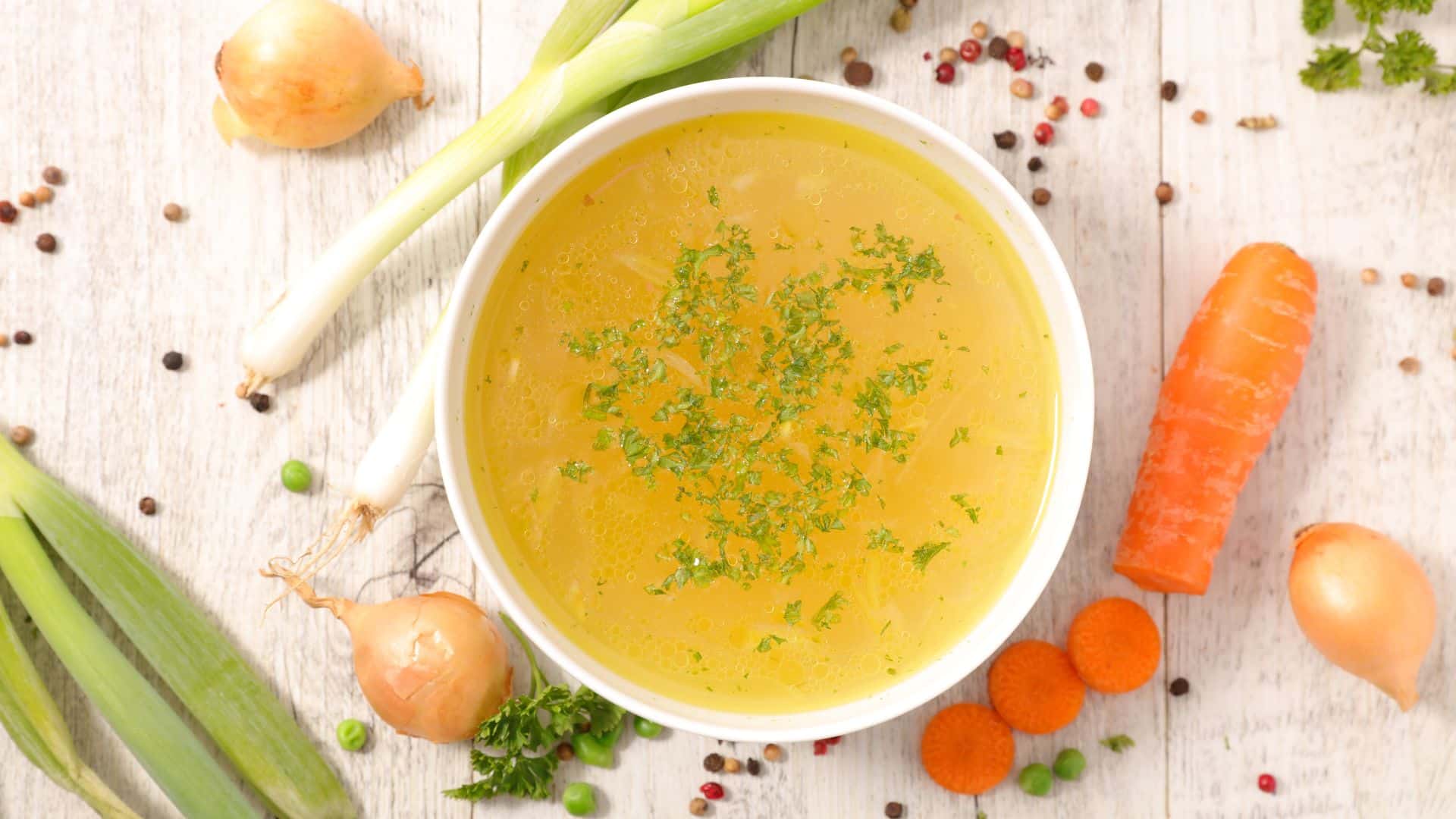
Bouillon is a flavorful broth/stock. To make it, you simmer herbs and spices in water. Sometimes, people add meat and vegetables to it as well. It was once a staple in homes but isn't as popular anymore.
Buttermilk

Buttermilk is a dairy product made by fermenting milk with lactic acid bacteria. It's traditionally known as the byproduct left behind from churning milk, which earned it the name 'buttermilk.' Buttermilk is used in baking and marinades and helps tenderize dishes.
Evaporated Milk
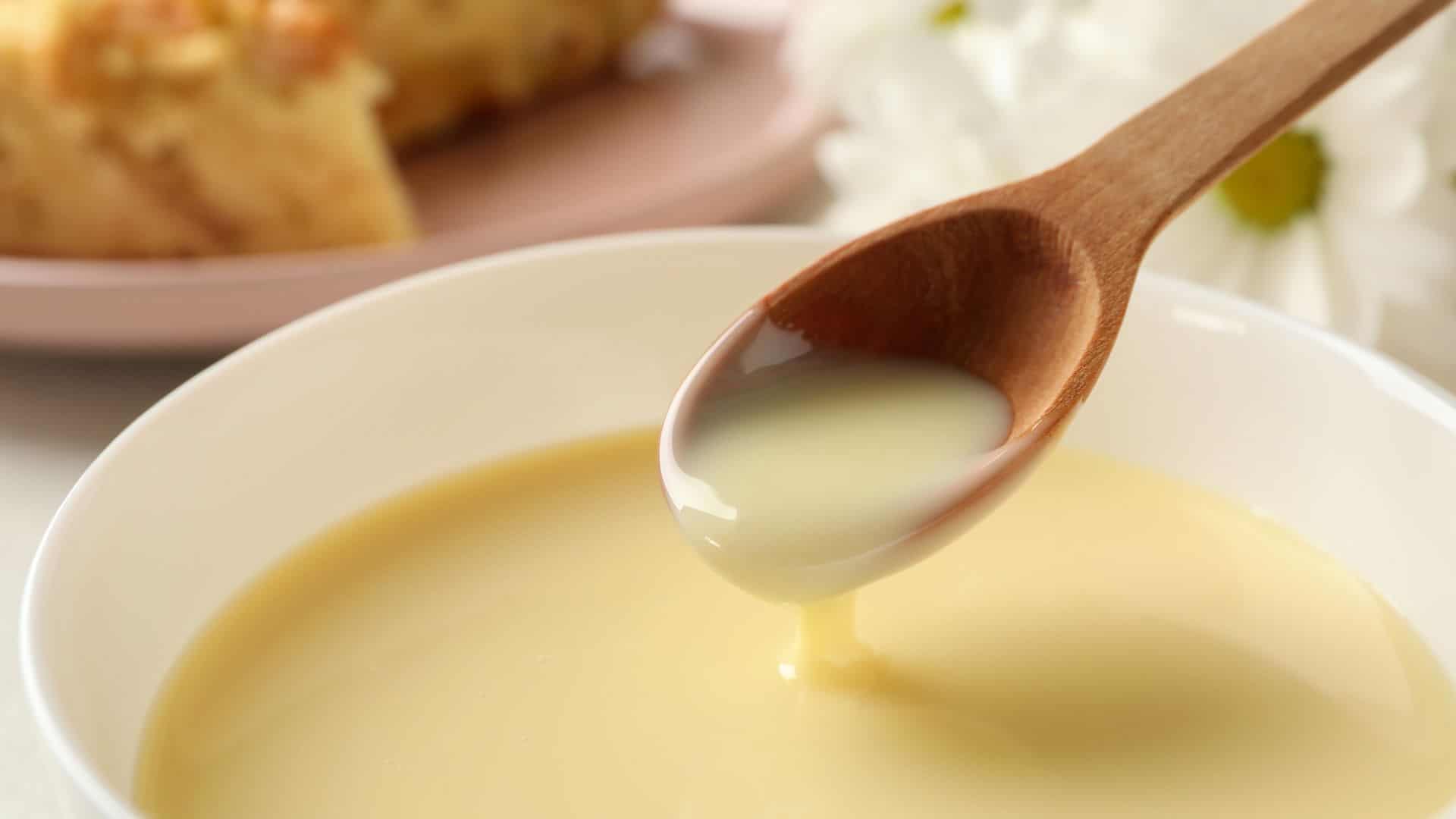
Evaporated milk is heated to evaporate the water content, leaving behind more concentrated milk. It's stored in cans at room temperature and has a prolonged shelf life, making it a staple in kitchens. Nowadays, it's not found in as many kitchens as it used to be.
Lard
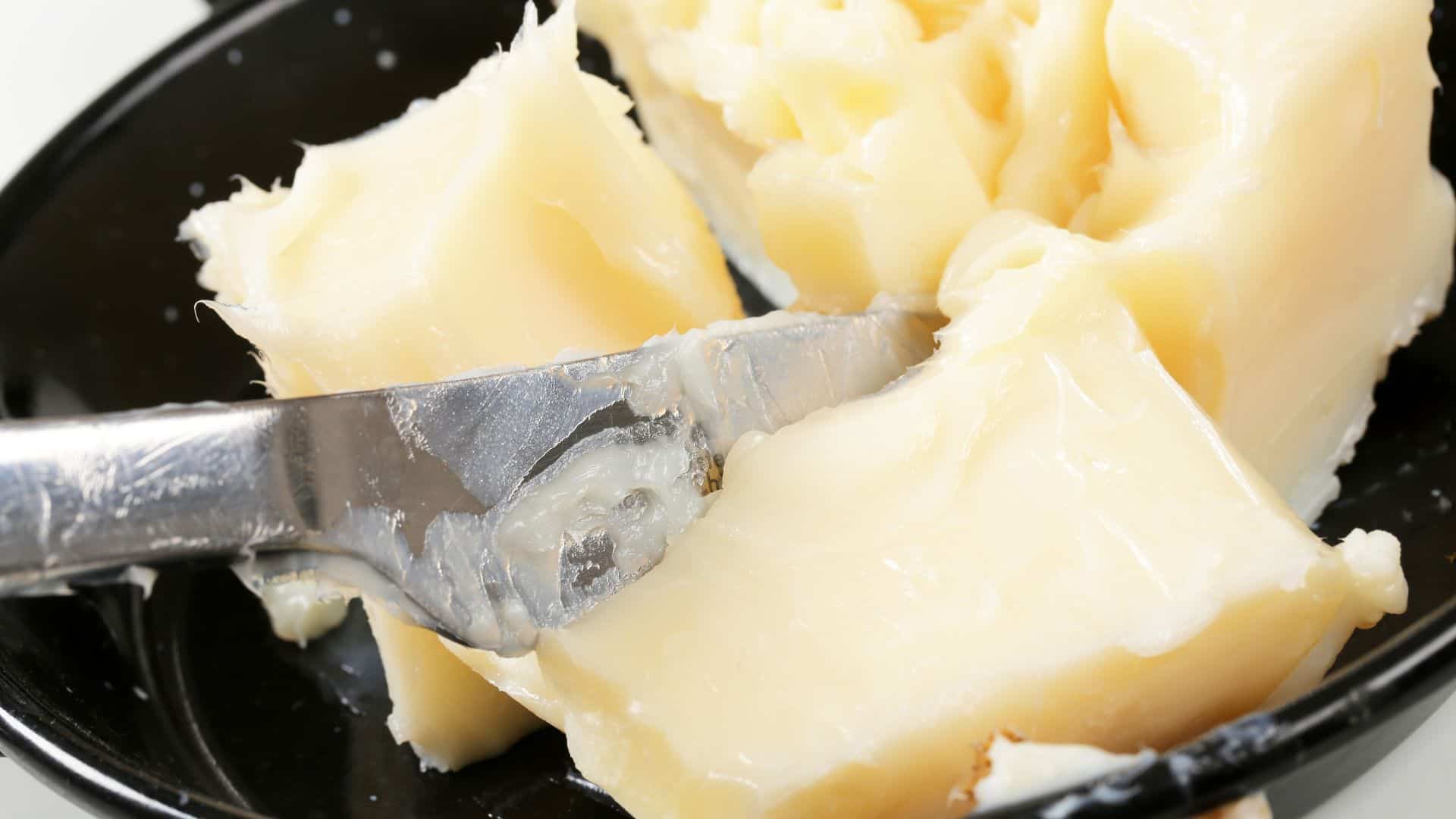
Despite its decrease in popularity, lard is still a staple in many regions and cultures. Lard is rendered fat from pigs and is often used to fry foods. Due to health concerns, it was replaced by vegetable oil and other oils over time.
Molasses
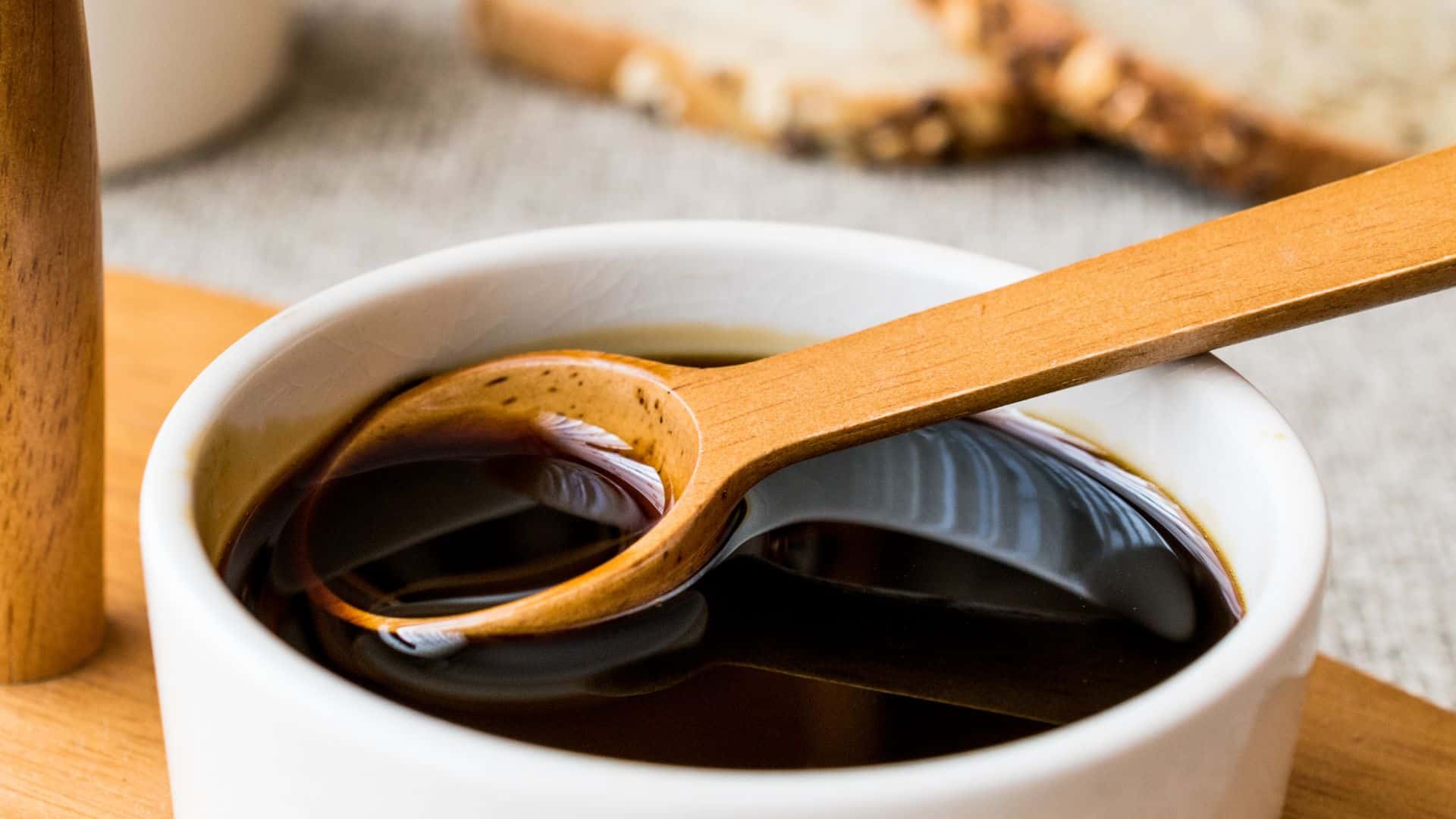
Molasses is a thick, dark syrup that's a byproduct of sugar refining. It has a rich, bitter flavor that was commonly used as a sweetener in baking and cooking until other, more accessible options came and overshadowed it.
Pasta Water
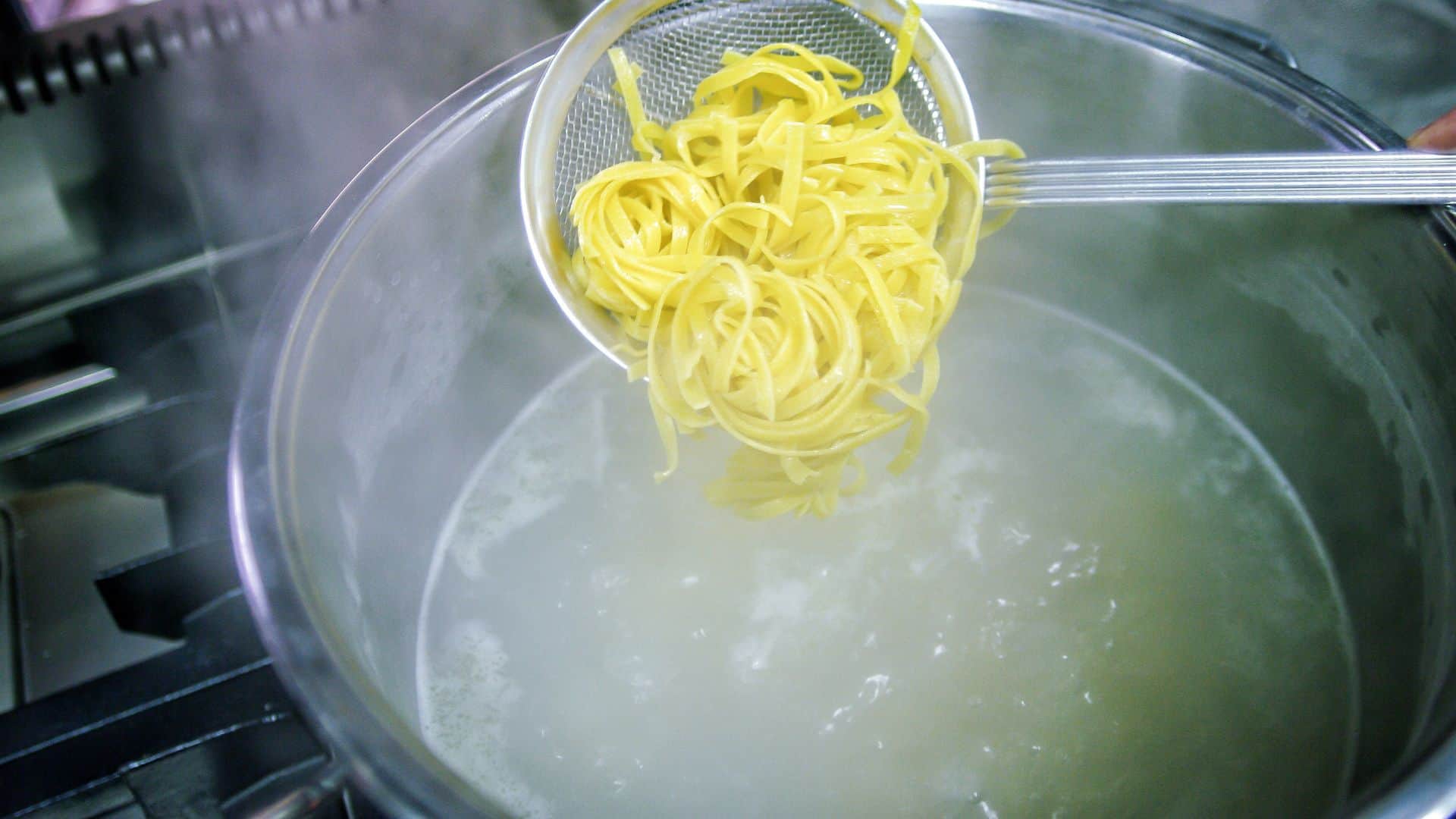
Pasta water is the leftover water that remains after boiling noodles. In the kitchen, it's used to thin sauce, enhance flavor, and make broths and soups. It's rich in the health benefits of noodles, but cooking with it isn't as popular or traditional as it once was.
Organ Meats

Organ meats refer to the internal organs of animals, such as the liver, kidneys, tongue, heart, and brain. They were highly valued for the plethora of nutrients and health benefits they contained, but due to shifts in cultural perception, they lost their appeal over time.
Spam

Spam (a canned meat product) was an incredibly important staple in the 1950s for its affordability and versatility. But as the economy started recovering from wars, people stopped eating so much of it.
Gelatin

People used to get creative with gelatin in the kitchen, trying different molds and ingredients inside, but it seems to be a dying art. Gelatin is made by extracting collagen from broth, which then has a gel-like consistency.
Sardines
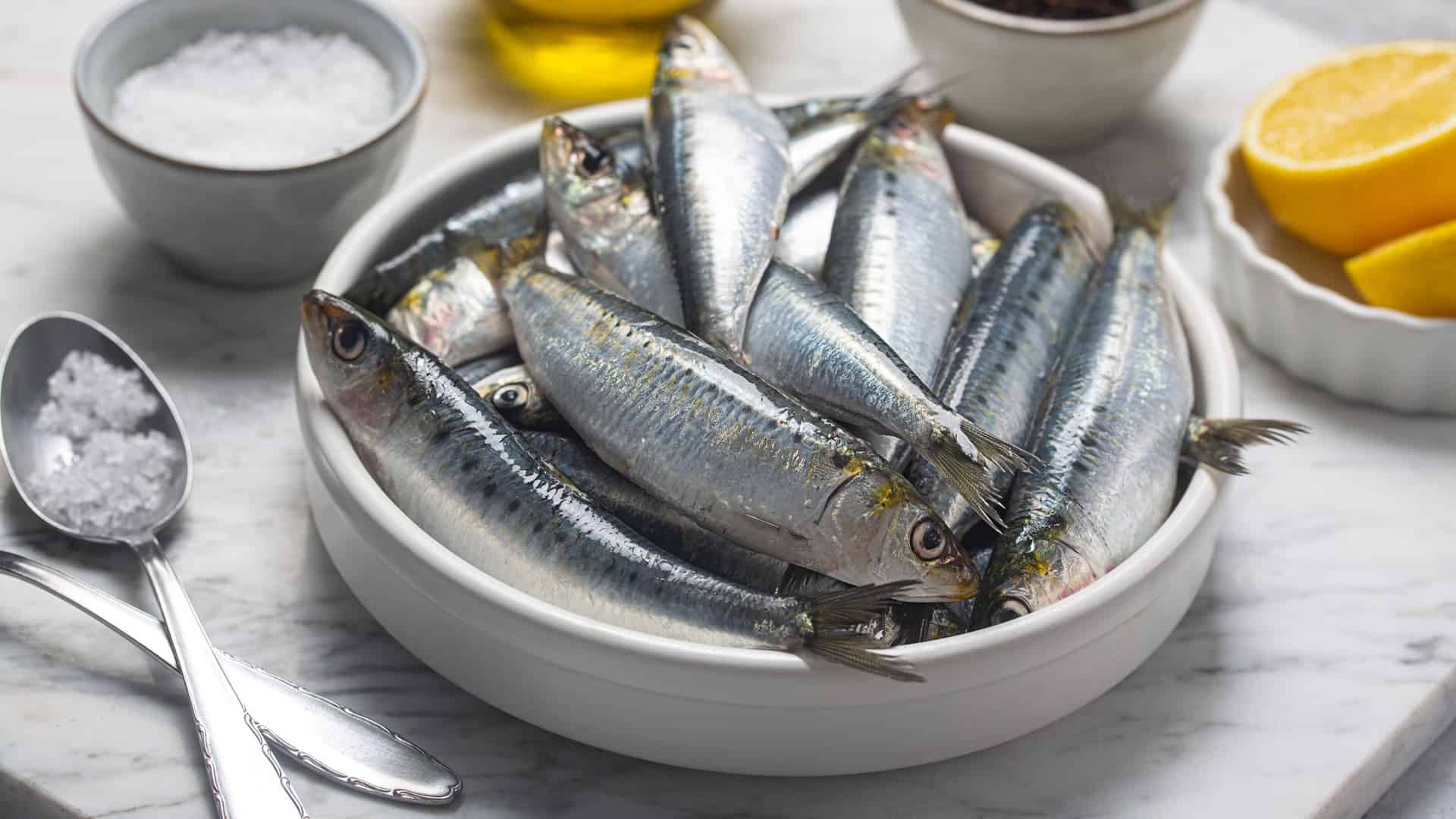
Sardines used to be a pretty popular food. People would use it as a garnish, add it to a sandwich, and blend it into sauces. No one really eats sardines anymore, and we understand why. Eating a whole, salty fish with eyeballs isn't that appetizing.
Tapioca
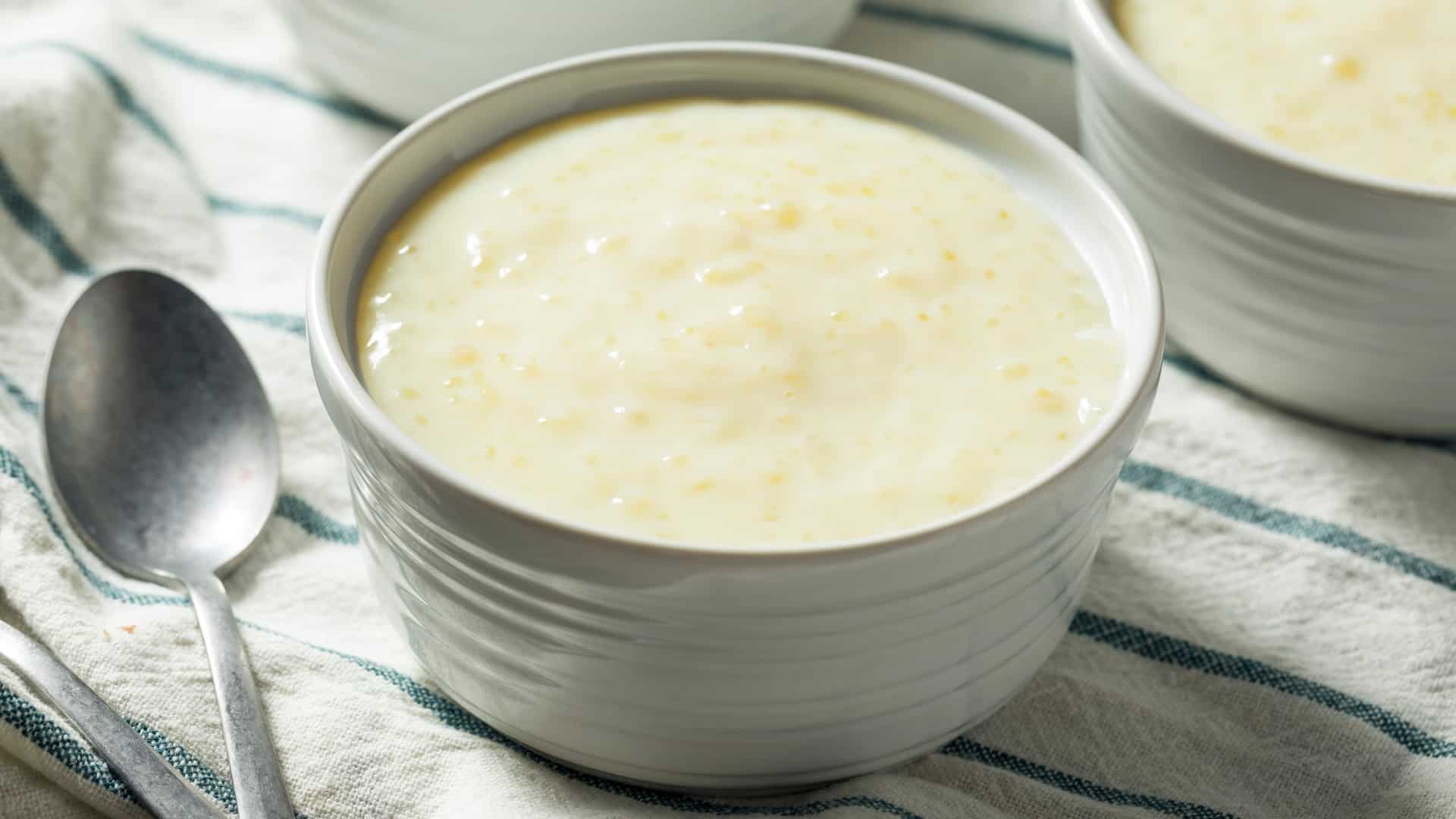
Tapioca pudding was one of the most popular desserts decades ago. Now, no one ever makes tapioca pudding. Tapioca starch was also a popular thickener that has been completely replaced by cheaper cornstarch. We could go for a big bowl of tapioca pudding right now! Let's try to bring this ingredient back.
Leave a Reply