
Most refrigerators hold forgotten jars and foods that have passed the point of being safe or worth keeping. Because cold temperatures slow spoilage, it is easy to assume that anything in the fridge is still safe to eat. That assumption is often wrong.
Food safety experts are clear on one point: refrigeration delays problems, but it does not prevent them. Bacteria can still grow, and certain foods change texture or chemistry long before they show obvious signs of spoilage. The result is a fridge full of items that are no longer safe or enjoyable, yet still take up space.
Here are 10 common fridge items that people often keep too long, and why letting them go is usually the smarter choice.

Leftovers
Cooked leftovers are one of the most common risks hiding in plain sight. Many people rely on smell or appearance to judge safety, but harmful bacteria do not always announce themselves. According to the USDA, most cooked dishes should be eaten within three to four days, even when refrigerated properly.
Each time leftovers are reheated and returned to the fridge, the margin of safety shrinks. If a container has been pushed to the back and you cannot remember when it was made, that alone is reason enough to toss it.

Opened deli meats
Deli meats often feel like a safe bet because they are cured or cooked, but once opened, their clock starts ticking fast. Sliced deli meat should generally be eaten within 3 to 5 days of opening.
These products are particularly vulnerable to Listeria, a bacterium that can grow at refrigerator temperatures. The meat may still look fine and smell normal, which is exactly why it is risky. If the package has been open longer than 3 to 5 days, it belongs in the trash, not on a sandwich.
Soft cheeses
Soft cheeses such as brie and cream cheese spoil faster than hard cheeses because of their higher moisture content. Once opened, many are only good for one week, so it is particularly important to familiarize yourself with cheese storage guidelines.
Mold on soft cheese is not something to trim away. Unlike hard cheese, mold can spread invisibly through the entire product. Sour smell or visible fuzz are clear signs, but even without those, time alone can make soft cheeses unsafe.
Mystery condiments
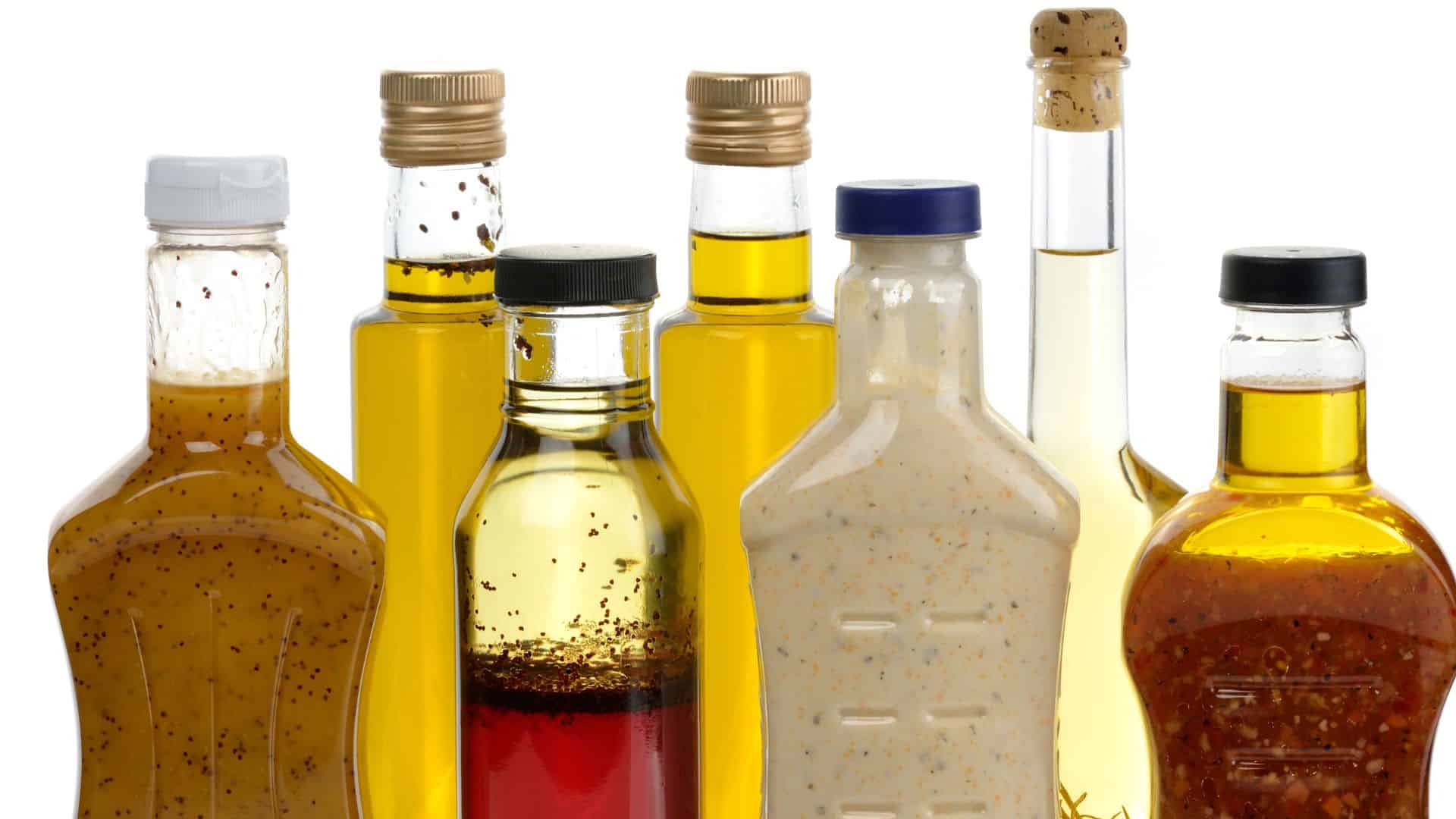
Almost every fridge has at least one jar that raises questions. The label is faded, and no one remembers when it was opened. Condiments last longer than most foods, but they are not immortal.
Salad dressings and creamy dips can spoil faster than expected, especially if they have been exposed to air or contaminated by dirty utensils. If a condiment has changed color or just feels ancient, it is better to replace it than risk it.
Opened milk alternatives
Plant-based milks often come with the impression that they last longer than dairy. Shelf-stable versions last longer before opening, but once opened, they follow the same rules. Most should be used within seven to ten days.
Almond, oat, soy, and coconut milks can develop off flavors before obvious spoilage appears. A slightly sour taste or thicker texture is a warning sign. If the carton has been open for more than two weeks, it is likely time to let it go.
Pre-cut fruits and vegetables
Pre-cut produce is convenient, but it has a shorter life than whole fruits and vegetables. Once cut, protective skins are gone, and bacteria have more opportunity to grow.
Chopped vegetables and bagged greens should be eaten within 3 to 5 days. A slimy texture or excess liquid are clear signs of spoilage. Even without those signs, time alone can make pre-cut produce unsafe.

Eggs
Eggs last longer than many people think, but they are still often kept too long. Fresh eggs can last three to five weeks in the fridge, but only if they have been stored properly and are still within date.
Cracked eggs or eggs kept near strong-smelling foods can spoil faster. If there is any sulfur smell when cracking an egg, it should be discarded immediately.
Opened jars of sauce or salsa
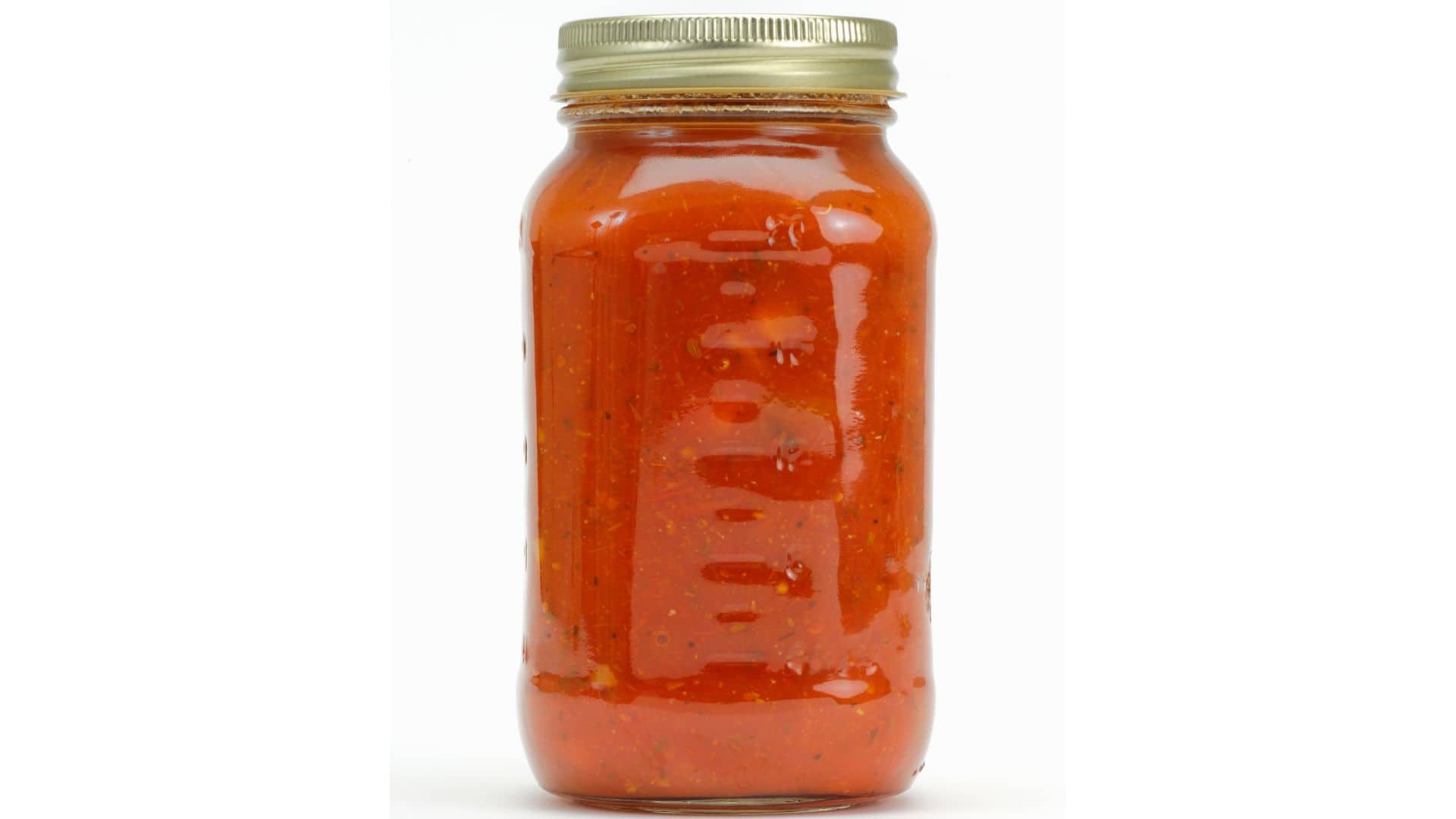
Tomato sauces and salsas often linger in the fridge long after their best days. Once opened, most should be used within 5 to 7 days, even if the jar claims a longer shelf life.
Mold can grow under the surface, especially around the rim or lid, where air exposure is highest. Scooping sauce with used utensils can also introduce bacteria. If a jar has been open for more than a week and has not been reheated since, it is safer to replace it.
Yogurt
Yogurt often outlasts its printed date by a short margin, but it still has a shelf life. According to the USDA, once opened, most yogurts should be eaten within one to two weeks. Fruit-on-the-bottom varieties can spoil faster due to added sugars.
Watery separation or mold are clear signs to toss it. Even without those signs, yogurt that has been open for over a week is not a good candidate for saving.
Opened broth or stock cartons
Broth and stock often seem harmless, especially when used a little at a time. Once opened, most cartons should be used within 3 to 5 days. Because they are liquid and low in acidity, they can become a breeding ground for bacteria even when kept cold.
Cloudiness or a slightly fizzy texture are clear warning signs, but broth can also spoil without obvious changes.

Old baking soda boxes
An open box of baking soda is often kept in the fridge to absorb odors, only to be forgotten for years. After about 30 days, it stops doing much of anything. At that point, it is taking up space without providing benefit, and it should be replaced or removed entirely.
Ground or brewed coffee
Coffee does not belong in the fridge, whether it is whole beans, grounds, or a half-finished pot. Cold temperatures and moisture draw in odors and quickly flatten flavor. Stored this way, coffee can taste stale or sour within days, even if it looks fine. The fridge keeps it cold, not fresh, and in most cases, it does more harm than good.
A refrigerator should help protect food, not turn it into a guessing game. Keeping track of what goes in and how long it has been there makes a real difference in safety and quality. When in doubt, throwing something away is not wasteful if it prevents illness or a ruined meal.
A regular fridge clean-out does more than create space. It reduces risk and makes it easier to see what is actually worth eating. In most cases, the items people hesitate to toss are the very ones that should go first.
Leave a Reply