
Eggs are a baking staple, and this deep dive into egg substitutes for baking will help if you’re baking for someone with dietary restrictions, or if you’ve run out of eggs, or perhaps you are simply tired of the prices of eggs! Eggs have special properties that give them a multitude of uses in baking, making them an incredibly important ingredient that can be difficult to swap. Yet, this should not be a barrier to baking cakes, quick bread, and brownies, so regardless of whether or not you cannot eat eggs or have run out of eggs, I've got you covered.
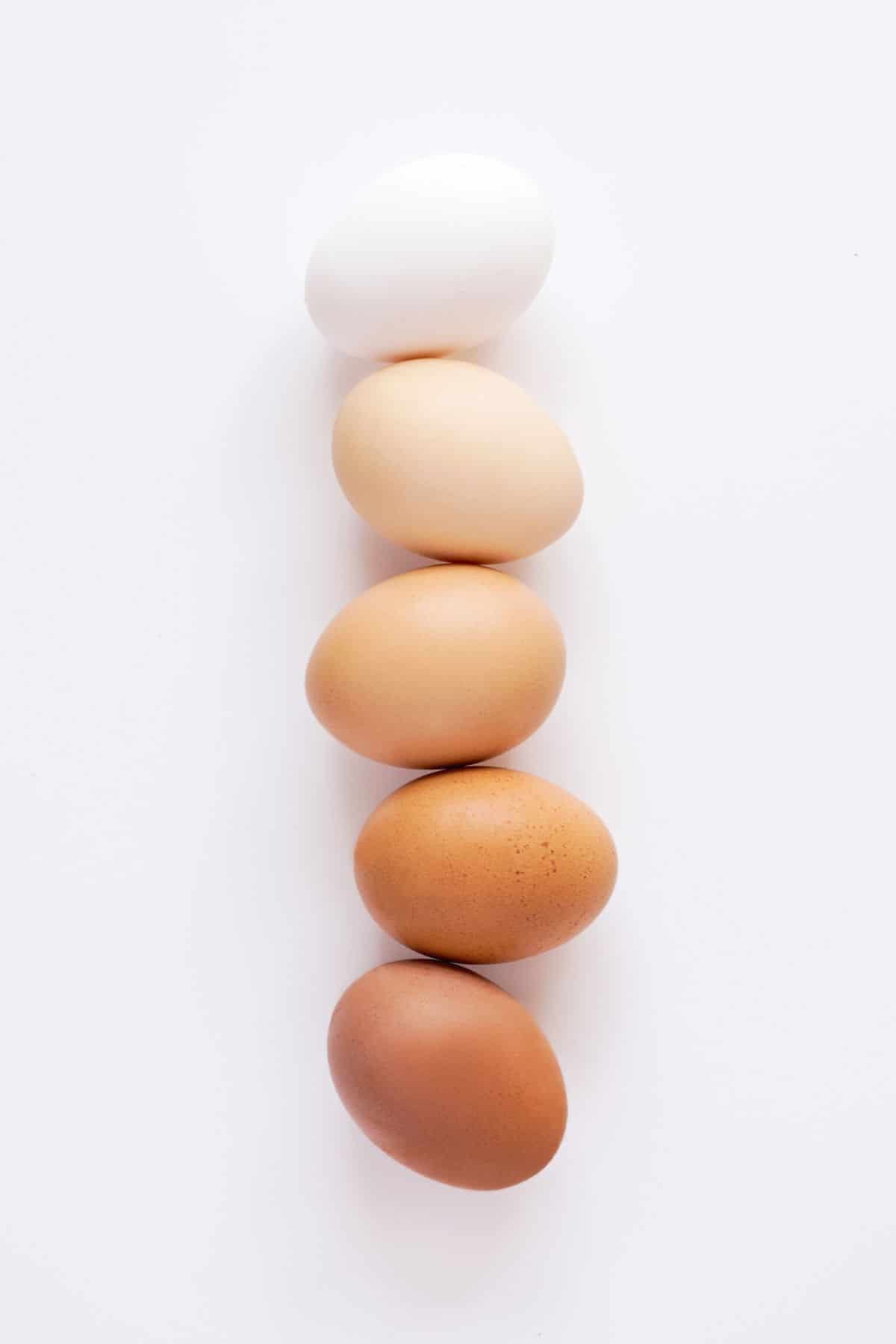
Katalin´s key take on the function of eggs in baking
Eggs are multitaskers in the kitchen and play many different roles, all of which contribute to the success of the final product. Before choosing your egg substitute for baking, it is important to think about the purpose of the eggs served in that particular dish. Let's first go through the many roles that eggs play, so you can pick your egg replacement wisely.
- Eggs provide moisture: Eggs are mainly comprised of water, which adds considerable moisture to your baked goods like cookies and cakes, and the water content in eggs means they have leavening properties. The water in eggs turns into steam when baking, which creates lift and rise in recipes like meringue and cakes. Baking without eggs can leave your product flat and dense.
- Eggs create structure: Eggs increase in volume (help the baked goods rise) as they bake and help to bind together the other ingredients in recipes like bread and sponge cakes and profiteroles forming structure and shape.
- Eggs contain fat: Substituting eggs in baking will also mean you lose fat content, so this needs to be compensated for in baked goods like brownies and cookie bars so they still have their decadent flavor.
- Eggs give color: Whisked egg whites go opaque white, and egg yolks (especially free range) have a deep golden hue, which will add color to your bake as well as creams such as pastry cream.
- Eggs are a thickening agent: Egg whites expand in volume when they are whipped without the yolk or other fat (like in pavlova), and egg yolks will thicken when whisked with sugar over heat when making a sabayon base for tiramisu, for example.
- Eggs provide smooth richness: Egg yolks are rich in flavor and are an important element in creating decadent rich desserts like mousse and creme brulee.
- Eggs have emulsifying properties: Eggs contain emulsifying agents that help other ingredients mix together properly by emulsifying oil and water in most baking recipes, e.g., cupcakes.
Nevertheless, it is absolutely possible to create delicious without eggs; in fact, check out my irresistible collection of the best egg-free desserts!
Considerations when replacing eggs in baking
Removing eggs entirely from a recipe without using a suitable egg substitute will result in a flat, dense, and pale baked product, so it is important to choose an egg replacement that works well for your chosen recipe.
When searching for egg-free baking alternatives, the 'why' is often just as important as the 'what'. Are we working around an egg allergy or plant-based dietary requirement? Did we forget to add eggs to the grocery list? Are we tired of the egg prices? First, narrow down your list of the best egg replacements by whether or not they need to be plant-based, for example, or exclude allergens.
Then ask yourself, what function are the eggs serving in this bake? Are they there for leavening or flavor, to serve as a binding agent, or to add fat or moisture? An egg replacement might work well in one particular recipe where they are purely a binding agent and not so well in another where their leavening properties are needed.
Egg yolks and egg whites also serve different purposes in baking, and deciding what to use instead of egg will also depend on which parts of the egg you are swapping out. Egg whites, for example, contain an unbelievable 40 different proteins, and as protein is important in baking, it needs to be considered when baking without eggs.

What can I use instead of eggs in baking?
Way before the egg prices skyrocketed, I collected 23 substitutes for eggs in baking. In this article, I will list the top 10 most common, useful ones for an average baker.
1. Aquafaba
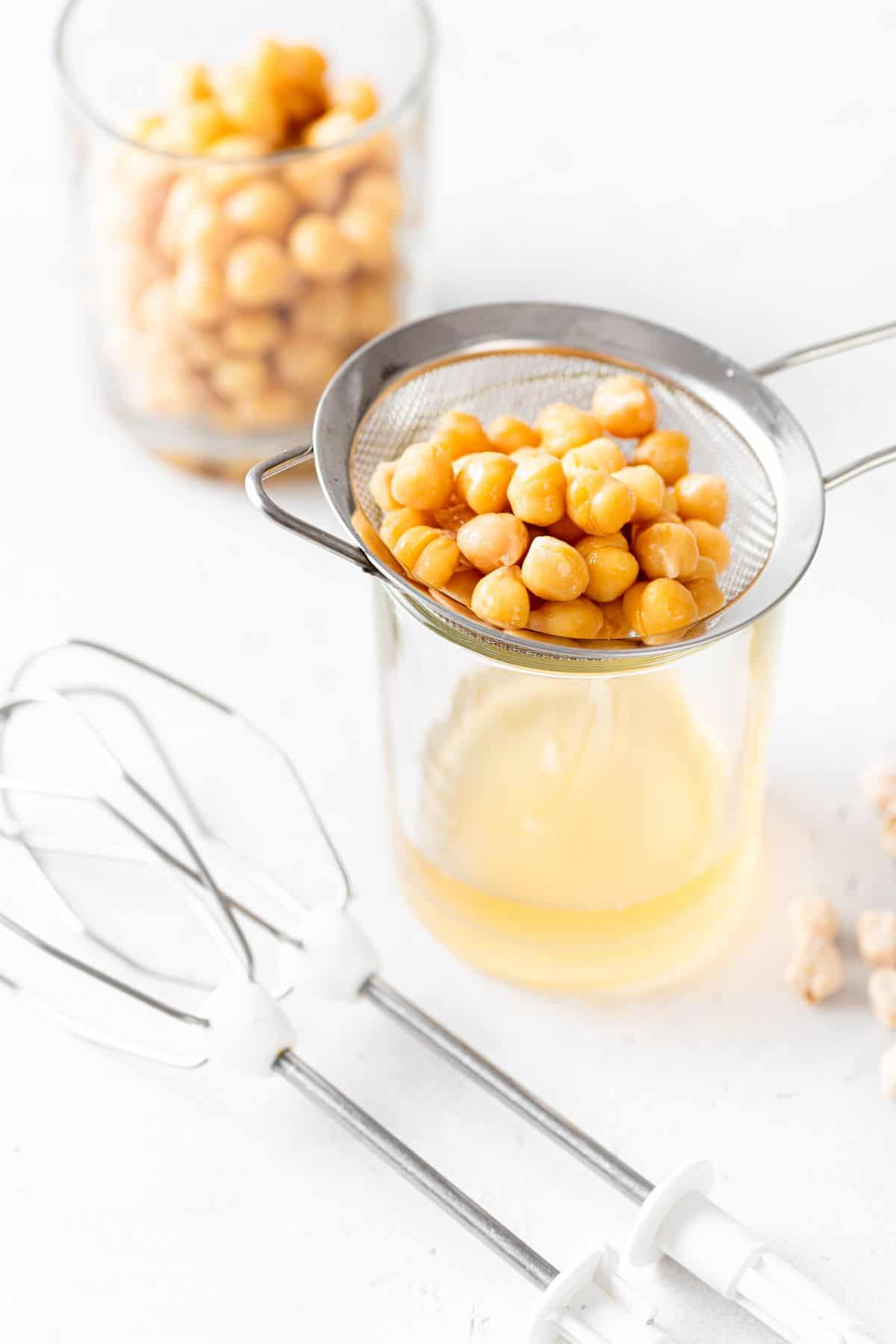
Aquafaba is the liquid leftover from cooking chickpeas/garbanzo beans, which is quite gelatinous, contains protein, has leavening properties, emulsifies, and adds moisture. This makes aquafaba one of the best egg white substitutes in baking and certainly the best vegan substitute for egg whites.
Aquafaba (or bean water) is best for baked dishes like vegan meringue or to make macarons with no eggs because it creates volume and foam when whisked. Vanilla extract can help to erase any unwanted flavor.
How to use it?
To substitute aquafaba for eggs, use three tablespoons of aquafaba instead of one whole egg. To substitute aquafaba for egg white, use two tablespoons of aquafaba.
2. Oil, water, and baking powder
This egg replacement using oil, baking powder, and water will emulate an egg's leavening properties, so it works especially well in cakes and bread. It does contain a lot of fat, so bear this in mind when choosing a recipe so you don't end up with an oily baked good. However, this is one of the best vegan egg substitutes, along with flax egg.
How to use it?
To replace one egg in a baking recipe, mix two tablespoons of water + two teaspoons of baking powder + one teaspoon of neutral oil (like vegetable oil).
3. Ground flax seeds (flax egg)
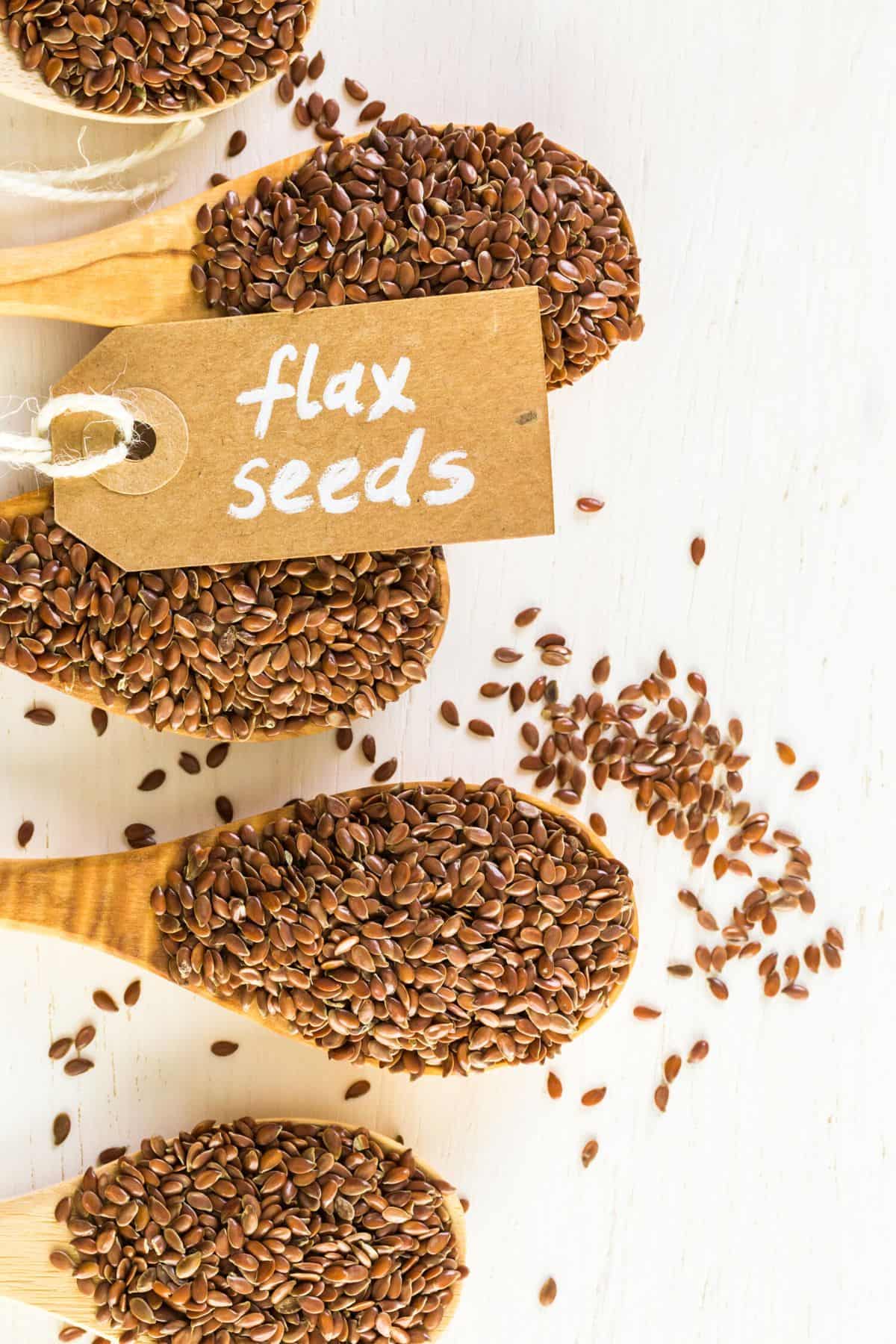
Ground flaxseed is a good flavorless egg substitute for baking cake because it goes thick and gloopy when mixed with water, which helps to bind together ingredients in a bake. Flax eggs also contain fat and are vegan too, so tick several boxes when looking for things to use instead of eggs. Flax eggs work especially well in brownies and wholewheat bread, although it contains no leavening properties.
How to use it?
To swap eggs for flax in baking, add one tablespoon of ground flaxseed to three tablespoons water to create one flax egg (sometimes known as a ‘flegg’) and form a paste. It may need five minutes of rest before use to achieve the right texture.
4. Carbonated water
Whilst it might seem implausible, the fizz in carbonated or sparkling water means it acts as an excellent egg substitute, working well as a leavening agent in cakes, bread, and muffins! It is worth noting that it will not add fat, bind, emulsify, or thicken your bake, so you may need to make other adjustments.
How to use it?
Use four tablespoons of carbonated water instead of egg in your baking recipe.

5. Ground chia seeds
Chia seeds can be used in the same way as flaxseeds to replace eggs in baking recipes for nutty brownies and muffins. They contain fat and protein and, when ground down and mixed with water, create a gelatinous texture that also works as a binding agent and adds moisture. Chia seeds work well instead of eggs in bakes where you like to have a bit of bite and crunch.
How to use it?
To use chia seeds instead of eggs, use one tablespoon of chia seeds in three tablespoons of water. You can use black or white chia seeds as egg substitutes, and again, there are no leavening agents.
6. Psyllium husk
Psyllium husk is also mixed with water to form an egg replacement for brownies and bread, but again, it does not contain leavening agents and can be harder to get hold of. It is an excellent source of plant fiber, so it has other health benefits in addition to being used in place of eggs.
How to use it?
Mix one teaspoon of Psyllium husk with three tablespoons of water as a vegan egg alternative.
7. Apple sauce
Apple sauce (or apple puree) is a good egg replacement to use in muffins, brownies, cookies, cakes, and bread. It adds moisture and richness, and it is plant-based, too. Always make sure your apple sauce is unsweetened to avoid upsetting the balance of other added sugar in your bake. Fruit purees can also contain a lot of excess water, so to get the right consistency, you may need to strain it through cheesecloth or cook it down on the stove. Always do this before you weigh out the correct amount (and always weigh ingredients using a digital scale rather than measuring by volume!).
How to use it?
Use four tablespoons of applesauce instead of one egg.
8. Cornstarch
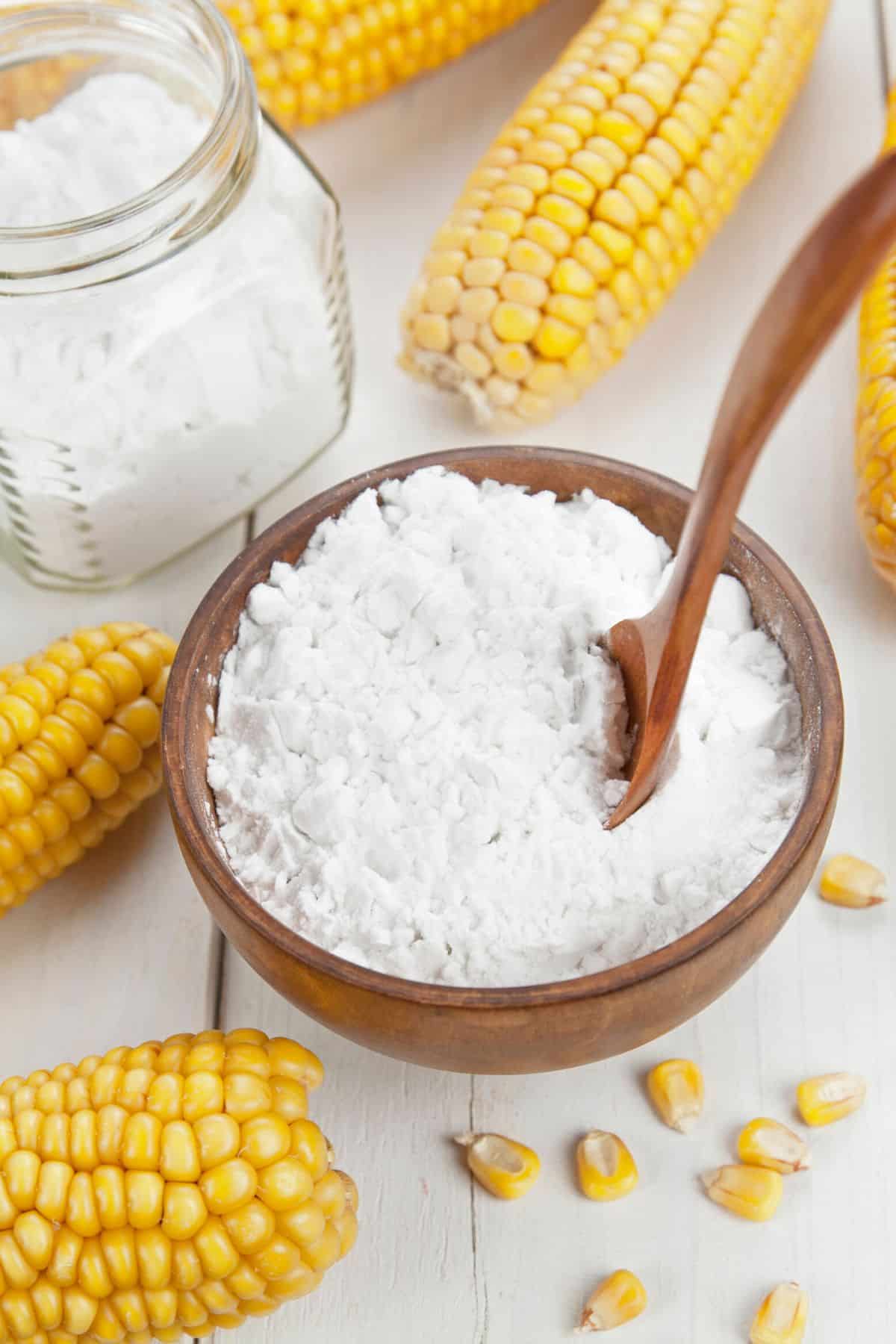
A classic thickening agent, you can use cornstarch instead of egg in baking to create a thick texture without adding other flavors or leavening qualities, for example, in a pie filling. Corn starch is also one of the thickening agents of custard (besides egg yolk), making it the best egg substation for custard.
How to use it?
Mix one tablespoon of cornstarch with three tablespoons of water or milk instead of one egg.
9. Mashed ripe bananas
Not just for banana bread, bananas are another great plant-based egg substitute! The best bananas to use instead of eggs are ripe bananas, which are ideal egg substitutes in flavored cupcakes and muffins. Bananas add moisture to your bake and also act as a good binding agent, helping to build the structure. However, bananas have a strong flavor, so are not suitable for baked dishes with delicate flavors that would be easily overpowered.
How to use it?
Use half a banana to replace one egg or a quarter cup of mashed banana.
10. Silken tofu
Plain silken tofu can help create an eggy consistency if you are wondering how to make quiche without eggs, for example. To use silken tofu instead of eggs in a quiche or even custard, be sure to puree it first to avoid lumps thoroughly. Tofu does not have leavening qualities and can make some baked goods quite dense, but this can make it useful as a plant-based egg substitute for brownies, where we want a fudgy and dense texture.
How to use it?
Use four tablespoons of pureed tofu instead of an egg (or half a cup of silken tofu).
Which is the best egg substitute?
There is no definitive answer to the overall best egg substitutes in baking, as all egg substitutes bring different qualities to the table. We have to consider what function the egg is performing in a particular baking recipe and then the reason for substituting the egg in the first place.
According to tests carried out in my kitchen, ground flax seeds, aquafaba, carbonated water, and a mixture of oil, water, and baking powder achieved the best results when substituting eggs. They performed especially well in everyday baking recipes like muffins, cakes, and brownies.
To make custard, substitute eggs with corn starch, an ingredient that is used in pastry cream.
Whilst it is a complex task to find the perfect egg substitute for baking due to all the special and unique properties that eggs have, it certainly isn't impossible! Taking a scientific approach to egg substitution will help you choose the right egg replacement to suit your needs.
This article was first published on Spatula Desserts.
Leave a Reply