
Most people turn the oven on, set a temperature, and move on. But ovens are designed with multiple settings for a reason, and each one changes how heat is delivered. That difference can quietly affect texture, browning, and overall results in ways that are easy to miss until something feels slightly off.
Common oven settings
Many people rely on one or two settings and ignore the rest. The oven still gets the job done, but not always in the best way for what you are making.
The “bake” setting is the default. It uses steady heat, mainly from the bottom element, sometimes supported by the top. This creates a stable environment that works well for cakes, cookies, and casseroles. It is consistent and reliable, which is why most recipes are written for it.
Conventional heat is closely related, but it relies more evenly on both the top and bottom elements. That balance can help certain meals cook more evenly from both directions, especially when the goal is to finish the top and bottom at the same time.
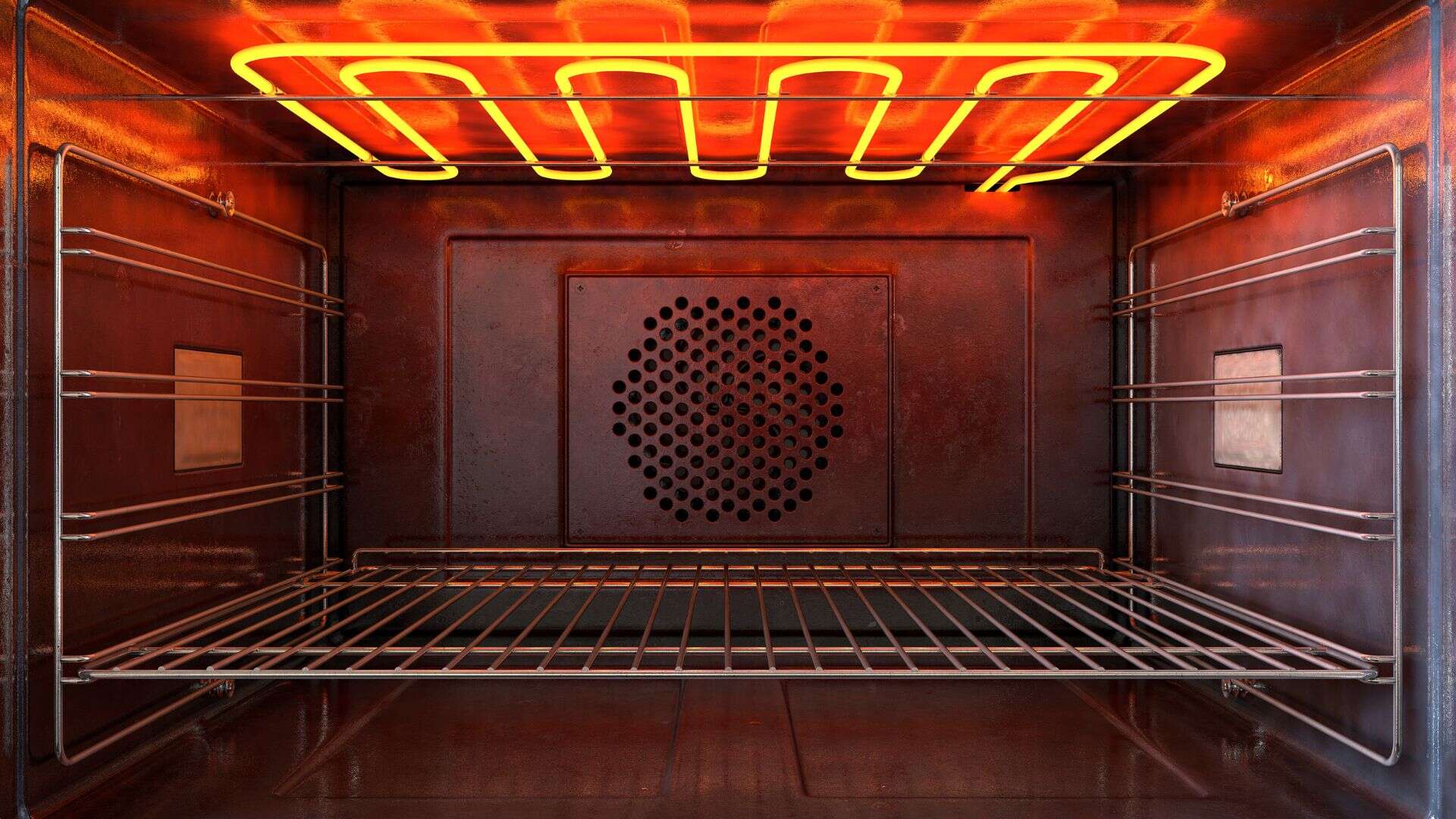
Convection, often labeled as fan forced, changes how heat moves through the oven. Instead of sitting still, hot air circulates. That movement helps food cook more evenly and often faster. It is especially useful for roasting vegetables or cooking meats that you want to have a crisp exterior. At the same time, that airflow can be too strong for delicate baking, where a gentler environment helps the batter rise properly.

The broil or grill setting uses intense heat from the top element. It is not designed for cooking a dish from start to finish. Instead, it is used at the end to add color or create a lightly crisp top. It works quickly, so it usually requires attention to avoid overbrowning.
Some ovens offer a bottom heat only option, which focuses heat directly underneath the food. This can help solve a common issue where the base of a dish stays soft while the top looks done. It is especially useful for pizza and pastries that need a fully cooked base.
The warm or keep warm setting runs at a low temperature to hold food after it is finished cooking. It is helpful when timing does not align perfectly or when dishes need to stay ready without further cooking.

Preheat and rapid preheat are often overlooked, but they play an important role. Preheating allows the oven to reach the correct temperature before food goes in, which helps cooking begin evenly. Rapid preheat speeds up that process, which can save time, but the oven still needs a moment to stabilize before baking.
The self-clean setting uses very high heat to burn off residue inside the oven. While it does not affect how food cooks day to day, keeping the oven clean can help heat circulate more consistently over time.
What if you use the wrong oven setting
Most of the time, food still turns out, unless you decide to grill your cake. But small frustrations often come from using a setting that does not match the dish.
Cookies that brown too quickly or that turn into thin, flat cookies instead of thick ones can result from using convection instead of a gentler bake. Roasted vegetables that come out soft instead of slightly crisp may not be getting enough airflow to remove moisture. A casserole that looks finished on top but feels undercooked in the center may need more balanced heat rather than more time.
These issues are easy to blame on the recipe, but they often come down to how heat is being applied.
Placement matters more than people think
Settings are only part of the picture. Where food sits in the oven also changes how it cooks.
The middle rack is usually the most balanced position, allowing heat to circulate evenly around the dish. Moving the pan lower brings it closer to the bottom element, which can help crisp the base. Moving it higher exposes it to more direct top heat, which can speed up browning.
When something cooks unevenly, adjusting the rack position along with the setting can often fix the problem without changing anything else.
Oven settings are easy to ignore because the results are often good enough. But when the setting matches the dish, results become more consistent. Texture improves, cook times make more sense, and small issues become easier to correct.
Leave a Reply