
The weeks before Christmas are packed with decisions about menus, ingredients, and timing. Even with all the preparing and planning, many households make the same costly error long before they ever step into a grocery store.

The overproduction mindset
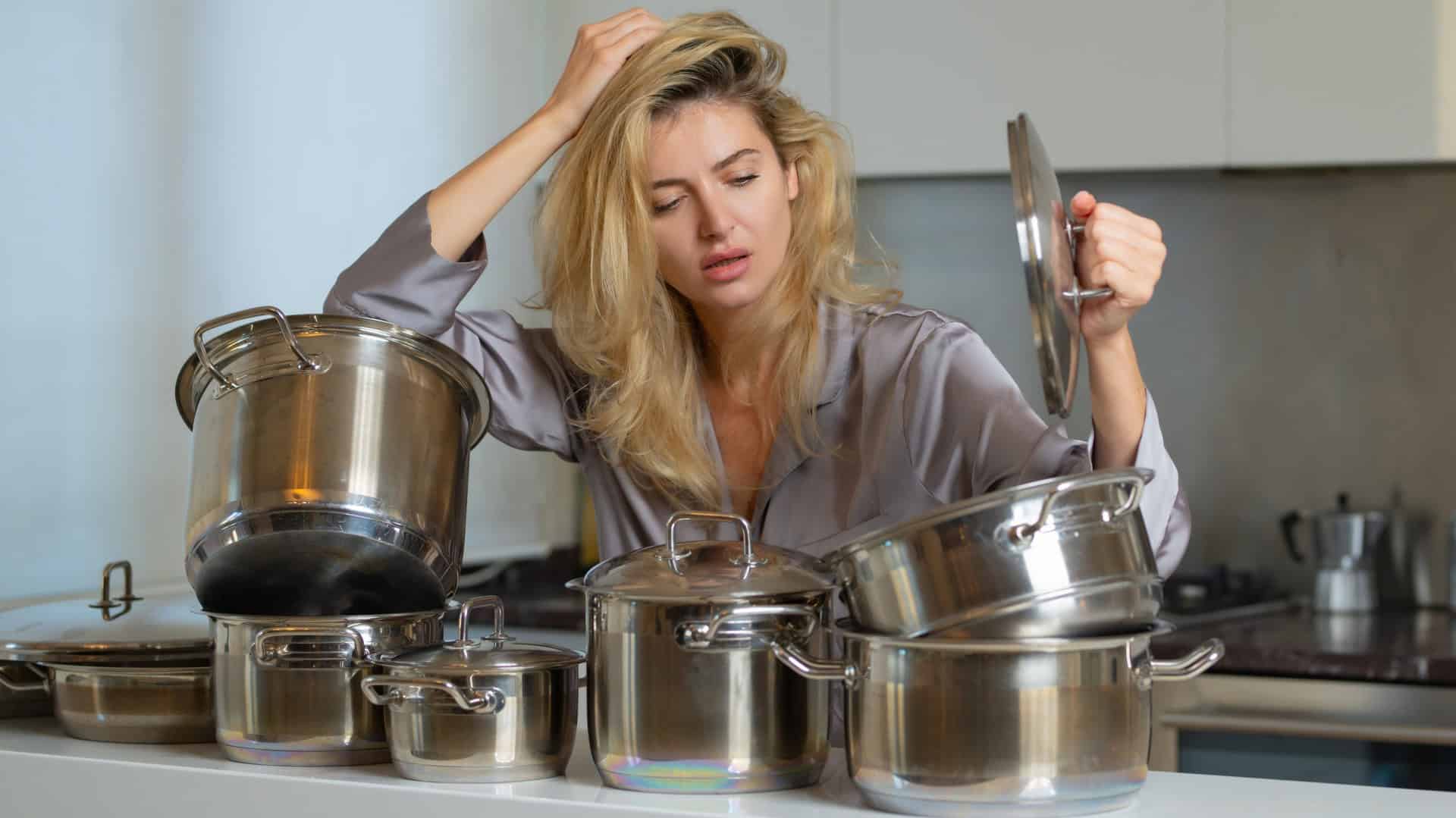
The most expensive mistake is creating holiday menus bigger and more complicated than necessary. This mistake leads to overspending, unnecessary stress, and lots of food waste.
Excessive menu planning is not new, and the habit intensifies during the holidays due to expectations and fear of disappointing guests. When families overprepare, the cost of Christmas dinner increases not just because of rising prices, but because the amount of food purchased far exceeds what is needed.
Many families build their holiday menus around the belief that more dishes equal better hospitality. Many of us feel pressure to serve “one of everything” so guests have options, which usually results in spending way more and leaving a ton of food.
The idea of preparing more than needed is also tied to tradition. Families might feel obligated to serve the same foods year after year, even if certain dishes are rarely eaten. Adding new dishes to the list while keeping every old favorite results in an inflated menu that keeps growing each year.
There is also the fear of running out of food. Hosts will guess on the high end of what to make and serve, to avoid the awkwardness.
The hidden cost of recipe experimentation
Trying new dishes during the holidays may sound fun, but it's another source of overspending. Many home cooks test new recipes “just to be safe” before the actual holiday meal, which doubles the number of ingredients needed. Those trial runs are often unnecessary if the recipe is simple or comes from a trusted source. Even when the test is successful, people often panic and add additional backup dishes to the holiday menu in case the new recipe does not appeal to everyone.
Having too many new dishes also increases the risk of buying specialty ingredients that will not be used again. These niche items are often more expensive and may spoil before the next opportunity to use them. Without careful planning, you will waste both money and pantry space.
Misjudging portions and guest needs
One of the biggest contributors to inflated holiday spending comes from misjudging how much guests will actually eat. The National Institute of Health notes that portion sizes in the United States have increased over the past several decades, which can distort one’s sense of what a reasonable serving should be.
This problem grows during the holidays because hosts assume guests will indulge more than usual. The result is excess food that ends up wasted or stored improperly.
Dietary needs are also often overaccommodated. Hosts might make three or four variations of a single dish to accommodate preferences or food sensitivities, even when a simpler alternative would be just fine.
Planning without inventorying what you already have
Many hosts make the mistake of starting menu preparation without reviewing pantry items. Many households already own ingredients for Christmas dishes, but fail to check before making a shopping list. As a result, they purchase duplicates of items such as herbs, spices, baking staples, and canned goods.

This duplication drives up costs unnecessarily. Items like flour, butter, broth, and spices are often purchased without checking existing supplies, even though these staples have long shelf lives.
Taking note of kitchen inventory before planning the holiday menu may seem simple, but it is one of the most effective ways to reduce holiday food spending.
Emotional spending and holiday pressure
The psychological demands of the season play a big role in how families plan their Christmas meals. People will overspend because they associate holiday gatherings with abundance. That emotional connection can override practical decision-making. Some hosts think that a large, varied spread communicates care, generosity, and effort. Cutting back can feel uncomfortable, even when it is financially necessary.
There is also the social pressure of the holiday season. If previous years featured big menus, hosts might worry that scaling back will be noticed by guests. This pressure can cause hosts to overspend just to avoid the drama.
Holiday stress also contributes. When people feel rushed or overwhelmed, they tend to make quick, rather than thoughtful, purchasing decisions. This leads to impulse buying and stacking more dishes onto the menu because it feels safer or more complete.
The financial ripple effect of wasteful planning
A huge Christmas menu does more than increase the grocery bill. Overspending on ingredients means kitchens become crowded with perishable items that must be used quickly. When refrigerators and freezers are overloaded, food can spoil faster or be forgotten entirely.
This waste has a big financial impact. The USDA estimates that Americans waste 30-40% of the food supply each year, and the holidays contribute heavily to that figure.

How to plan smarter without sacrificing tradition
Planning a manageable Christmas menu does not mean abandoning holiday traditions. It just means prioritizing the dishes people enjoy most, scaling back on untested recipes, and choosing a realistic number of items that match the number of people who will be sitting around the holiday table.
You can think about previous holiday meals to see what was actually eaten versus what wasn't. Creating a menu around favorites can drastically reduce the amount of food required and also help stick to the budget.
Inventorying your pantry and freezer before making a shopping list is another way to reduce unnecessary spending. Building the menu around existing ingredients lowers overall costs and helps with planning.
The holiday season is already stressful, so why add overcooking and food stress to the day? Create a manageable holiday menu within your household's budget. Focus on the dishes guests enjoy to reduce costs without compromising the holiday experience. Thoughtful preparation, not an abundance of dishes, creates a memorable Christmas meal.
Leave a Reply