
Spice hits people differently, but these dishes have earned reputations that cross borders. They are not spicy by accident. Heat is central to their flavor and identity. For many, the first bite brings sweat and a quick respect for what peppers can do. And if you decide that you need to limit the spice, you can. Get ready - each dish below is known for a powerful spicy kick.
Phall Curry
Phall curry is often described as one of the hottest dishes served in restaurants anywhere. It's popular Indian curry houses, where chefs pushed heat far beyond traditional levels. Built with superhot chilies like ghost pepper and habanero, the burn arrives fast and refuses to fade. Flavor exists, but it is rarely what people remember first.
Goan Vindaloo
Goan vindaloo balances vinegar, garlic, and chili, but aggressive versions can overwhelm even seasoned spice lovers. When cooks lean hard on local chilies, the heat turns sharp and lingering. This dish from India is not a slow burn. It's typically made with pork, but can be altered with chicken. The heat from the chillies announces itself early and stays in the mouth long after the last bite.
Carolina Reaper Chicken Wings
Carolina Reaper wings are built around one goal: extreme heat. The pepper used is one of the hottest in the world, and its effect is immediate. The burn spreads quickly across the mouth, then settles deep in the throat and chest. Unlike many spicy foods that allow brief pauses, these wings keep escalating with each bite. They are often served as challenges rather than meals, and for good reason.

Sichuan Mapo Tofu
Mapo tofu delivers a different experience. The heat comes from chili oil, but the defining feature is the numbing tingle of Sichuan peppercorns. The mouth buzzes, then burns. The sensation spreads rather than spikes, which can make it feel stronger with every bite instead of easing off. This Chinese dish has been around since the mid-1800's and is still popular for its heat and flavor.
@cj.eats shows you how to make this dish as spicy as you want.
Jerk Chicken
Jerk seasoning is about balance, but when spicy peppers are used freely, the heat becomes unavoidable. The burn does not always hit immediately. It builds after a few bites, once the sweetness and smoke settle. When done traditionally and hot, it demands patience and respect.
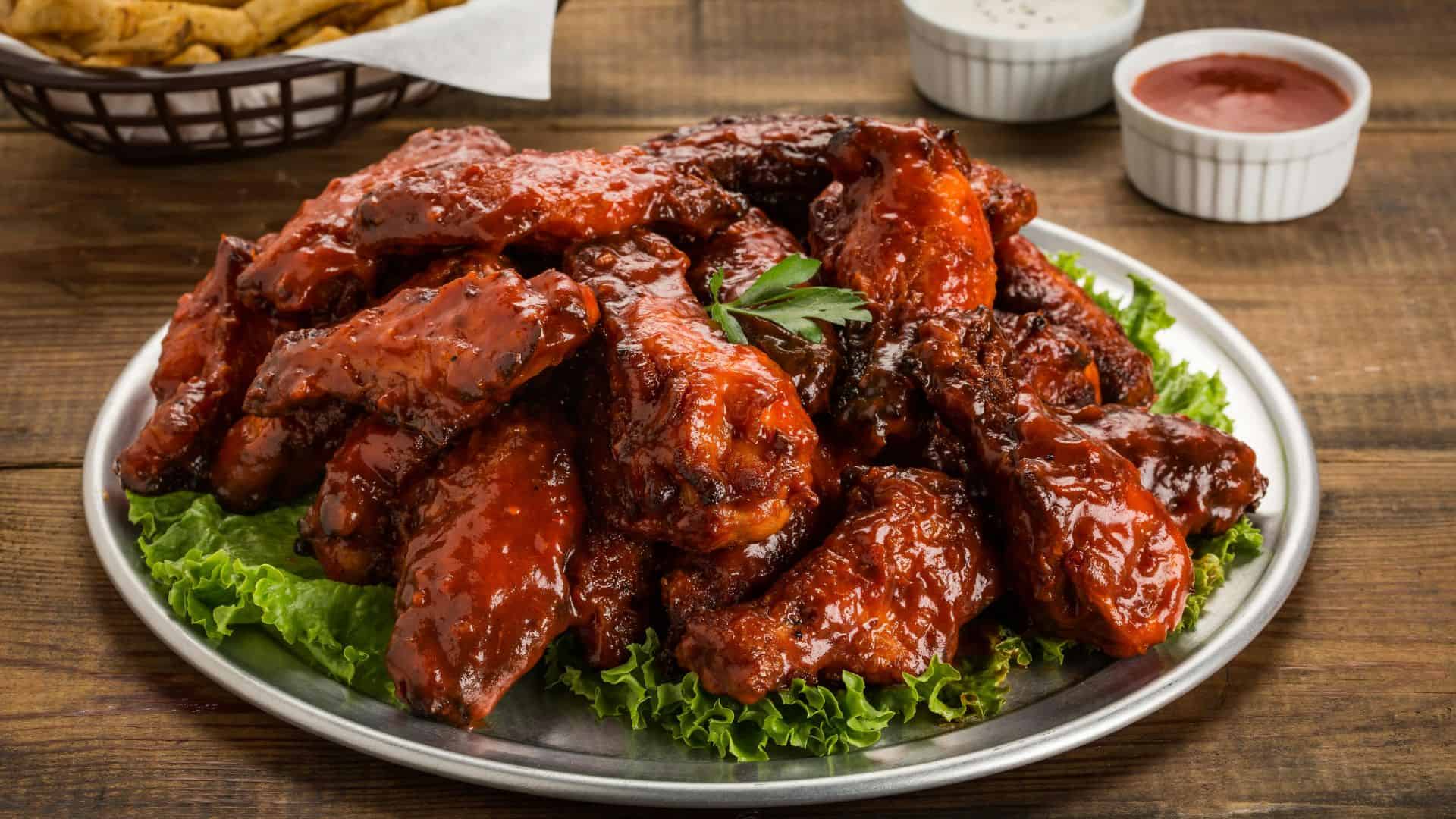
Samyang Spicy Ramen
This Korean instant noodle gained attention because it does not soften its spice. The sauce is thick, sticky, and intense, clinging to every noodle. There is no mild bite to reset the palate. You actually buy this at the store and then follow the directions on how to make it at home. The heat is constant from start to finish, making it hard to slow down once you begin.

Som Tam (Green Papaya Salad)
Som Tam can be refreshing or brutal, depending on who prepares it. When made in the local Thai style, raw chilies and other spices are pounded directly into the dressing. The heat is bright and sharp, paired with lime and fish sauce. The spice level can vary widely depending on how much is added.
Chicken 65
This South Indian dish is known for its bright red color and super-hot seasoning. Fried chicken is tossed with chilies, curry leaves, and spice blends that cling to the surface. The first piece may seem manageable. By the third or fourth, the heat has settled in and refuses to leave.
@ayesha_foodartistry_ shows how to make this crave-worthy dish.
Nashville Hot Chicken
Nashville hot chicken delivers spice through a chili oil paste brushed directly onto fried chicken. The heat sinks into the crust and the meat beneath it. It is not just surface-level spice. The burn is steady, deep, and often stronger than expected.
Chili Crab (Extra Hot)
Chili crab is often sweet and rich, but extra-hot versions push it into dangerous territory. This Singapore-style dish uses fresh chilies and chili paste thicken the sauce until it coats everything. The spice lingers on fingers, lips, and breath, extending the experience well beyond the plate.
See the steps by @jujumaoo for making this spicy dish.
Habanero Salsa
Fresh habanero salsa is deceptively bright. The pepper’s fruity aroma comes before the heat lands. Once it does, it spreads quickly across the tongue and throat. A small amount is enough to overpower an entire meal, which is why it is used carefully in many kitchens.
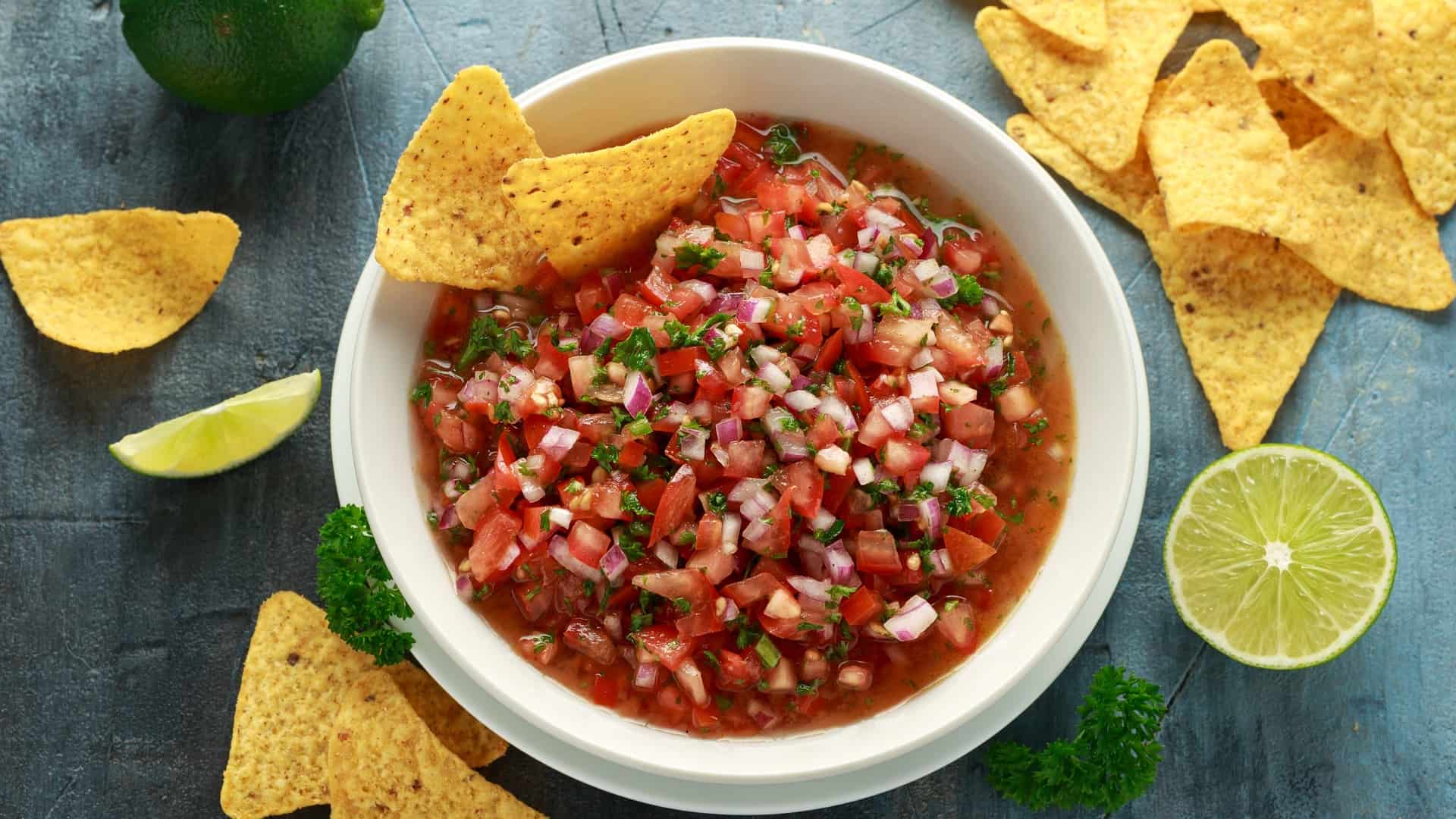
Dora Way (spicy chicken Ethiopian stew)
In stews like Doro Wat, the burn builds slowly as dried chilies release their strength. The heat deepens with each bite, warming first, then intensifying until it demands attention. This Ethiopian stew is typically part of a larger meal, but can be eaten on its own.
The takeaway
These spicy foods are not designed to be comfortable. In many cases, the heat reflects tradition and long-standing taste preferences that value intensity. In others, the spice has been pushed further as a test of limits. Either way, these dishes leave little room for indifference. You may sweat or reach for water, but you will remember them long after the meal is over.
Leave a Reply