
You may know that the best diet is a balanced one. You should always aim to get the right amount of healthy fats, protein, and carbs from natural, nutritious sources. But that is easier said than done.
Many of us struggle to get enough nutrients for our bodies to function optimally. Protein is one nutrient that many people often lack, especially those who focus solely on consuming a “healthy” natural diet. Unfortunately, many high-protein foods are often perceived as "unhealthy."
What is Protein?
Protein is one of the essential macronutrients that your body needs to function. Think of protein as the building blocks of life. It provides structure to cells and tissues throughout your body and breaks down nutrients in the foods you eat.

How Does Protein Help Your Body?
Protein plays a huge role in nearly every part of your body:
- Muscle Repair and Growth: Protein helps build and repair muscles. Every time you work out or even go for a brisk walk, your muscles need protein to recover.
- Acts as a Messenger: Some proteins are hormones, which are chemical messengers that aid communication between your cells
- Maintains Proper pH: Protein plays a vital role in regulating the concentrations of acids and bases in your blood and other bodily fluids
- Immune System Support: Antibodies are proteins in your blood that help protect your body from harmful invaders like bacteria and viruses.
In short, protein isn't just for people trying to bulk up or those headed to the gym. It's for everyone who wants their body to function properly.
Why Do Most People Not Eat Enough Protein?
You'd think with protein bars and shakes everywhere, we'd all be protein-packed. But nope. So many of us don't get enough protein for a variety of reasons. First, many of us load up on carbs because they're easy and comforting (pasta, bread, rice). While carbs aren't inherently bad, they often push protein-rich foods off the plate.
On top of that, we're a nation of snackers, and most snack foods—chips, crackers, candy—aren't exactly high in protein. Plus, many of us are afraid of fats. Foods like eggs, cheese, and meats are rich in protein but also contain fat, which some people tend to avoid, like the plague. But healthy fats are good for you!
Many people think that those who avoid meat won't get enough protein in their diet. If you're vegetarian or vegan, you can absolutely get enough protein, but it takes more planning and combining different foods to ensure you're getting all the essential amino acids. Sometimes, this can seem a little overwhelming, but those who skip the planning may then fall victim to a protein deficiency.
The main reason we might not be getting enough protein is that Most people don't realize how much they actually need. The thing is that it's probably more than you think!
How Much Protein Should We Eat?
Your personal protein needs vary depending on your age, activity level, and goals. But let's break it down into simple terms:
- The Average Person: For most adults, the Recommended Dietary Allowance (RDA) is about 0.8 grams of protein per kilogram of your body weight. A person who weighs 165 pounds, or 75 kilograms, should consume 60 grams of protein per day. But let's be real, this is the bare minimum.
- Active People: If you're hitting the gym or have a physically demanding job, you'll need closer to 1.2-1.7 grams per kilogram. That's around 90-120 grams for that same 150-pound person.
And remember, spreading your intake of protein throughout the day instead of eating it all in one meal can help your body use it more effectively.

What Foods Are High in Protein?
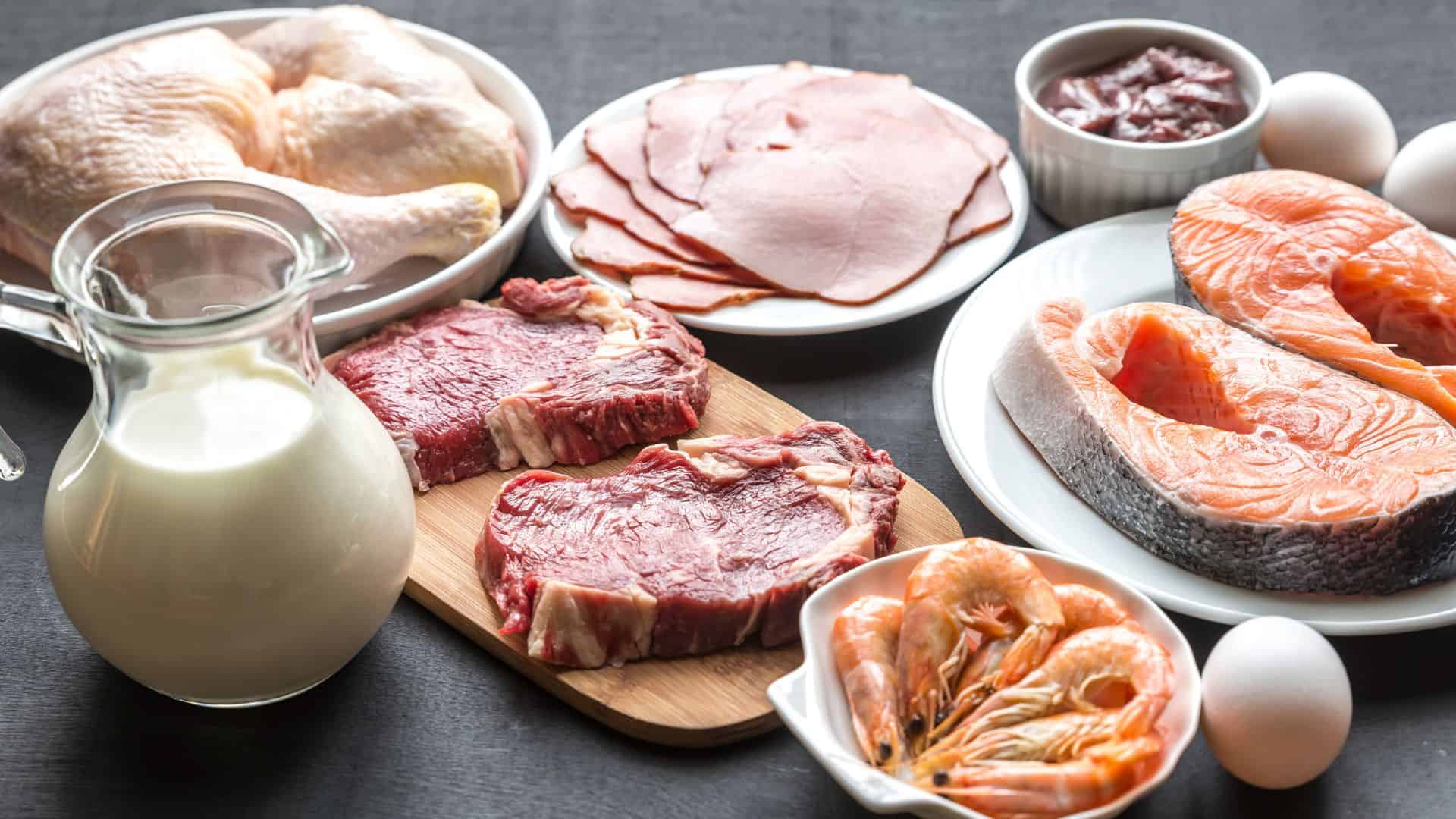
Okay, now that we've convinced you to eat more protein, let's talk about where to find it. We are going to break it down into animal-based proteins and non-animal proteins to make it extra easy.
Animal-Based Proteins:
- Eggs: Affordable, versatile, and packed with complete protein.
- Chicken Breast: A classic lean protein that is versatile and tasty.
- Fish: Salmon, tuna, and cod are protein-packed and loaded with healthy fats.
- Beef: Lean cuts like sirloin are high in protein but lower in fat.
- Greek Yogurt: With lots of protein per cup, it's a great choice for breakfast or a snack.
- Cheese: Cheddar, mozzarella, or cottage cheese—all are great protein sources.
Plant-Based Proteins:
- Legumes: Chickpeas, lentils, and beans are high in protein and also high in beneficial fiber.
- Tofu and Tempeh: Versatile, plant-based, and packed with protein.
- Quinoa: A complete protein and a great alternative to rice.
- Nuts and Seeds: Almonds, chia seeds, and pumpkin seeds are protein-rich but calorie-dense, so enjoy them in moderation.
- Edamame: It's unbelievable that a cup of these green soybeans has so much protein.
- Plant-Based Protein Powders: A quick and easy option for vegans and vegetarians.
Protein isn't just a nutrient for athletes or fitness buffs, but something we all need. It keeps your body running smoothly, helps you feel full, and supports everything from your muscles to your immune system. It is also something that many of us may need to eat more of, and, as you just learned, there are plenty of healthy, tasty ways to eat more protein, no matter what type of diet you follow.
Leave a Reply