Home is supposed to feel safe and comforting, but when your own kitchen can make you sick, even dinner can start to feel like a daily risk.
Living with a medical condition can change more than just your diet. It can reshape your entire sense of safety at home. For one woman with celiac disease, what should be her most comfortable space has become a place of vigilance and constant anxiety about cross-contamination.

The story
In a recent Reddit thread, it was asked, "Am I in the wrong for making my home gluten-free?" She went out to say that she was diagnosed with celiac disease and sensitive to gluten. She is diligent about keeping her space clear of gluten, as she gets extremely sick.
Her husband is not gluten free, but does make an effort for her. They have different pots and pans for each person to use, and she would really love it if her home were a place where she didn't have to stress about cross-contamination or gluten.
The problem is her and her husband's family, who told her it’s not fair to force everyone not to eat gluten when she is the only one who has to avoid gluten. She's also been told that she's being dramatic, controlling, and just wants everyone around her to suffer with her. Her husband hasn't weighed in with an opinion.
She says she is exhausted by the whole thing. She wants to know if she's in the wrong for wanting to make her home 100% gluten free when she's the only one that it affects.
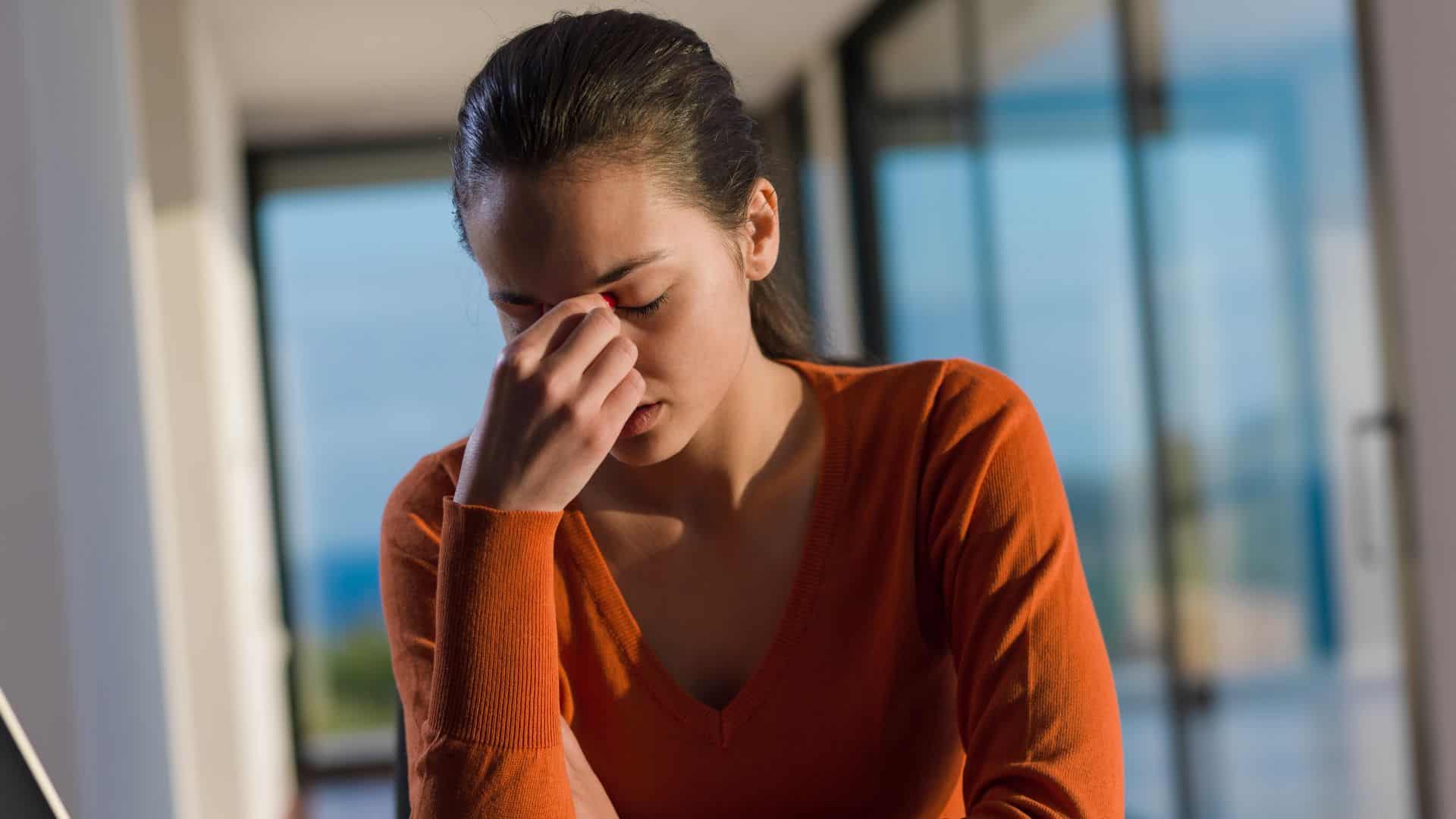
The responses
Over 200 people hopped onto the thread to share their thoughts.
One person said, "You do the cooking and the shopping? Don't ask, just only cook gluten free."
That is one way to go about it. If she's the one who handles and buys all the food, then she has instant control over what is in the house. The biggest thing to remember, though, is that there are even some gluten-free foods with contamination risks that people with celiac disease can't eat, so she still has to be super careful all the time, no matter what.
Another wrote, "Literally the only person who has the right to an opinion in this situation is your husband. He is the only one who knows whether he would feel controlled. Relatives don't get a say."
Agreed. People who don't live in the home, don't get an opinion on the situation because more than likely, they don't know the seriousness of it.

One said, "I think you should feel safe in your house."
It's true. It's so hard to imagine living in a home where you have to be super aware of every piece of food at all times. How tiring that must be. Giving her the chance to live in her home without the stress of getting sick shouldn't be that hard.
Another pointed out, "That's how I run my home. My family has the whole world to eat gluten in, and I deserve one safe place."
The biggest thing to remember is that people have to run their homes in a way that works with their lives. If people can adjust so that no one gets sick, that seems like a simple thing to do.

When health boundaries feel like control
Food rules at home can quickly turn into power struggles, especially when only one person has a medical restriction. But this situation is less about preference and more about health.
Celiac disease is not a lifestyle choice. According to Beyond Celiac, only 39% of people understand that even food that is gluten-free could still be dangerous for people with celiac. Any type of cross-contamination can trigger days of migraines and other serious symptoms. Wanting relief from that pressure inside your own home is not the same as trying to control what others eat everywhere else.
The bigger issue here is communication and partnership. A home is a shared space, and decisions that affect everyone should be discussed openly, especially between spouses. Outside relatives may have opinions, but they do not live with the daily consequences. The conversation that matters most is the one between the two people running the household.
There is also a difference between restriction and accommodation. Asking people not to bring gluten into a medically sensitive environment is similar to asking them not to bring peanuts into a home with a severe nut allergy. The goal is not to make others “suffer,” but to prevent harm.
The lesson is that health boundaries are not punishments. They are protections. When a medical condition creates real risk, creating a safe zone at home is the solution. The key is making sure those decisions are rooted in mutual respect and a shared understanding of what safety truly requires.
Leave a Reply