
Frozen desserts are more than just a summer indulgence; they are a thriving global business. Revenue in the U.S. ice cream market alone is projected to reach $15.01 billion in 2025, with an expected annual growth rate of 5.13% through 2030.
National Ice Cream Day falls on Sunday, July 20, and it is the perfect excuse to treat yourself. Before you head to the freezer aisle or your neighborhood scoop shop, it's helpful to know exactly what separates gelato, classic American ice cream, and fruity sorbet. While they all share a spot in the freezer aisle, they actually differ significantly in everything from ingredients to texture and even cultural roots.

The Basic Difference Between Gelato, Ice Cream and Sorbet
Gelato, ice cream, and Sorbet all fall under the broad category of frozen desserts, but they differ significantly in ingredients, texture, and serving temperature. By USDA law, ice cream must be made with at least 20% milk solids, including at least 10% milkfat, and it has to weigh at least 4.5 pounds per gallon.
Gelato, an Italian creation, typically contains 4–9 % milkfat, uses more milk than cream, and is churned slowly, which results in a denser, smoother texture. It is also typically served slightly warmer than ice cream, which makes it softer and creamier.
Sorbet (or Italian sorbetto) contains no dairy at all; it is just fruit juice or fruit puree, sugar, and water. Sorbet relies on freezing and light churning for a silky yet icy consistency.
Here is an easy visual to help you fully see the differences between these frozen desserts.
| Frozen Dessert | Key Ingredients | Milkfat Content | Texture | Serving Temperature | Dairy-Free? |
|---|
| Gelato | Milk, sugar, flavorings (uses more milk than cream) | 4–9% | Dense, silky, smooth, less air, slow-churned | Slightly warmer than ice cream (softer, melty) | No |
| Ice Cream | Milk, cream, sugar, sometimes egg yolks | At least 10% milkfat; ≥20% milk solids total (USDA requirement) | Light, creamy, more air, fast-churned | Very cold (firm texture) | No |
| Sorbet | Fruit juice or puree, sugar, water | 0% (no dairy) | Smooth but icy, light-churned | Cold and refreshing | Yes |
Global Consumption Snapshot
Of the three frozen desserts, ice cream remains the most by far. In 2023, it dominated global sales with a staggering 8.7 billion liters sold, over 60% of which were consumed in the U.S. and Europe. Vanilla, chocolate, and strawberry made up 63% of total flavor sales.
The second runner up was gelato, which reached approximately 1.2 billion liters. 335 million of those liters were consumed in Italy alone. Sorbet, although smaller in volume, captured 940 million liters and saw a notable 15% year-over-year increase, driven by growing demand for dairy-free options in markets such as France and Japan. Lemon, raspberry, and mango remain top flavors.

A Closer Look at Gelato
Gelato is considered a national treasure in Italy, with 335 million liters consumed in 2023. It has also established a strong international footprint in upscale U.S. cities, such as New York. Artisanal shops emphasize traditional batch methods and fresh ingredients, which is making the gelato increasingly popular.
Made with milk, a small amount of cream, sugar, eggs, and flavorings. Sometimes it contains extra egg yolks to add richness to the flavor and consistency. Gelato requires a specialized slow-churn freezer and precise temperature control.
It contains less fat and air and is served warmer (~10°F higher than ice cream) to achieve that creamy, rich mouthfeel. A comparison found that ounce for ounce, gelato is about 35 calories and 4 grams of fat less than ice cream. However, gelato has less air than ice cream, which makes it heavier, and therefore, unless you serve yourself a smaller portion of gelato, you could end up with more calories and fat than your favorite ice cream!
What Exactly is Ice Cream
On average, Americans eat about 20.8 liters ice cream per person annually.
But what exactly is ice cream?
Ice cream is made by blending cream, milk, sugar, and often egg yolks to create a mix called a "base". The base is then cooked over low heat until thick, cooled, and then rapidly churned while freezing, a process that not only chills the ice cream mix but also incorporates air, creating that smooth, fluffy texture we all know and love. Once churned, the ice cream is hardened at very low temperatures to set its final consistency.
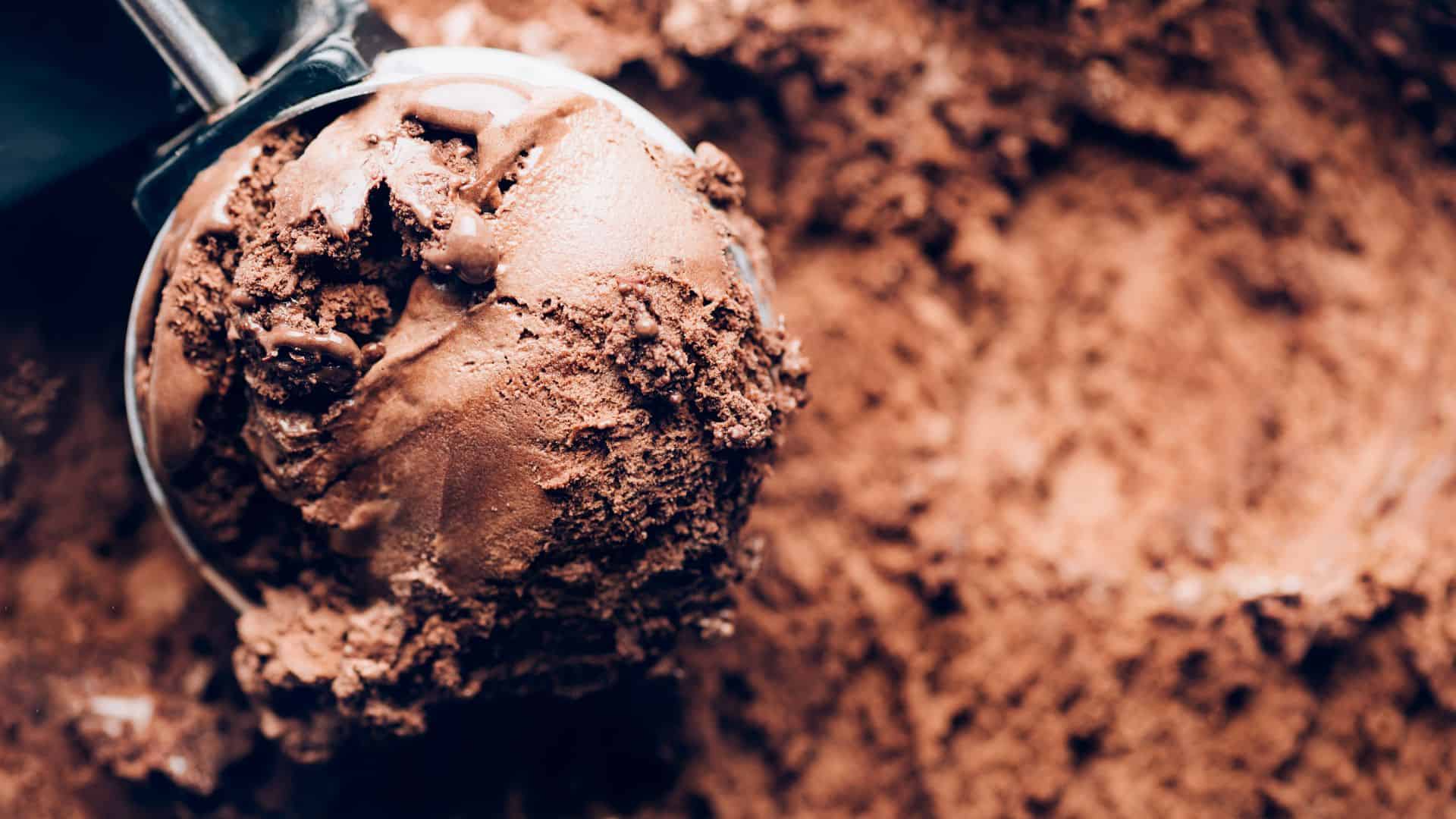
The high fat content in the ice cream base, combined with the incorporation of air, results in a lighter and creamier texture. When you take a bite of ice cream, the fat coats your tongue and makes that delicious flavor last even longer.
Making ice cream at home is much easier than attempting to make gelato. Standard electric ice cream makers are readily available in a wide range of price points, so almost anyone can afford their own machine.
All About Sorbet
Sorbet is the simplest to make of the three frozen desserts we are discussing. Dairy-free by definition, Sorbet is made with just fruit, water, and sugar. It is churned and frozen to prevent the formation of large ice crystals, resulting in a smooth texture.
Sorbet offers intense, pure fruit flavors with a crisp, icy mouthfeel.
Which is the Healthiest: Gelato, Ice Cream, or Sorbet?
When it comes to choosing the healthiest frozen dessert, Sorbet is often the best choice for those avoiding fat or dairy. It is completely dairy-free and contains virtually no fat, though it can still be high in sugar. Sorbet is a fantastic choice for those watching their fat intake as well as for vegans who are avoiding dairy.
Health experts generally recommend Sorbet or gelato over ice cream when eaten in moderation.
Another Frozen Dessert, Sherbet!
While not as popular as ice cream, Sorbet, or gelato, sherbet is worth mentioning. Sherbet is a frozen dessert that sits somewhere between ice cream and Sorbet. Unlike Sorbet, sherbet contains a small amount of dairy, typically about 1–2% milkfat, giving it a creamier texture than Sorbet but much lighter than ice cream or gelato.
Sherbet often features fruity flavors like orange or raspberry, similar to Sorbet, but with a slight tang and smoothness from the added milk. Compared to ice cream and gelato, sherbet is lower in fat and calories, but since it contains a small amount of milk, it is not suitable for vegans.
Leave a Reply