
Winter Olympic athletes train with precision and relentless focus. Then, between events and on their time off, many of them reach for the same comfort food everyone else loves: pizza. The buzz on the street is that pizza has become one of the most popular indulgences at the Winter Games.

The 2026 Winter Olympics
From February 6–22, 2026, people from all over the world are tuning in to watch the 2026 Winter Olympics. The games are hosted by Italy and officially branded Milan–Cortina. Events are split across Milan, Cortina d’Ampezzo, and several Alpine regions in northern Italy.
The Olympics features 90+ medal events across traditional Winter Games sports, with athletes competing at both high-altitude alpine venues and modern urban arenas. A major focus of the 2026 Games is sustainability, with a heavy reliance on existing venues and temporary structures rather than large new builds.
The pizza
Athletes from all over the world are having the time of their lives at the Olympics, and many are choosing pizza for almost every meal.
In a recent interview, Troy Pidmilsak, a U.S. freestyle skier, said, "I've actually had pizza every single day for pretty much every meal besides breakfast." Matej Svancer, an Australian freestyle skier, said, "I had a pizza margarita yesterday mixed with a steak, and I actually put some prosciutto on it. It tasted amazing. It was like a deadly combo."
Roberto Trabucchi, of the Garden Restaurant and Pizzaria, said, "All over the world you can eat pizza, but I think that what makes our pizza special is the simplicity of the kind of pizza we make and the high quality of the ingredients that are on the top of the pizza."
The reactions
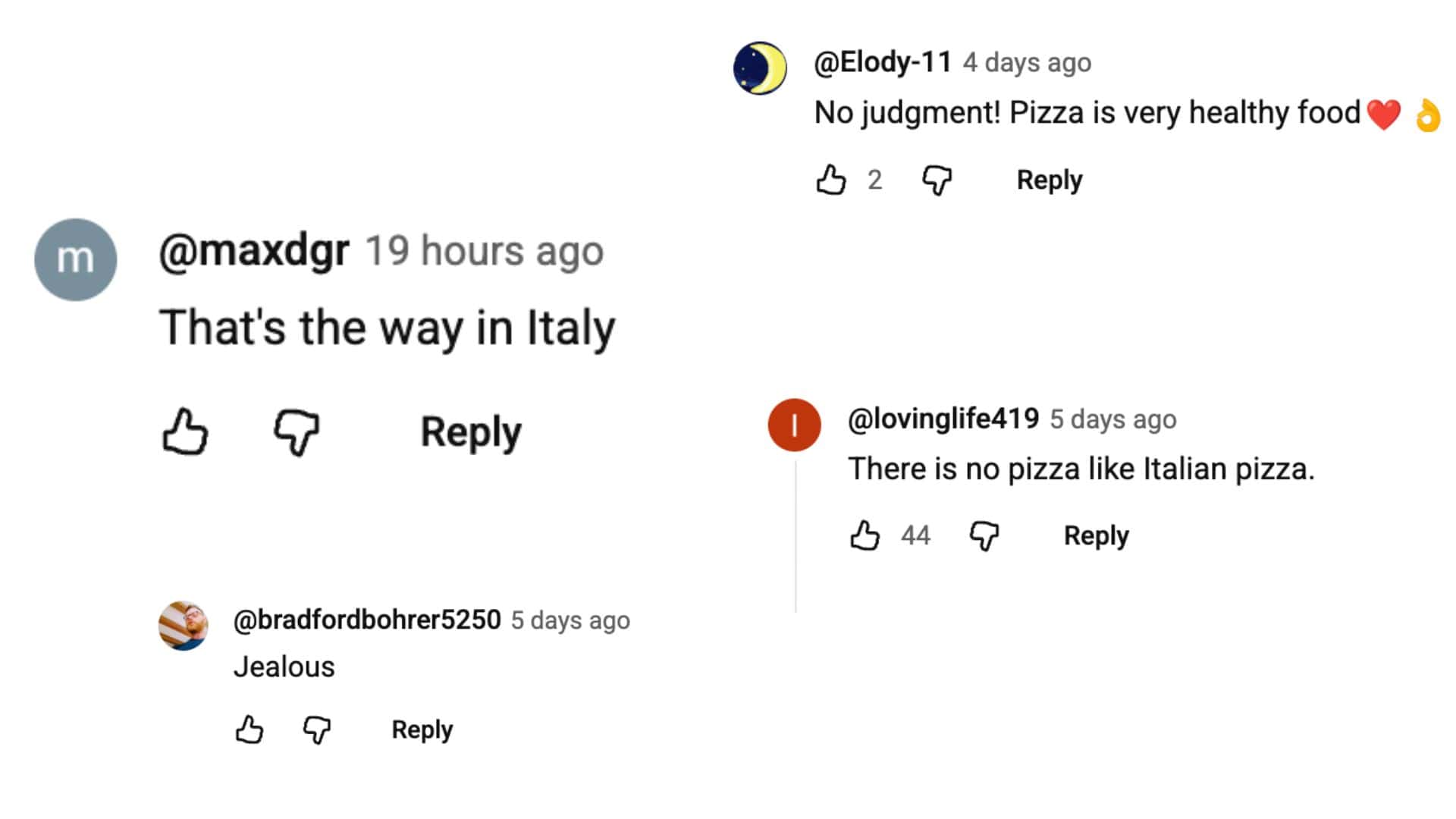
People couldn't agree more with the popularity of Italian pizza. One person pointed out, "There is no pizza like Italian pizza." Another person said, "There is nothing like it. I've been to Milan, Rome, and Florence. The pizza is incomparable. Delish!"
Someone asked the question, "Why eat the pizza with a fork?" to which another person answered, "So you dont dirty your hands, it's valid to both eat with fork and knife or with hands."
The comment section agreed that the pizza was top-notch, and the jealousy of getting good bites anywhere while there was felt throughout.
The difference between American and Italian pizza
American pizza and Italian pizza share the same basic idea, but they’re built on very different philosophies.
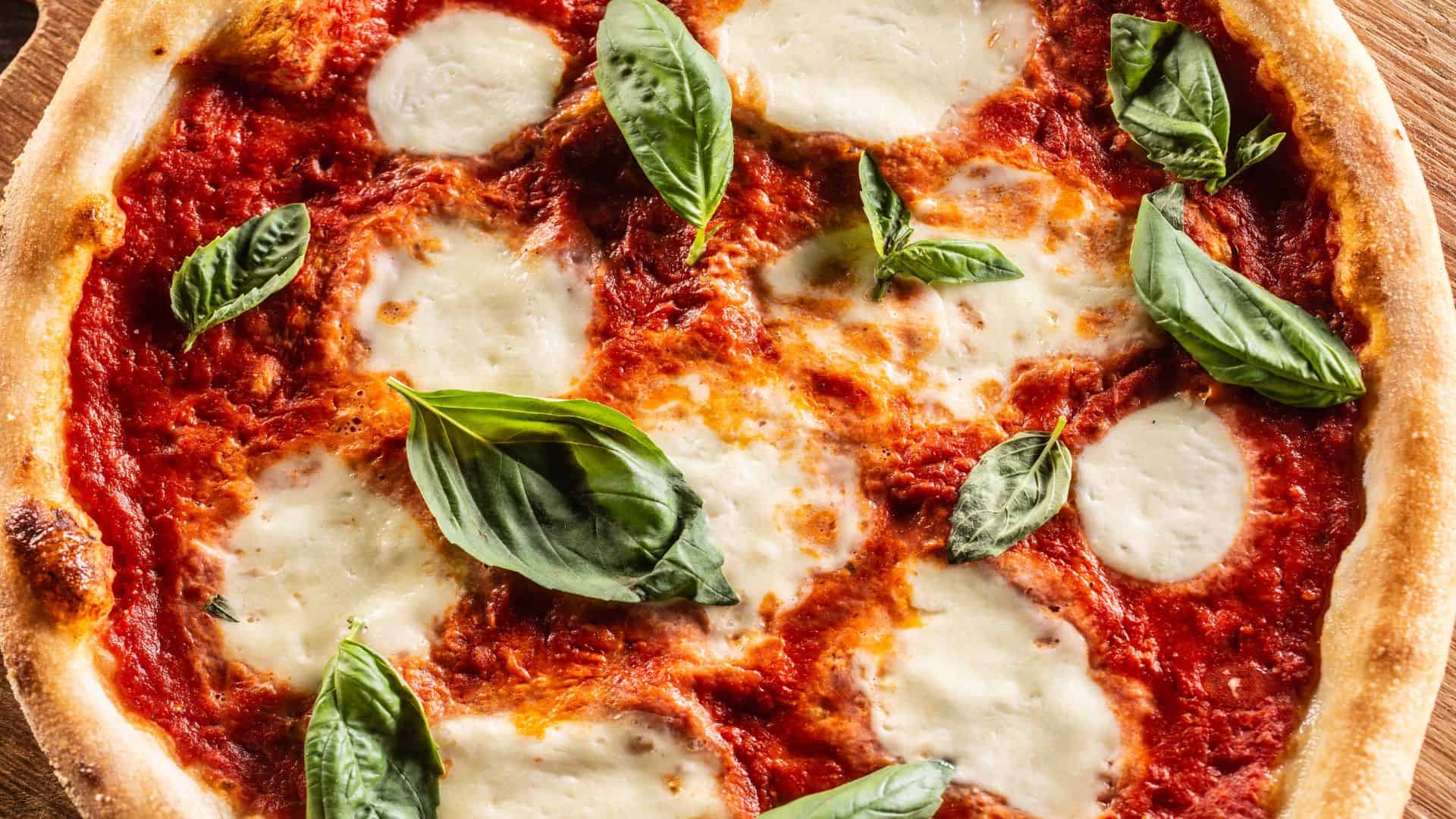
Italian pizza is about simplicity and restraint. The dough is thin and airy, often made with just flour, water, yeast, and salt. It’s cooked quickly in very hot, wood-fired ovens, which gives the crust light charring and a tender center.
Toppings are minimal and high-quality. Think tomatoes, fresh mozzarella, olive oil, maybe basil or prosciutto. The goal is balance, not abundance. The simplicity of the ingredients is part of the pizza's beauty. Each bite showcases the toppings, without any one overpowering the entire slice.
American pizza leans into variety and indulgence. The crust is thicker or sturdier, designed to hold a ton of toppings. Cheese is used liberally, sauces are often seasoned or sweetened, and toppings can range from classic pepperoni to everything imaginable.
It’s baked for longer at lower temperatures, resulting in a firmer crust and crisp edges. Slices are meant to be handheld and filling. American pizza also has a wide variety of different combinations. It's possible to create a unique pizza with just about anything on it. There are deep-dish, thin-crust, hand-tossed, pan, and more. Endless options for endless flavors.

The difference comes down to approach. Italian pizza uses toppings to complement the dough and sauce, while American pizza uses toppings to define the experience. Both styles are loved, but they reflect very different food cultures and expectations.
The takeaway
Pizza may seem like a small detail in a global sporting event, but at the Olympic level, small details matter. What people eat between training sessions and competition days affects energy and even morale. When the Games are hosted in a country with a strong food identity, those differences become impossible to ignore.
Leave a Reply