
Home cooking is comforting and cheaper, but it often doesn't reach the level you get at a restaurant. The usual assumption is that restaurants have better equipment or techniques that aren’t accessible at home. But, in reality, most of the difference comes down to small habits and techniques that anyone can replicate at home.
Once you understand these techniques, your everyday meals can start tasting better without changing your kitchen setup.
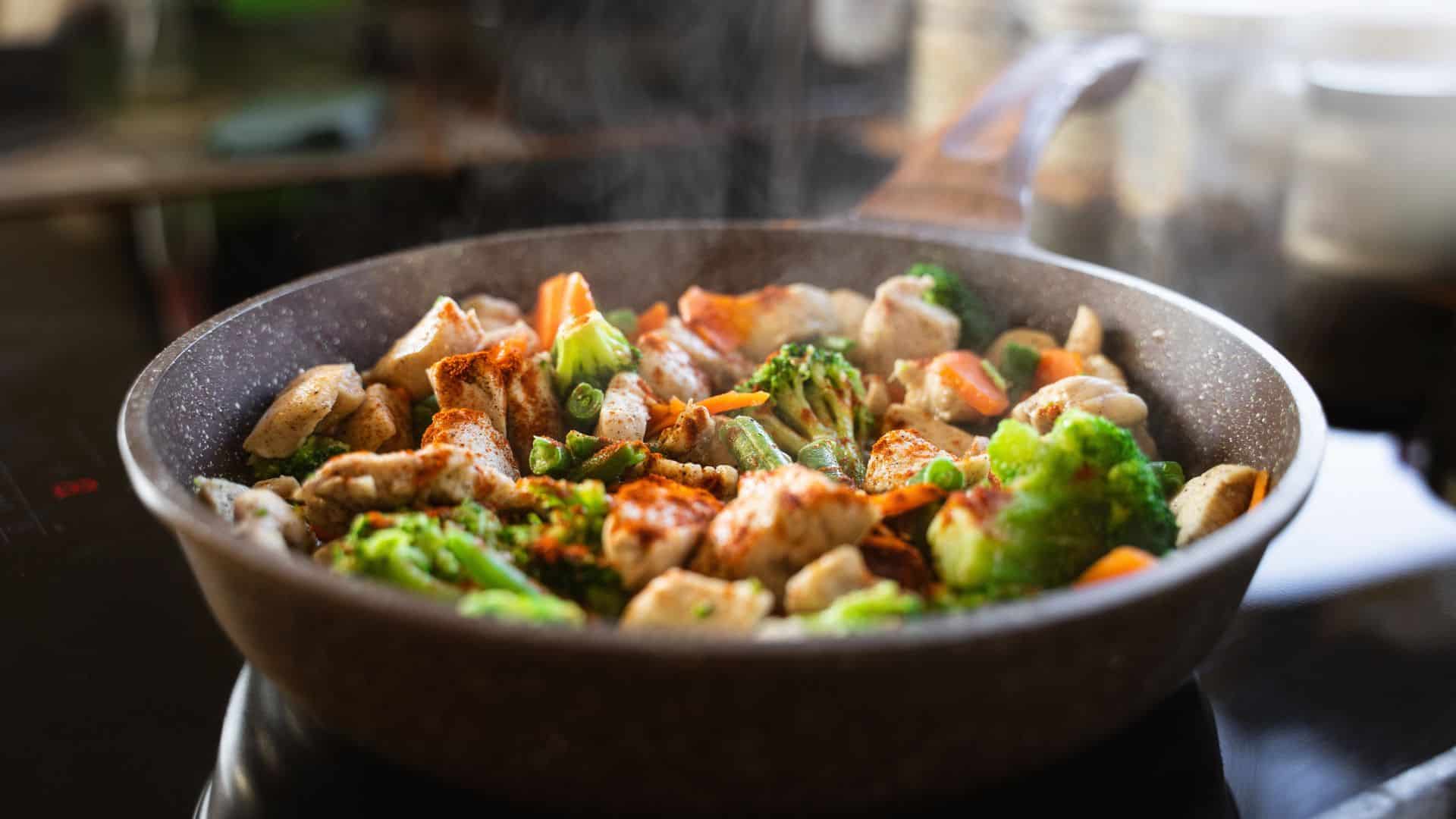
Using salt
One of the biggest differences between home cooks and professional kitchens is how seasoning is handled. At home, salt is typically added once, usually at the end. In restaurants, seasoning happens in layers from start to finish.
Salt does more than make food taste salty. It enhances natural flavors and helps ingredients release moisture at the right time. When you only season at the end, you’re trying to fix something that never developed properly in the first place.
Start by salting ingredients early. Season proteins before cooking. Add a pinch of salt when the vegetables hit the pan. Taste as you go and adjust gradually. You’ll notice flavors becoming more balanced instead of flat or one-dimensional.
Using fat
I used to make this mistake all the time! If your food tastes a little dull or “missing something,” it’s often fat.
Restaurants are not shy about using butter, oil, or cream, and there’s a reason for that. Fat carries flavor and helps ingredients brown properly. It also gives food a rich finish that’s hard to replicate with minimal oil.
This doesn’t mean you need to overdo it, but be intentional about it. If you’re sautéing vegetables, make sure the pan has enough oil to lightly coat them. When finishing a sauce, a small bit of butter can smooth everything out and bring flavors together.
Even something as simple as drizzling good olive oil over a finished dish can make it taste more complete.

Heat control
Most home cooking happens over medium heat by default, which feels safe but often results in missed flavor.
Restaurants rely heavily on high heat when it matters. That golden crust on a steak, the deep browning on roasted vegetables, the caramelized edges on proteins. Those all come from proper heat.
If your food looks pale or soft instead of golden and crisp, the heat is probably too low, or the pan is overcrowded.
Let your pan preheat fully before adding ingredients. Cook in batches if needed, so everything has space. Don’t move or remove food too quickly. Browning takes time and contact with heat.
At the same time, know when to lower the heat. Sauces and finishing steps often require a gentler touch. Since I learned this rule, I really use medium heat.
Prep work is key
In professional kitchens, prep is everything and usually done well ahead. At home, it’s often rushed or overlooked.
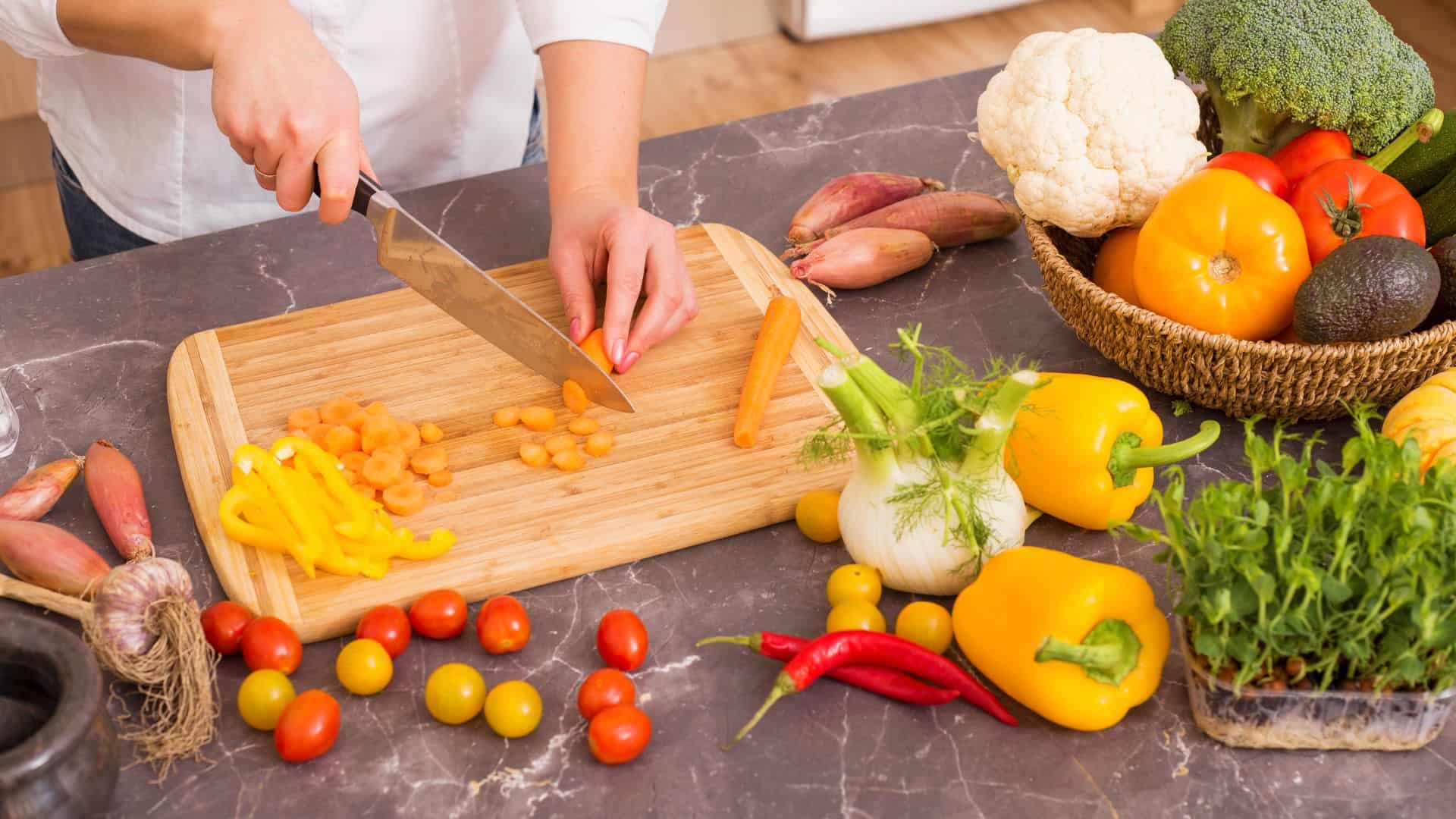
The way ingredients are cut and organized directly affects how they cook. Uneven cuts mean uneven cooking. Excess moisture prevents browning. Even the temperature matters. Cold or half-frozen ingredients will cook differently and can easily ruin the taste and texture.
Take a few extra minutes to cut ingredients into uniform sizes so they cook evenly. Pat dry proteins and vegetables before cooking to help them sear rather than steam. Have everything ready before you start cooking so you’re not scrambling mid-recipe.
Build flavors
Another common issue in home cooking is adding everything at once and hoping it works out.
Restaurants build flavor step by step. Ingredients like garlic and onions go in first. Spices are often toasted briefly to bring out their depth. Liquids are added to deglaze the pan and capture browned bits. Each step adds something new, and this is actually very easy to try at home.
Try slowing down the process. Start with a base of aromatics. Let them cook until fragrant. Add the spices and let them bloom for a moment. Introduce proteins or vegetables in stages, rather than all at once.
This approach creates complexity without requiring complicated ingredients.
Finishing touches
This is one of the most overlooked differences between home and restaurant food, and it makes a huge difference!
Even a well-cooked dish can taste flat if it isn’t finished properly. Restaurants almost always add something at the end to brighten and balance the flavors.
Acidity is one of the most important elements here. A squeeze of lemon juice or even a spoonful of yogurt can cut through richness and make flavors pop. Fresh herbs add contrast and freshness that dried seasonings can’t replicate. A final pinch of salt can sharpen everything.
Think of finishing touches as the final adjustment that brings everything into focus.
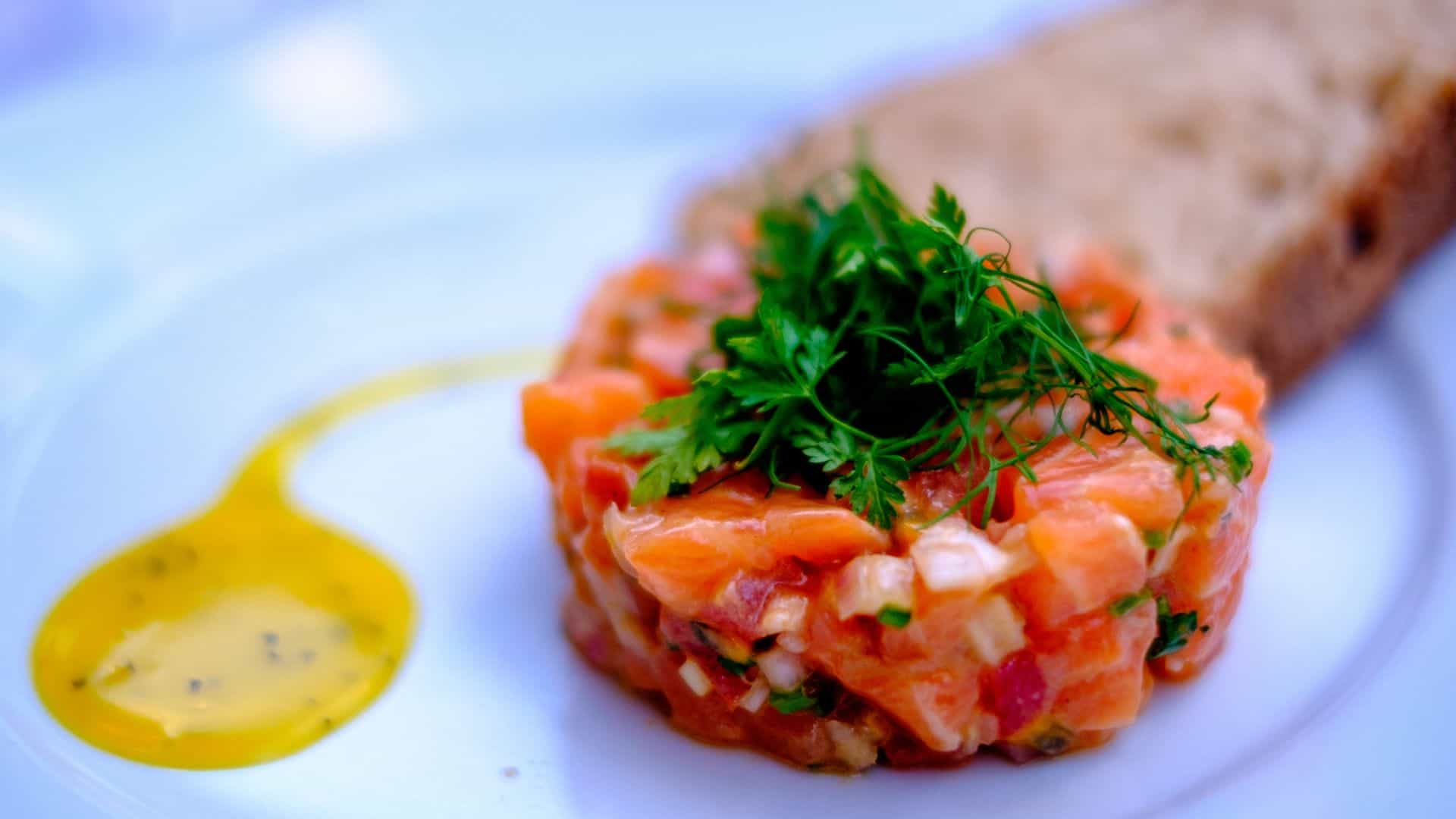
Restaurant food is served at the exact temperature it’s meant to be eaten. At home, food often sits too long before serving, which dulls flavor and texture.
This is the hardest part. But to achieve restaurant quality, hot food should be hot. Crispy food should stay crisp. Sauces should be warm enough to coat properly.
Presentation changes how food is experienced
Even though this doesn’t directly change flavor, it changes how we perceive it. Restaurants pay attention to how food looks on the plate. There’s contrast, structure, and a sense of intention. At home, food often gets piled onto a plate without much thought.

You don’t need anything complicated. Wipe the edges of the plate. Arrange food instead of stacking it randomly. Add a small garnish, such as herbs or a drizzle of sauce.
When food looks better, it feels more like a complete experience. It is my favorite trick that always gets lots of compliments.
Restaurant-quality food isn’t about kitchen gadgets or hard-to-find ingredients. It comes from consistent habits that build flavor at every step.
Leave a Reply