
Price differences at restaurants can feel confusing when you’re looking at two identical meals listed at two very different costs. Many people wonder why the same plate that feels affordable at midday suddenly jumps in price once the evening rolls around.
When you look past the menu and into the rhythms of customer demand, the logic behind those lunch-to-dinner changes becomes much easier to understand.

The story
A Reddit user started a discussion about why the exact same meal for lunch is so much cheaper than the same meal at dinner. They questioned the logic of charging less for lunch because the cost of preparing and serving it would be about the same per portion. They gave the example of a Longhorn Steakhouse burger and fries that cost $10 at lunch but $15 at dinner.
The post quickly drew over one hundred responses from people in the industry who had answers to the price-difference dilemma.
The reactions
One person said, "Every restaurant I've ever worked at that has cheaper prices at lunch has smaller portions at lunch time."
This is one of the biggest reasons restaurants charge lower lunch prices. The food and recipes are the same as at dinner, but in smaller portions. Guests can come eat during their lunch break without stressing or breaking the bank.
Another comment said, "It is to make up for the really slow times between lunch and dinner. Between 2-5pm or so, most restaurants are dead during the weekday, but they don't want to close and they don't want to send employees home so they try to get as much business on around lunch to make up for the early afternoon lull. This is also why a lot of places offer drink specials and happy hour between 4-7."
This is a logical plan and a great way for the restaurants to make extra money. It isn't easy to keep staff in the service industry, so not having to send them home between shifts keeps them working and the restaurant making money during lunch hours. The profit margin might be slim, but it's still a profit.

One use said, "It's to entice the daytime diners. They make up the food cost difference by charging more for the dinner diners, when volume is higher. It's like a place offering early bird breakfast specials."
We're not sure why more people don't eat lunch specials instead of going out for a big, expensive dinner at the end of the day. They do say that the early bird gets the worm.
Another comment was well thought out. "I agree with those saying the portions are smaller for the cheaper price, but sometimes restaurants accept smaller margins on lunch to get people in the door. A lot of owners are of the idea that getting people in the door for lunch for their first time will intrigue them to come back soon to try dinner. Almost like the happy hour mentality."
It's one of the best ways to build word of mouth. Get people in the door, feed them good food, charge a fair price, and hope they'll come back later and spread the word. It's worth trying, even at minimal profit, to get repeat customers.
Another popular comment was, "Lunch prices are to cover expenses only. Dinner prices are to cover profit as well."
That shows how big the price difference between lunch and dinner is. People go out to eat for dinner to dine and relax. They're just put in a hard day's work, and they're ready to sit, eat, and drink. This means they're spending more time at the restaurant and likely spending more money while they're there. The higher dinner prices really add up when people are there for quite some time. Lunch is the opposite. People have a very short window to dine for lunch, so they view the shorter timeframe as a lower price.
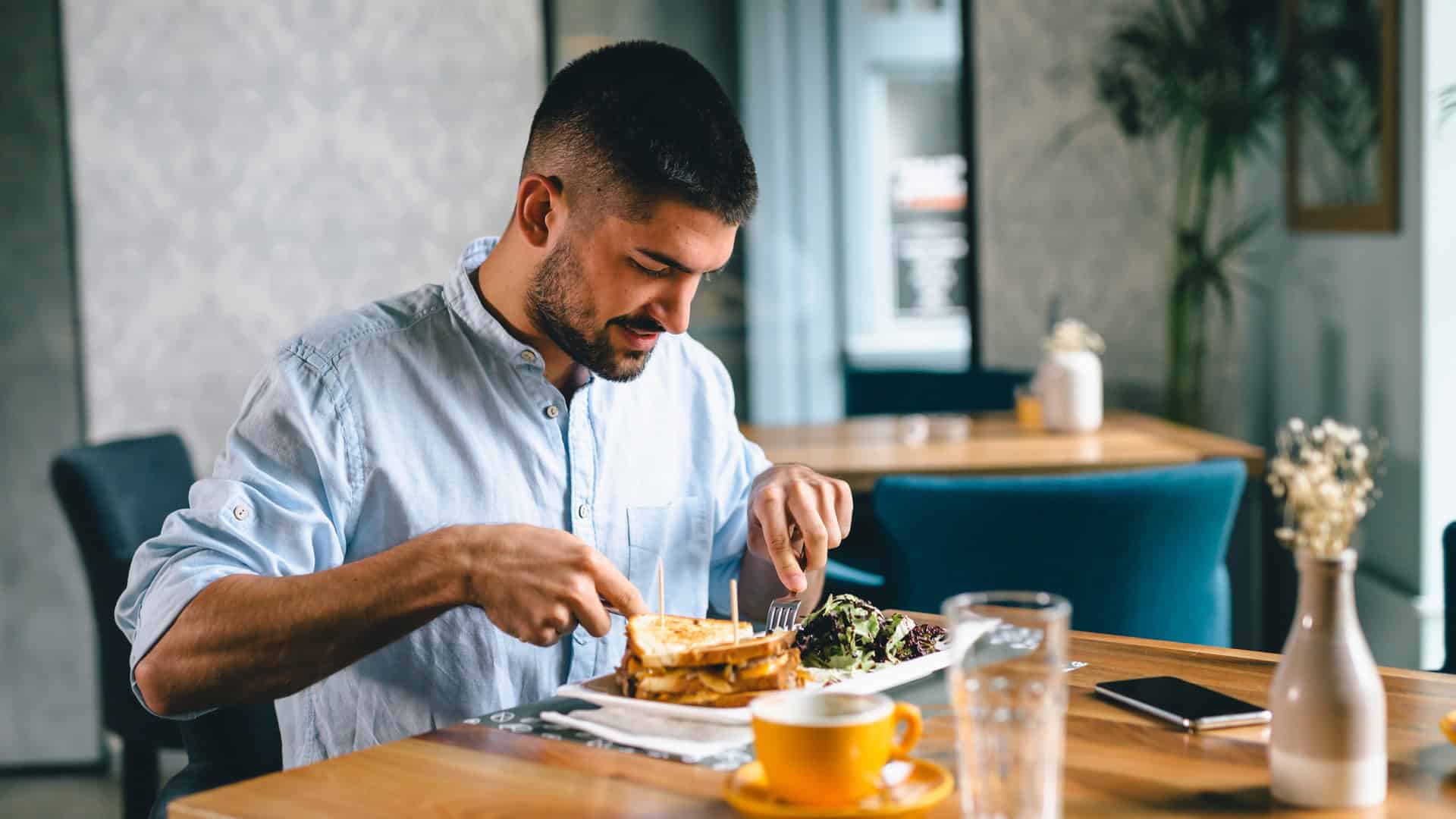
Another comment said, "For the seniors."
Seniors eat out for lunch more often than dinner because it's earlier in the day and better fits their schedules and daily lives.
Lastly, an insider view on the lunch prices vs. guest turnaround: "Typically, smaller portions and more limited options. Most restaurants I have worked at have had a limited lunch menu with seven or so options. Since you have limited options, you can prep more of only what you need. That would mean less direct labor and a quicker turnaround. Most guests have 30 minutes to 1 hour total for lunch".
Why lunch pricing works
According to US Foods, 53% of consumers eat lunch away from home. This means that lower lunch prices are likely enough of an incentive to get them out of the house or workplace and have someone else make their lunch.
Lunch pricing works because it aligns with how customers use restaurants during the day and how operators manage slower periods. Midday diners typically have limited time and are less likely to order extras, so lower prices help maintain steady traffic without expecting high spending. For restaurants, attracting lunchtime customers offsets slow early-afternoon hours and keeps staff occupied between shifts.
The model also encourages first-time visitors who may return for dinner, where margins are higher. Combined, these factors make discounted lunch menus an effective way to balance demand and maintain daily revenue.
Leave a Reply