
I have spent years working with couverture chocolate, and the difference between a silky ganache and a seized, grainy mess almost always comes down to what you started with. The good news is that excellent chocolate is more accessible than most people think.
What actually makes chocolate melt well
There is a moment every baker knows: you have chopped your chocolate, set your bowl over simmering water, and watched it begin to melt. When it goes right, it flows like warm silk. When it goes wrong, it seizes into a dull, lumpy paste that no amount of stirring will save. That moment of success or failure is largely determined before you ever turn on the stove. It is determined at the point of purchase.
The science is simple once you know it. Chocolate is an emulsion of cocoa solids, sugar, and fat, held together by cocoa butter. The cocoa butter is everything. It is the fat that gives chocolate its gloss, its snap, and its ability to melt cleanly at body temperature. High-quality chocolate contains a generous and consistent ratio of cocoa butter, which is why it behaves so predictably in the bowl.

Lower-quality chocolate often replaces some or all of the cocoa butter with vegetable fats, palm oil, or other cheaper alternatives. These substitutes do not behave the same way under heat. They create inconsistency in the melt and contribute to that chalky, greasy texture that clings unpleasantly to the mouth. Compound chocolate, which is the category that covers most chocolate chips and baking wafers sold in ordinary grocery stores, is built on this substitution. It is designed to be easy and stable, not to taste extraordinary or melt like a dream.
The other factor is the percentage of cacao. A higher percentage generally signals a higher proportion of cocoa solids and cocoa butter relative to sugar. But percentage alone is not the whole story. A 70 percent bar from a carefully sourced, well-processed maker will perform completely differently from a 70 percent bar from a brand cutting corners in the conching process.
What I use and why
For most of my recipes, Callebaut is my standard. It is a Belgian couverture chocolate widely used in professional pastry kitchens, and its consistency is the main reason I trust it. Couverture chocolate must contain a minimum percentage of cocoa butter by definition, which is why it flows so smoothly when tempered and sets with that satisfying snap and sheen.
The chocolate is sold in callets, small, drop-shaped pieces that melt evenly and quickly, which is an underrated convenience when you are working at volume. It is available at restaurant supply stores and, increasingly, online retailers for home bakers who want to work with the same ingredients professionals use.
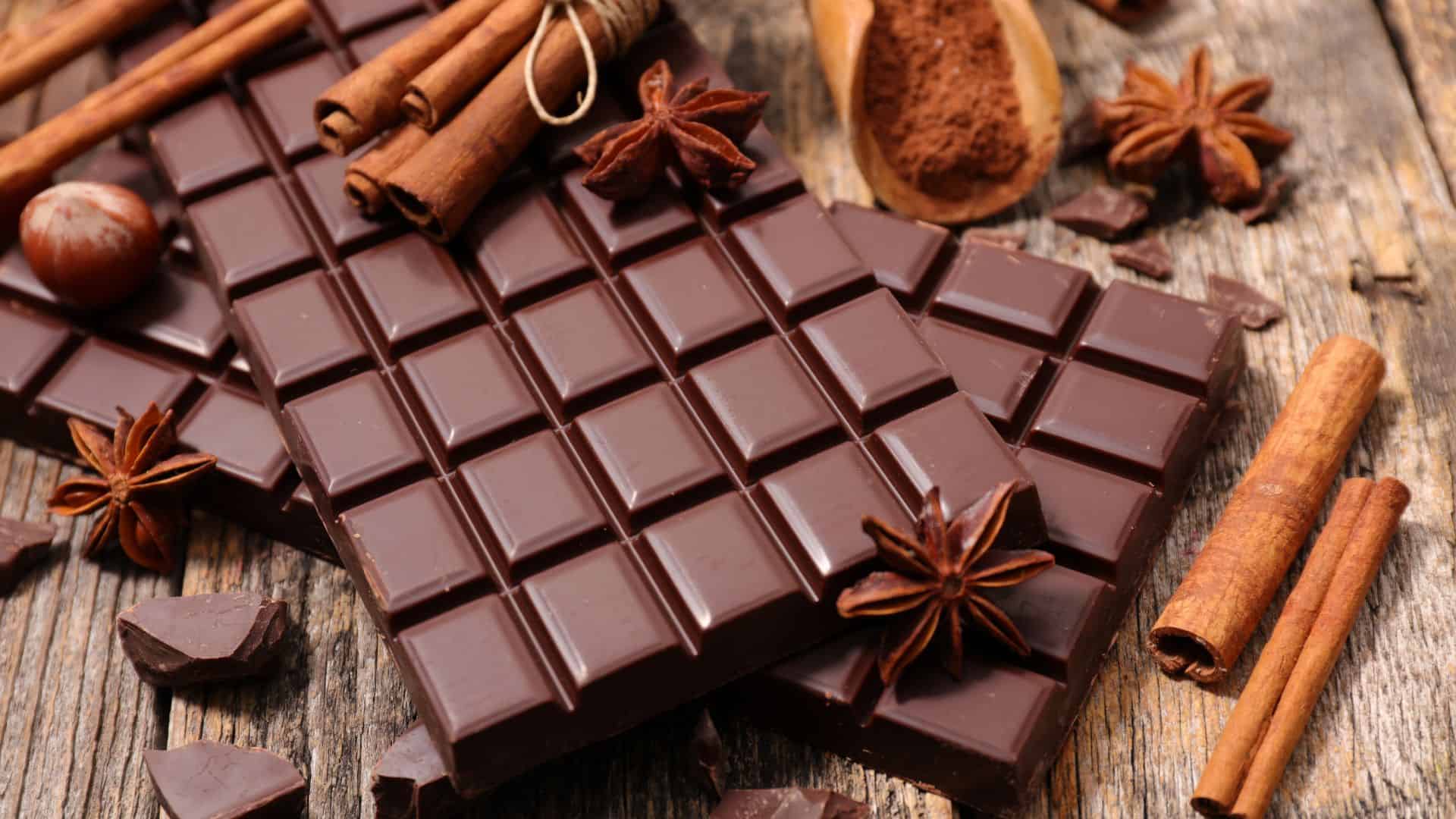
For home bakers who do not want to order in bulk or hunt down a specialty supplier, there are two options I recommend without hesitation. Lindt Excellence bars, particularly the 70 percent and 85 percent dark varieties, are made with real cocoa butter and melt with real elegance. They are available in most grocery stores, they are affordable, and they behave beautifully in ganache, mousse, and chocolate sauces.
Ghirardelli is the American answer to the same question. Their baking bars and premium chocolate squares contain genuine cocoa butter and sufficient cacao content to perform well in most home-baking applications. The Ghirardelli 60 percent bittersweet baking bar, in particular, has earned its place as a pantry staple for good reason.
What to avoid and how to tell the difference
Reading a label takes thirty seconds and will save you more frustration than almost any other habit you can develop as a baker. The ingredient list should lead with cocoa mass or chocolate liquor, followed by sugar and cocoa butter. If you see palm kernel oil, partially hydrogenated vegetable oil, or simply "vegetable fat" early in that list, put it back. That is a compound product, and it will not melt the way you want it to.
Texture at room temperature tells you something, too. Real chocolate with a high cocoa butter content snaps cleanly when broken. Compound chocolate tends to bend slightly or crumble unevenly. The aroma is another tell. Good chocolate smells complex, almost fruity, with depth. Cheap chocolate smells flat, sweet, and one-dimensional.
And the moisture
Graininess in melted chocolate is driven by two factors: poor-quality fat composition, as described above, and moisture. Even a small amount of water introduced into melting chocolate can cause it to seize. This is why bowls, spatulas, and everything else that comes into contact with your chocolate need to be completely dry.
But with high-quality chocolate, you have far more margin for error. The better the chocolate, the more forgiving it is. That alone is reason enough to invest in the right bar from the start.
Leave a Reply