
There is something special about a great backyard barbecue. People gather outdoors, food comes off the grill throughout the afternoon, conversations flow naturally, and nobody seems to be in a rush to leave. The host appears relaxed, guests help themselves, and the entire event feels easy.
Then there are the other kinds of BBQs.
The host spends the entire day running around, food comes out at random times, guests constantly ask where things are, and small problems seem to pile up, leaving everyone feeling a little overwhelmed. The menu might be just as good, but the atmosphere is completely different.
Too much ambition can ruin the fun
Many hosts fall into the trap of trying to do everything. They want to smoke ribs, grill burgers, prepare five side dishes, mix signature cocktails, set up lawn games, make homemade desserts, and somehow still have time to socialize. I used to be one of them!
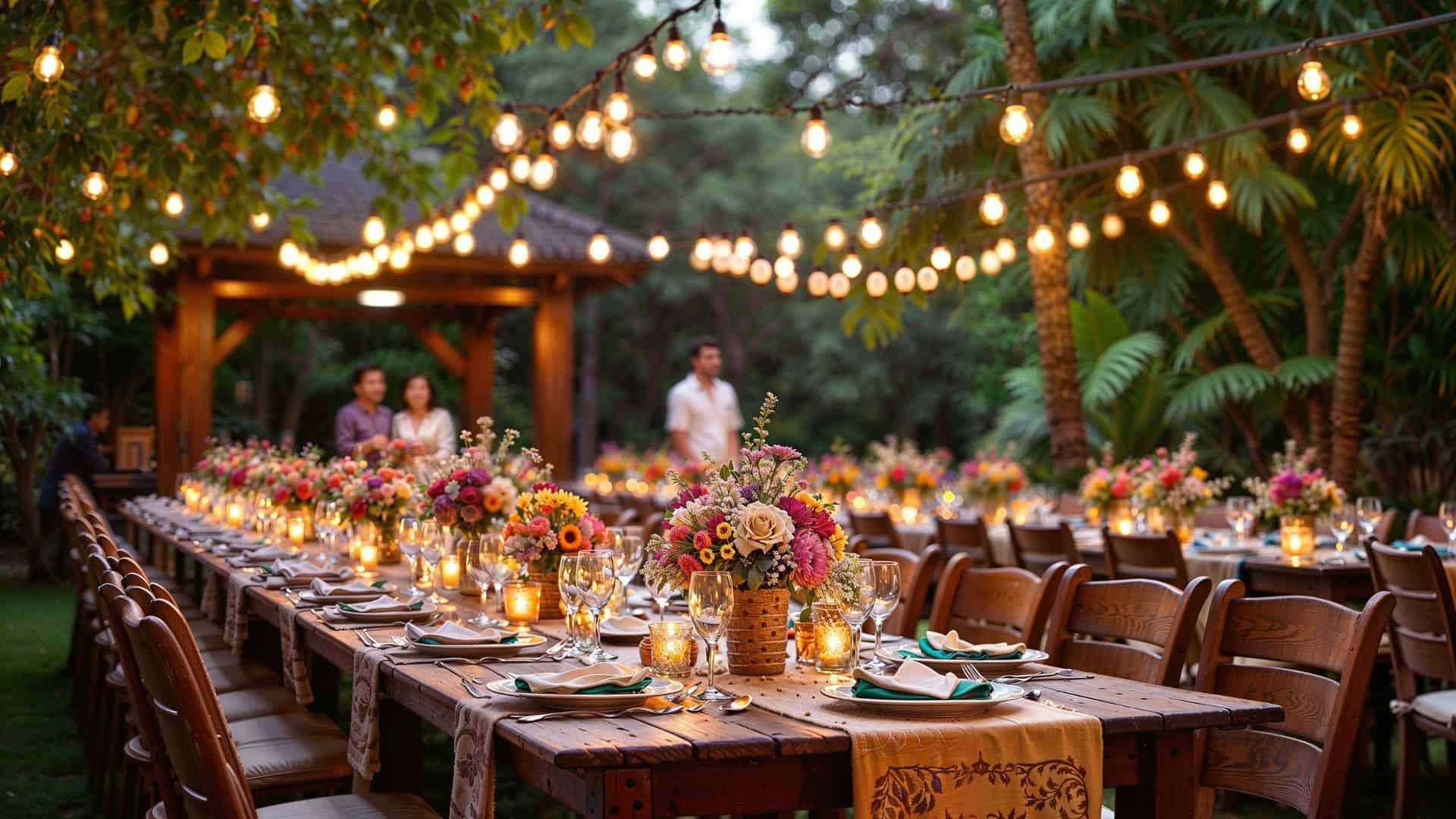
While it sounds impressive in theory, it often creates unnecessary pressure. Every additional task adds another opportunity for something to go wrong.
The most enjoyable BBQs usually have a surprisingly simple menu. A few well-executed dishes often create a better experience than a table overflowing with options that require constant attention.
Guests notice the atmosphere more than the menu
Most people remember how an event felt long after they forget what was served. A relaxed host tends to create a relaxed gathering. When the person organizing everything is laughing, talking, and enjoying themselves, guests naturally settle into the same mood. On the other hand, a stressed host can unintentionally make everyone feel like they are in the way.
People rarely leave a BBQ talking about whether there were six side dishes or eight. They are much more likely to remember good conversations, a welcoming atmosphere, and a pleasant afternoon spent with friends and family.
Preparation matters more than cooking skill
A common misconception is that successful BBQs depend on being a talented cook. In reality, preparation often plays a much bigger role. The hosts who seemed calm usually did most of the work before anyone arrived. Vegetables are chopped, serving dishes are ready, drinks are chilled, and ingredients are organized.

This allows them to focus on cooking and spending time with guests instead of constantly searching for utensils, refilling supplies, or rushing through unfinished tasks. The less work left for the day of the event, the smoother everything tends to run.
Complicated timing creates unnecessary pressure
One of the biggest sources of stress is trying to serve too many foods that all need attention at the same moment. Different cooking temperatures, multiple batches of food, and dishes with narrow serving windows can quickly turn a relaxing afternoon into a logistical challenge. Suddenly, the host is watching timers instead of talking to people.
The best BBQ menus often include foods that can be prepared in stages. Guests are usually happy to eat gradually throughout the day rather than waiting for every item to be ready simultaneously.
People enjoy helping more than you think
Some hosts refuse all offers of assistance because they want everything done perfectly. While that approach may seem helpful, it often creates extra work and leaves guests feeling less involved. Most people are happy to carry drinks outside, refill ice, arrange serving plates, or bring food to the table when asked.
Barbecues tend to feel more relaxed when they become a shared event rather than a one-person production. A little help can significantly reduce stress while making guests feel more connected to the gathering.

Perfection is the enemy of a good BBQ
Outdoor entertaining comes with variables that nobody can fully control. The weather changes unexpectedly. Food takes longer than planned. Someone arrives late. A side dish gets forgotten in the refrigerator. These things happen at almost every gathering.
The hosts who appear calm are often the ones who accept minor imperfections instead of fighting them. They adapt, laugh off small mistakes, and keep the focus on the people rather than the details.
Comfortable spaces encourage people to stay
The most memorable BBQs often have very little to do with food. Guests tend to linger when there are comfortable places to sit, shaded areas during hot afternoons, and enough room for people to move around naturally. A welcoming environment encourages conversation and makes people feel at home.
Even simple additions like extra chairs, outdoor lighting, or a few shaded spots can dramatically improve the overall experience without adding much work for the host.
The best gatherings feel natural
When people describe a barbecue as successful, they rarely mention flawless execution. Instead, they talk about how easy everything felt. The food arrived when it was ready. Conversations happened naturally. Guests felt comfortable helping themselves. Nobody seemed rushed, and nobody was keeping score.
That effortless feeling is usually the result of thoughtful planning, realistic expectations, and a willingness to prioritize people over perfection. In the end, the best BBQs are not the ones with the most elaborate menus or decorations. They are the ones where everyone, including the host, actually gets to enjoy the day.
Leave a Reply