
Some people argue over whole eggs versus egg whites, but another debate in the grocery aisle confuses people: brown eggs or white? Many shoppers buy whatever brand they trust, while others always reach for the white egg carton, and some go for brown eggs, thinking they are healthier. But, is there any difference between the two?
Is there really a difference between white and brown eggs?
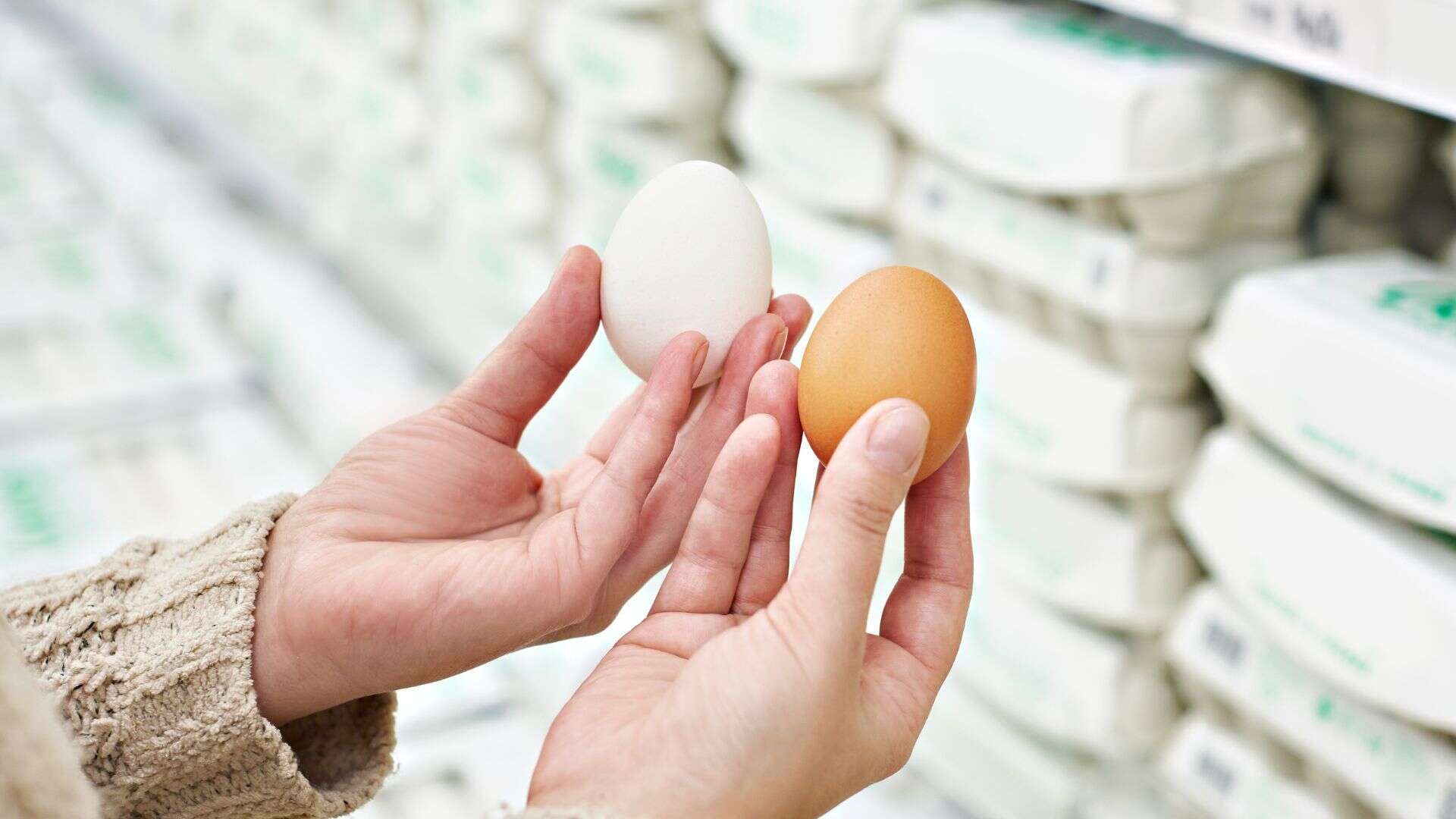
So are they different? The only real difference between white and brown eggs is the breed of the hen. White-feathered hens, like White Leghorns, lay white shelled eggs. Reddish-brown hens, such as Rhode Island Reds, lay brown eggs. The pigment is added to the shell as the egg forms, which is why the inside looks exactly the same while the shell’s color is different.
Research shows that brown-shell pigment varies with hens’ age, environment, and stress levels. Older hens often lay lighter-colored shells, and hens under frequent disturbance or with certain diseases may deposit less pigment. For all intents and purposes, shell color does not affect the nutritional value or culinary performance.
Do white and brown eggs taste different?
There is not much difference in taste between white and brown eggs. Flavor differences come from freshness and feed, not shell color. Eggs from local farms are often collected and sold within days, which can make the yolk taste richer and the texture firmer. Many of those farms keep brown-egg breeds, so people link the taste to the color.
Feeding also slightly affects the taste of eggs. Hens that forage outside and eat insects, greens, or a varied mix of grains may produce eggs that taste somewhat different from those raised indoors on standard feed.
Whether the shell is brown or white, eggs with similar freshness and handling will taste the same once cooked.
Are brown eggs healthier than white eggs?
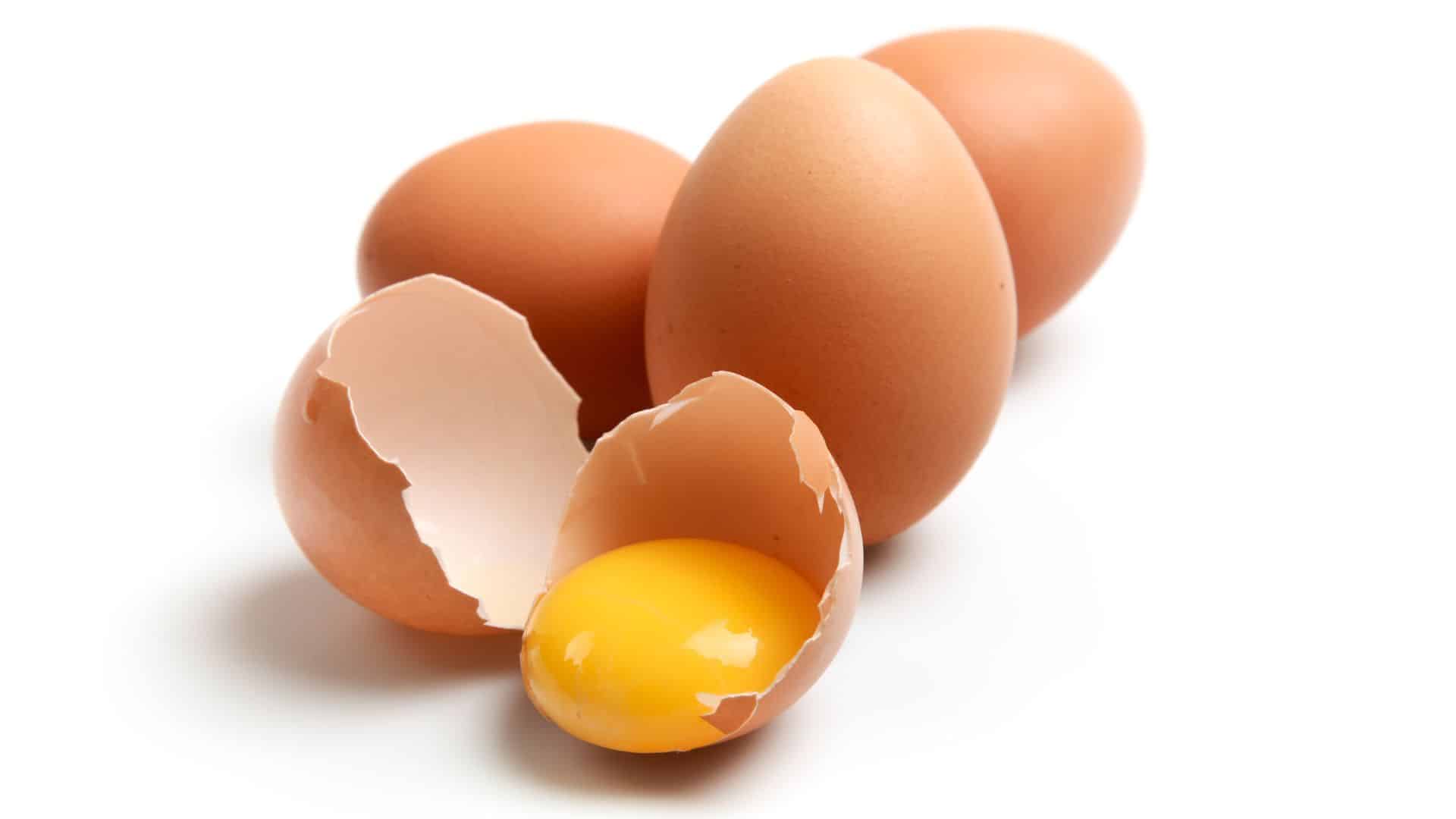
Many people believe that brown eggs are healthier than white ones, but that’s not true. The brown-shelled eggs aren’t inherently more nutritious than white-shelled eggs. Nutrient levels in eggs of different shell colors do not differ significantly.
The nutrient profile of an egg is influenced by the hen's diet and living conditions. Study show that hens that roam outdoors may produce eggs with higher vitamin D levels because of longer exposure to sunlight. Also, producers may enrich hens' feed with omega-3 fatty acids or other nutrients, which will affect the egg’s composition. Those modifications are independent of shell color.
When comparing plain brown and white eggs of the same size and from the same conditions, there’s no appreciable health advantage linked to shell color.
Why are white eggs cheaper than brown eggs?
The breeds behind each color explain the price difference. White-egg hens, such as Leghorns, are smaller birds that eat less and lay more eggs. Brown-egg hens are larger and need more feed to produce fewer eggs over the same period. The cost of feeding and housing them adds up. That’s why white eggs dominate commercial production as they’re cheaper to produce in bulk.
Brown vs. white eggs: which is better for baking and cooking?

There’s no difference in how either performs in the kitchen. The color of the egg doesn’t affect flavor or texture once you start cooking.
When it comes to baking, the age of your eggs really does matter, but not in the way most people think. Fresh eggs have thicker whites and stronger structure, which is great for poaching or whipping into meringue.
But for cakes and cookies, slightly older eggs actually perform better. They mix more evenly, trap air more easily, and help create a lighter crumb.
For perfect macarons, many bakers swear by “aging” their egg whites, and for good reason. Letting the egg whites rest uncovered in the fridge for 24–48 hours (or loosely covered for up to 3 days) helps some of their moisture evaporate and weakens the albumen’s structure. This makes them whip more consistently and form a stable meringue with smaller air bubbles, giving macarons smoother tops and fuller feet.
How to pick the best eggs at the grocery store
Egg quality depends on how the hens live and what they are fed. The shell color does not change the nutrients inside. Here is what you should know about types of eggs and how to choose the best ones.
Conventional eggs
Conventional eggs are what people see first at the store. The hens live indoors in crowded barns and eat cheap feed that can include additives and chemicals. Many are also given hormones and antibiotics. The feed quality and living conditions are poor, and that affects the eggs, too.
Free-range
On big farms, free-range can mean there’s a small fenced area or just a door that opens to a tiny outdoor space. There might be thousands of chickens in one building, and only a few ever get outside. The label looks good on the carton, but it doesn’t make much difference.
Organic
Organic eggs come from hens that eat certified organic feed. Their feed doesn’t contain hormones, antibiotics, or arsenic. Their diet is cleaner, and the farms follow stricter rules. It’s a better option if you want eggs that come from hens raised on safer feed.
Pasture-raised
These hens actually live outdoors and eat grass, bugs, and other natural food. Their yolks are darker, and the eggs have more nutrients, such as omega-3s, folate, and higher levels of vitamins A and E.
Choosing the eggs in the store
At the store, look for cartons labeled organic pasture-raised. This label means the hens were raised outdoors, fed clean food, and not given hormones or antibiotics. These are the highest-quality eggs available.
The bottom line
Egg color doesn’t decide its quality and taste. What counts is how fresh they are and how the hens were raised. Whether you’re using them for baking or cooking, both brown and white eggs work the same way.
If you want healthier eggs, look for labels like organic or pasture-raised and always check the date before buying.
Leave a Reply