
Working in a kitchen changes how you look at food. Once you’ve done it for years, you stop seeing meals the same way you used to. You think about prep times, food costs, and how many hours someone stood over the grill to make that one plate. Recently, someone online asked chefs what the job had ruined for them.
The story
A chef asked the Reddit community what being a chef in the industry has ruined for them forever. Chefs couldn’t resist sharing their responses. The question got hundreds of replies from people who’ve spent years behind the line, sharing what the work really does to your appetite and patience.
The reactions
One chef said they can’t enjoy certain restaurants anymore. “Steakhouses and Italian restaurants.” Another person added, “I have this problem primarily with steakhouses. I’ve never gotten a steak from one that I didn’t think I could make it better for a quarter of the price.”

Once you’ve cooked hundreds of steaks a week, it’s just impossible to be impressed by a restaurant version that costs a lot. You know how little effort it takes to get it right. Some chefs even said that the most expensive places are often the easiest to predict; same butter baste, same sear, same presentation. And when you’ve done it yourself so many times, it’s impossible not to look at the plate and think, “I could have made that better at home.”
Then some chefs shared how they don’t like dining out anymore. One person added, “Eating at other restaurants. Fast food, I can still enjoy, but going out to a proper restaurant and enjoying it is a no for me.” Another said, “I can’t turn my restaurant brain off. I get irate paying 30+ bucks for a dish I felt wasn’t up to par.”

A lot of people working in kitchens say the same thing. They look at every detail, the timing, the ingredients, how something was plated, and even how the server handles it. It’s hard for chefs to visit a restaurant without noticing all these details.
But fast food? That’s still fine because you know what to expect. It’s quick, cheap, and consistent, no matter how many times you visit.
Someone said they struggle to be patient among others who are not chefs, “Being able to stay calm in the kitchen with people who aren’t chefs. Fighting the urge to explain why this knife is made for meat and not for peeling potatoes or opening a can. Staying focused, resisting the need to give advice that will inevitably turn into an argument.”

Chefs are trained to use kitchen tools properly, such as sharpening knives, organizing stations, and keeping everything in order. Watching someone use the wrong tool or cook too slowly drives them crazy, not because they’re snobs, but because their brains strive for efficiency.
I once helped a friend who used to be a sous chef. We were making soup. She couldn’t stop adjusting my cutting board, reorganizing my ingredients, and explaining how the pan needed to be hotter. She wasn’t trying to be controlling. She just couldn’t unlearn her habits. I have the same habit when baking with other people. I can't help myself adjusting their folding technique and commenting not to overbake the desserts!
One chef shared an ingredient that has ruined it for them forever, and they could never look at it the same way: “Mayo. Intellectually, I know what mayo is made of. That’s different than making 24 gallons of the stuff a day. Seeing just how much of it is just straight oil ruined the stuff for me.” Once you’ve made something repeatedly in batches, you can’t keep liking it.
Then someone shared a bitter truth about being a chef: “Cooking for myself disgusts me.” Plenty of chefs in the thread agreed. When you spend all day cooking for others —tasting, adjusting, repeating the same motions —by the time you’re home, the last thing you want to do is turn on the stove again. Once something becomes your job, it’s hard to enjoy it for fun anymore.
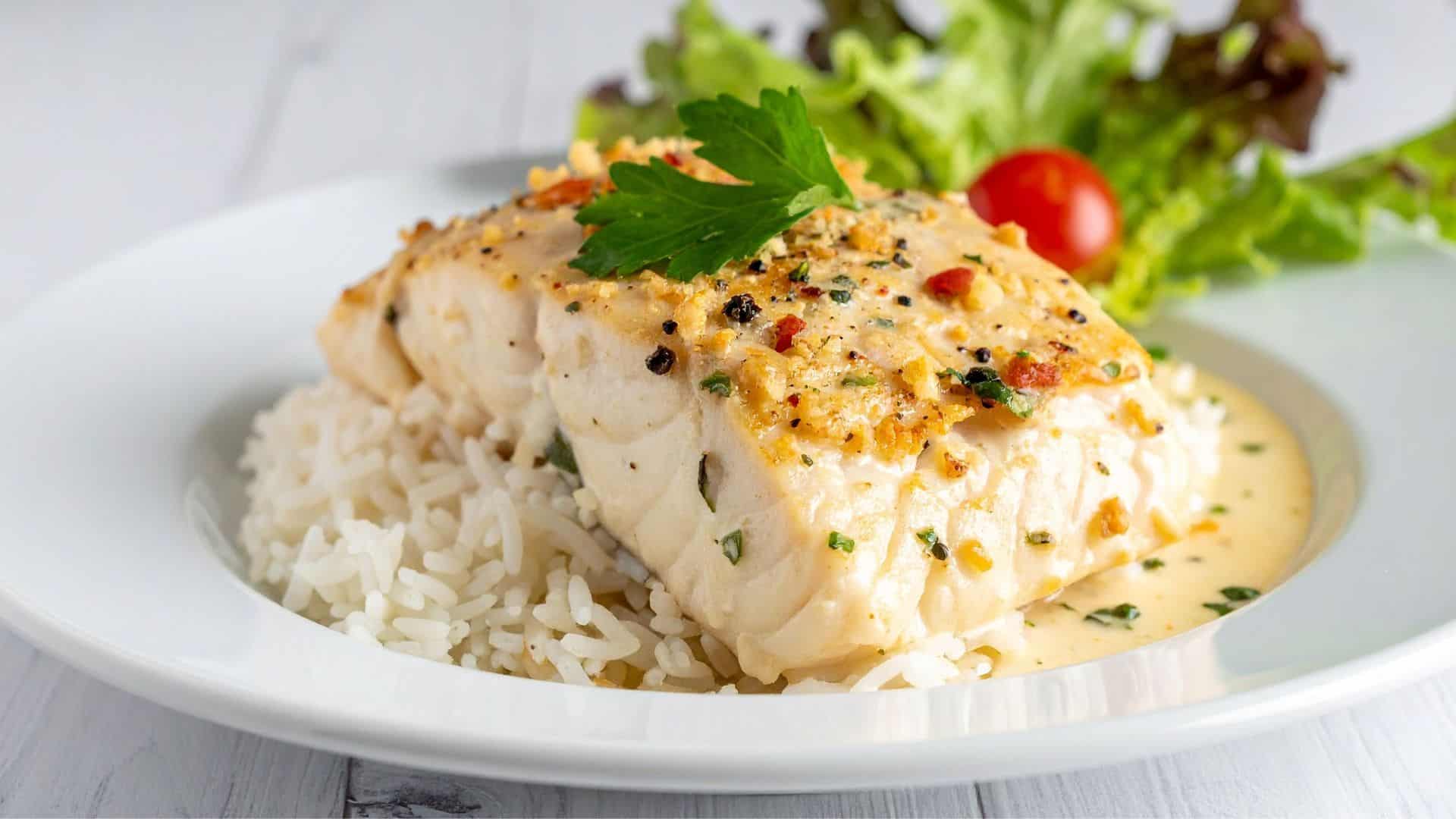
Then someone talked about cod fish, “Cod fish. Every time I watch people eat it, I have to restrain myself from telling them about how many worms I have seen while candling cod, how so many cod fish in our area have worms, and how I know for a fact not every restaurant is taking the time to remove them. I know if they’re cooked, they are technically safe to eat, but I just can’t get the image out of my head.”
Chefs see the unfiltered version of ingredients before the plate reaches the table. They know precisely what gets adequately cleaned and what doesn’t. Once you’ve seen all that up close, it’s hard to pretend it’s fine when you see someone else ordering it.
One chef gave the shortest answer of all: “People.”
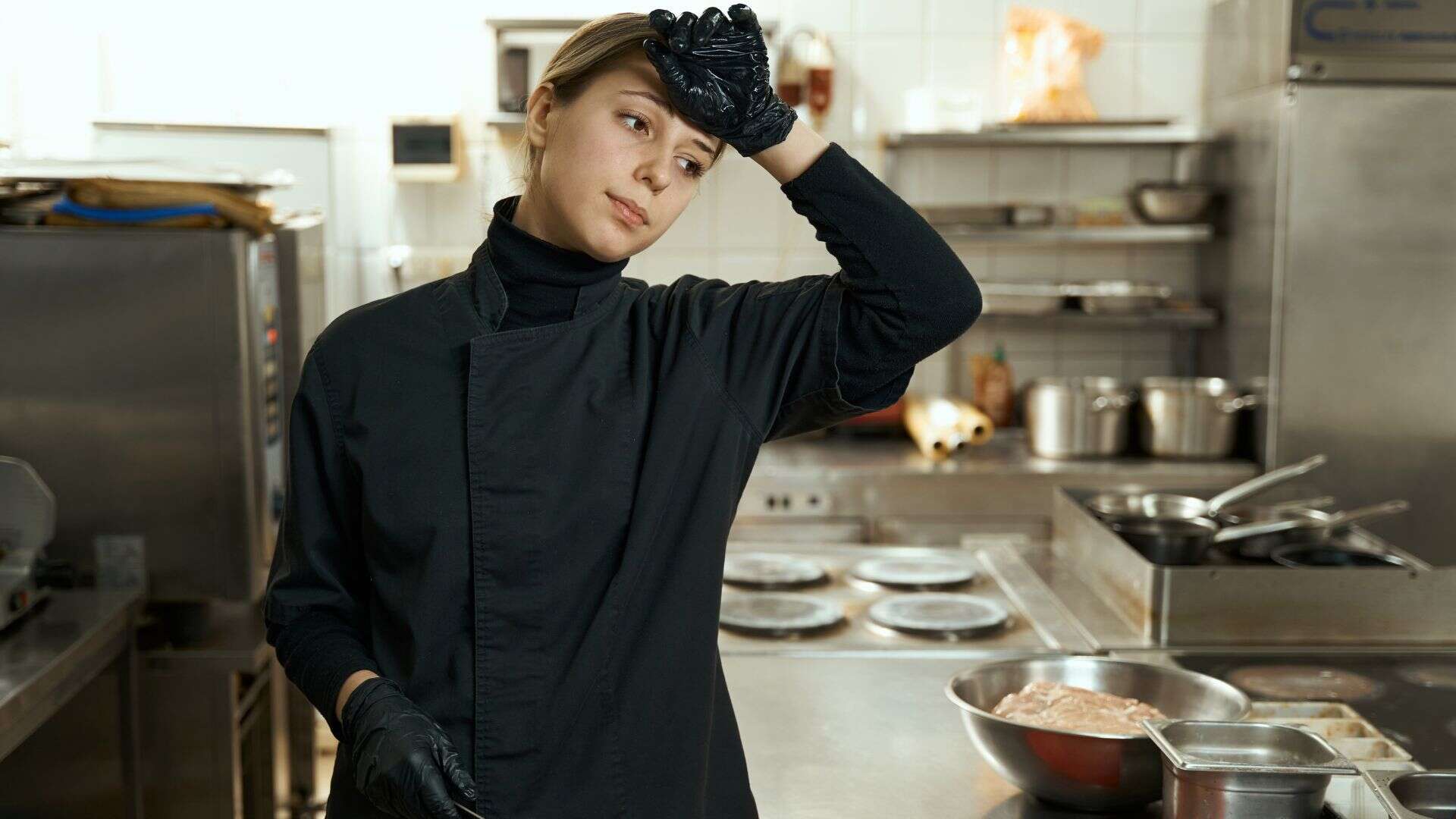
Behind the food and the plating, there’s the human side of restaurant life.
Working in restaurants means long hours, constant pressure, and customers who can make or break your night. Others talked about coworkers snapping at each other during service, managers pushing impossible targets, and customers being rude for no reason. After years of kitchen work, it’s easy to lose patience with people; not just at work, but everywhere.
The takeaway
The thread showed how cooking for a living wears you out. After years of long hours in the kitchen, constant pressure to do it right, and juggling multiple tasks, many chefs don’t feel as excited about food anymore.
For many, it’s hard to eat like a normal person again. You look at a dish and wonder how it was made, if it’s worth it, and how you’d do it differently. Maybe that’s why so many chefs end up craving the simple food that they can enjoy without thinking about the recipe.
Leave a Reply