
Christmas dinner often feels like the finish line. The cooking is done, the table is cleared, and the fridge is packed. Then the quiet stretch after the holiday arrives, and suddenly the leftovers feel less exciting than they did the night before.
That post-Christmas window is one of the easiest times to feed your household well with minimal effort. Most of the hard work has already been done. With a bit of planning, those holiday leftovers can stretch into several satisfying meals that feel intentional, not repetitive.
The key is to stop thinking of leftovers as reheats and start treating them like ingredients. Below are simple ways to turn Christmas foods into an entire weekend of meals.

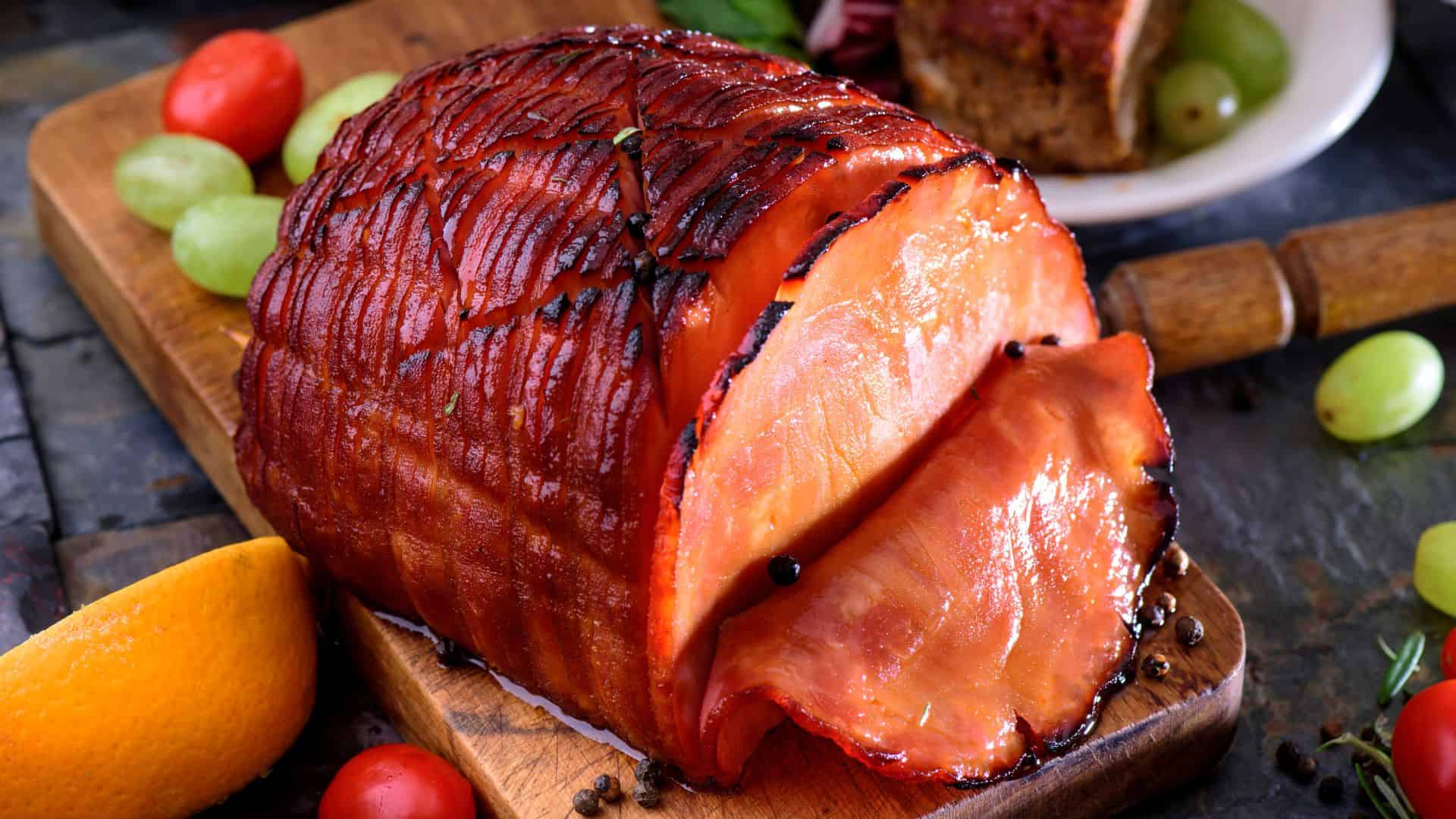
Leftover ham
Ham is often one of the longest-lasting Christmas leftovers. It holds up well for several days and works for breakfast, lunch, and dinner without much adjustment.
One of the easiest ways to use leftover ham is to dice it into small pieces. Smaller pieces feel less like leftovers and more like an add-in. Once chopped, ham can be folded into scrambled eggs or breakfast casseroles for a low-effort morning meal.
For lunch, ham works well in grilled sandwiches or simple pasta salads. Adding a bit of mustard or a creamy dressing helps change the flavor profile so it does not feel like the same meal repeated.
At dinner, ham can anchor soups and one-pan meals. Toss it into a pot with broth and pasta or beans. Even a simple soup feels hearty when it includes a smoky protein.
Pro tip: If the ham is glazed or sweet, balance it with something acidic, such as mustard or pickles, to keep the meal from tasting overly rich.
Leftover turkey
Turkey is often associated with one thing: sandwiches. While those are easy and familiar, turkey is far more versatile than it gets credit for.
Shredded or chopped turkey works well in saucy dishes where it can absorb flavor. It works well for skillet meals or quick stovetop pasta dishes. Adding gravy or a small amount of cream helps keep it moist.
For lighter meals, turkey can be used in salads or grain bowls. Pair it with roasted vegetables or leftover stuffing croutons to give it structure and texture.
If you want a fresh dinner, turkey is ideal for simple soups. A basic broth with onion, carrot, celery, and turkey comes together quickly and is easy to stretch over multiple meals.
@tinekeyounger shows how to use leftover turkey to make a delicious soup.
Mashed potatoes
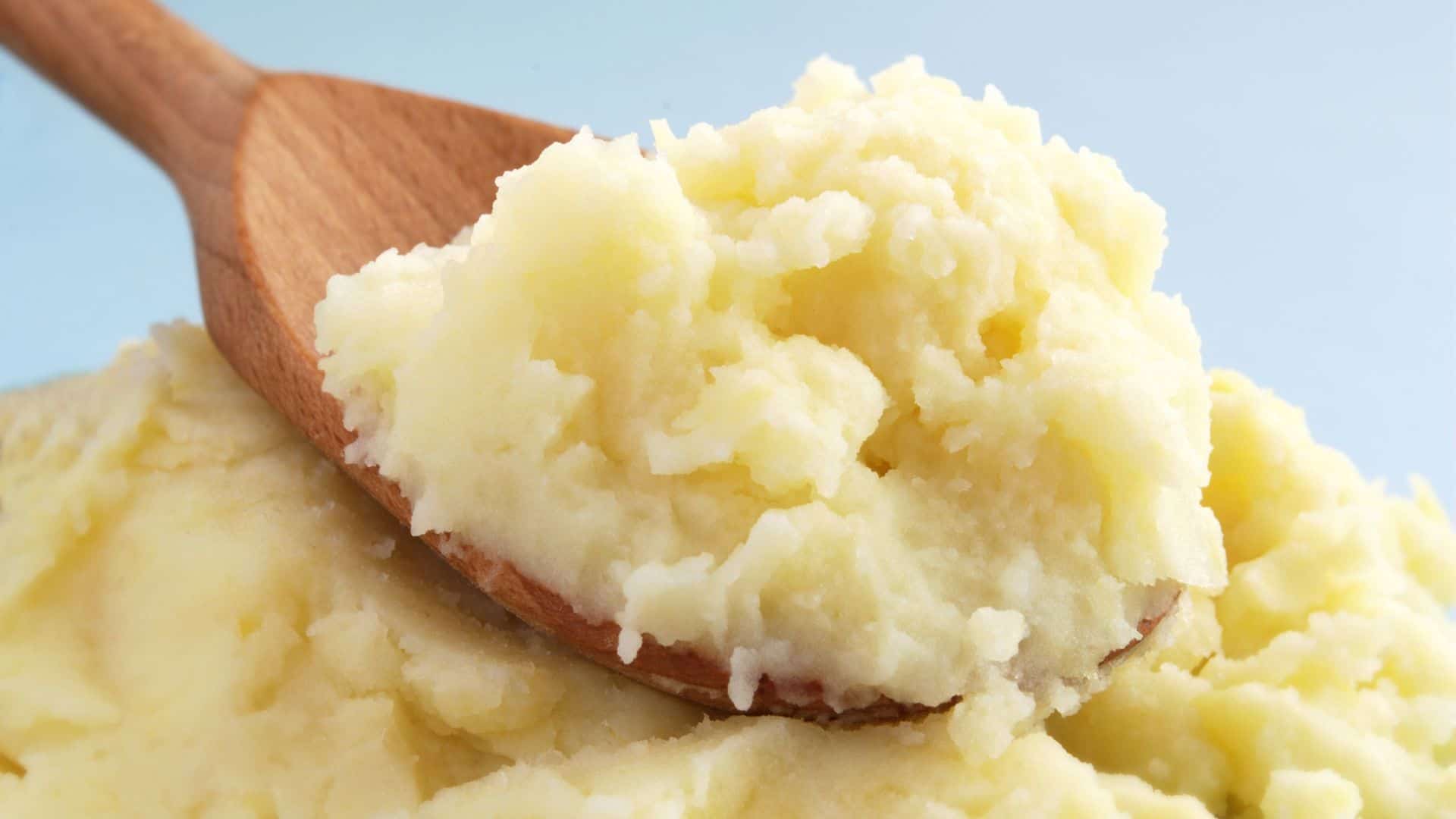
Mashed potatoes are often overlooked after the holidays, but they are among the most versatile leftovers in the fridge.
Cold mashed potatoes can be transformed into potato cakes or patties with minimal effort. A bit of egg or cheese helps them hold together, and they crisp up nicely in a skillet.
They also work well as a topping. Spread them over leftover turkey or ham in a baking dish and bake until warmed through for an easy shepherd's-pie-style meal.
For a quick lunch, mashed potatoes can be thinned with broth or milk to create a thick soup base. Add leftover meat and vegetables, and you have a complete bowl with almost no prep.
Pro tip: If mashed potatoes feel stiff, gently reheat them and add liquid slowly to restore a smooth texture.
Stuffing or dressing
Stuffing tends to linger because it feels so holiday-specific. With a few minor changes, it becomes far more flexible.
One simple option is to turn stuffing into a breakfast bake. Mix it with eggs, leftover meat, and a bit of cheese, then bake until set. It reheats well and works for several mornings in a row.
Stuffing can also be used as a base for skillet meals. Brown it lightly in a pan, then add vegetables and protein. The crisped edges add texture and make it feel new.
For lunch, stuffing works surprisingly well in wraps or sandwiches, especially when paired with turkey and a spread like cranberry sauce or mustard.
These leftover stuffing meatballs by @smallersam_pcos look delicious.
Roasted vegetables
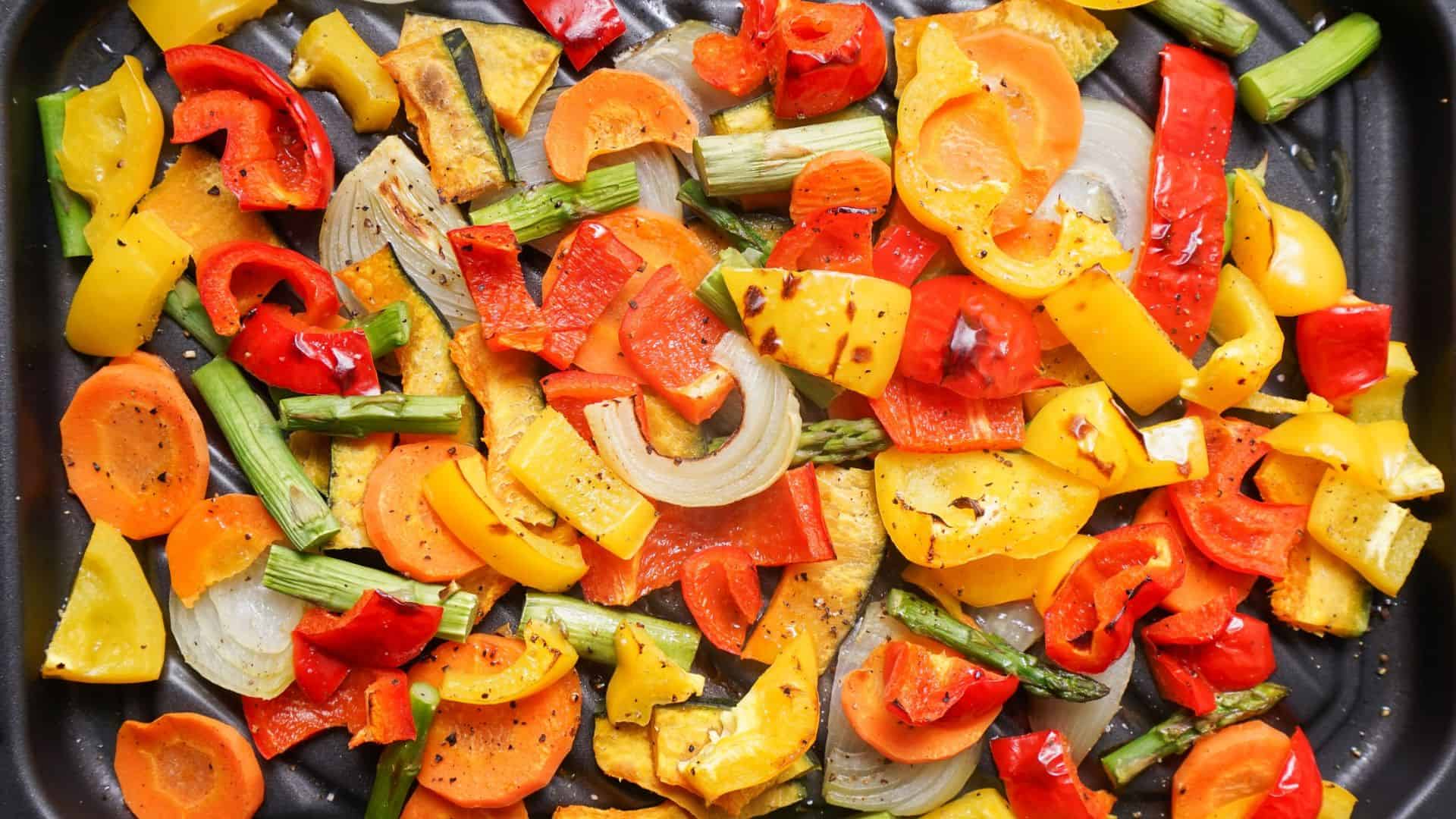
Leftover roasted vegetables are some of the easiest foods to repurpose. They already have flavor and structure, which makes them ideal for quick meals.
Chop them and add them to scrambled eggs or omelets. They also work well stirred into rice or quinoa for simple grain bowls.
Roasted vegetables can also be turned into soup with minimal effort. Blend them with broth and season to taste for a smooth, comforting meal that feels intentional.
For dinner, toss them onto a sheet pan with leftover meat and reheat until everything is warmed and lightly crisped.
Pro tip: Keep vegetables stored separately when possible so you can mix and match flavors more easily.
Gravy and sauces
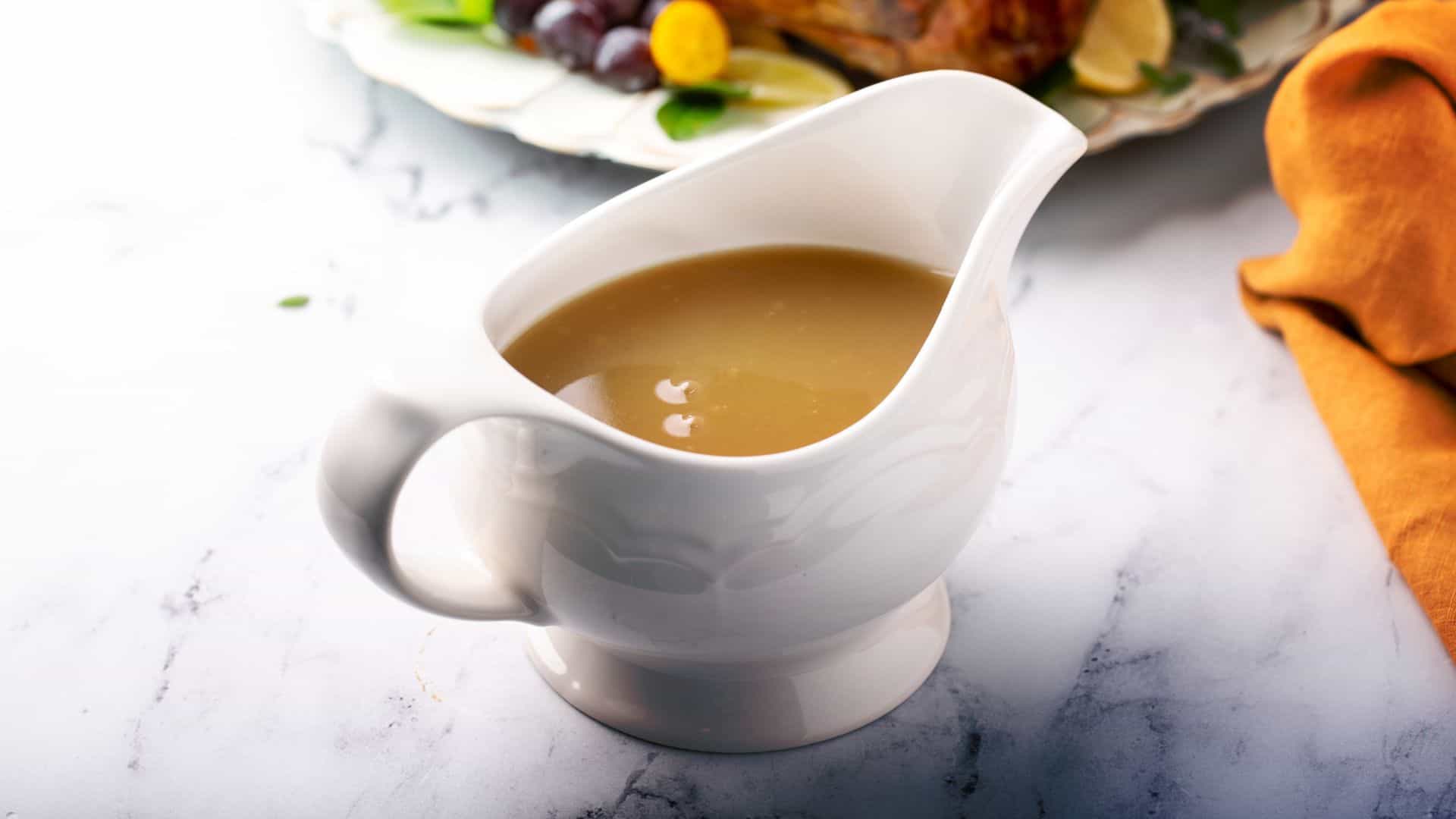
Gravy is often overlooked, but it is one of the easiest ways to make leftovers taste cohesive.
Use gravy as a sauce for open-faced sandwiches or baked dishes. A small amount goes a long way in adding moisture and flavor.
If the gravy has thickened too much, thin it with broth or water before reheating. This makes it easier to spread and prevents it from becoming gluey.
Gravy can also be frozen in small portions for later use as a shortcut sauce for weeknight meals.
Rolls and bread
Extra rolls and bread are often overlooked until they are already dry. Using them early makes a big difference.
Day-old bread can be turned into French toast or savory strata. These dishes feel purposeful and work well for brunch or dessert.
Bread also makes excellent croutons or breadcrumbs. Cube or process it, then freeze for future use in soups and casseroles.
For quick meals, toast leftover rolls and turn them into sliders.
@wildgrainbox shows how easy it is to turn day-old bread into a new, delicious dish.
A simple way to plan
Christmas leftovers are not a problem to solve. They are a head start. With a bit of intention, they can become comforting breakfasts, simple lunches, and relaxed dinners that let you ease out of the holiday without rushing back into full-scale cooking.
Instead of deciding meal by meal, it helps to map out the weekend loosely. One breakfast-style dish, one soup, and one baked or skillet dinner can carry you through several days. Mix and match leftovers rather than using a single food item. This approach reduces waste and keeps meals from feeling repetitive.
The goal is to make good use of what you already have and give yourself a simpler weekend after a busy season.
Leave a Reply