
A new year often brings a boost of motivation to organize routines and start daily habits. The kitchen is one of the best places to start. It is the most frequently used space in the home and often the quickest to catch clutter, unused items, and even forgotten food. A kitchen reset does not require new storage systems or expensive tools. It starts with removing what is not needed and using what you already have.
A clean and functional kitchen begins with clarity. Food waste remains a big issue for American households, with estimates that between 30 and 40 percent of the food supply is wasted. A kitchen reset helps households reduce waste while improving efficiency. The goal is simplicity, not perfection.
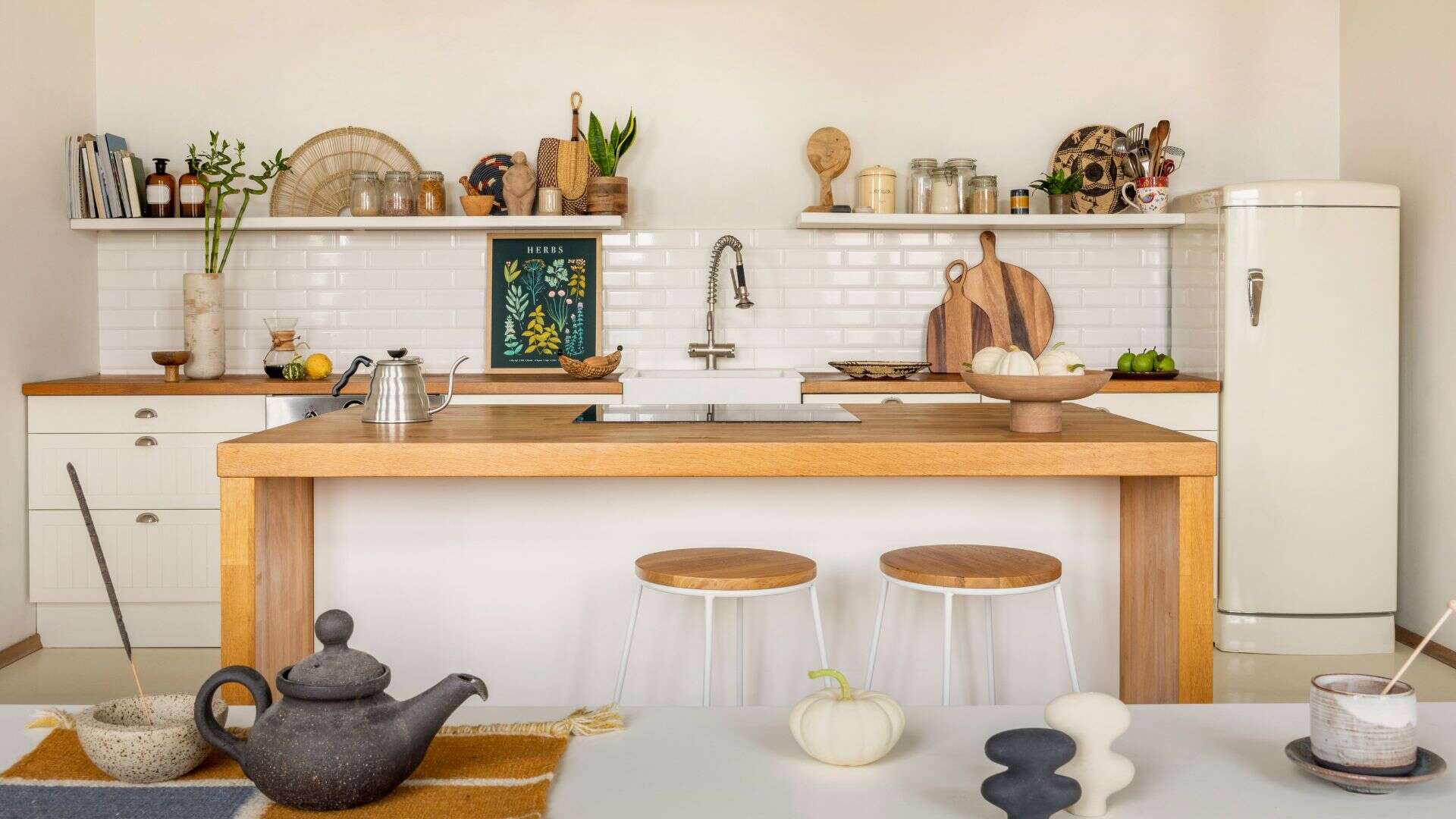
Start with a full emptying
The most effective way to reset a kitchen is to start by removing everything from the area. This method works because it helps make a clear decision about each item. When looking at cookware, utensils, dishes, pantry goods, or gadgets, ask whether the item is used enough to justify keeping it. Many items take up space but offer little use in daily routines. Extra mugs, duplicate utensils, novelty appliances, and mismatched containers often fall into this category.
Working section by section in the kitchen prevents overwhelm. Start with cabinets, then move to drawers, the pantry, and the refrigerator. Place the items on a table or an island, then sort them into categories. Items that haven't been used for a year should be reconsidered to see if they're worth keeping. If something serves only a single purpose and that purpose does not occur at least once a year, it may be better to donate it to free up space.
Reassess your pantry
A pantry reset is one of the biggest impact tasks because it affects daily meal planning. Remove all items and check the labels. The USDA states that “best by” and “use by” dates can vary in meaning, but any product showing signs of spoilage should be thrown away. Stale baking ingredients, opened snack bags, expired condiments, and old spices take up a lot of space and reduce the visibility of food items and ingredients that are actually fresh.
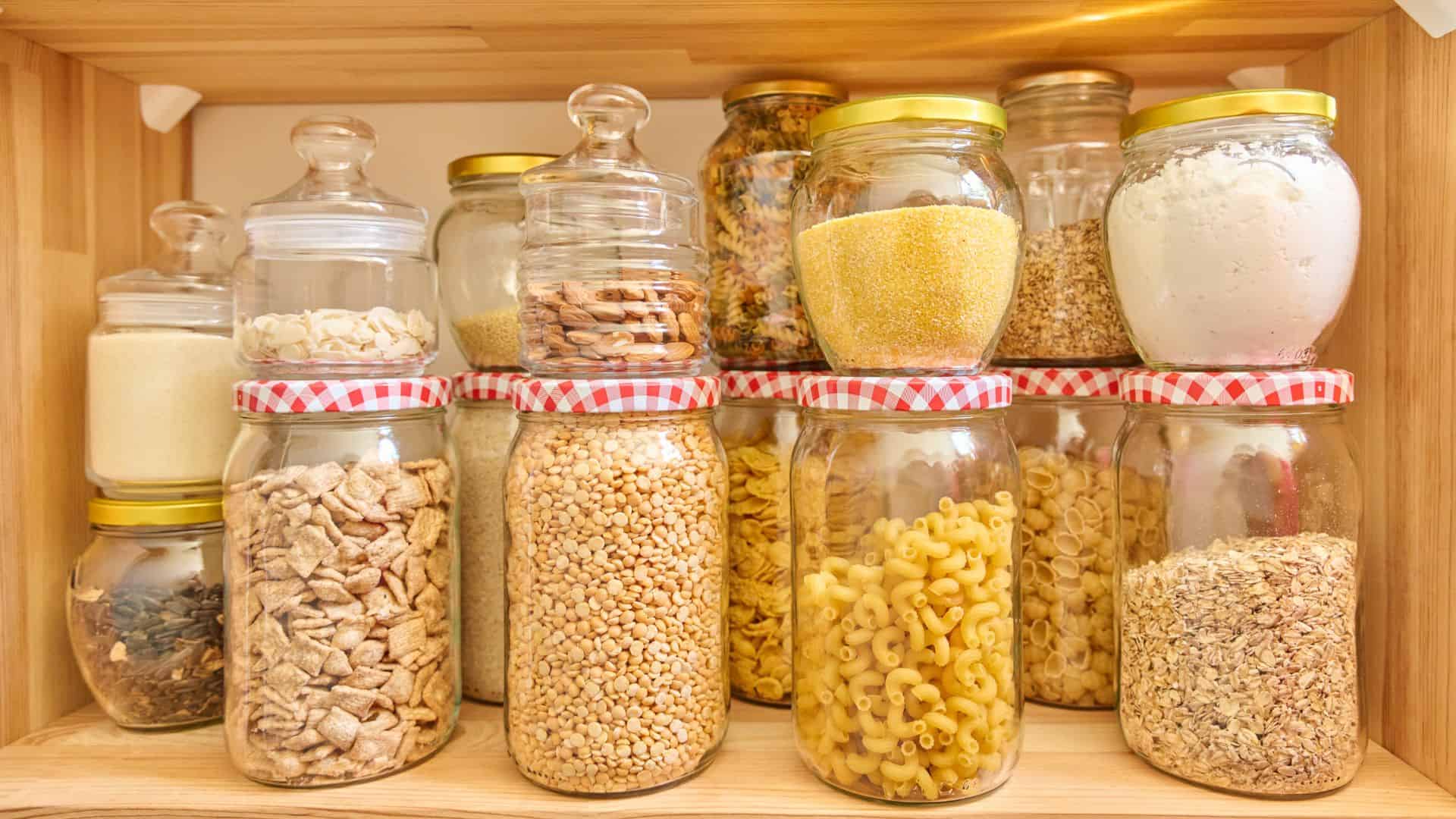
Once expired or stale items are tossed out, group the remaining goods by category. Keep grains together, baking supplies in one area, snacks in another, and canned goods in their own section. This structure makes it easier to track what is available and lowers the likelihood of buying duplicates. Clear jars or previously owned containers can help, but they are not required. The key is visibility, not aesthetics.
A helpful strategy is to create a “use first” shelf or box. Place soon-to-expire items there so they become a priority in meals and snacking. This adjustment reduces waste and supports intentional grocery shopping.
Reset the refrigerator shelf by shelf
A refrigerator reset is one of the best ways to restore order in the kitchen. Start by clearing one shelf at a time. This prevents food from warming to unsafe temperatures. The Food and Drug Administration recommends keeping refrigerators at or below 40 degrees Fahrenheit to slow bacterial growth, which makes working in sections practical and safer.
Check each item in the fridge. Throw away leftovers that exceed safe storage times; most cooked dishes should not be kept for more than 3 to 4 days. Remove any produce that has deteriorated and any condiments that have been open beyond their recommended use-by date.
After cleaning out each shelf, group the remaining items by use. Store breakfast items together, keep beverages in one spot, place meal prep ingredients on the same shelf, and keep condiments in the door. Consistent placement helps prevent forgotten items from being pushed to the back. If your refrigerator has bins for fruits and vegetables, use them to help keep them fresh.
A helpful habit is a weekly “mini-reset.” Spend 5 minutes removing aging leftovers and creating a quick plan for using remaining items. This practice keeps the refrigerator more manageable year-round and also helps to reduce food waste.
Create a meal prep zone
A meal-prep area increases efficiency and reduces mealtime frustration during busy weeks. This does not require remodeling or special equipment and can be created right away. A cleared counter with basic tools within reach can help to streamline cooking tasks.
Place cutting boards, knives, mixing bowls, and utensils near the prep area. Keep oils, salt, and essential spices within easy reach. The goal is to reduce the steps required to prepare meals.
If you meal-prep lunches or dinners, designate a small section of the refrigerator for ready-to-grab containers. Labeling is optional, but helpful. Consistency is more important than decoration.

Rethink how you use containers
You do not need to buy new containers to organize your kitchen. Many households already have mismatched sets that function well once they are sorted. Check lids for proper fit and discard any containers that no longer seal or have a fitting lid. A single basket or box can hold all lids in one place, reducing frustration.
Old glass jars can be used for storing grains, nuts, snacks, or leftovers. Reusing containers lowers cost. Keep similar sizes together to make stacking easier and prevent overcrowding.
Use existing bins or repurpose small boxes to group pantry items. Even a cardboard box can add structure to a cabinet or pantry. Categorization is more important than uniformity.
Declutter countertops to clear mental space
Cluttered counters make the kitchen feel cramped and contribute to decision fatigue. Remove anything that does not serve a daily purpose. That includes decorative items, unused appliances, and mail.
Store small appliances that are used weekly but not daily. Keep only the essentials visible and on the counter. A clear counter promotes easy meal preparation and reduces stress.
Refresh without a spending spree
A kitchen reset does not require buying new products. Small actions can make a big difference. Clean the cabinet fronts, wipe the handles, scrub the sink, and throw away old sponges. A fresh dish towel, rearranged shelf, or decluttered drawer can transform the feel of the room.
Other no-to-low-cost ideas could include replacing old shelf liners with contact paper, storing grocery bags neatly, cleaning the stove grates and burner pans, and polishing stainless steel appliances to make them shine.
A kitchen reset is as much about mindset as it is about organization. Thoughtful removal of items creates a functional space that promotes creativity in the kitchen.

Make decluttering a regular habit
A new-year reset is a strong start, but maintaining order requires consistency. Set a monthly reminder to check the pantry and refrigerator. Keep a donation box in a closet so unused items have a place to land. Remember to use grocery lists to avoid buying duplicates, and take stock of what is already in the fridge and pantry before heading to the store.
A few minutes each week can prevent clutter from building again.
@tinycademypro shows how to organize like a pro.
Keeping it simple is the most effective strategy
A reset does not need to be complicated. Clearing out what is not used, refreshing what remains, and reorganizing with purpose create a more efficient space. The focus should be on visibility, simplicity, and thoughtful habits instead of products or trends.
Focus on what you already have and remove what you do not need, and the kitchen becomes easier to navigate and more enjoyable to use. A reset at the beginning of the year lays the foundation for better habits and less waste in the months ahead.
Leave a Reply