
Matcha has gained significant popularity in recent years. The bright green powdered tea, once primarily used in Japanese tea ceremonies, has become one of the most popular drink trends on social media. Videos of matcha lattes and matcha desserts are spreading fast on TikTok and Instagram, and major coffee chains are adding their own versions to menus.
At the same time, a limited harvest in Japan and new U.S. tariffs on imported tea are tightening supply, leaving producers and consumers facing higher prices and fewer options.
How the matcha shortage affects prices and supply
The sudden surge in demand has run up against the production limits in Japan. Matcha relies on a short spring harvest, and the process of shading, steaming, and stone-grinding the leaves makes it impossible to scale quickly. Producers in Uji and Kyoto have already reported shortages.
Marukyu Koyamaen, one of Japan’s best-known matcha makers, announced that all sales would be subject to quantity limits until the next harvest. Other retailers have either suspended sales of specific products or limited customers to buying a single tin.
The U.S. faces an additional challenge due to tariffs. Japanese tea imports are currently subject to a 15% tariff. Importers say these duties, combined with supply restrictions, are significantly increasing prices.
In Troy, New York, one café co-owner stated that the price of a 16-ounce matcha latte had to be raised by almost a dollar this year because their supplier's costs had increased significantly. The increase reflects what many small businesses across the country are facing, as cafés adjust their menus to keep up with higher import prices and tighter supplies.
What is matcha powder, and how is it made?
Matcha is a finely ground green tea powder produced under strict growing and processing methods in Japan. Farmers cover the plants with shade for several weeks before harvest. This step is essential for matcha’s deep color and distinctive flavor.
After harvest, the leaves, known as tencha, are steamed, dried, and stripped of stems and veins. The prepared leaves are then ground slowly on stone mills, which rotate at a pace that prevents overheating and preserves the delicate taste.
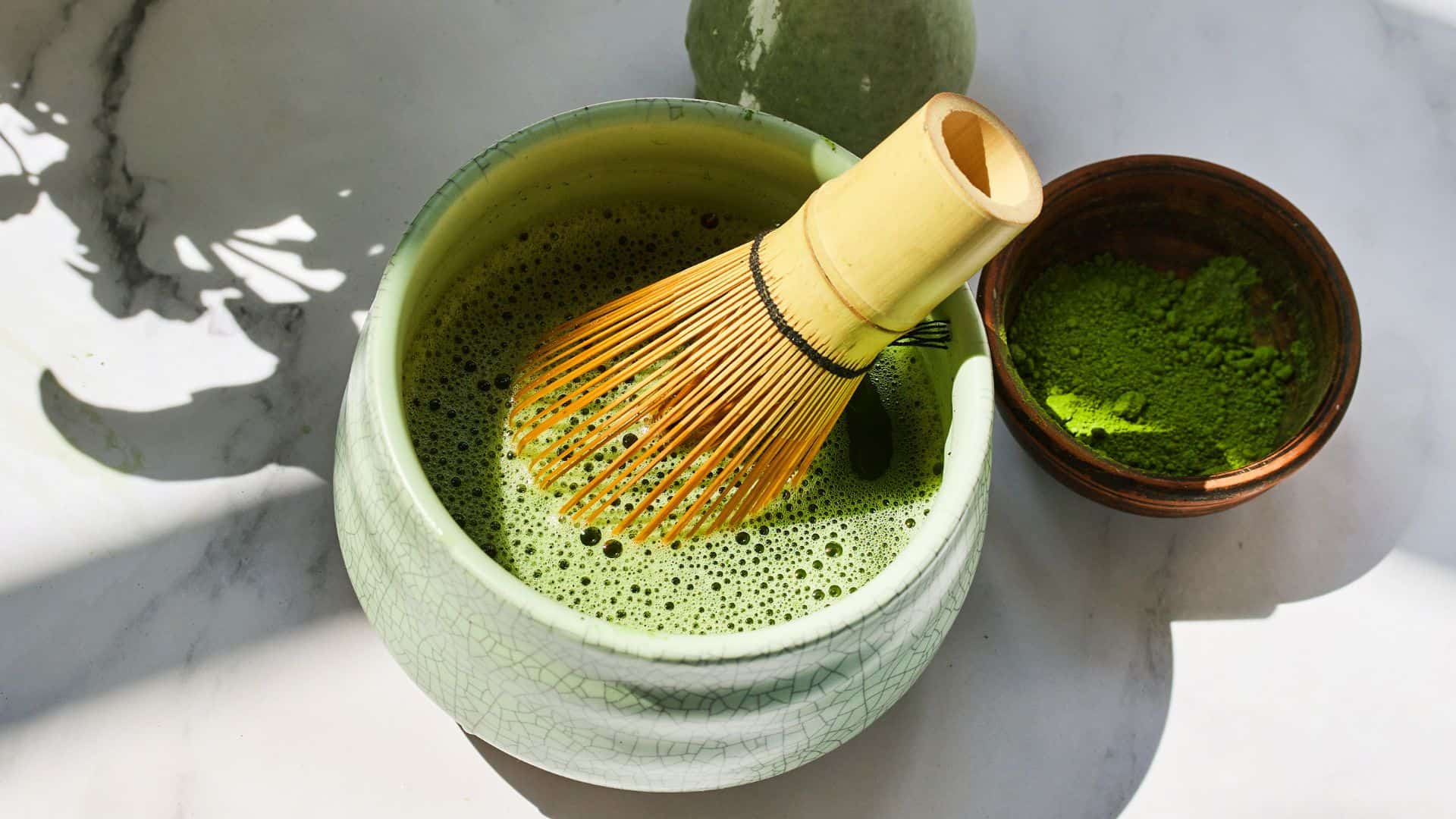
The process is painstaking and yields only small amounts of powder. Even with an automated stone mill, it can take an hour to produce just 40 grams of matcha, which is enough for a few dozen servings. This explains why authentic ceremonial-grade matcha remains costly and why producers cannot instantly expand supply to meet sudden global demand.
The different grades of matcha help explain why prices and flavors vary so much.
- Ceremonial Grade: This is the highest quality of matcha, typically used for traditional tea ceremonies and best enjoyed plain with hot water. It has a vibrant color, smooth texture, and naturally sweet flavor.
- Premium Grade: This is slightly lower than ceremonial but still high quality. Premium grade is often used for daily drinking and espresso-based beverages, such as lattes. It has a mellow flavor profile compared to ceremonial-grade matcha.
- Culinary Grade: This has a slightly stronger flavor compared to the other two. It is commonly used for baking, cooking, and mixing into smoothies.
Why Gen Z is obsessed with matcha?
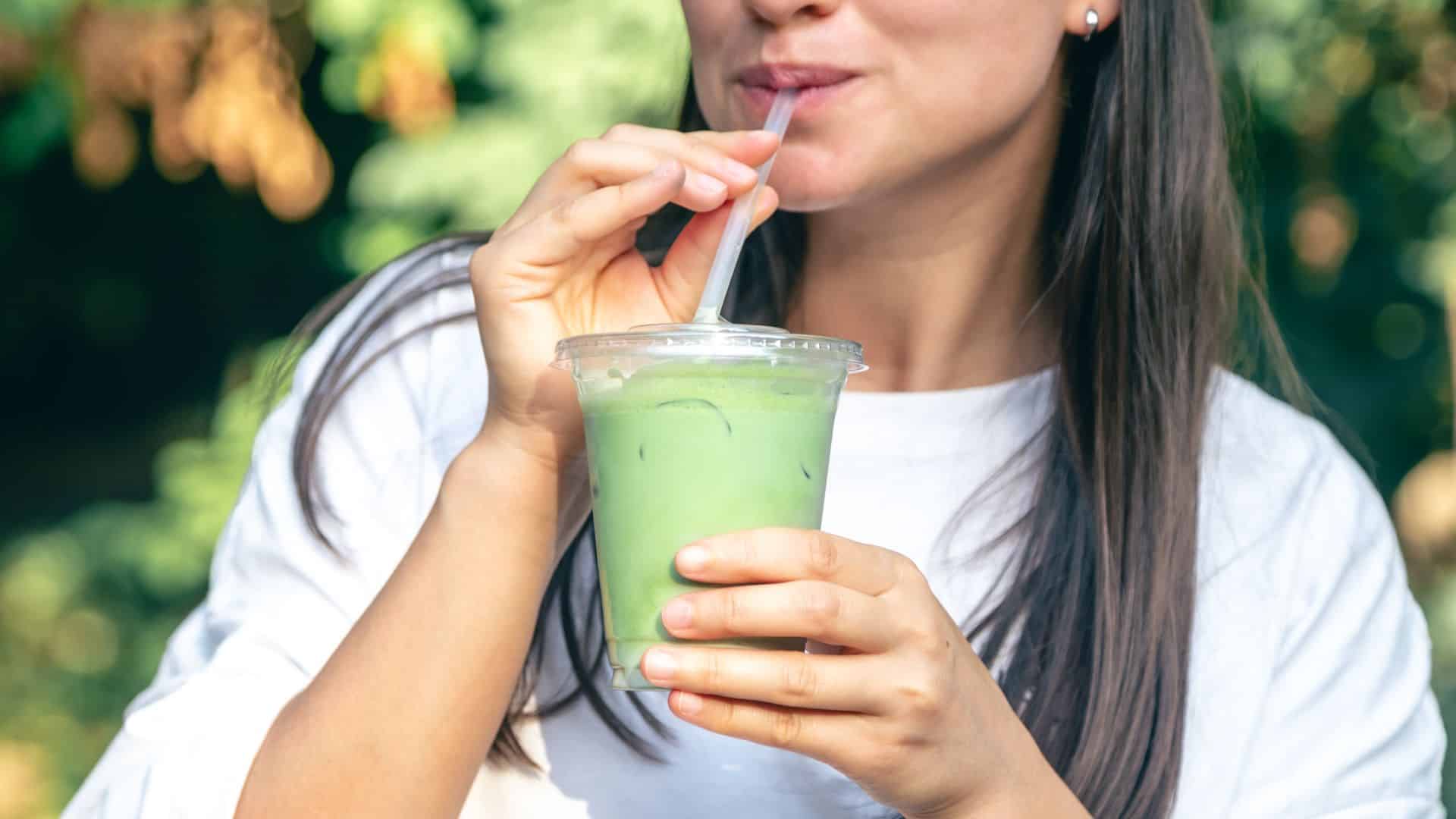
Much of matcha’s new craze is coming from Gen Z. On TikTok and Instagram, you can see endless recipes for iced matcha lattes, smoothies, and desserts, often filmed in kitchens or coffee shops. The bright green tea color is eye-catching, which has helped the drink spread quickly online.
Gen Z also values the functional benefits of matcha. Unlike coffee, which delivers an instant kick due to its high caffeine content, matcha, on the other hand, contains both caffeine and L-theanine, which it releases slowly.
Major chains joining the matcha craze
It isn’t just specialty cafés serving matcha anymore. Major brands have added it to their menus to meet the rising demand. Starbucks expanded a test of its Coco Matcha, a drink combining coconut water and matcha cold foam, across hundreds of U.S. stores this year. Dunkin has also added matcha latte to its menu, while Paris Baguette continues to feature matcha beverages alongside its baked goods.

Easy ways to use matcha at home
Even with prices climbing, a small tin of matcha can last a long time, depending on how you use it. Many people enjoy it in a simple iced latte with regular or oat milk, while others stir it into lemonade for a refreshing drink. Matcha also works well in smoothies, especially blended with bananas, and it can be sprinkled over a yogurt bowl with fresh fruit. At home, some use it to flavor chia pudding or overnight oats.
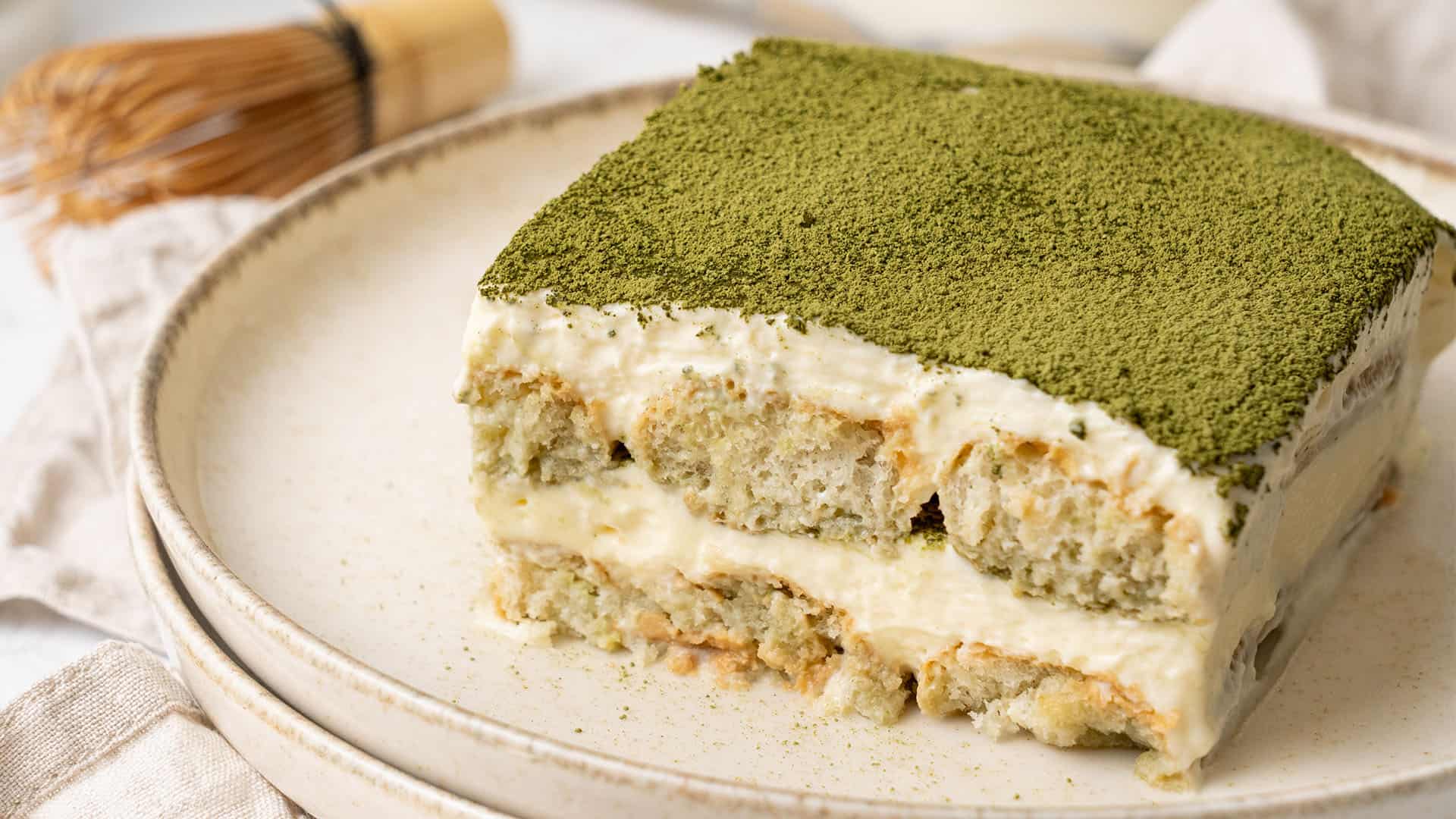
For those who prefer a traditional approach, whisking it with hot water into a bowl of usucha remains the most delicious way to enjoy it. Beyond drinks, matcha can be baked into desserts like tiramisu, cookies, or brownies, adding both color and a distinct earthy flavor.
How to make a matcha latte at home
Making a matcha latte at home, the process is simple and doesn’t require special equipment.
Start by sifting one to two teaspoons of matcha into a bowl or mug to break up clumps. Add a small amount of hot (but not boiling) water and whisk until smooth and slightly frothy.
Pour this mixture over a glass of milk, oat milk, or almond milk, then add ice for an iced latte or leave it warm for a hot version.
You can also add a bit of honey or vanilla syrup for sweetness.
What to expect next?
The matcha craze is increasing every year and shows no signs of slowing, but Japanese farmers can only produce a limited amount, and U.S. tariffs are unlikely to disappear overnight.
Larger chains with secured contracts may keep matcha drinks flowing, but smaller cafés and individual shoppers will likely face higher prices and limited options. Even so, customers are willing to pay more, and social media continues to introduce matcha to new audiences.
Leave a Reply