
There is a reason supermarket tomatoes often disappoint people at home. They may look vibrant and perfectly red on the shelf, but once they reach the kitchen, something changes quickly.
For years, many households treated tomatoes the same way they treated almost every other piece of produce: bring them home, place them in the refrigerator, and assume colder automatically means fresher.
The issue is not simply how long tomatoes last. It is how they age. A tomato stored incorrectly may still appear usable on the outside while losing much of what makes it enjoyable in the first place: sweetness, aroma, texture, and depth of flavor.
And once you understand how tomatoes actually respond to temperature, airflow, and ripeness, it becomes surprisingly obvious why so many people have been storing them wrong for years.

The refrigerator is often the biggest problem
The biggest mistake most people make with tomatoes is refrigerating them too early.
Tomatoes are highly sensitive to cold temperatures, especially before they are fully ripe. When stored in a refrigerator, the cold begins to break down the membranes inside the fruit. That process affects both texture and flavor, which is why refrigerated tomatoes often develop that dull, mealy consistency.
The flavor loss is especially noticeable because tomatoes rely heavily on volatile aromatic compounds. Cold temperatures suppress those compounds, muting the smell and sweetness that make a tomato taste fresh and vibrant in the first place.
This is why tomatoes from a summer garden often taste dramatically better than supermarket tomatoes stored cold during transportation and display.
Many people assume refrigeration is necessary immediately after purchase, but for most tomatoes, room temperature is actually the better environment while they are ripening. A countertop with decent airflow and no direct sunlight usually works far better than the fridge.
That does not mean refrigeration is always wrong. Once tomatoes become fully ripe, and you cannot use them quickly enough, refrigeration can help slow further deterioration. But the timing matters. Cold storage should be the final stage, not the default starting point.
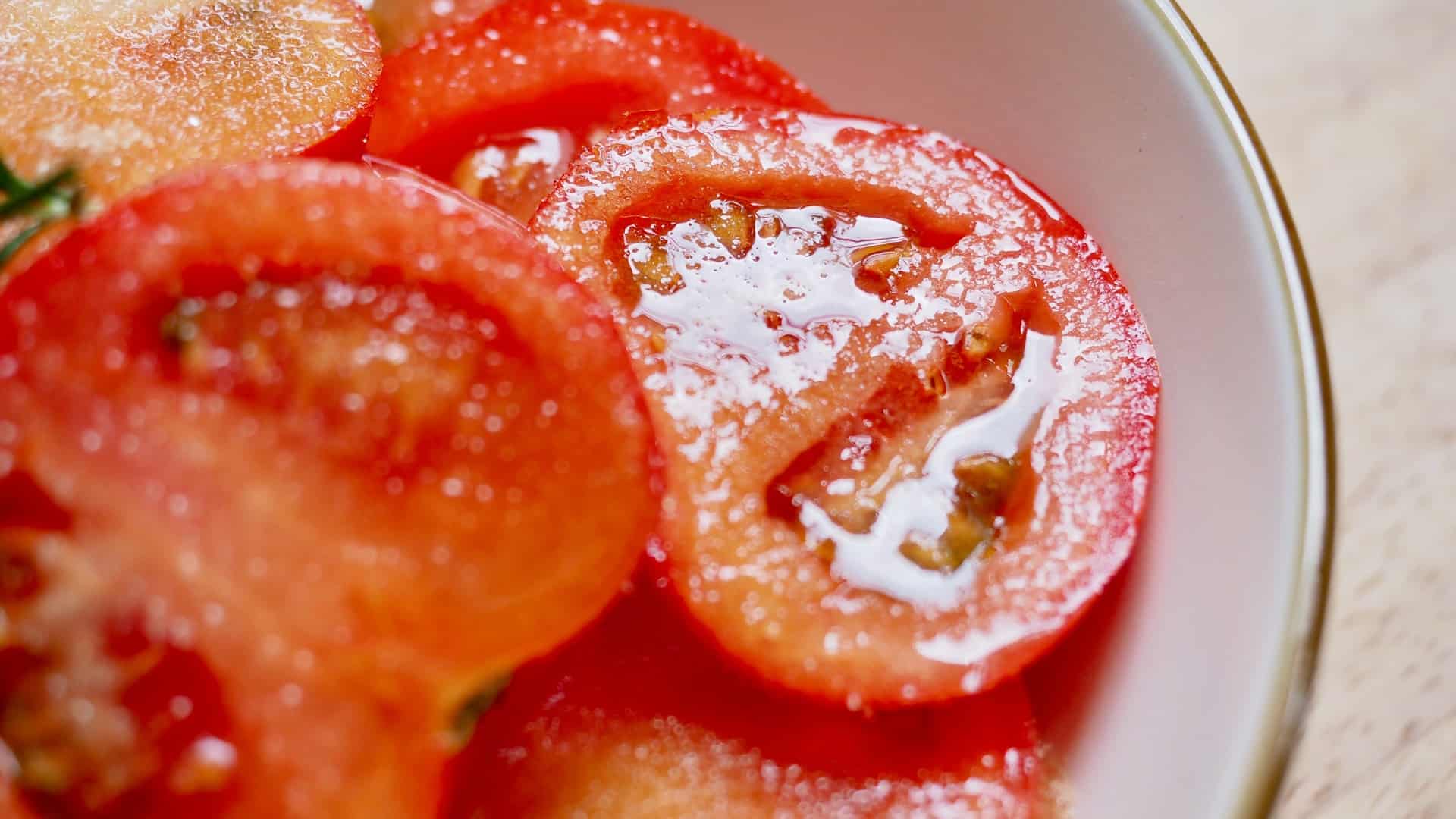
Sunlight and bowls may look beautiful but create problems
There is a certain kitchen aesthetic people love: a large bowl of tomatoes sitting in direct sunlight near a window. It looks fresh, rustic, and inviting. Unfortunately, it is also one of the fastest ways to accelerate spoilage.
Direct sunlight warms the fruit unevenly, softening some areas faster than others and increasing moisture loss. That combination often creates wrinkling, splitting, or overly soft spots.
Decorative fruit bowls can also create hidden issues. Tomatoes stacked on top of one another trap moisture and create pressure points where bruising begins. Once the skin weakens in one area, deterioration speeds up quickly.
Airflow matters much more than most people realize. Tomatoes stored loosely in a shallow container or arranged in a single layer generally hold their structure longer than tomatoes crowded into deep bowls.
Plastic bags are another common problem. Tomatoes need some airflow, and trapped humidity in sealed packaging can accelerate breakdown. Even condensation alone can shorten their lifespan considerably.
The goal is not just longevity but preserving flavor
What many people are finally realizing is that tomato storage is not simply about making them last longer. It is about preserving the experience of eating them.
A tomato that survives two extra days in the fridge but loses its flavor is technically lasting longer, but it is not necessarily staying better.
The ideal tomato is balanced: firm but not hard, juicy without being watery, sweet with enough acidity to feel fresh. Proper storage helps preserve that balance rather than merely delaying visible spoilage.
In practical terms, this usually means buying tomatoes in smaller quantities, monitoring ripeness daily, and adjusting storage as they change. It also means accepting that tomatoes are not designed for long-term storage the way apples or carrots are.
And once you notice how dramatically flavor changes depending on storage, it becomes difficult to go back to treating tomatoes like just another vegetable in the refrigerator drawer.
Leave a Reply