
Some dishes seem simple at first, but the process behind them tells a completely different story. Once you step into how they’re actually made, the level of precision and detail can completely change the way you think about them.
About the chef and the restaurant
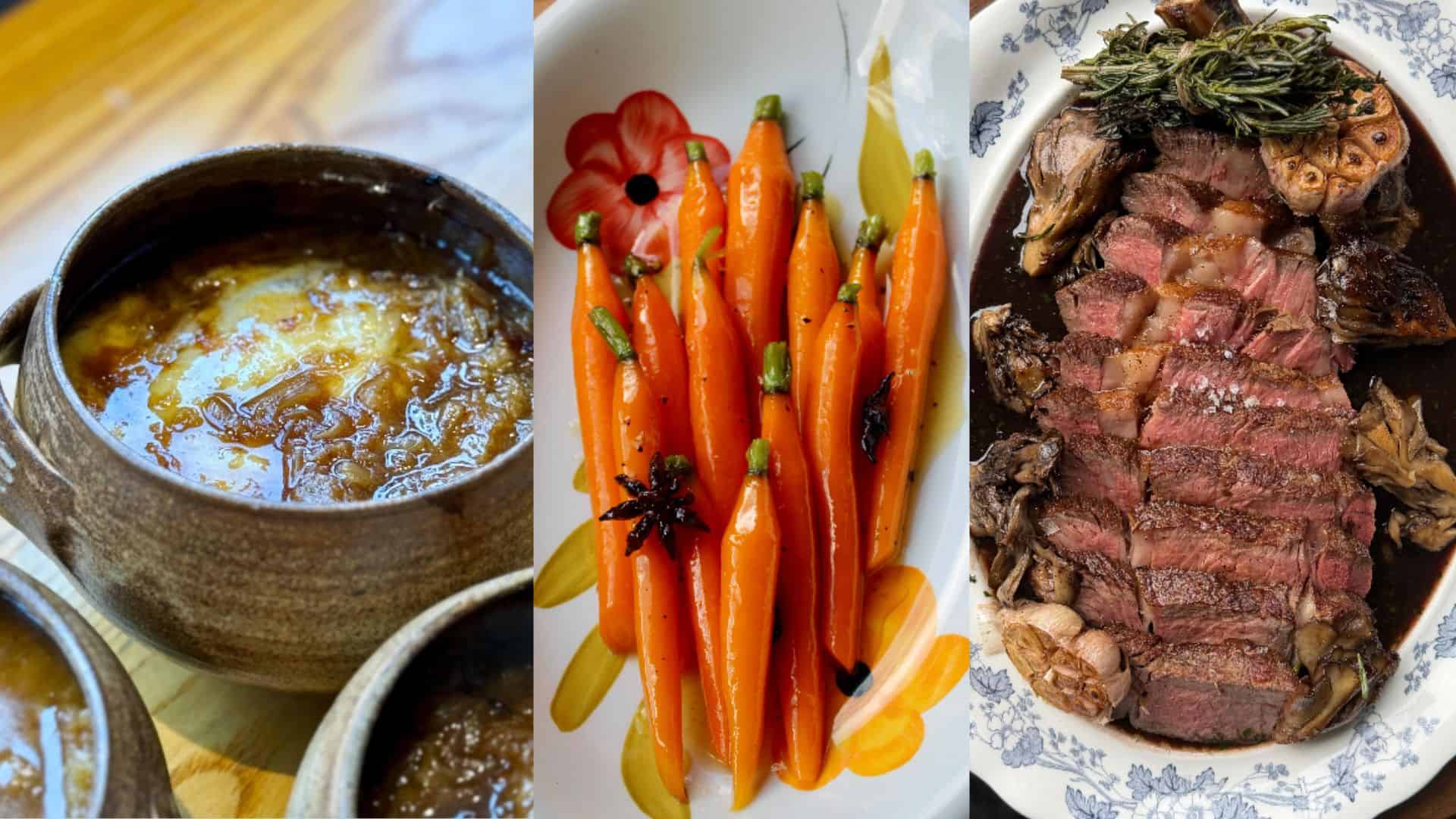
Adam Byatt is a London-based Michelin-starred chef. His flagship is Trinity, which he opened in 2006 in Clapham Old Town. The restaurant has held a Michelin star and is considered one of the standout dining spots in South London, known for its modern European cooking and strong classical foundation.
The method behind the mash
Chef Byatt starts with Ratte potatoes, a small, waxy variety known for its naturally buttery flavor and smooth finish. The potatoes are peeled completely, then placed into cold, salted water before any heat is applied. That detail might seem minor, but it plays a major role in how the potatoes cook.
Starting in cold water allows the potatoes to heat evenly from the inside out. From there, the temperature is gradually increased. Byatt emphasizes that boiling them too quickly can alter the potato's composition, which directly affects how the mash turns out. A slow, steady approach keeps the texture intact.
Once the potatoes are fully tender, they are handled while still hot and passed through a tamis, a fine-mesh sieve, to transform them into an incredibly smooth base. This is a major shift from typical home methods. Instead of mashing or whipping, which can leave lumps or create a gluey texture, pressing the potatoes through a tamis creates a uniform, silky consistency.
The potatoes are then transferred to a pan over gentle heat. This step helps remove any excess moisture, which is important because it allows the potatoes to absorb more fat in the next stage.
Butter is added gradually, using cubed unsalted butter that melts slowly into the potatoes. There is no strict measuring happening in the moment, but the intention is very specific. Once the butter begins to incorporate, double cream is added, and the mixture is stirred continuously until everything comes together.
What stands out most is how far the process is pushed. More butter is added than most people would expect, and then even more. The goal is to reach a point where the potatoes can no longer absorb the fat. As that happens, the mixture begins to loosen slightly and even appears to be splitting. In most kitchens, that would be a red flag. Here, it’s exactly what the chef is aiming for.
At that stage, a whisk is introduced to work the starch just enough to give the mash a bit of structure while still keeping it smooth. The potatoes begin to move differently in the pan, thickening and becoming glossy. For the final touch, the mash is passed through a fine strainer once more to ensure an ultra-silky finish before serving.
How to recreate it at home
The biggest difference when bringing this method into a home kitchen isn’t just the steps, it’s the mindset. This style of mashed potatoes is built around a ratio that most people would never normally use: two parts potatoes to one part butter and one part heavy cream, plus salt. It’s intentionally rich, and that’s what gives it that signature restaurant texture.
Where home cooks often get tripped up is when they try to rush or cut corners. The small details carry more weight here than the ingredient list itself. Starting the potatoes in cold, salted water and bringing them up slowly isn’t optional; it’s what keeps the texture consistent from edge to center. The same goes for working with the potatoes while they’re still hot. Once they cool, they lose the ability to form a smooth, cohesive mash.
You don’t need a tamis to make this work, but you do need to prioritize smoothness. A ricer or fine sieve gets you close enough, and it’s worth the extra step if you’re aiming for that ultra-refined finish. Skipping this is usually what separates everyday mashed potatoes from restaurant-level mashed potatoes.
Another step that makes a bigger difference than expected is briefly cooking off excess moisture before adding any fat. It creates space for the butter and cream to actually absorb into the potatoes rather than just sit on top.
From there, it becomes more about control than measurement. The butter should be added gradually, not all at once, to allow it to fully incorporate. The cream should be warm so it blends seamlessly. What you’re looking for isn’t just a creamy texture, but a point where the potatoes feel fully saturated and almost push back, becoming glossy and slightly looser than you’d expect.
This is also where it starts to differ most from what people are used to. Normally, that point would signal you’ve gone too far. In this method, it means you’ve hit it exactly right.
Finishing with a whisk helps bring everything together, tightening the texture slightly while keeping it smooth.
Why this method stands out
Most mashed potato recipes aim for balance, using just enough butter and milk to create a creamy texture without overwhelming the dish. This approach does the opposite. It uses fat as a central component rather than a supporting one, which changes the texture entirely.
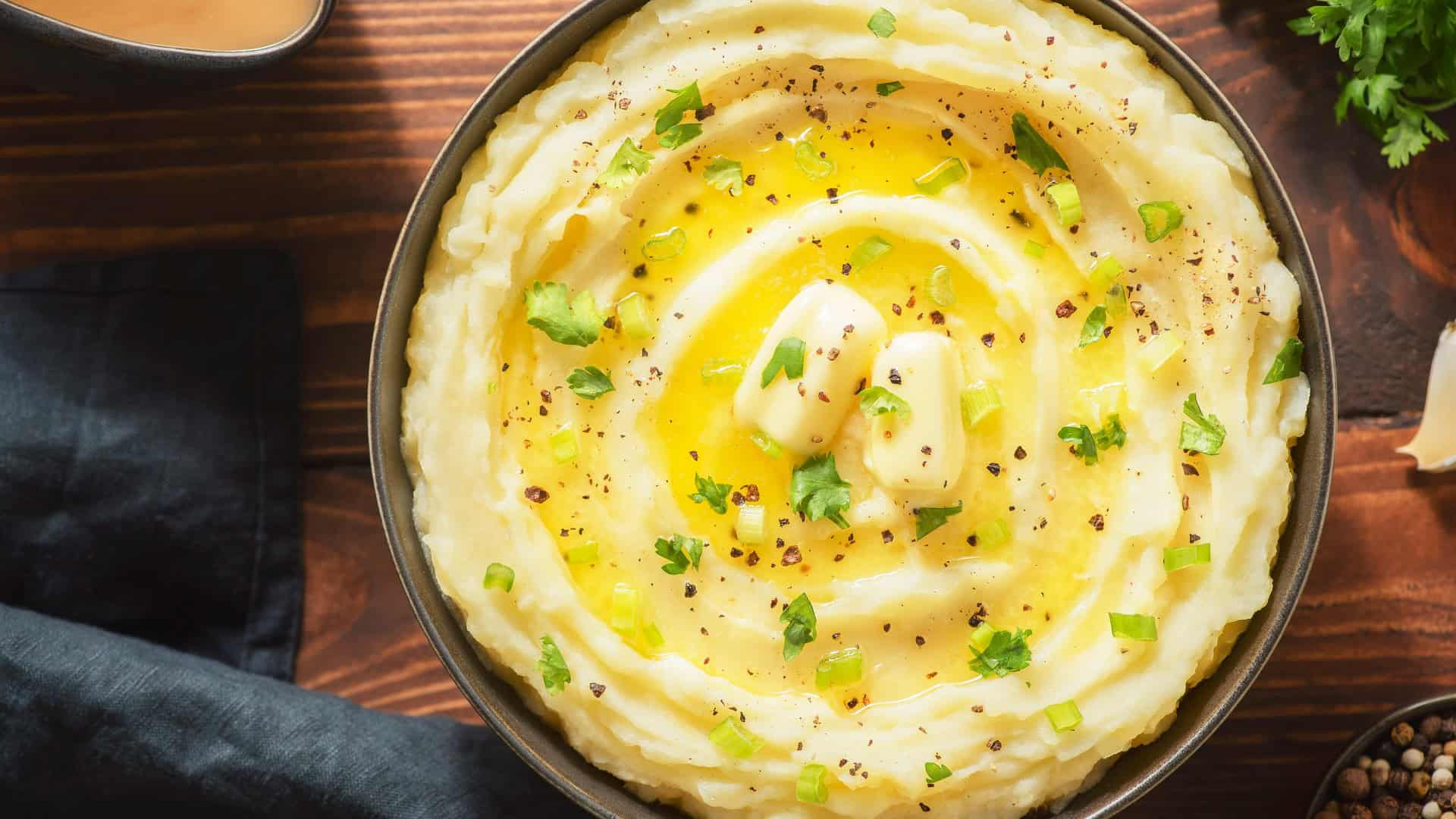
Instead of light and fluffy, the result is dense, silky, and almost glossy. The difference also comes down to technique. The slow-cooking process preserves the structure of the potatoes, while the fine straining eliminates any inconsistencies.
It’s a more controlled process from start to finish, and that control is what creates such a dramatic difference in the final dish.
Every step is about control. Once you see how it’s done, it’s hard not to rethink what mashed potatoes can actually be.
Leave a Reply