
Key Points
- Never put cookware in the oven without being sure it is 100% oven-safe. Always check for labels or manufacturer guidelines before using.
- Look for explicit oven-safe labels and temperature limits. Some cookware may only be safe up to a specific temperature.
- Materials like cast iron, stainless steel, carbon steel, enameled Dutch ovens, hard-anodized aluminum, and some modern non-stick pans are typically oven-safe within their listed temperature limits.
- Remember that not all parts of a pan are created equal. The body may be oven-safe, but handles, lids, or trim made of plastic or rubber often are not.
On a weekend morning, many home cooks might dream of pulling a golden Dutch baby pancake from the oven, puffed up and dusted with powdered sugar. But before you slide that skillet into the heat, ask yourself the essential question: Is your cookware actually oven-safe?
Too often, kitchen accidents come not from undercooked meals, but from misused cookware such as melted handles. No matter what you are cooking, choosing the right cookware for the job is as crucial as the ingredients.
What Does “Oven-Safe” Really Mean?
“Oven-safe” means a piece of cookware can sustain the heat of an oven without melting, cracking, or releasing toxic fumes. You’ll usually find a stamp or label on the bottom or handle that says “oven safe” and gives a maximum temperature rating.
But don’t assume the whole thing is safe just because the main body is. Handles, lids, trim, or decorative parts may not tolerate high heat. A ceramic-coated pan might withstand 400°F, but a plastic knob on its lid could start to warp well below that.
Best Oven-Safe Cookware Materials
Cast Iron
Cast iron has been a kitchen essential for generations because it’s nearly indestructible and excellent at holding heat. Both bare cast iron and enameled versions can be placed directly into the oven, typically up to 500°F. They are ideal for roasting a steak on the stovetop and finishing it in the oven.
They’re also suitable for breads and casseroles. The downside? It is heavy and requires some care (seasoning for the bare kind). The price range is usually low to mid-range, depending on whether it’s plain or enameled.
Stainless Steel
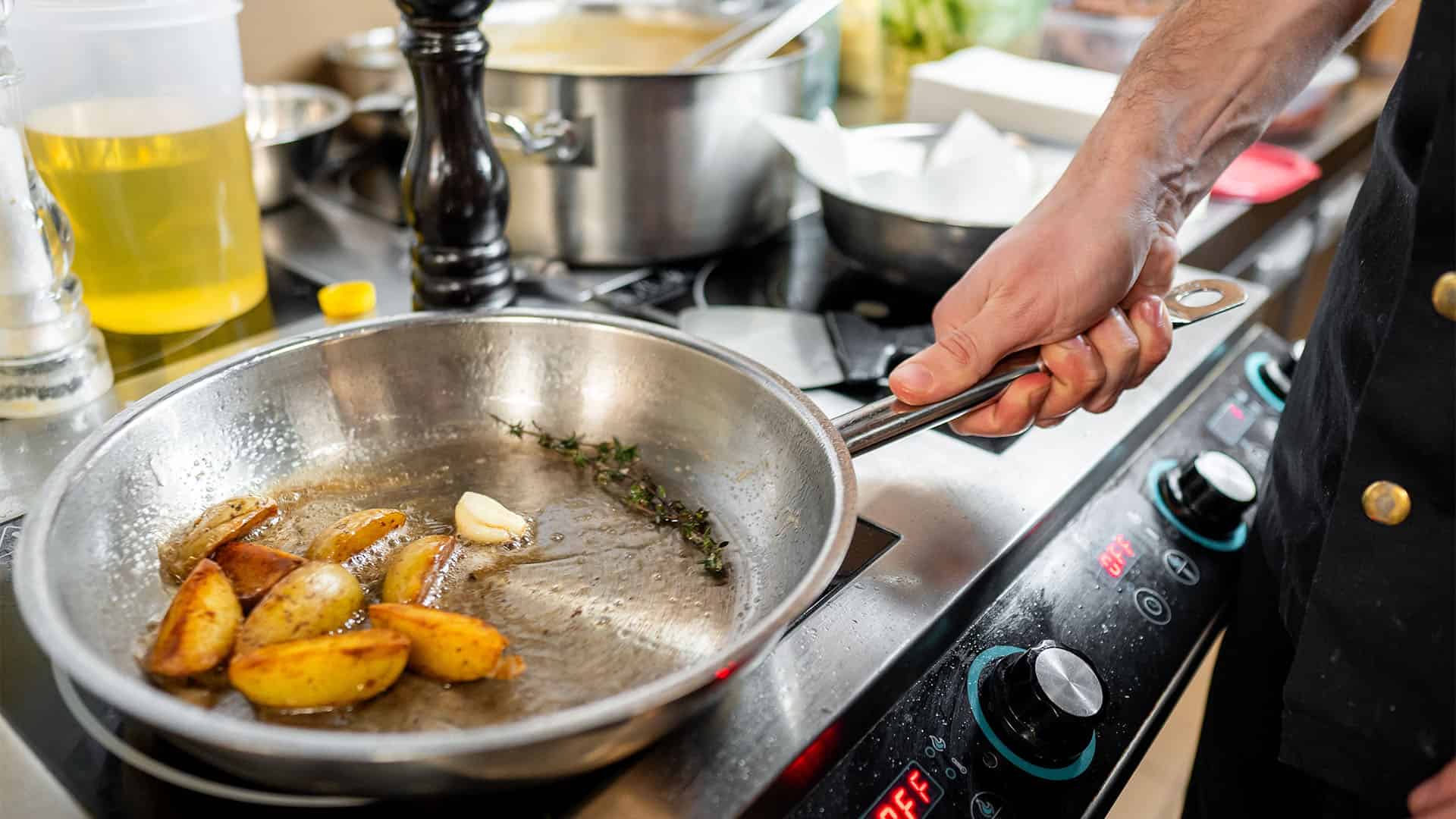
Stainless steel, especially tri-ply or higher-quality versions, is one of the most versatile and durable oven-safe materials. These pans typically handle temperatures of up to 800°F when equipped with all-metal handles. They are perfect for roasting, baking, or finishing stovetop dishes in the oven.
They don’t retain heat quite as long as cast iron, but they’re lighter and easier to maintain. They are not cheap, but if you invest in a good one, it will last for decades.
Carbon Steel
Carbon steel is a favorite among professional chefs because it combines the best of both worlds: the durability of cast iron with the lighter weight of stainless steel. It’s oven-safe up to extremely high temperatures—sometimes over 1,000°F—and works beautifully for roasted vegetables, pizzas, and breads.
Like cast iron, it needs seasoning to maintain its surface. When it comes to cost, it is usually mid-range.
Enameled Dutch Ovens
A Dutch oven is the workhorse of oven cooking. The thick side wall spreads the heat evenly, and it is perfect for slow braises, soups that finish in the oven, or bread baking.
Enameled Dutch ovens (like Le Creuset or Lodge) can usually withstand up to 450–500°F. Just watch out for lid knobs, which may be made of plastic and have lower heat tolerances unless swapped out for metal replacements. Price range: mid to high, depending on size and brand.
Hard-Anodized Aluminum
Hard-anodized aluminum pans are tough, resist scratches, and usually tolerate oven heat well, though maximum temperatures vary by brand. They heat quickly and evenly, and are ideal for casseroles or baked pasta dishes. However, non-stick coatings on some versions may limit heat to 400–500°F. Prices range from medium to high, depending on the brand and size.
Non-Stick Pans

Some modern non-stick pans are labeled as oven-safe, but their limits are usually lower, topping out around 400–500°F. They are fine for baked eggs or fish but not for high-heat roasting or broiling. Older non-stick coatings, especially Teflon, should never be overheated.
Always check the manufacturer’s guidance before using them in the oven. They are typically priced in the cheap to mid-range.
What is not oven safe
Now that you know which materials are oven-safe, it’s just as important to recognize what isn’t. Using the wrong cookware in the oven can lead to melted handles, cracked dishes, or even worse.
Plastic or rubber handles and lids will melt under high heat, while wooden handles can dry out, crack, or burn. Low-grade glass, often labeled “pyrex” with a lowercase “p,” is made from soda-lime glass and can shatter in the oven, unlike true borosilicate PYREX. Decorative or unverified ceramic pieces can also crack if they aren’t designed for oven use.
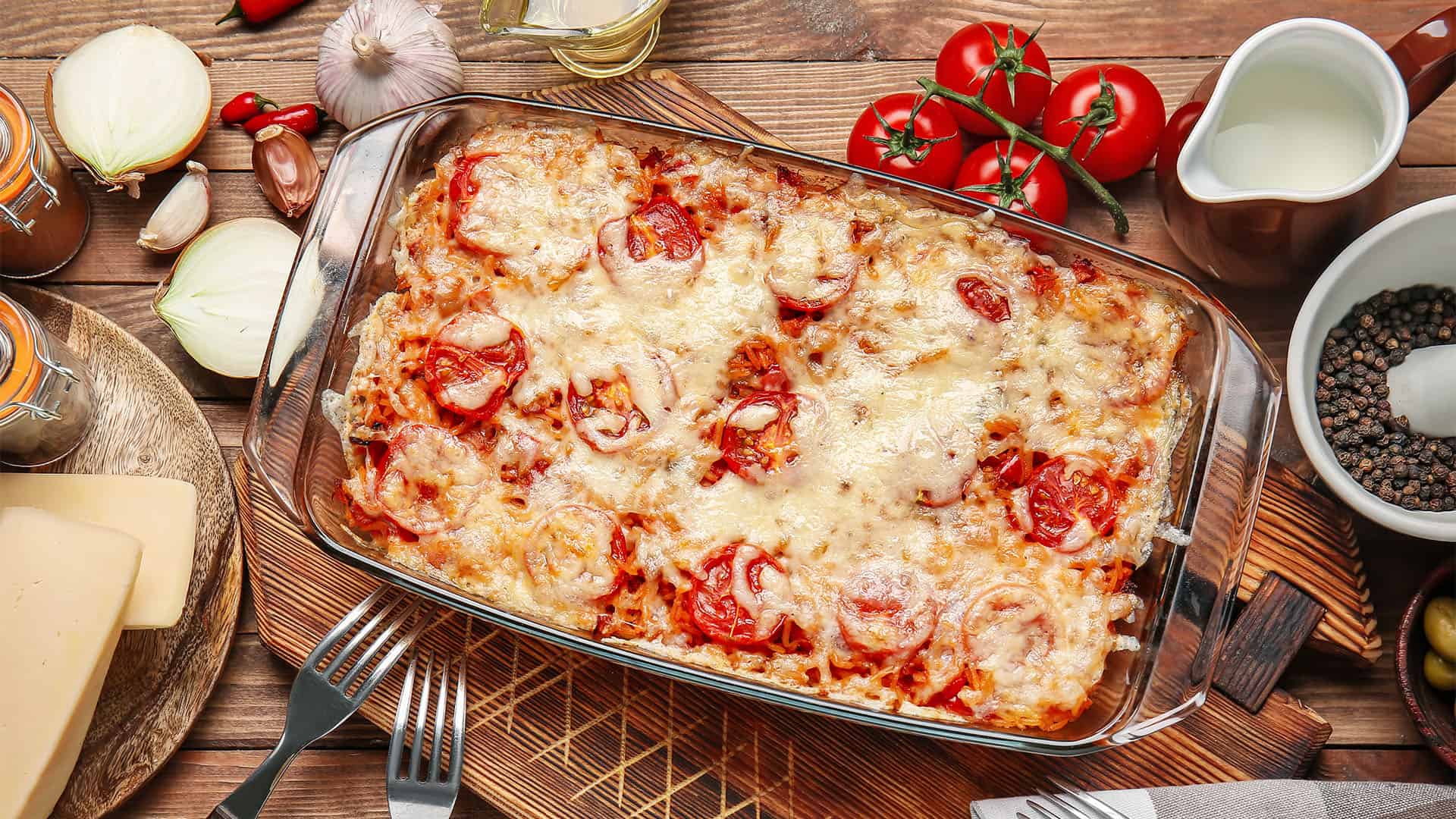
The key to cooking safely with oven-safe cookware is paying attention to the details. Always check the label for “oven safe” markings and maximum temperature limits, and remember to inspect all parts of the cookware, including lids, handles, and knobs.
Respect the heat limits, avoid sudden temperature changes that could cause cracking, and protect your hands, as even so-called “cool-touch” handles can become dangerously hot. With these precautions in mind, oven-safe cookware can unlock a wide range of recipes—from fluffy Dutch babies to hearty roasts and crusty bread.
Leave a Reply