
Imagine rushing to reheat leftovers after work, grab the nearest container, and put it in the microwave. Minutes later, there's crackling, sparks, or melted plastic stuck to the food. This happens when your containers are not microwave-safe and you still use them to reheat your food.
What Does "Microwave-Safe" Mean?
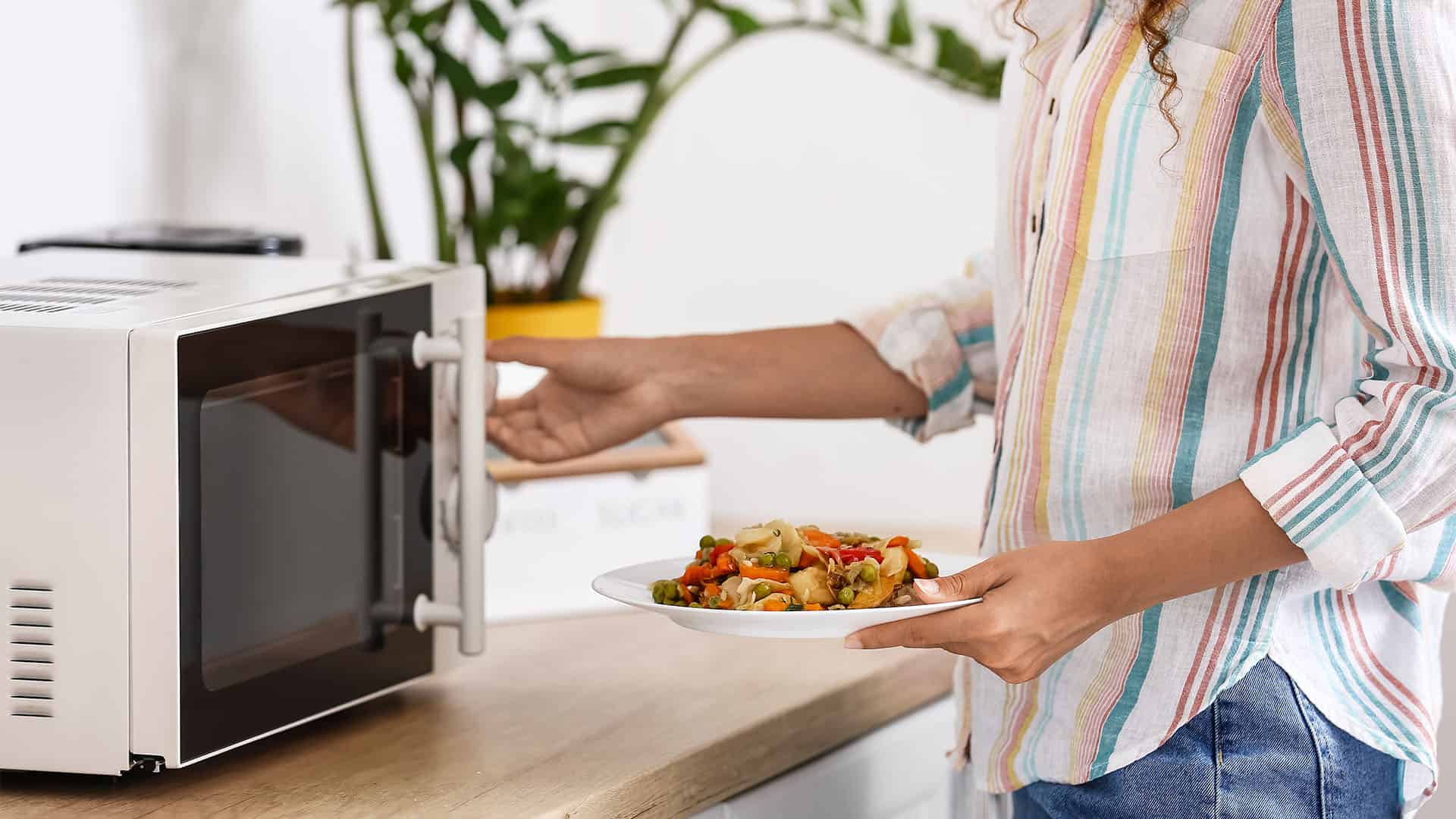
"Microwave-safe" refers to cookware that can withstand microwave radiation without melting, warping, or releasing harmful chemicals into food. The material allows microwaves to pass through, heating the food instead of absorbing the energy itself.
Microwaves work differently from regular cooking. They make water molecules in food vibrate fast, which creates heat from inside. This means some materials that work fine in ovens can be dangerous in microwaves.
Glass Cookware - Safe for Microwaves
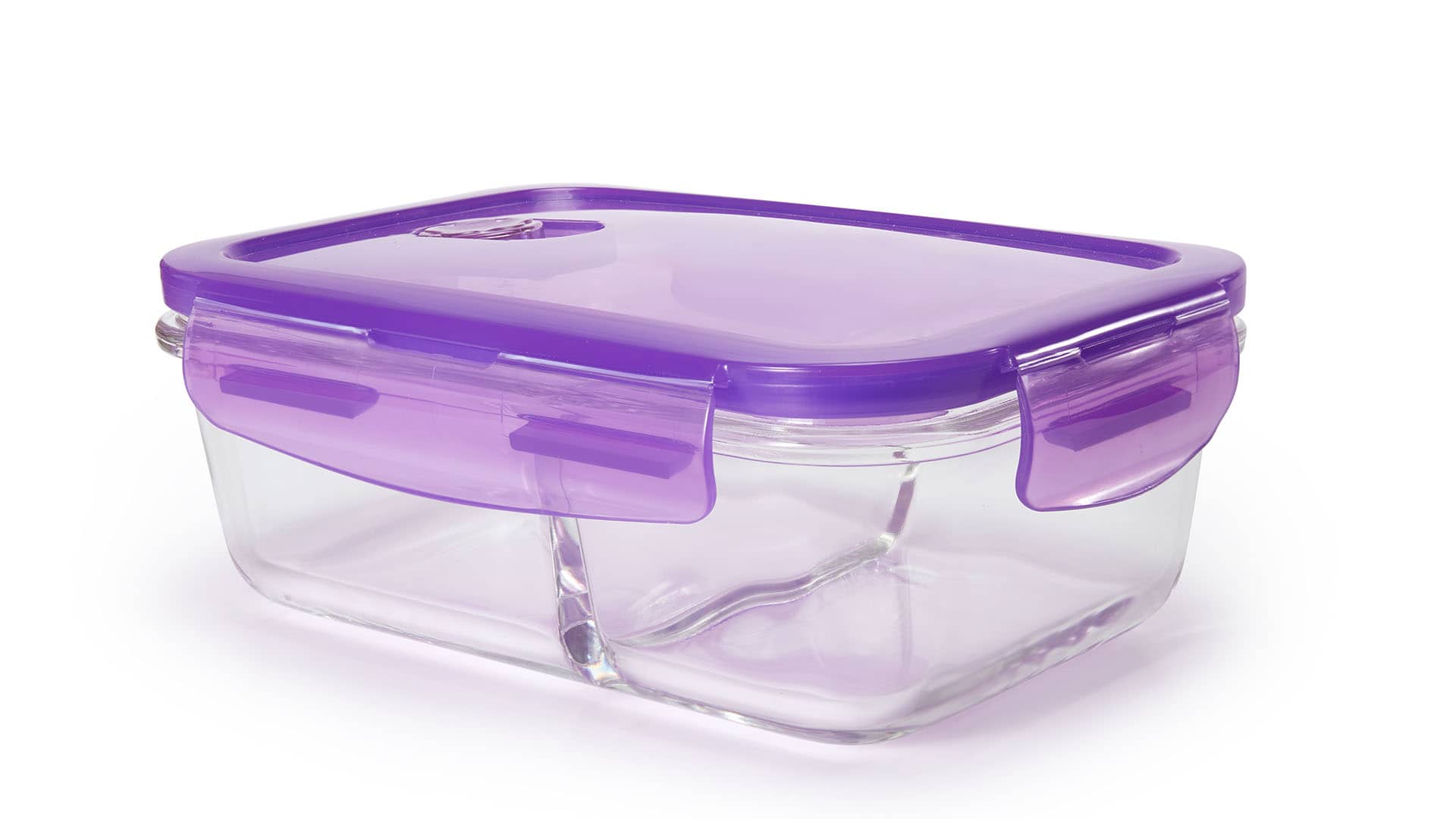
Glass cookware is one of the safest options for microwaves. Glass allows microwaves to pass through easily and remains cool during short heating times. High-quality glass cookware can withstand high temperatures.
Ceramic and Stoneware - Safe for Microwaves
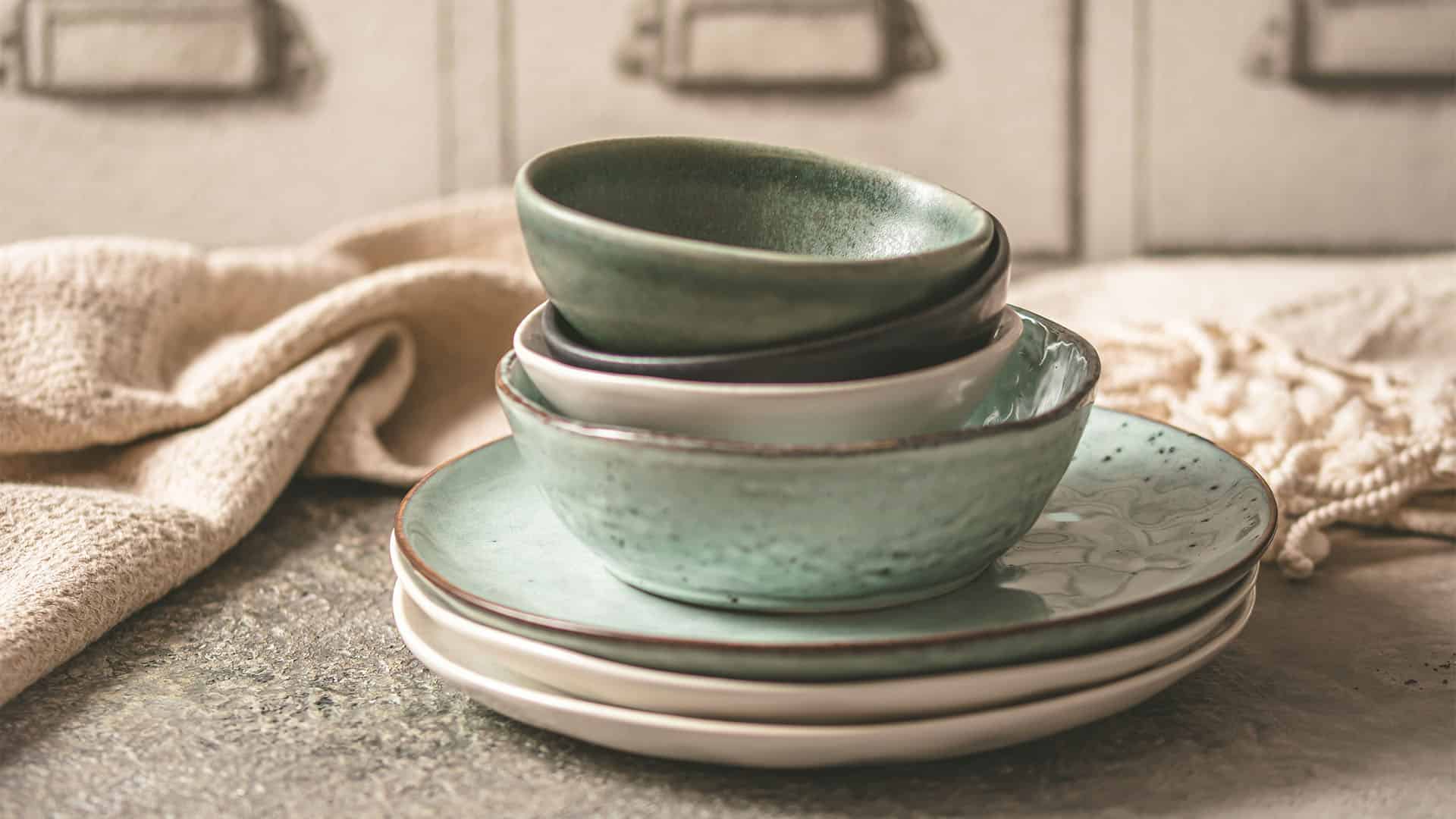
Most ceramic dishes are compatible with microwaves, although you should check for metallic trim or glazes that could cause sparks. Ceramic retains heat well, so your food stays warmer longer after heating.
Silicone Cookware - Safe for Microwaves
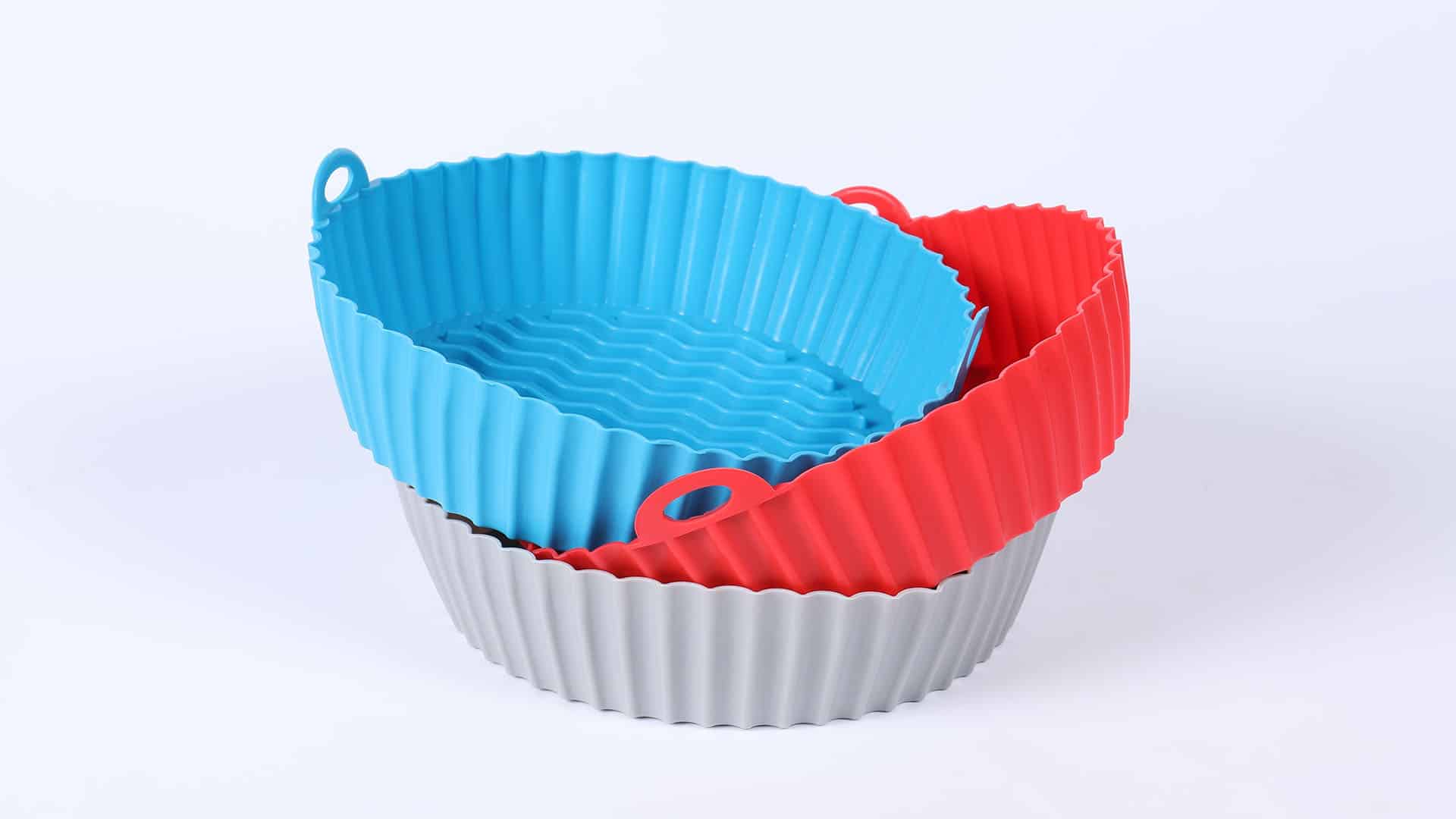
High-quality food-grade silicone containers are safe to use in microwaves. Silicone remains flexible at both high and low temperatures, making it ideal for microwave cooking and storage. The FDA states that properly manufactured silicone cookware is safe for microwave use and won't break down at normal cooking temperatures.
Microwave-Safe Plastics - Safe for Microwaves
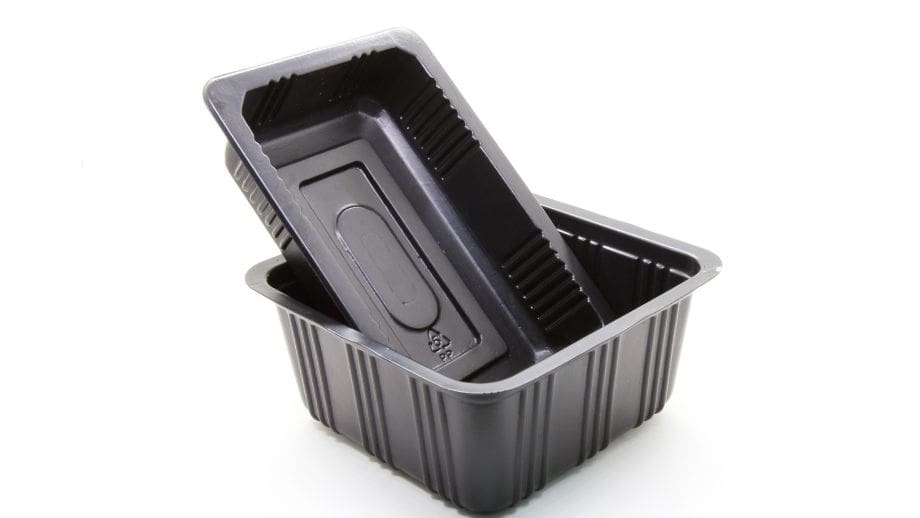
Not all plastic is safe to use in microwaves. The FDA requires rigorous testing for all food-contact plastics, but only certain types can be used in microwaves. Look for recycling codes #2 (HDPE) and #5 (PP) on the bottom of containers, as these are generally microwave-safe.
Metal Cookware and Utensils - Not Microwave-Safe
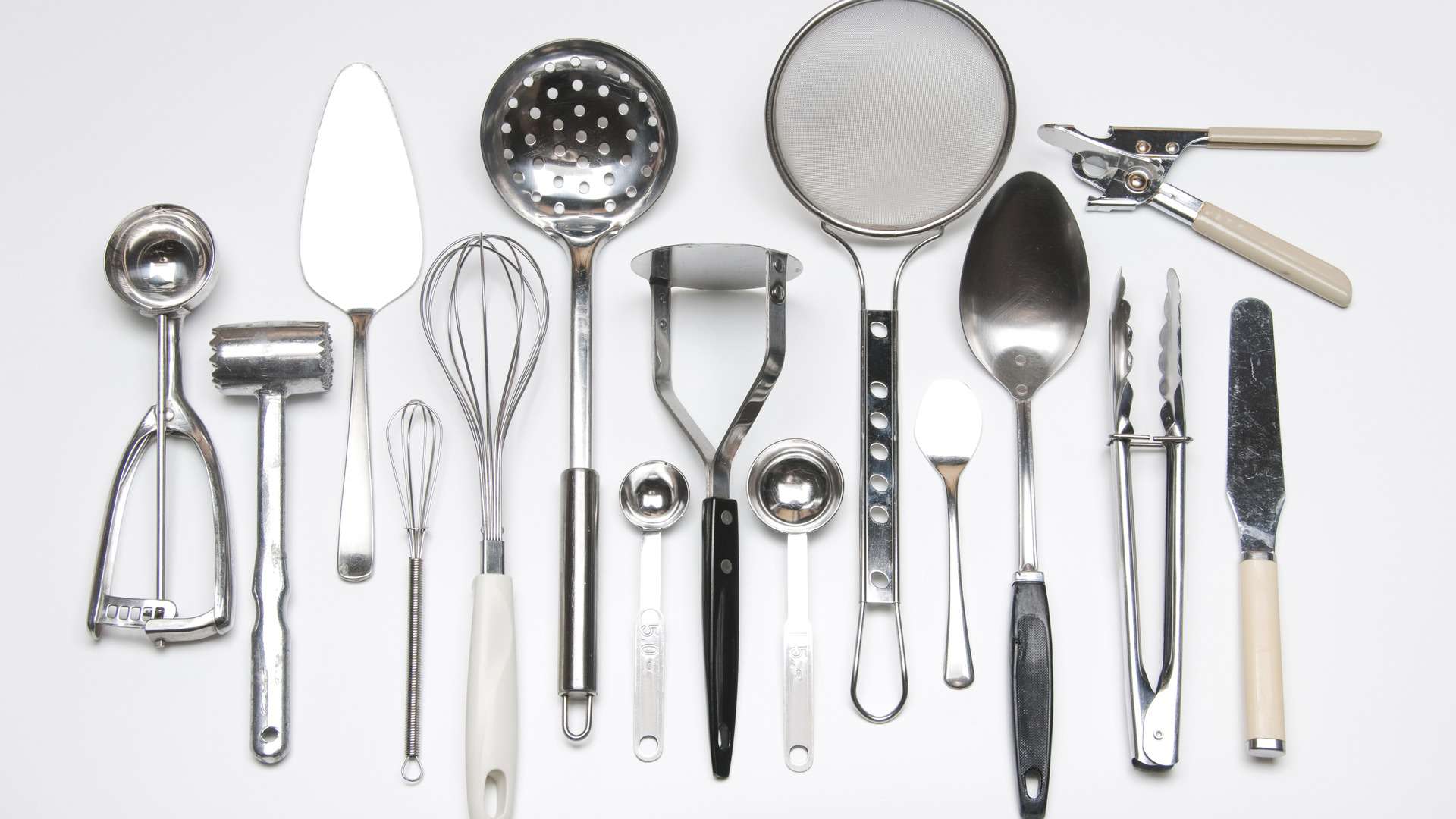
Metal reflects microwaves instead of letting them pass through, which may cause dangerous sparking that could lead to a fire. This includes aluminum foil, metal bowls, utensils with metal handles, and dishes with gold or silver trim.
Styrofoam and Disposable Containers - Not Microwave-Safe
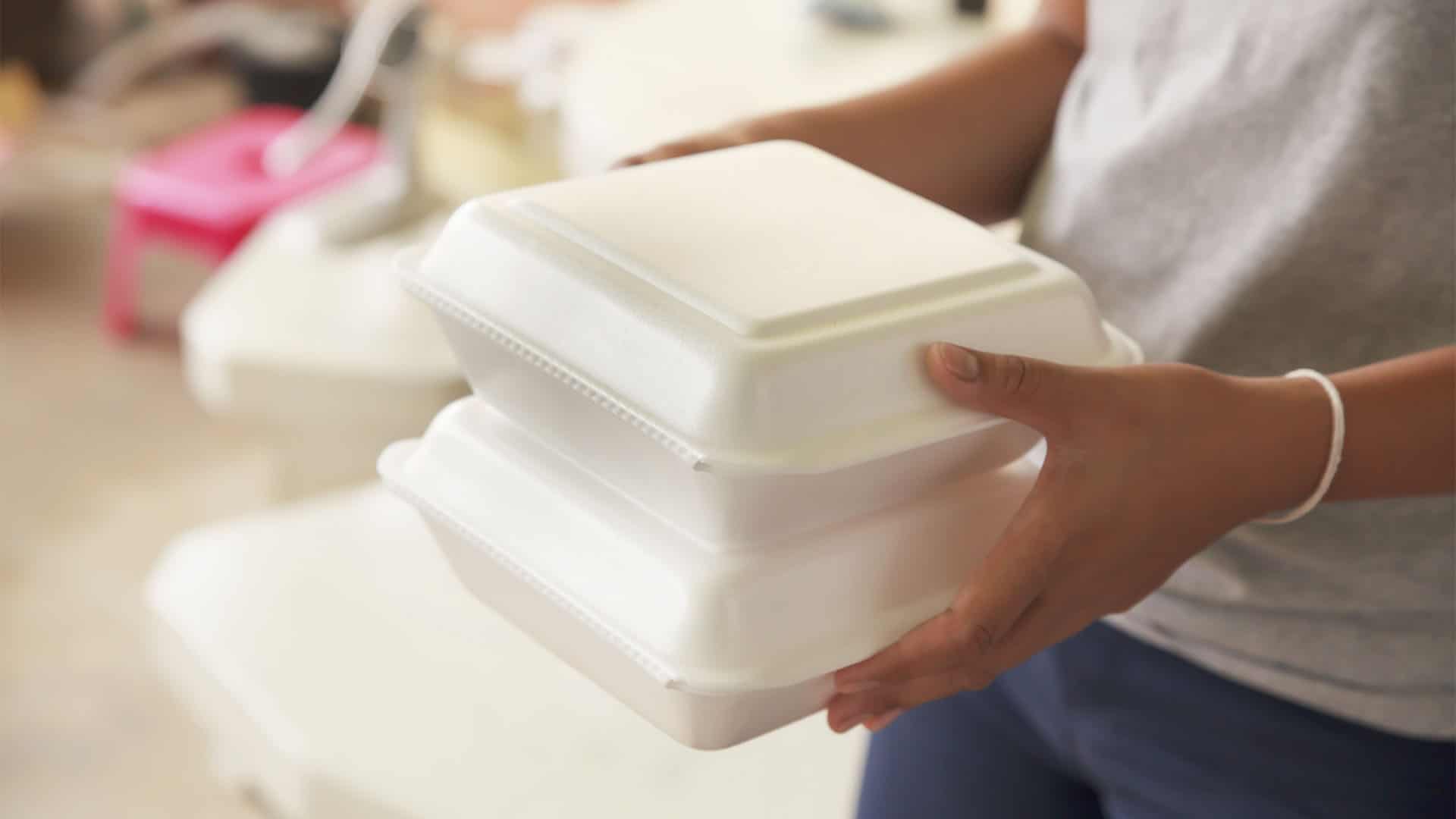
Regular styrofoam containers and most takeout boxes aren't made for microwaves. They can melt, warp, or release toxic smoke when heated. Some containers may be microwave-safe, but don’t use them unless you see a clear indication.
Paper Products (With Exceptions) - Not Microwave-Safe
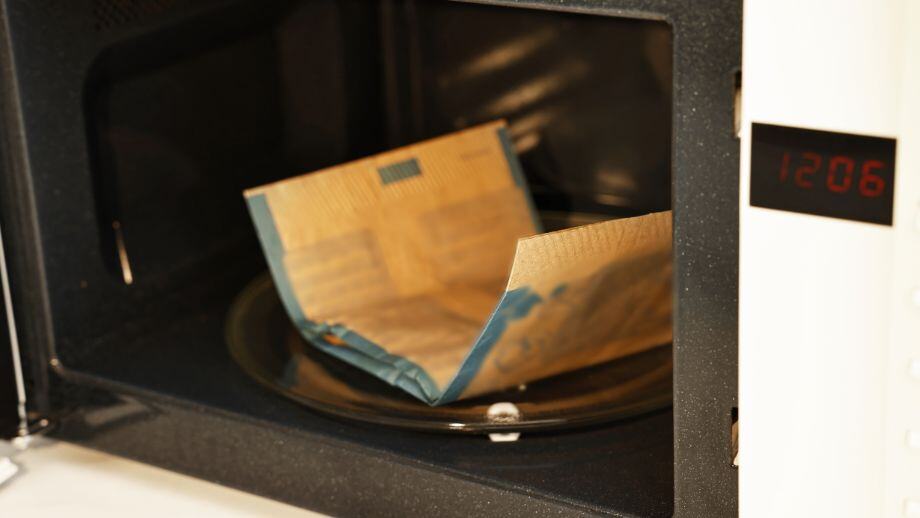
Plain white paper towels and parchment paper are usually fine for short microwave use, but avoid paper with inks, colors, or coatings. Brown paper bags, newspaper, and recycled paper may release harmful chemicals when heated or may even catch fire.
Look for the Symbol
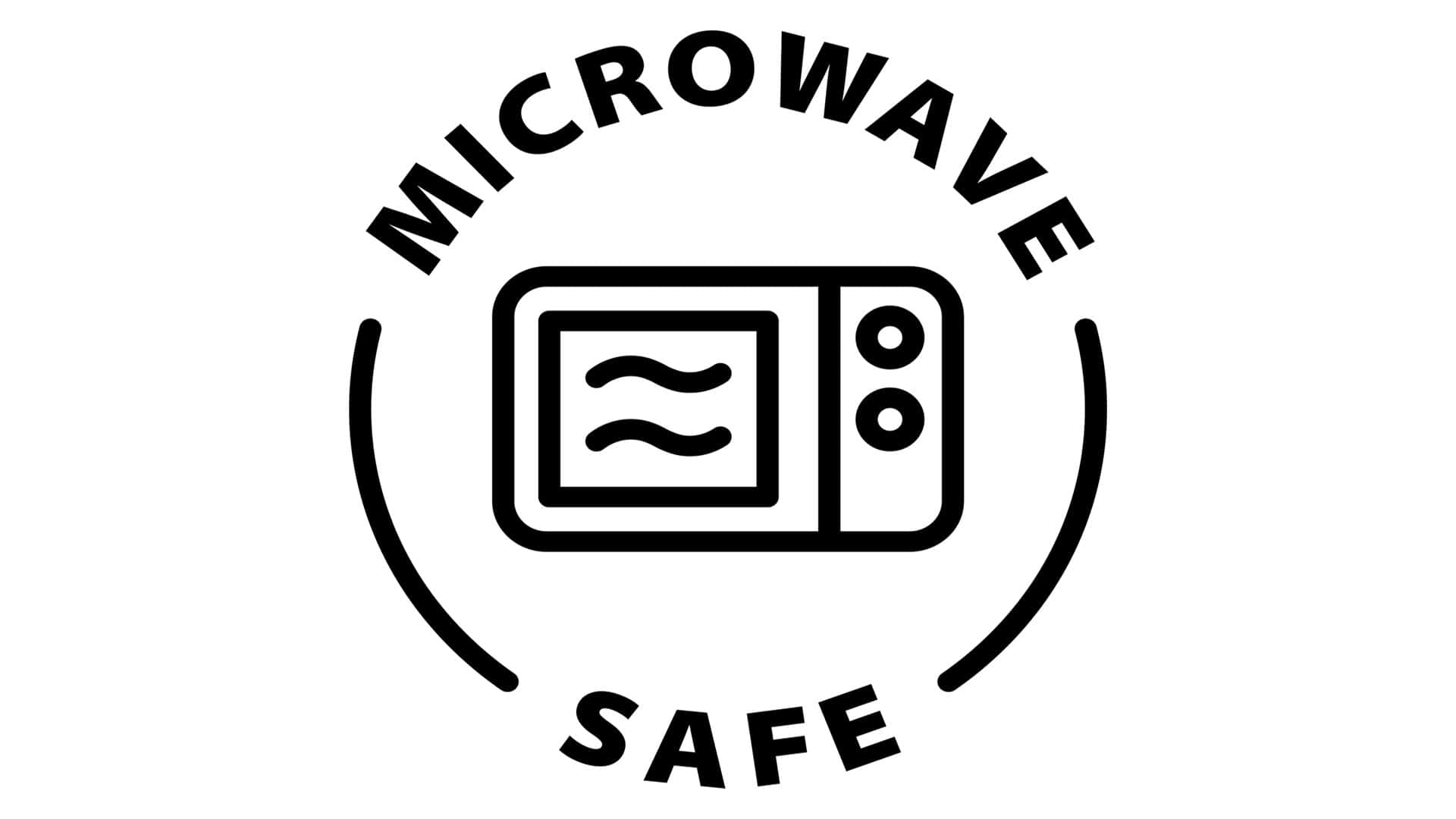
The most reliable way to identify microwave-safe cookware is by looking for the microwave-safe symbol: a square with wavy lines on top, sometimes accompanied by the words "microwave safe." This symbol means the product has passed FDA testing for safe microwave use.
Perform the Water Test
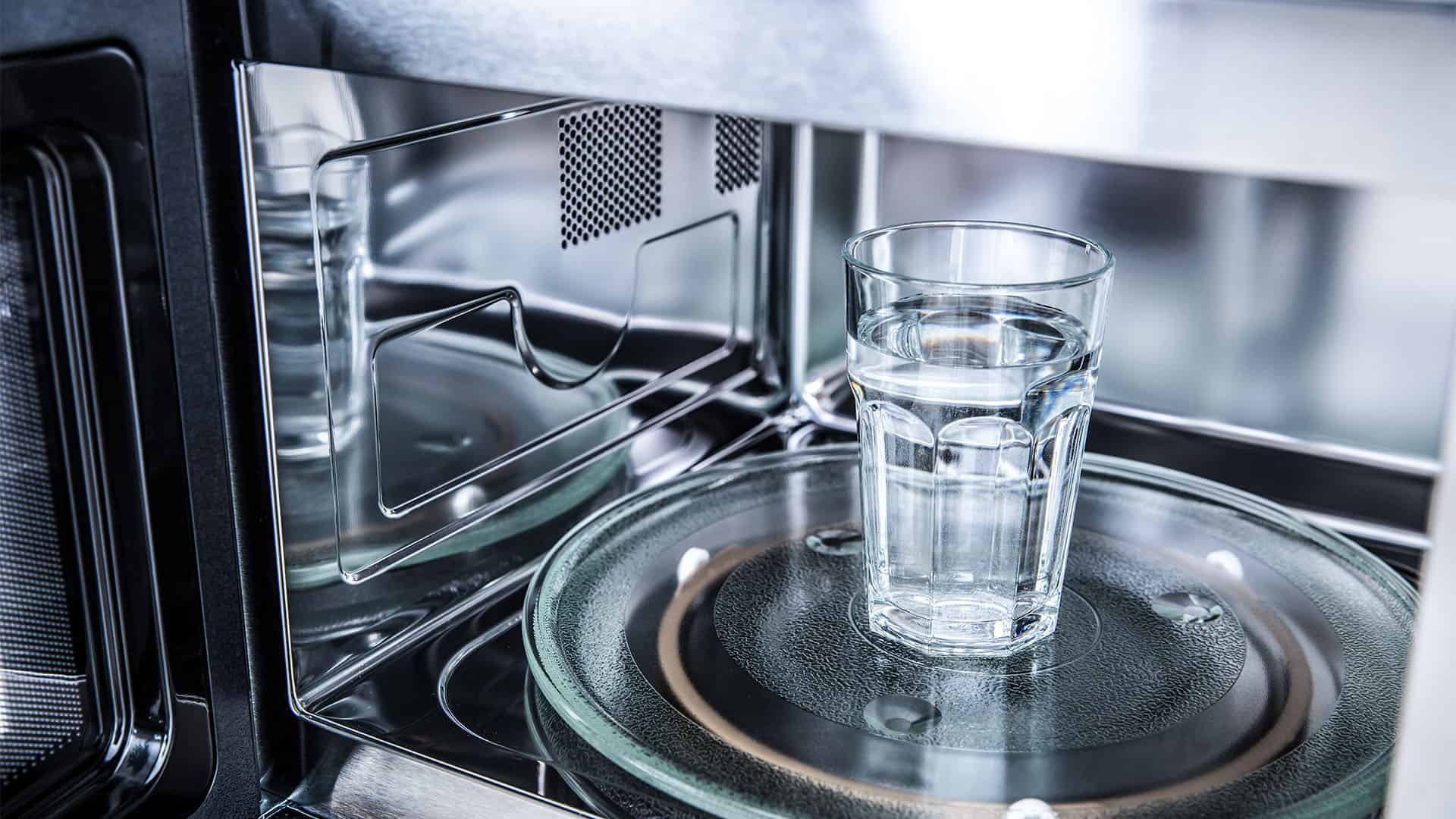
If you can't find a clear label, here's a simple test: Fill a microwave-safe cup with water and place it next to the container you want to test (don't let them touch). Microwave it for one minute. If the test container feels warm or hot, it's absorbing microwave energy and isn't safe to use. If it stays cool while the water heats up, it's likely microwave-safe.
Check the Bottom
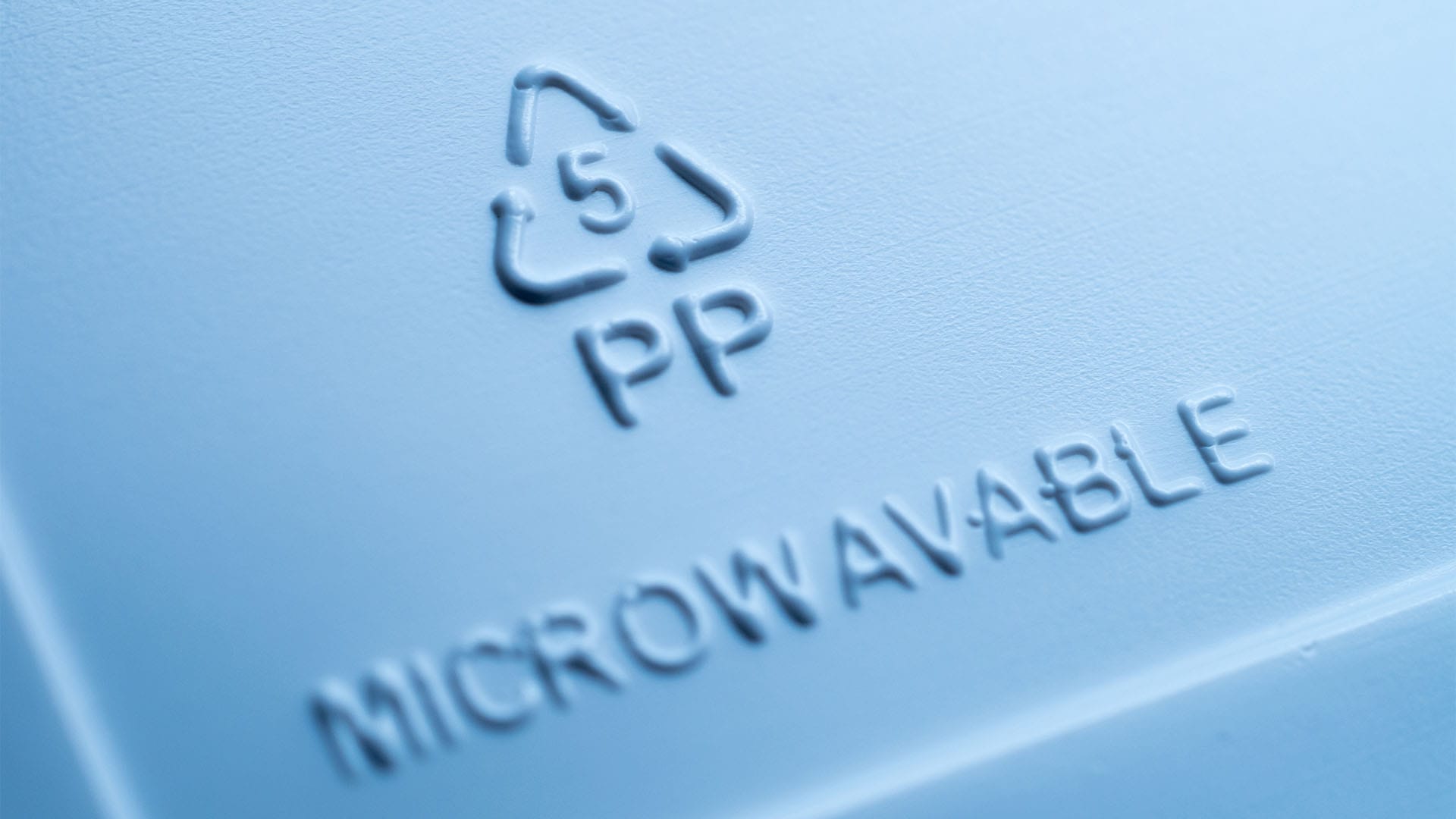
Many manufacturers include codes on the bottom of their containers, such as safety symbols or recycling codes. Before placing a container in the microwave, check the bottom for any temperature or microwave instructions.
Safety Tips for Microwave Cooking

Even if you have microwave-safe containers, you need to be careful about a few things. Never use containers that are cracked, warped, or show signs of wear or damage, as they can compromise their safety. When covering food, leave vents for steam to escape, and never completely seal containers, as pressure buildup can pose risks if the food is heated for an extended period.
Always use oven mitts when removing heated containers, as even "cool-touch" handles can become dangerously hot. Be especially careful with fatty or sugary foods, which reach higher temperatures and may cause burns.
The USDA recommends using proper microwave-safe containers for safe food heating and cooking. Understanding microwave-safe cookware is crucial for maintaining kitchen safety and preventing accidents.
Leave a Reply