
There’s a reason homemade cookies can feel frustrating one day and effortless the next. Most people assume baking is all about talent or years of experience, but the truth is much simpler. Great cookies usually come down to following a reliable process that removes guesswork.
That’s why professional bakers tend to get consistent results over and over again. It’s not because they’re magically better at baking. They just rely on repeatable systems.
Baking starts before the mixer turns on
One of the biggest mistakes home bakers make is starting before they’re actually prepared. Professional kitchens almost never work that way. Everything is measured, organized, and checked first.
That single habit alone removes a huge amount of stress from baking.
When ingredients are measured ahead of time, you’re not rushing to soften butter while flour spills across the counter or trying to remember whether you already added baking soda. Instead, the process becomes calm and predictable.
This also makes it much easier to catch mistakes before they happen. If you accidentally forgot to buy an ingredient or measured something incorrectly, you’ll know before the dough is halfway finished.
Why butter temperature matters more than people realize
One of the most important parts of cookie baking occurs during the creaming stage, when butter and sugar are mixed. This is where texture begins.
Many people rush this step or use butter that’s either too cold or partially melted. Both can create problems. Butter that’s too cold won’t cream properly, while butter that's overly soft or melted can lead to flat, greasy cookies.
Room-temperature butter is the sweet spot. It should feel soft enough to press gently with your finger but still hold its shape.
When butter and sugar are creamed together correctly, the mixture becomes lighter and smoother. Tiny pockets of air form during mixing, which helps create cookies with better texture and structure during baking.

The right mixing order actually matters
A lot of cookie recipes seem simple enough that people assume the order doesn’t really matter. But baking is more structured than cooking dinner. Ingredients behave differently depending on when and how they’re added.
After creaming butter and sugar, eggs are usually added next because they help emulsify the mixture and create a smoother dough. Vanilla extract is often added alongside the eggs, so it distributes evenly.
Dry ingredients are typically mixed separately before being gradually added to the wet ingredients. That extra bowl may feel unnecessary, but it helps evenly distribute ingredients like baking soda, salt, and cocoa powder throughout the dough.
Skipping this step can lead to uneven cookies, with some rising differently from others.
Once the flour mixture is added, overmixing becomes the next thing to avoid. This is another area where beginner bakers often struggle, as they assume that more mixing equals better dough.
In reality, overmixing develops too much gluten, which can make cookies tougher instead of soft and tender. The goal is simply to combine the ingredients, ideally with a rubber spatula, until no dry streaks remain.
Consistency is what makes baking feel easy
One reason people think baking is difficult is that small inconsistencies can completely change the outcome.
A loosely packed cup of flour versus a heavily packed cup of flour can create two very different cookie doughs. The same goes for uneven cookie sizes on a baking sheet or ovens that run hotter than expected.
That’s why experienced bakers rely on consistency whenever possible.
Parchment paper also helps create more reliable results by preventing sticking and promoting more even browning on the bottom of the cookies.
Even oven temperature matters more than people realize. Many home ovens are inaccurate by 15 to 25 degrees. A simple oven thermometer can completely change baking results because it shows the actual temperature rather than relying on the oven display.
These are small adjustments, but together they remove many of the variables that make baking feel unpredictable.

The best cookie recipes are flexible
Once someone learns how to properly cream butter and sugar, add dry ingredients correctly, and bake consistently, they can start experimenting confidently without worrying about failure.
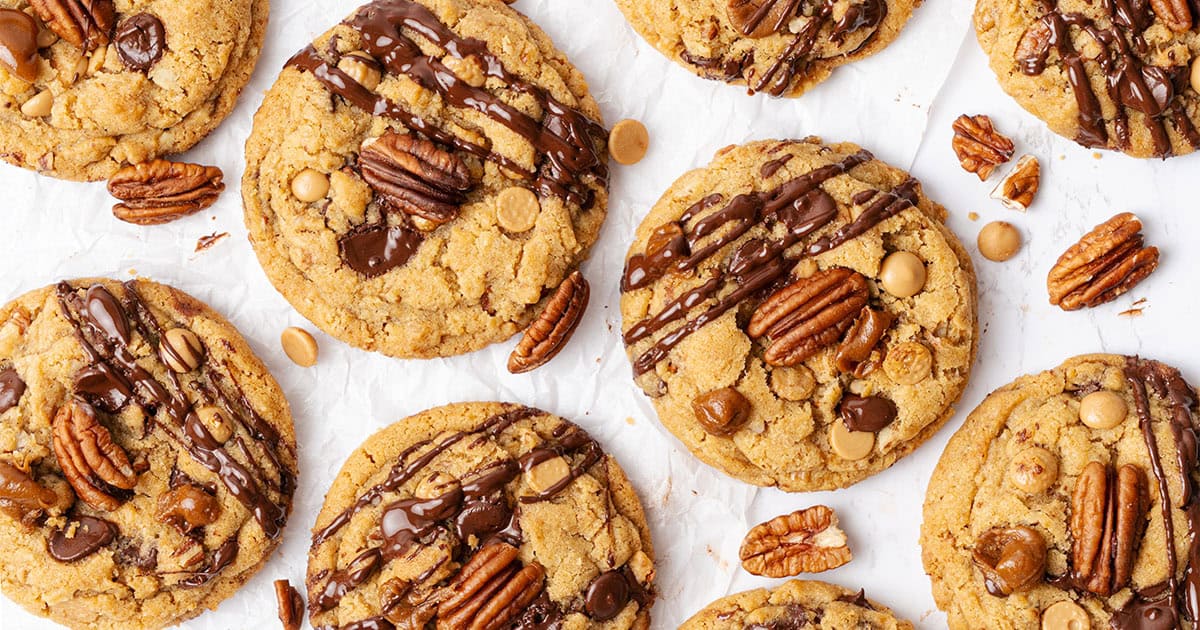
Chocolate chips can become white chocolate chips. Pecans can become walnuts. Caramel pieces can be swapped for peanut butter chips, toffee bits, crushed pretzels, or dried fruit.
That’s where baking becomes fun instead of stressful.
Chilling dough is sometimes the missing step
One thing that surprises many beginner bakers is how often cookie dough benefits from resting in the refrigerator before baking.
Chilling dough helps solidify the butter again, which slows spreading in the oven and can create thicker, chewier cookies.
It also gives the flour more time to fully hydrate, which improves texture and flavor. Even a short 30-minute chill can make a noticeable difference.
Baking is more about process than talent
One of the biggest myths about baking is that some people are naturally good at it while others simply are not. In reality, most successful baking comes from repeatable habits rather than instinct.
That’s what makes methods like the turtle cookie process so useful for beginner bakers. The recipe itself is delicious, but the real lesson is understanding how structure creates consistency.
Once people stop treating baking as guesswork and start treating it as a simple, step-by-step system, the entire experience changes.
Instead of hoping cookies turn out well, you start expecting them to.
Leave a Reply