
A decades-old appliance is getting fresh attention online, and it’s striking a nerve for anyone who’s ever felt modern products don’t quite hold up the same way. In a recent viral video, an account specified in an antique appliance is showing a vintage refrigerator, pointing out details that feel surprisingly thoughtful even by today’s standards.
The fridge, he explains, is a General Electric refrigerator from 1958. As he opens the door, one of the first features he highlights is a set of built-in lazy Susans. Instead of digging through crowded shelves, the circular trays spin, making it easy to reach items in the back. They can also be adjusted to different heights depending on what needs to be stored, adding a level of flexibility that many modern fridges still struggle to match.
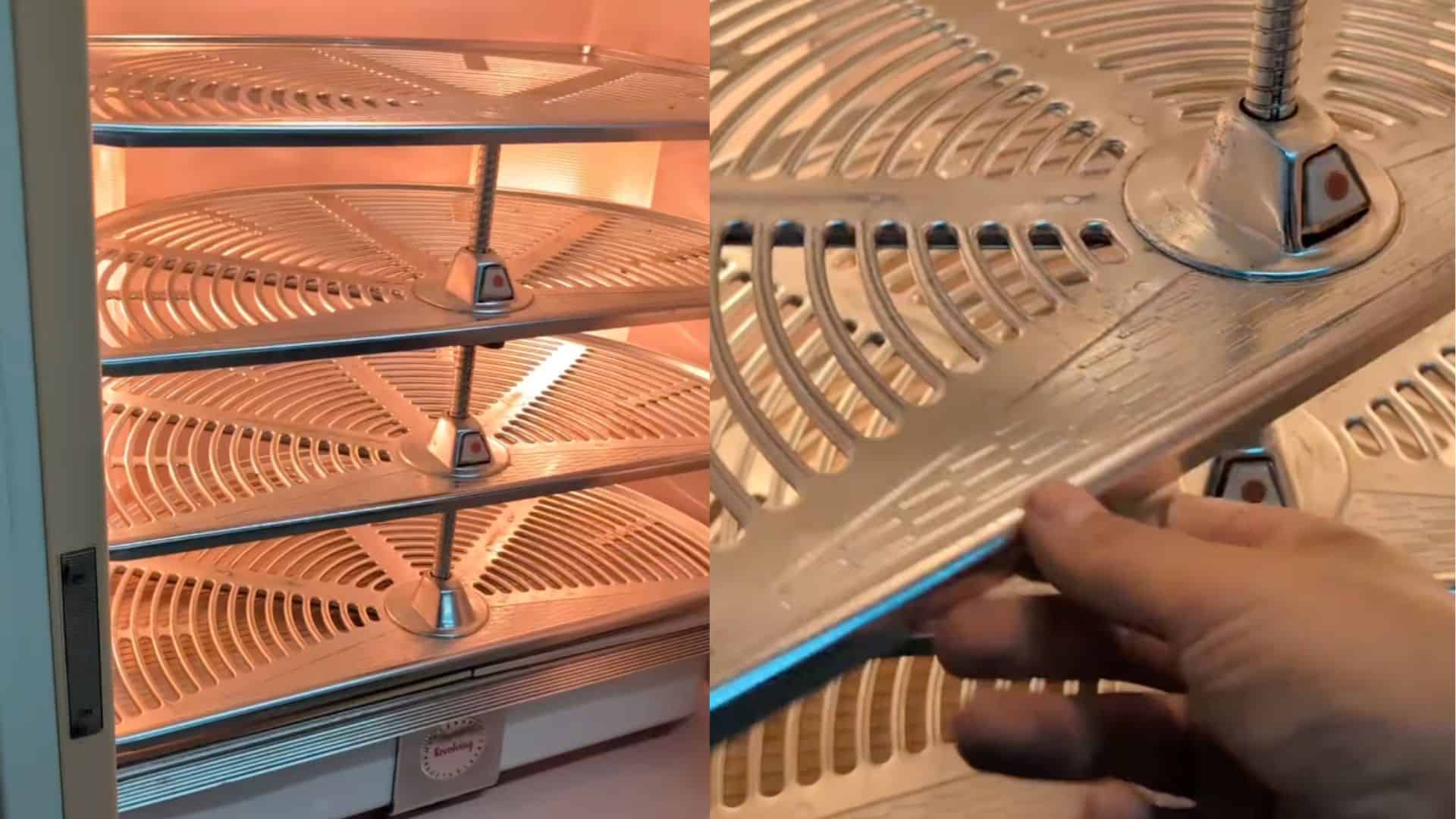
Another detail that stands out is a rotating crisper drawer that maximizes space. It’s a simple concept, but one that feels intentional. The design makes better use of the interior without adding bulk, a common issue in newer models that prioritize size over usability.
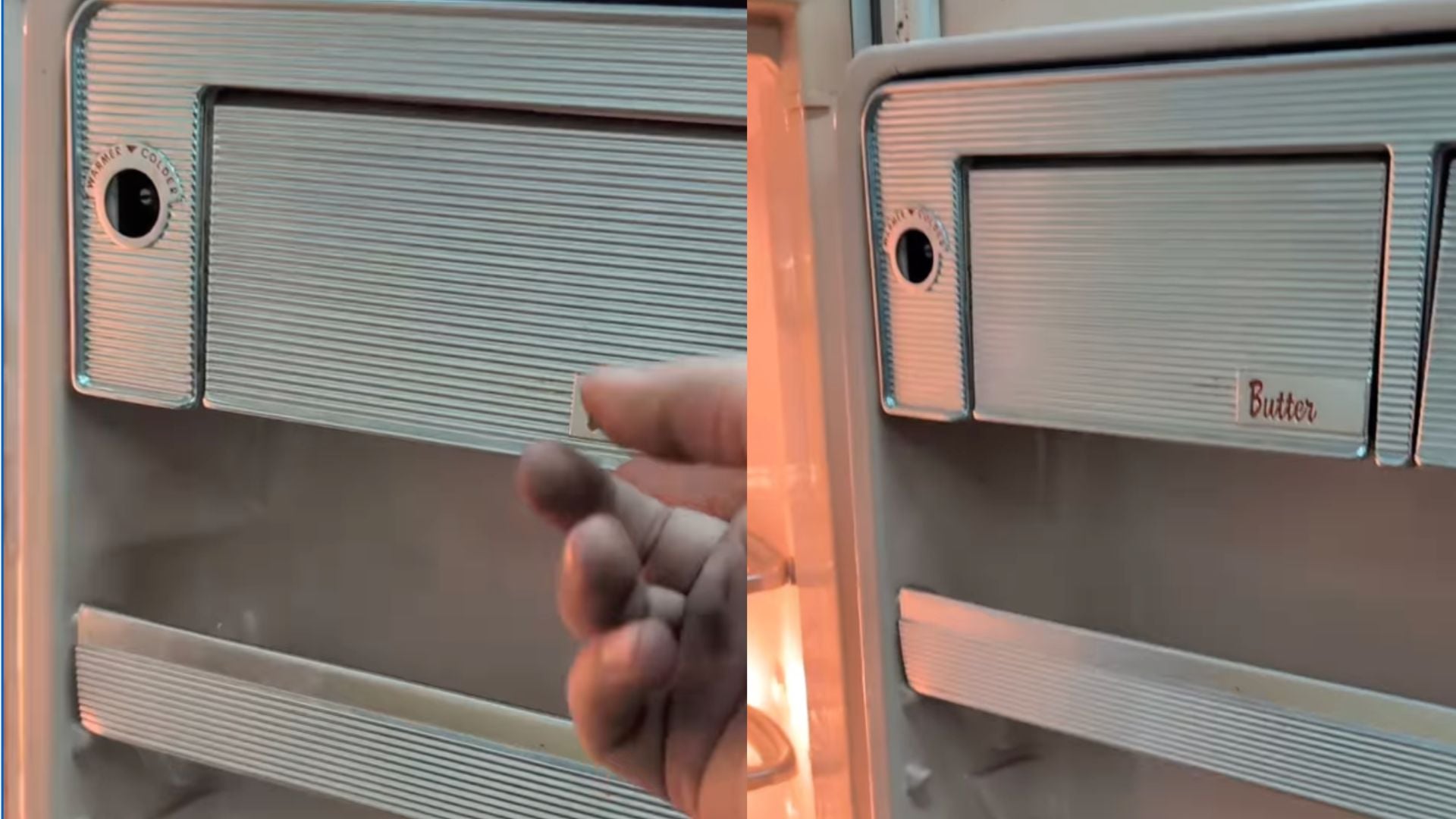
Then there’s the butter compartment, which comes with its own temperature control. The man points out, “Back when butter was still real, they had a separate compartment inside the fridge for it.”
It’s a small feature, but it speaks to how appliances were once designed around specific foods and everyday habits, rather than a one-size-fits-all approach.
The freezer is located in a pull-out drawer at the bottom, offering easy access without forcing you to crouch and dig through a packed compartment. Even that detail feels ahead of its time, echoing layouts that many high-end refrigerators use today.
He ended the video by showing how sturdy and strong the lazy susan in the fridge is. He added a few steel plates to one level, then weighed them to confirm that the shelf was holding 45 pounds. That alone is proof that the plastic shelves on today's fridges really don't hold a candle to this decades-old model.
When a video like this goes viral, you know that there are going to be lots of comments. Over 9,000 people left their thoughts.
One person said, "This. This is what we want. Not a camera inside the fridge. Not a touchscreen on the door. Actual useful features!"
The features sound cool, but when they start breaking down, all you want at that point is the simplicity of a fridge that just does what it's supposed to do, which is to keep the food cold.
Another wrote, "When did we all collectively start accepting mediocrity?"
It was a slow shift that slowly became mainstream.
Someone else said, "They made everything worse while making everything more expensive."
It's almost as if they want us to have to buy new items every few years to keep the money flowing and fresh in the economy. There's no money in appliances that last forever.
Why new appliances feel like they're breaking more often than older ones
While some of that is perception, there are a few real reasons behind why modern fridges, washers, and ovens can feel less durable than their decades-old counterparts.
One of the biggest shifts is how appliances are built. Older models relied heavily on simple, mechanical parts. Fewer components meant fewer points of failure. Today’s appliances are packed with sensors, circuit boards, touchscreens, and smart features. Those additions make them more convenient, but they also introduce more things that can break, and when they do, repairs are often more complex and expensive.
Materials have changed, too. Many older appliances used heavier metals and thicker components. Modern designs favor lighter, more cost-efficient materials to keep prices competitive and meet energy standards. That doesn’t automatically mean “cheap,” but it can mean parts wear down faster under regular use.
Efficiency standards also play a role. New appliances are designed to use less energy and water, which is a good thing overall. But to meet those standards, manufacturers often use tighter tolerances and more specialized parts. That can make systems less forgiving over time, especially if maintenance isn’t consistent.
Then there’s how products are manufactured and sold. Production today is faster and more global, with parts sourced from multiple suppliers. That can lead to inconsistencies in quality.
Repair culture has shifted as well. In the past, fixing an appliance was often straightforward and affordable. Now, diagnosing a problem might require specialized tools or software, and replacement parts can be costly. In some cases, it’s cheaper to replace the appliance than repair it, which reinforces the idea that things don’t last.
None of this means modern appliances are inherently worse. They’re more efficient, often safer, and designed for how people live today. But the tradeoff is clear: more features and tighter standards can come at the cost of long-term durability and ease of repair.
Leave a Reply