
Weeknight dinners are often the healthiest and most practical way to eat, but busy schedules do not always leave room for spending hours in the kitchen. Even people who enjoy cooking can find the daily time commitment exhausting after a long day. However, preparing fresh meals does not have to mean sacrificing the entire evening. A few smart cooking habits can significantly reduce both effort and time, making weeknight dinners far more manageable.
The following cooking hacks are not gimmicks. They are habits used by people who cook often and need food on the table without stretching the evening thin.
Front-load the prep
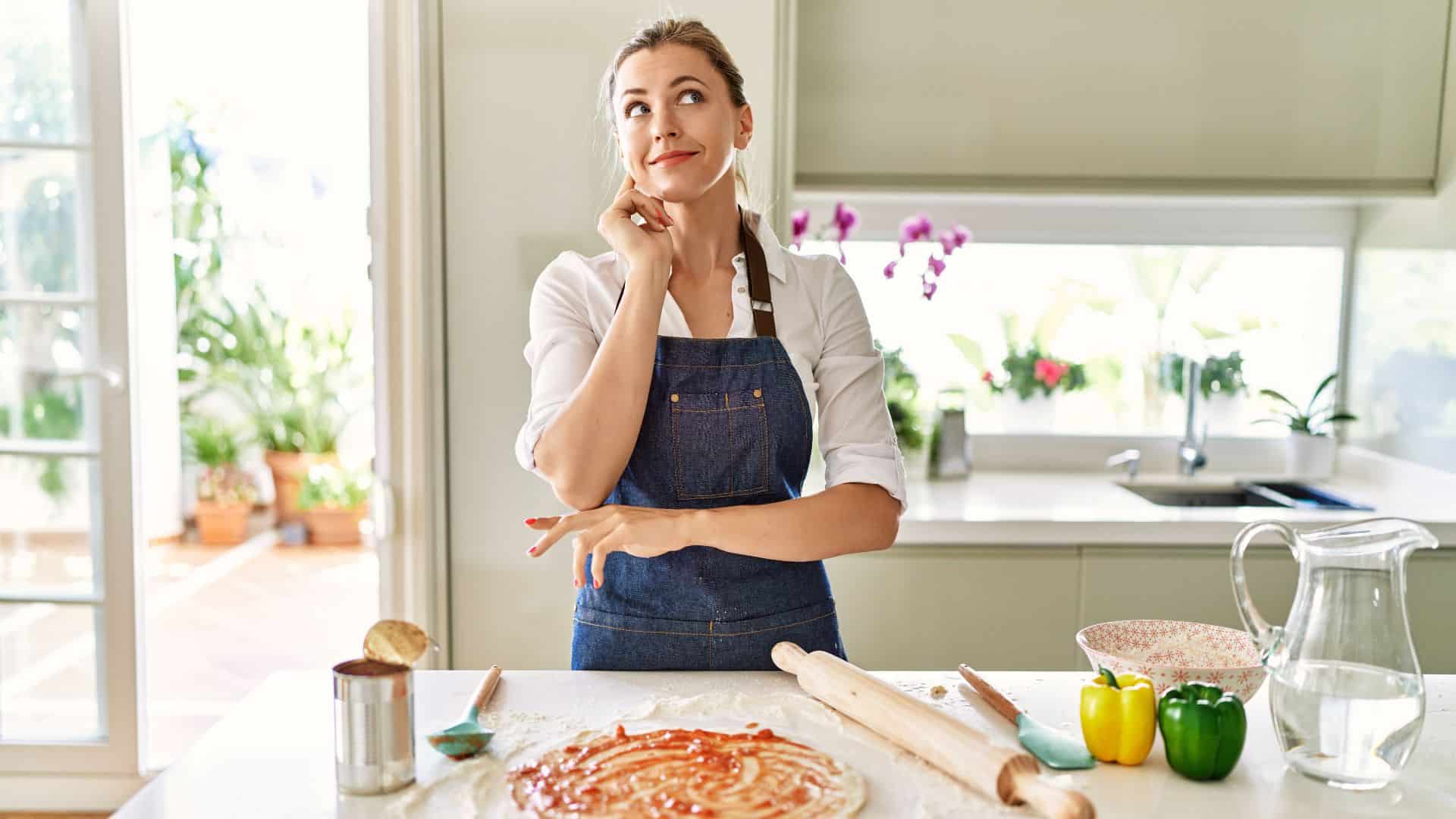
Most weeknight cooking time is lost before the stove even turns on. Washing produce, peeling onions, trimming meat, and hunting for tools eat up half the clock. Front-loading prep means doing these tasks earlier, when time pressure is lower.
This does not require full meal prep or cooking days in advance. It can be as simple as washing and chopping vegetables when groceries come home, portioning meat into recipe-sized packages, or storing peeled garlic in the fridge for the week. By dinner time, the work that usually slows things down is already finished.
Making this a habit works best when it is tied to an existing routine. Many people find it easiest to prep while unloading groceries or while cleaning the kitchen after dinner. Ten extra minutes in those moments can remove thirty minutes of friction later in the week.
The payoff is immediate. When ingredients are ready to use, recipes move faster, and cooking feels more manageable.

Cook once, eat twice
Cooking extra is often framed as leftovers, but this approach works best when meals are planned with reuse in mind. The goal is not to eat the same dish repeatedly, but to let one cooking session support several meals.
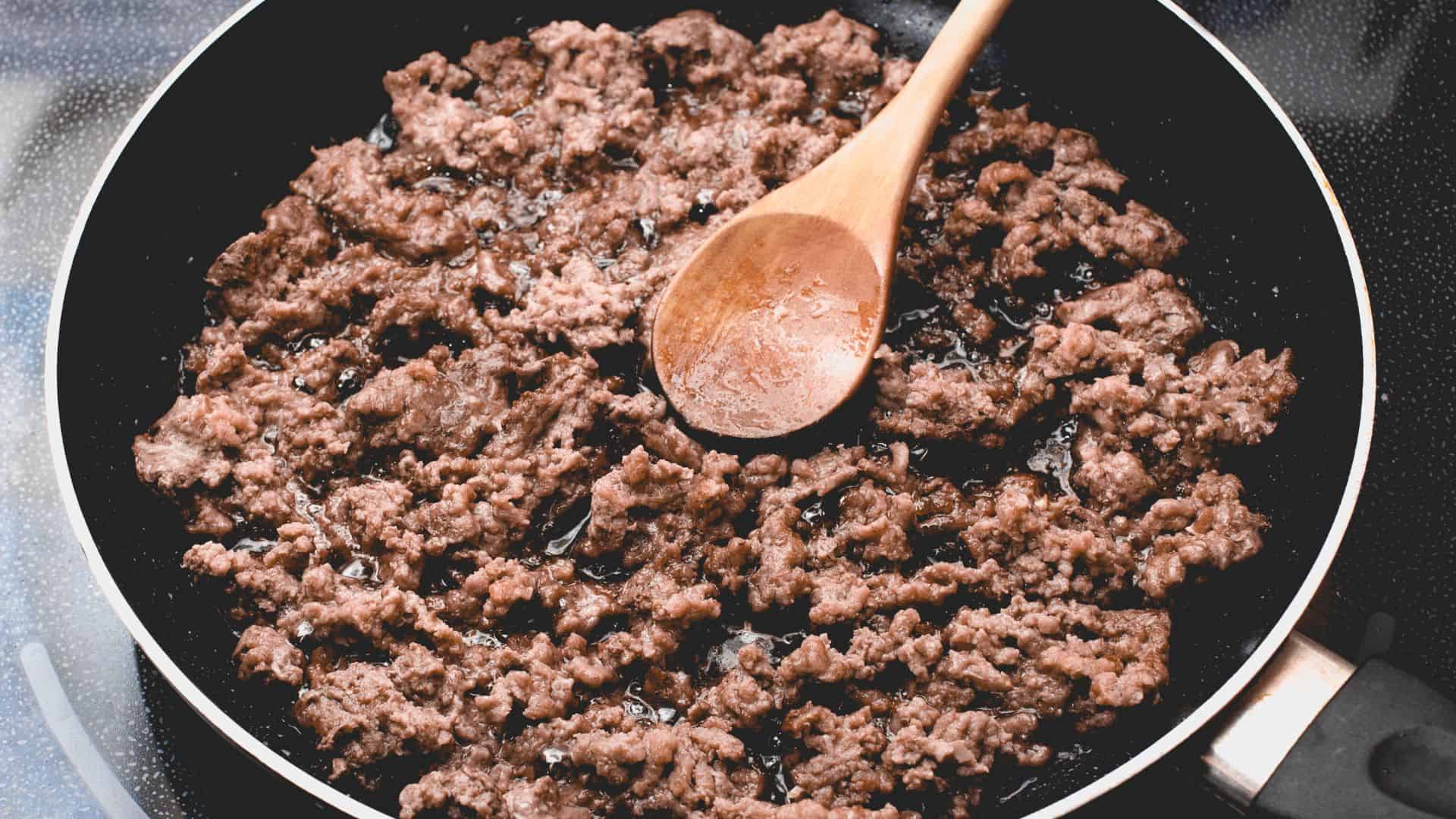
Roasted chicken can become tacos the next night. Ground beef can stretch into pasta sauce or quick skillet meals. A pot of rice can anchor stir-fries or soups across several days.
This habit starts at the stove. When cooking, doubling a protein or grain usually adds only a few extra minutes. The key is storing it in a way that makes reuse obvious. Clear containers and simple labels help prevent forgotten leftovers.
People who rely on this method often keep a short mental list of “base foods” they cook every week. This habit reduces both cooking time and decision fatigue, since dinner options are already halfway complete.
Use heat efficiently
Many weeknight recipes waste time by underusing the heat. Waiting for pans to warm up or cooking everything on low heat stretches meals longer than necessary.
Preheating properly makes a noticeable difference. Pans should be hot before food goes in, and ovens should be ready before dishes are assembled. High heat speeds up cooking and improves flavor.
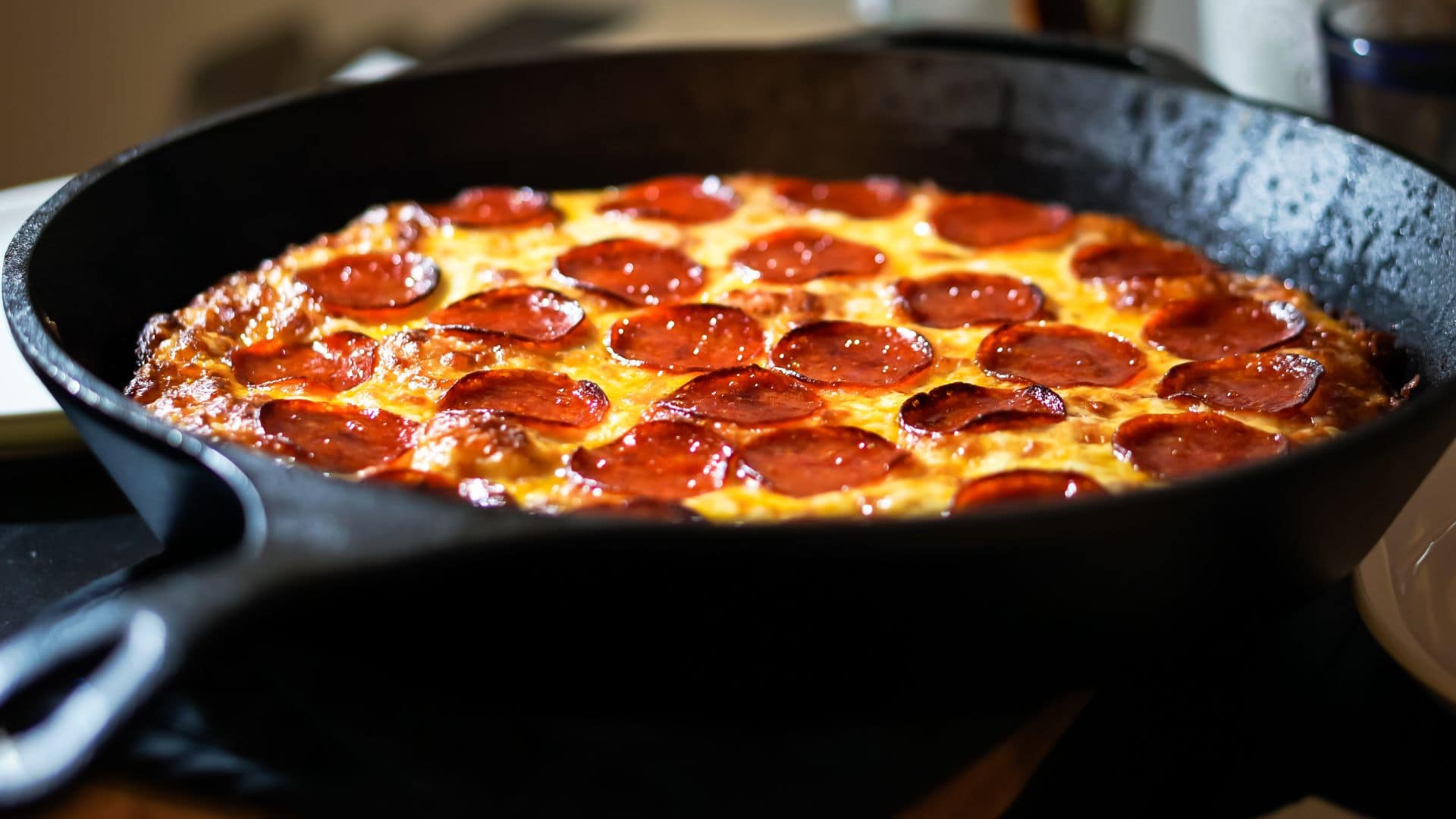
Sheet pans, cast iron, and stainless steel are especially effective for fast cooking because they hold heat well. Using the right size pan also matters. Overcrowded pans slow browning and extend cook time, while oversized pans can dry food out.
Turning this into a habit requires awareness, not skill. Start heating pans earlier in the process and resist the urge to lower the heat out of caution.
Keep a short rotation
Decision-making slows dinner down more than cooking itself. Staring into the fridge or scrolling through recipes burns time before any food is made.
A short rotation of trusted meals removes that delay. These are dishes that are fast and familiar. They rely on pantry staples and allow substitutions without stress.
This does not mean eating the same meals every week. Rotations change and evolve. The goal is to have a reliable set of defaults that require little thought.
Many people keep five to seven meals in regular rotation. When a busy night hits, there is no need to decide what to cook. The decision has already been made.
Building this habit takes a few weeks of attention. Each time a meal feels easy and successful, it earns a place in the rotation, and soon, you'll have a list that becomes a personal shortcut to faster dinners.
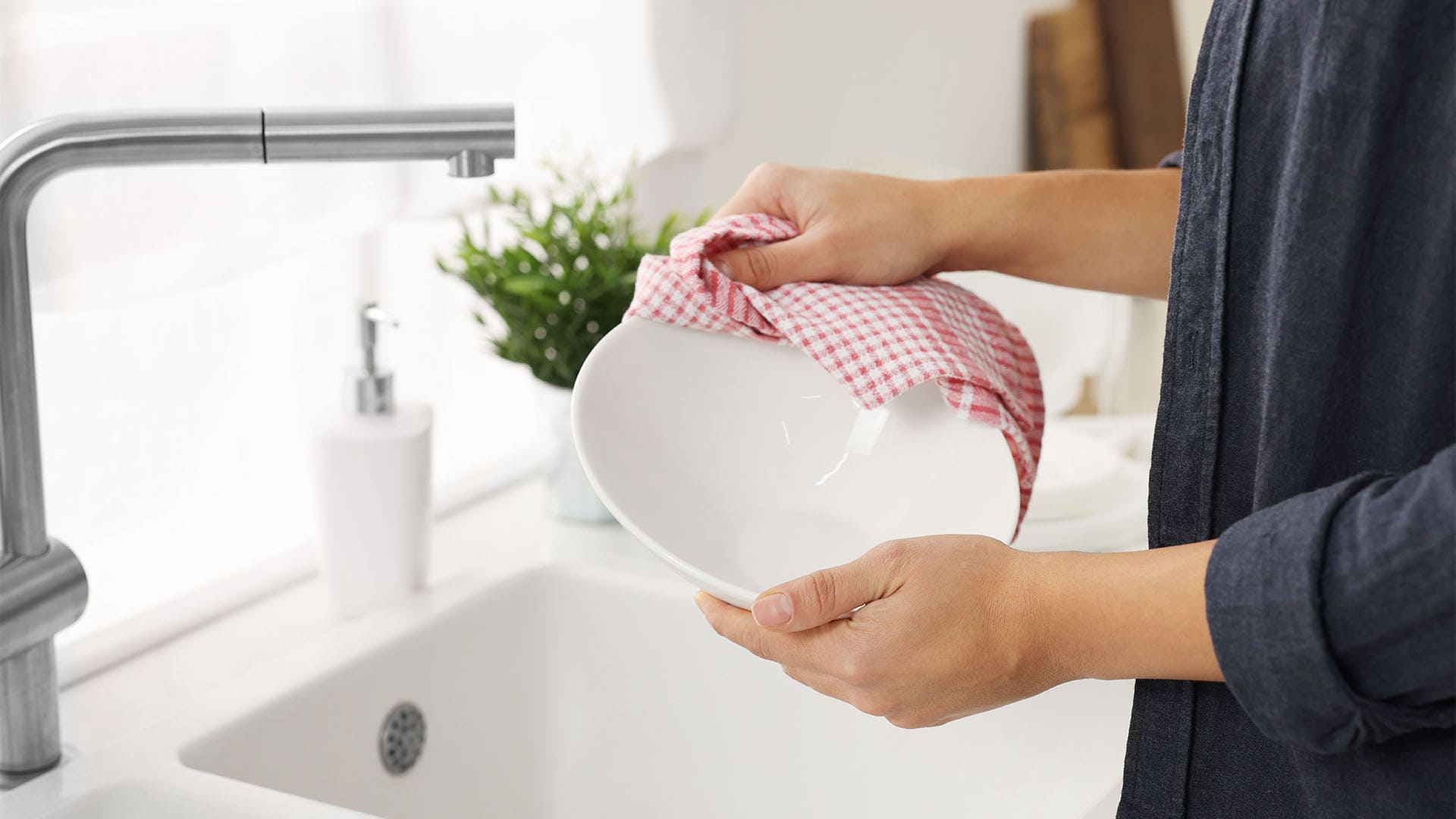
Clean as you go
Kitchen cleanup often stretches dinner well past the meal itself. Piles of dishes and cluttered counters add stress and make the next night harder.
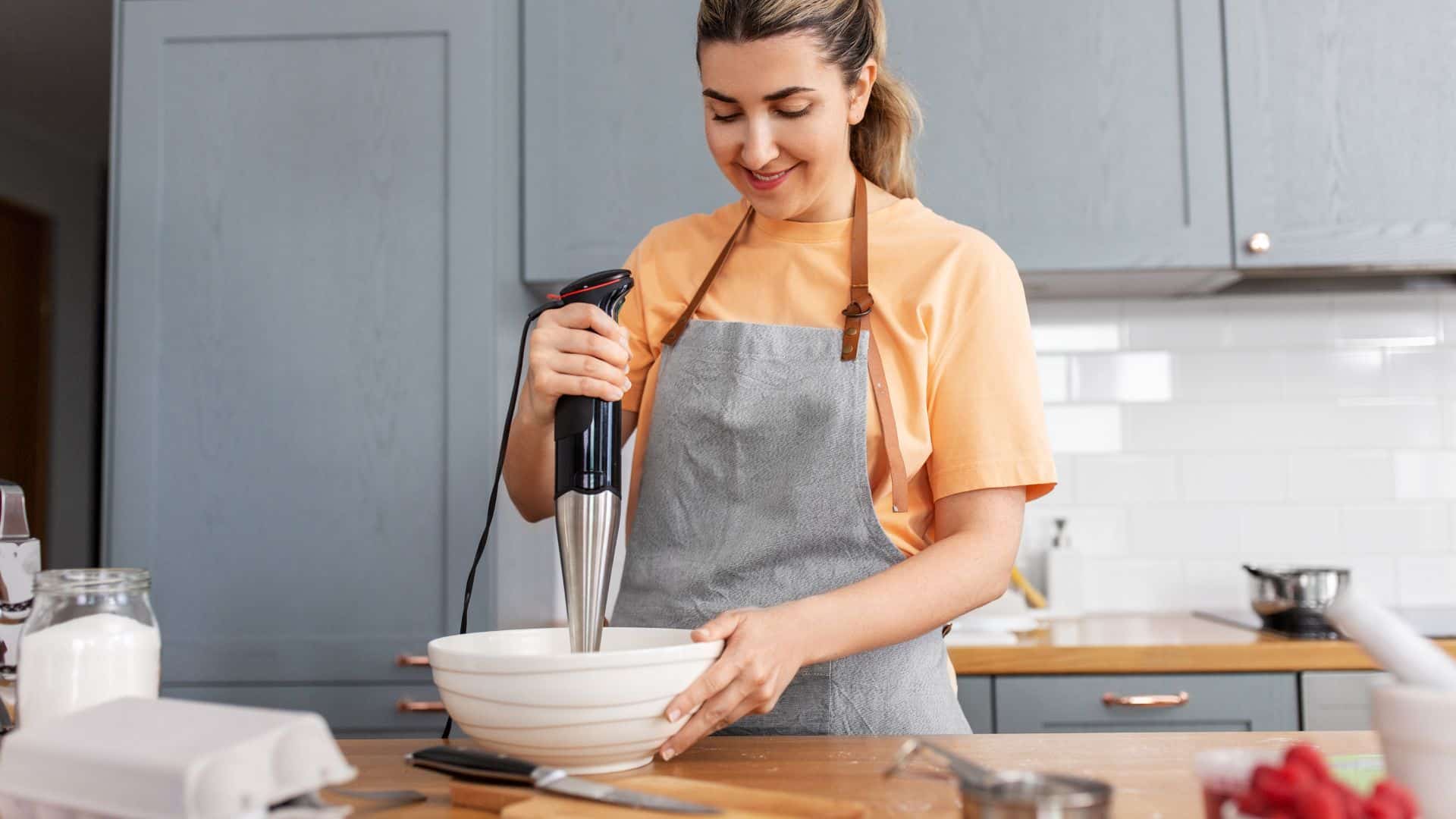
Cleaning as you go reduces both cooking time and post-dinner work. Wiping surfaces while food cooks and loading the dishwasher in stages prevent mess from building.
This habit works best when paired with natural pauses in cooking. While water boils or food simmers, small cleaning tasks can be handled quickly. These moments add up.
People who adopt this approach often notice that their kitchens feel calmer. That calm carries into cooking itself, making meals feel shorter and more controlled.
Lean on the freezer
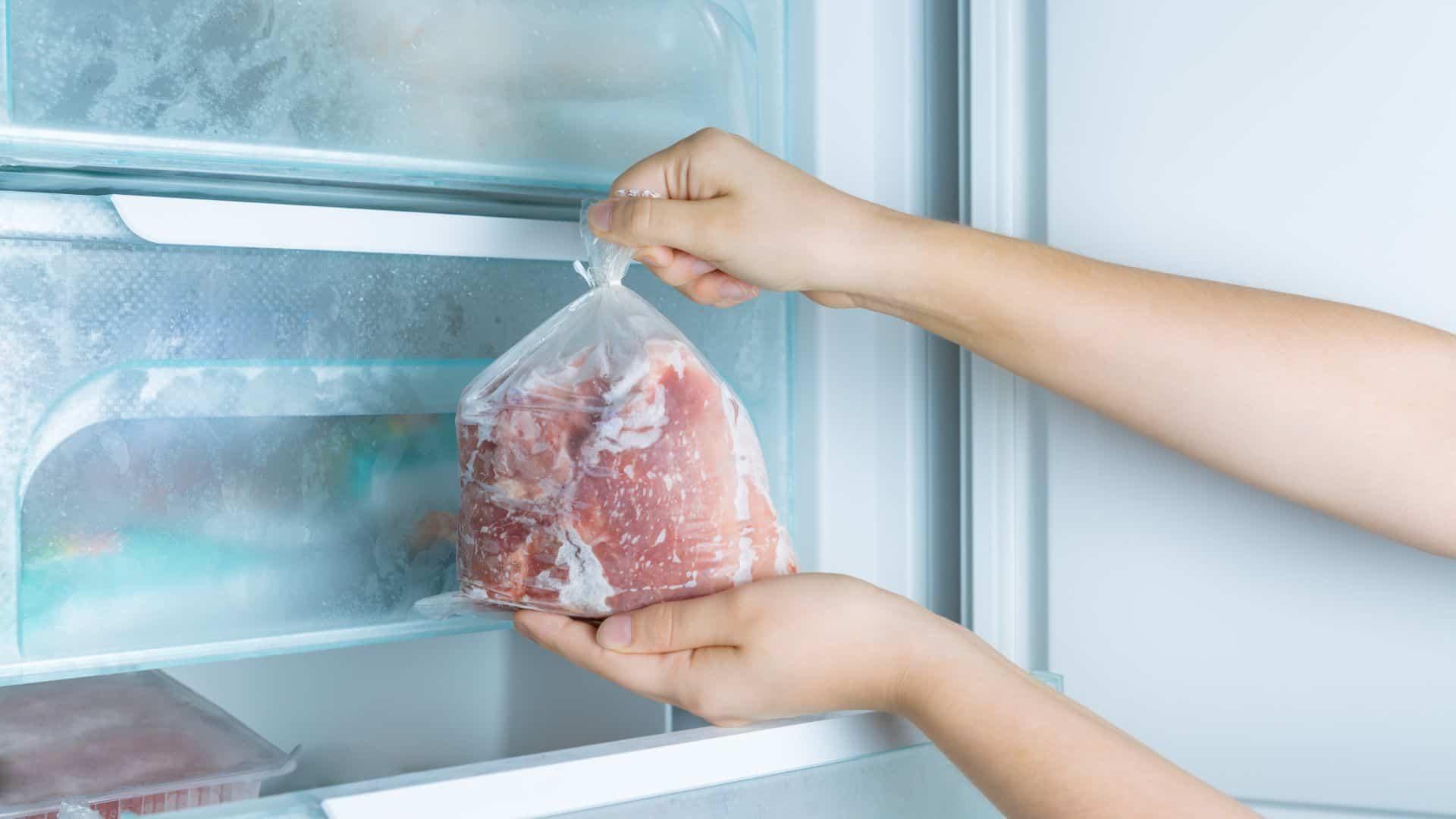
The freezer is often treated as a long-term storage unit, but it can be a powerful weeknight tool. Frozen vegetables and portioned proteins cut prep time dramatically.
Freezing does not have to mean processed foods. Cooked meat, soups, and sauces freeze well and reheat quickly. Even chopped onions and peppers can be frozen and used straight from the bag.
Turning this into a habit means freezing in usable portions. Large blocks slow things down. Flat containers or freezer bags stack easily and thaw faster.
A freezer stocked with basics turns last-minute dinners into manageable tasks. When time is tight, having ready-to-use ingredients can save the evening.
The bigger payoff
Cutting dinner time in half is about removing friction from the process. These kitchen hacks work because they reduce unnecessary steps and wasted motion.
Once these habits are in place, cooking feels better. Meals come together more easily, and evenings feel less rushed. The kitchen becomes a place of efficiency rather than pressure.
Weeknight dinners will always compete with busy schedules. But with the right systems, they no longer have to take over the night.
Leave a Reply