
Some of these foods might not be the most exciting when it comes to flavor, but they’re absolute powerhouses for your health. I’ll be honest, they’re not always the easiest to enjoy, but the benefits they offer are too good to ignore. Incorporating them into your diet might take a little extra effort, but the payoff is definitely worth it. Trust me, your body will thank you for making these nutritious choices.
Note: The content of this article does not reflect the Writer’s personal beliefs, nor is it medical advice.
Quinoa
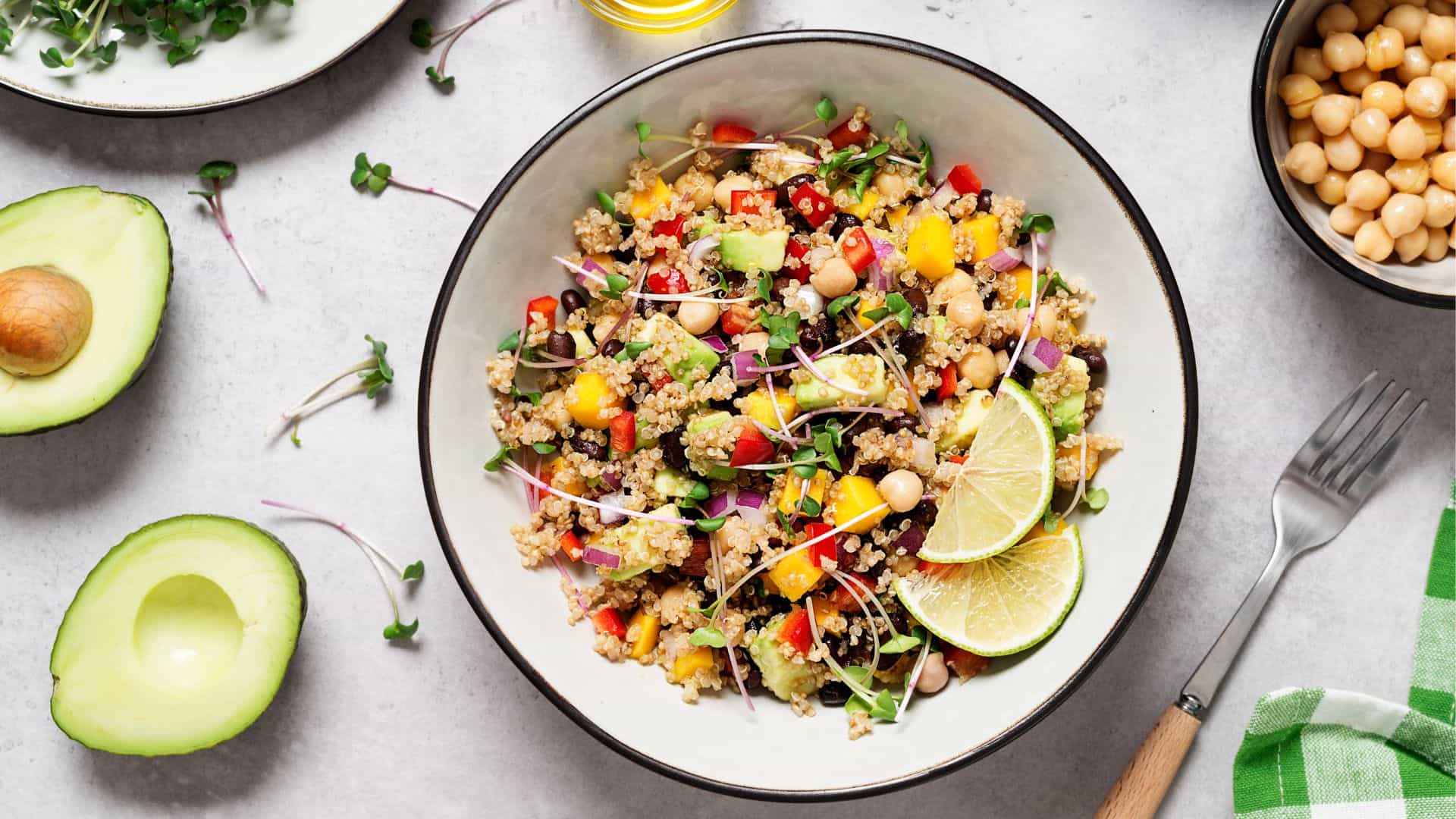
Specifically popular with ketoers, quinoa is a protein-rich food that’s also fiber-friendly, so a lot of diets incorporate it.
Many people dislike quinoa despite knowing it is a healthy option. Not only is it a hassle to prepare, but it is highly bitter if not prepared correctly. We all need to figure out a way to make quinoa taste better so we can actually enjoy eating this healthy food.
Chia seeds
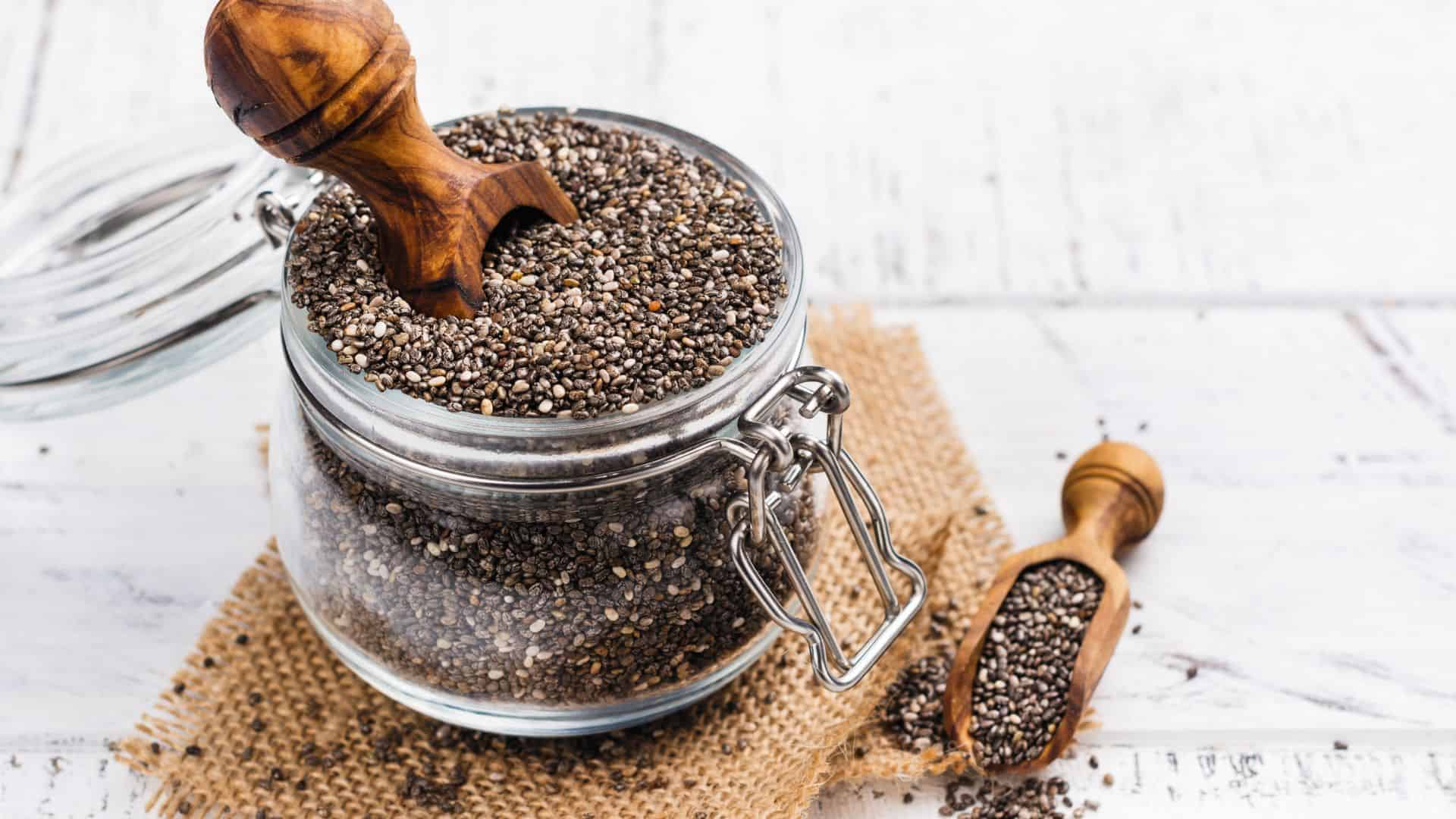
Perhaps one of the most popular foods in diets, chia seeds are known for their high antioxidant count and are also rich in fiber. So these little buggers are also used to ease constipation while dieting.
However, chia seeds can be difficult to nibble on and can get stuck in the throat. The strange texture is off-putting, and many people dislike them intensely. But we really should try to enjoy them more!
Kale
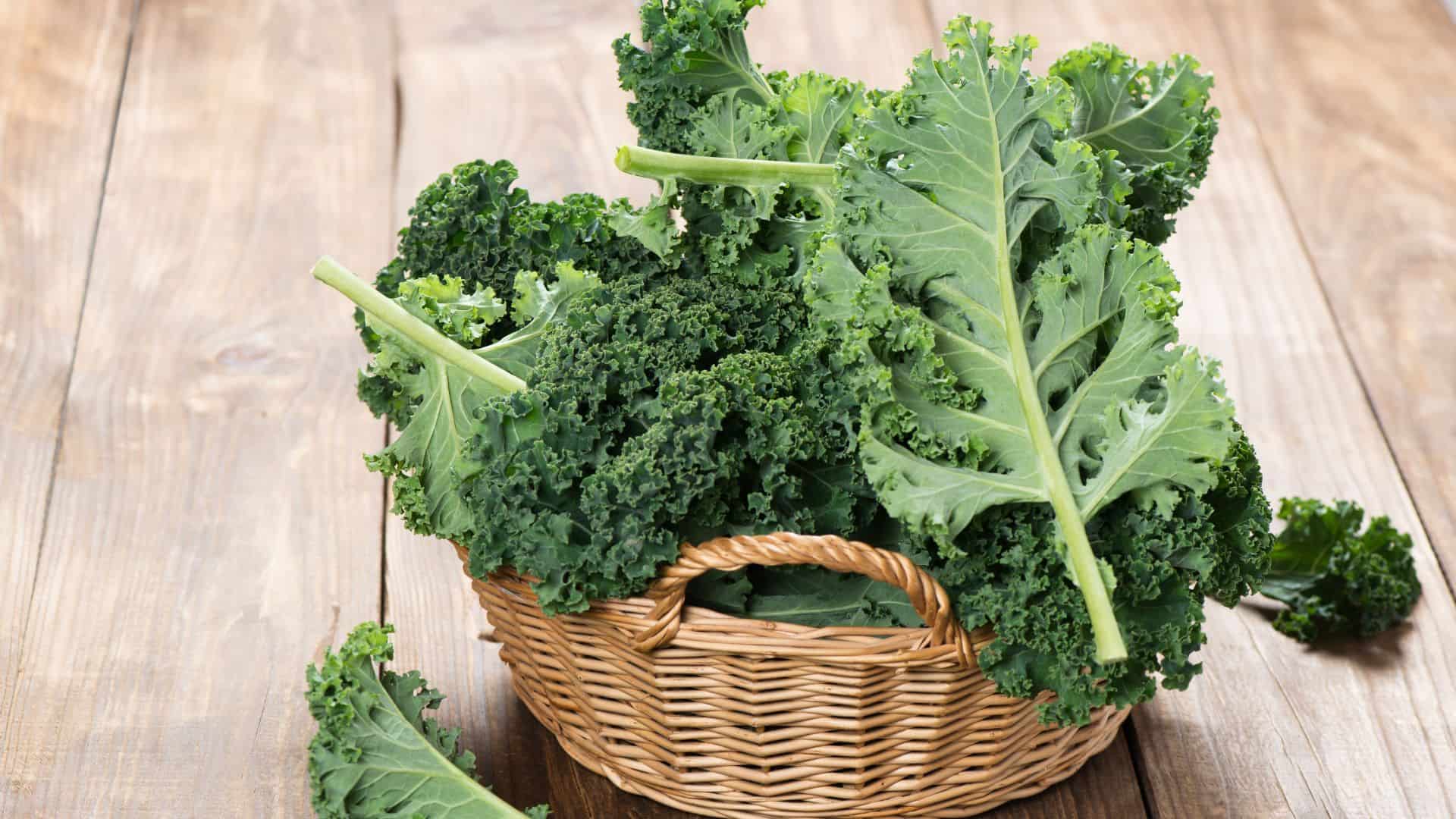
Ugh. Almost every diet (save for the carnivore diet) uses kale because it’s considered an amazing superfood that simply can’t be beaten.
But you know what health nuts and dieters don’t think about? How bad it tastes or how weird its texture is. Healthy people know how to get past the bad taste and eat kale just for the nutritional benefits. We all need to do the same.
Lentils

Lentils may not have the flashiest reputation, but they’ve earned their place as one of the most nutritious and budget-friendly foods. Packed with plant-based protein, fiber, and iron, lentils support everything from heart health to stable energy levels throughout the day. They cook quickly and serve as a versatile base for soups, stews, and many other dishes. Best of all, they’re incredibly affordable and widely available in dry or canned form at nearly every grocery store.
Kombucha

This fermented tea hails from Korea, China, and even certain East European nations, so it was quickly popularized after people discovered its healthy probiotic content.
Kombucha has a wildly intense flavor, which doesn’t go away even with its flavorful variety. It’s also weirdly expensive for something you could make at home. Hold your nose and chug a glass of kombucha. Those probiotics are worth the suffering!
Black rice
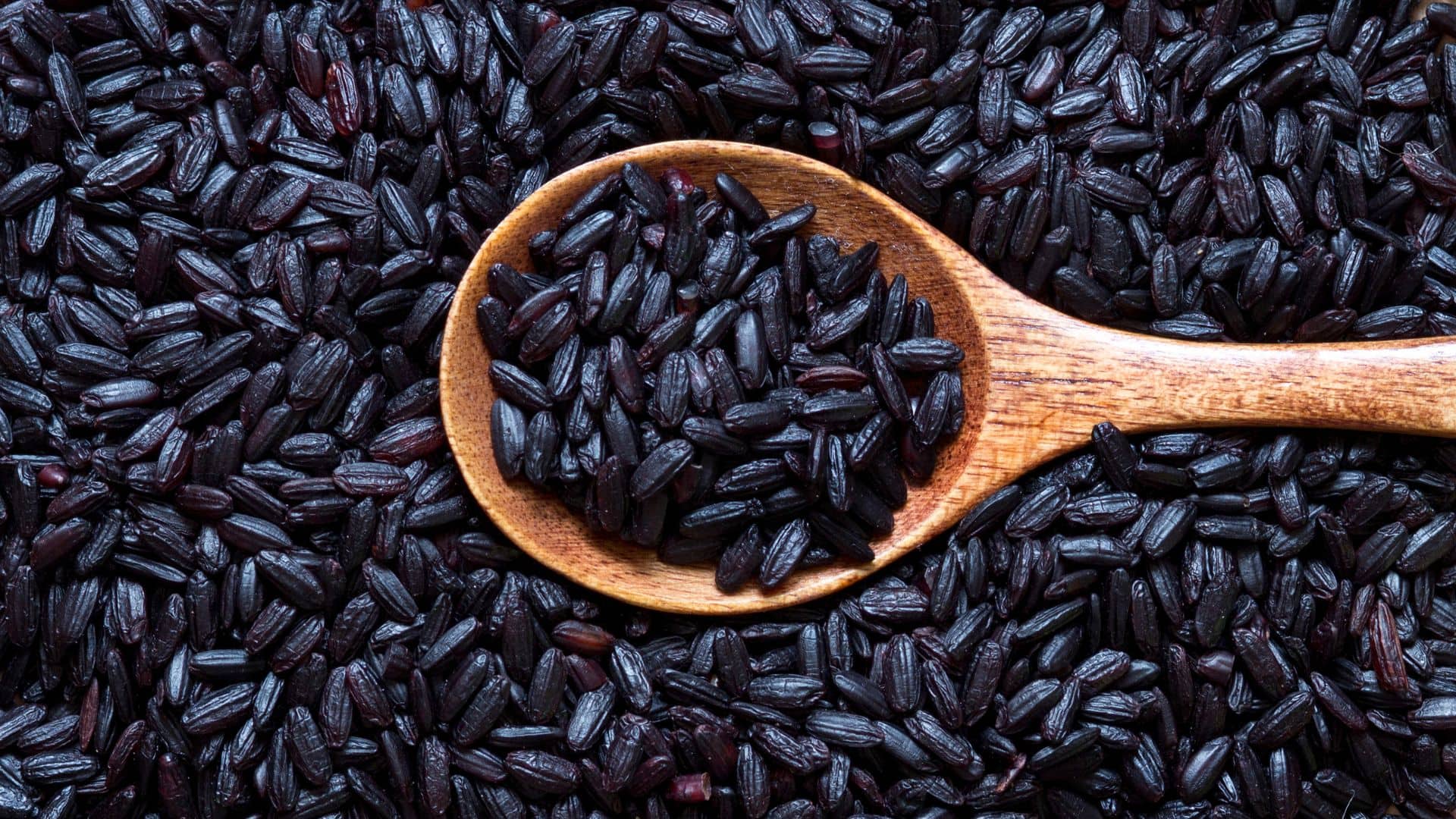
Black rice isn’t just a nutritious source loaded with minerals, vitamins, and antioxidants; it also has an aesthetic appeal.
And while black rice may be more nutritious than white rice, it’s not worth the price or the effort. You spend way longer trying to cook and clean black rice than on other food, and its taste may not mesh well with every sauce/gravy.
However, if you want more vitamins and minerals in your diet, you really should stick with the black rice.
Hemp seeds
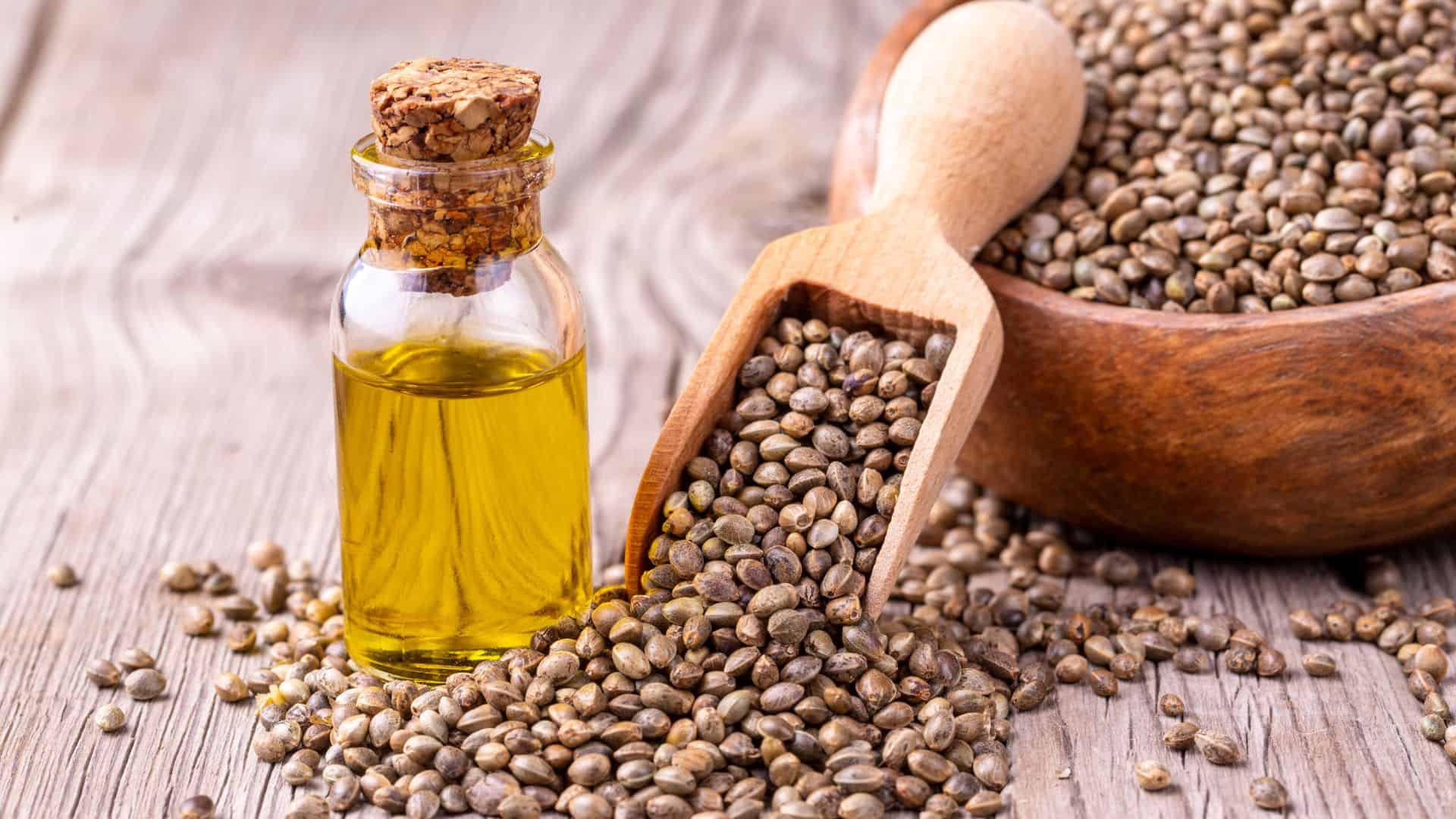
Hemp seeds are loaded with omega-3 fatty acids, and antioxidants and have a generally high nutrition profile.
However, hemp seeds have an extremely high-calorie count for their size, which can be off-putting to many people. Sprinkle some hemp seeds into your oatmeal anyway. It is just too nutritious to be skipped.
Brussel sprouts

Um, okay, we all know where this is going. Yes, Brussels sprouts are healthy and are rich in fiber, antioxidants, blah blah blah.
Let’s get to the real thing. Brussel sprouts are practically gross. They taste almost inedible, they’re incredibly hard to nail down when cooking, and they are just not worth the hassle.
But, if you want to become a healthier eater, Brussels sprouts are a must!
Broccoli
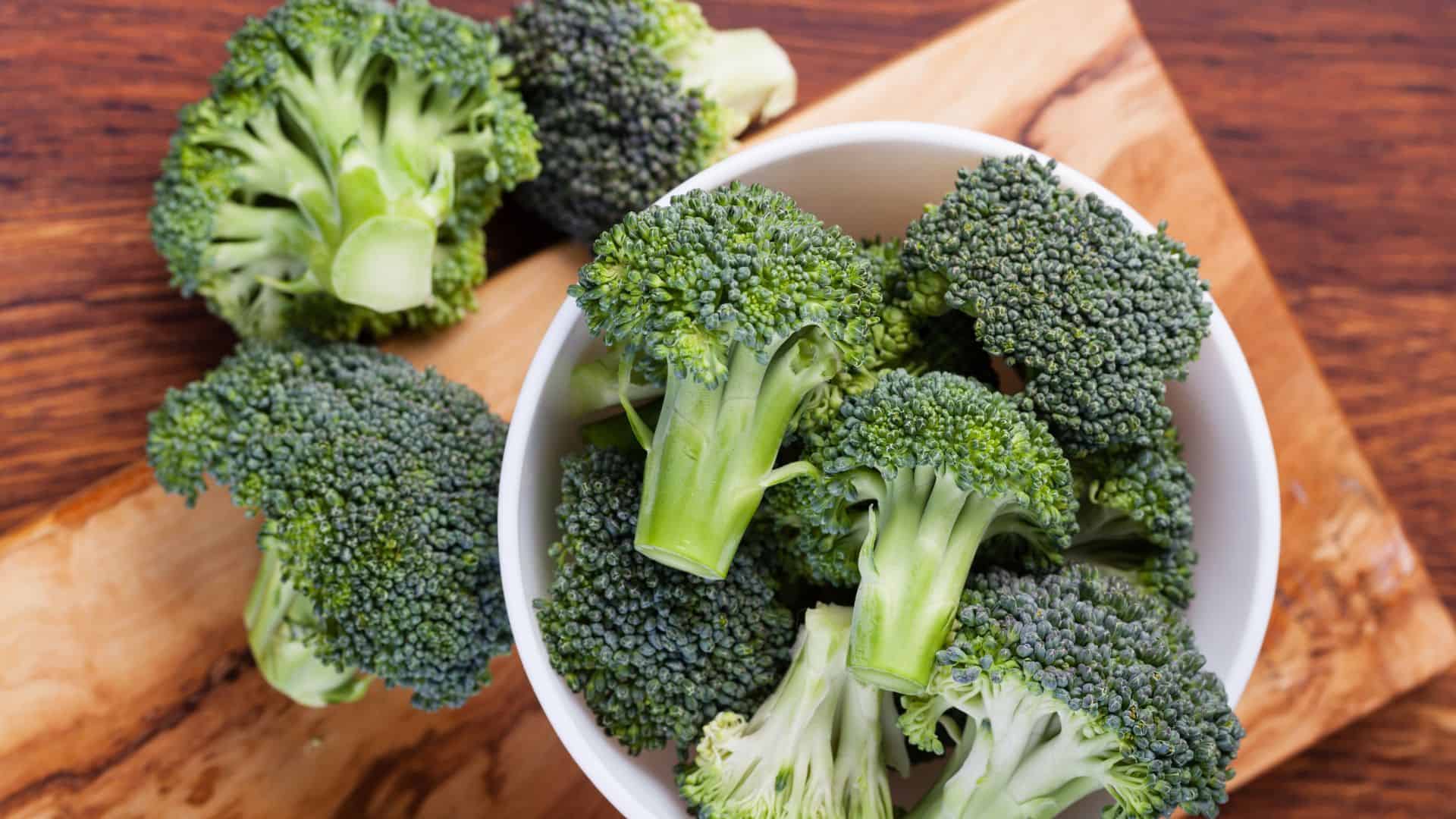
Like its smaller neighbor, broccoli holds the same reservations as Brussels sprouts. This cruciferous veggie is nutritious, but is it really worth it?
Yes! It is worth it. Broccoli has so many nutritional benefits that it should really be part of your daily diet. Everyone, go buy some broccoli now!
Almond Milk

Almond milk might not be your first choice for a flavor-packed drink, but it offers several health benefits that make it worth considering. It's naturally lactose-free, making it a suitable alternative for those with lactose intolerance or dairy allergies. Additionally, many almond milk brands fortify their products with essential nutrients like calcium and vitamin D, supporting bone health. While it contains less protein compared to cow's milk, almond milk is low in calories and can be a heart-healthy option when consumed unsweetened. So, even if it's not winning any taste awards, almond milk can be a nutritious addition to your diet.
Coconut Oil
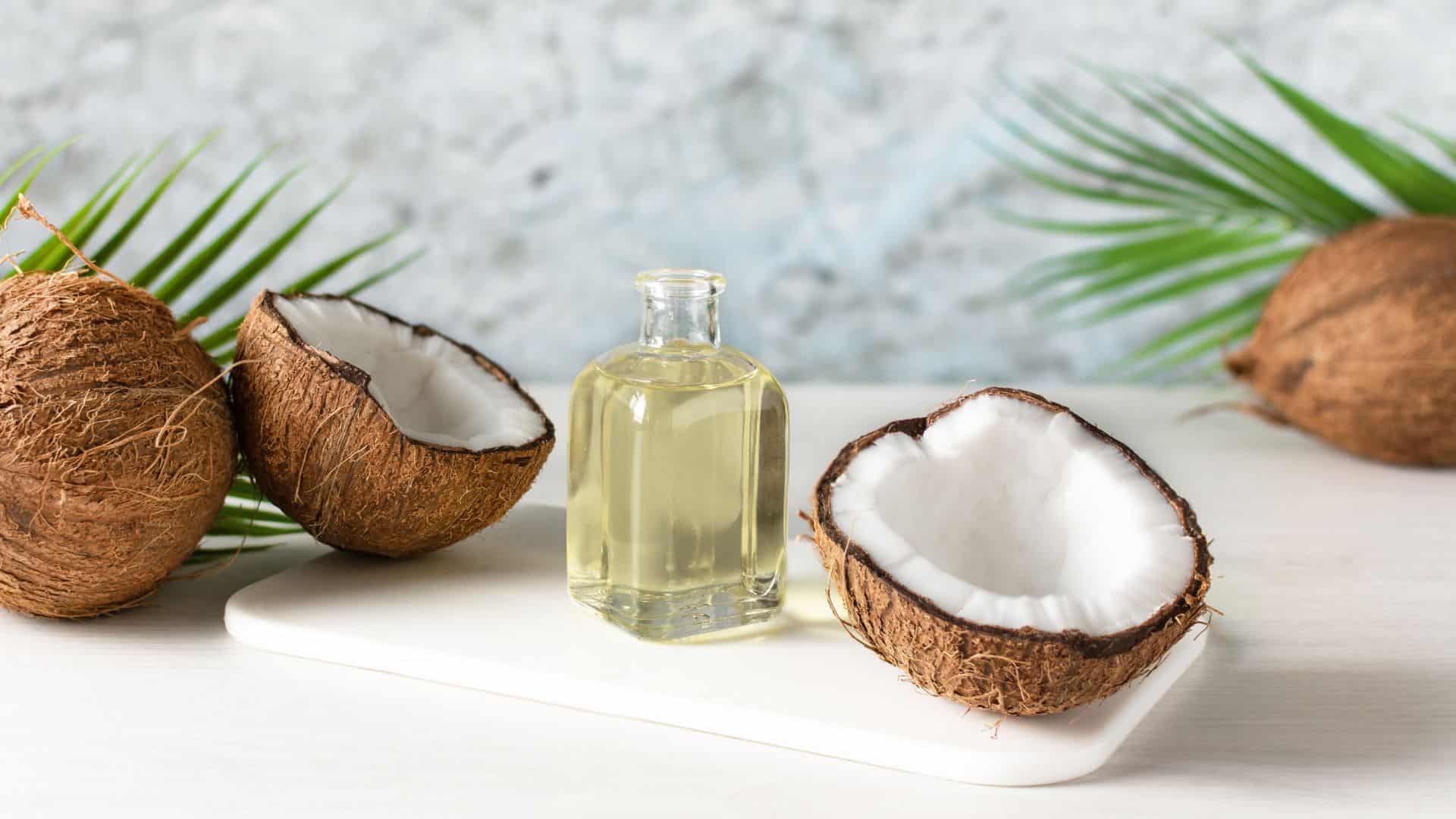
Coconut oil has been trending for about a decade now. Coconut oil does have some health benefits that many people love. While we are all about cooking with coconut oil, it does have that subtle tropical taste that some people despise. Is it worth the bad taste just to get the benefits of coconut oil? Probably.
Acai Berries
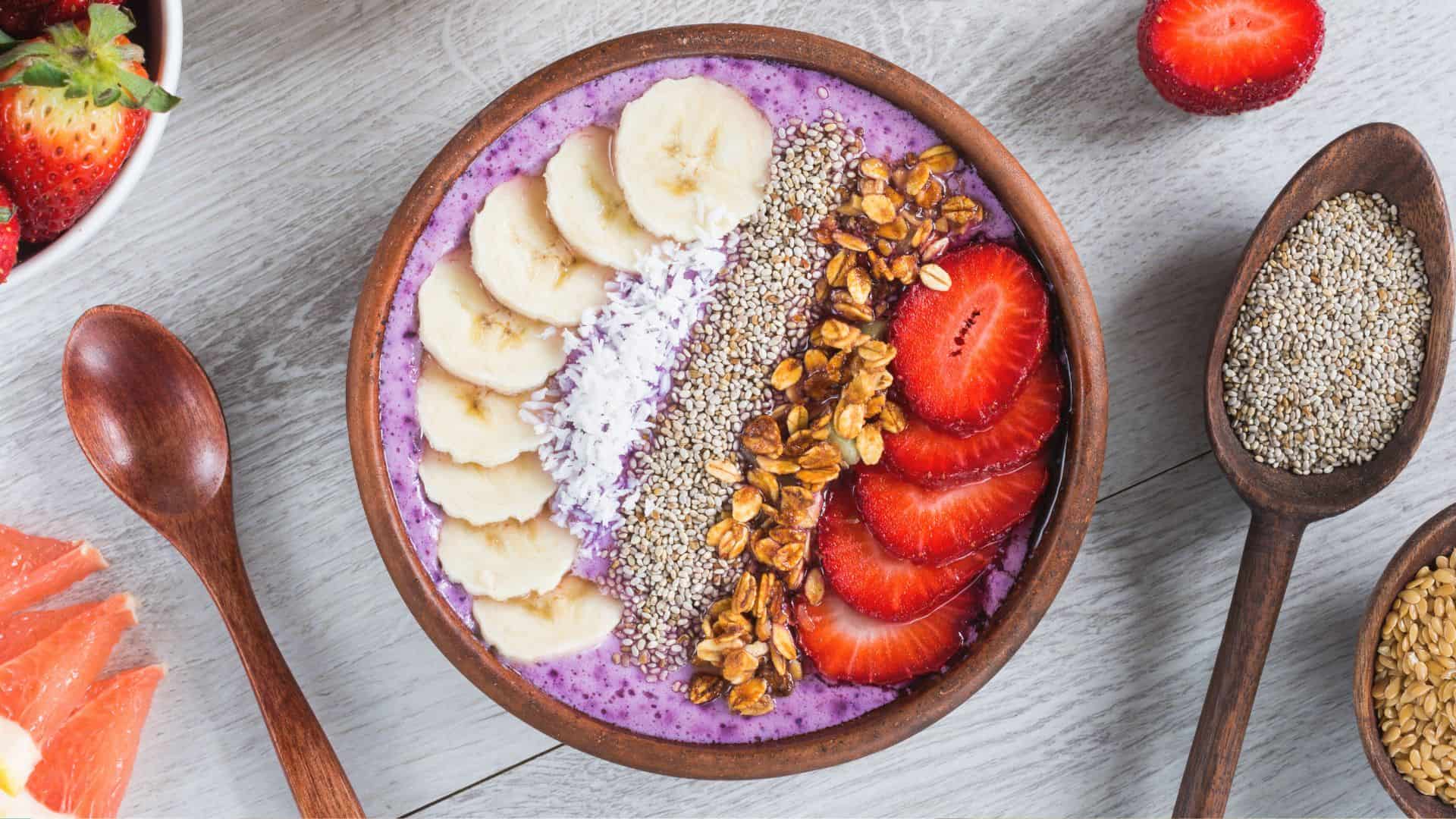
Acai berries became super popular in the last few years thanks to their chocolate-like flavor and massive quantity of antioxidants. While we love a good acai bowl, they are seriously overpriced and overrated.
Maybe we need to get past that first reaction to avoid acai to get all those superfood nutrients. Let's all try to eat more acai to be healthier and (hopefully) happier!
Tofu

Tofu might not be the most flavorful food out there, but it’s packed with plant-based protein and essential nutrients, making it a great addition to any diet. It’s low in calories, high in iron, and contains all nine essential amino acids, making it a complete protein. Even though its texture can be a bit spongy and its flavor neutral, it’s incredibly versatile and can take on the flavors of whatever it’s cooked with. So, while it may not be love at first bite, the health benefits are definitely worth trying to enjoy.
Sardines
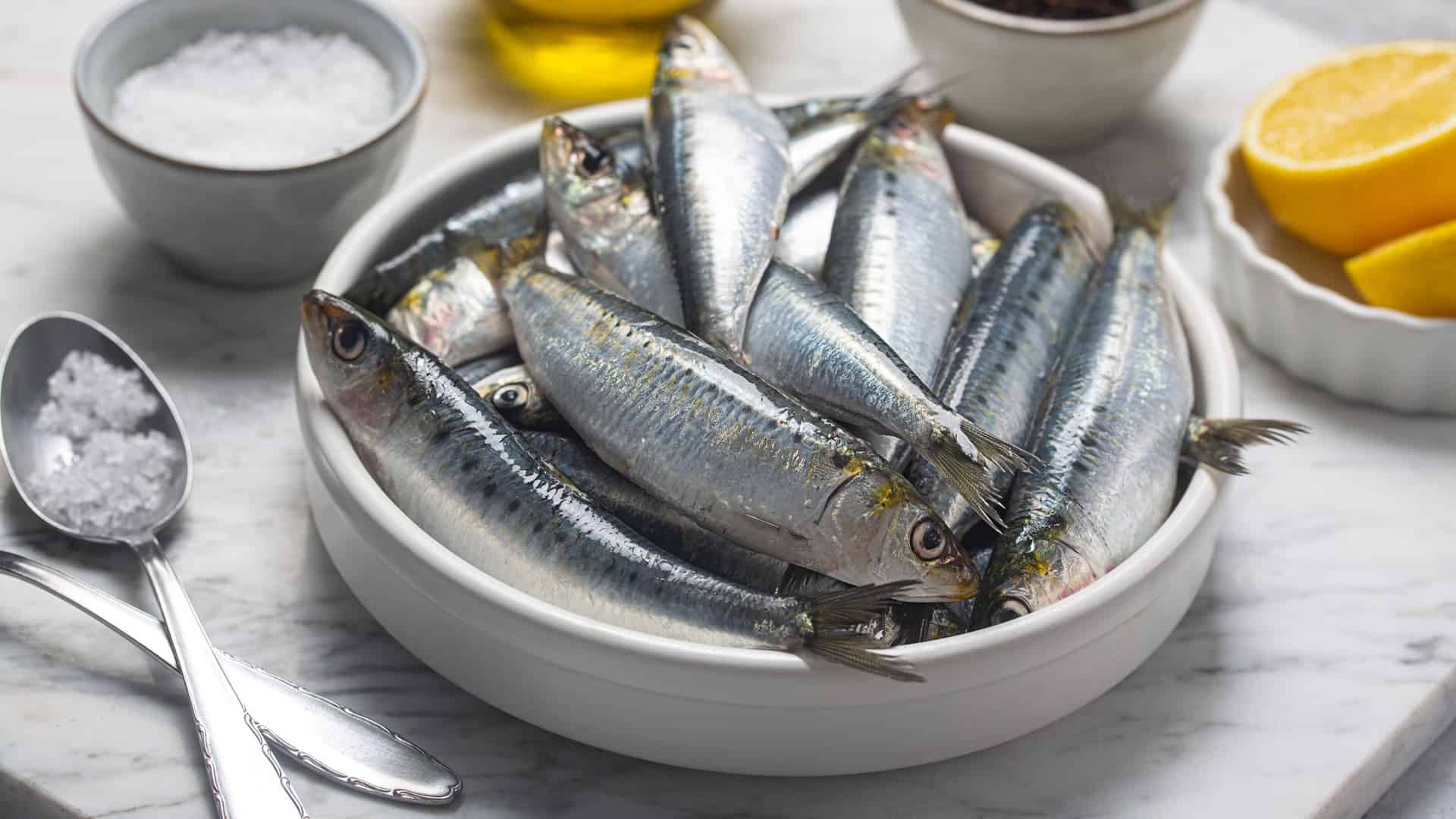
Sardines are one of the most underrated superfoods, but they are often overlooked because of their strong smell or appearance. These tiny fish are actually packed with impressive health benefits. They're rich in omega-3 fatty acids, which support heart and brain health, and they’re one of the few natural sources of vitamin D. If you're skipping them based on looks alone, you might be missing out on one of the healthiest and most convenient foods around.
Leave a Reply