
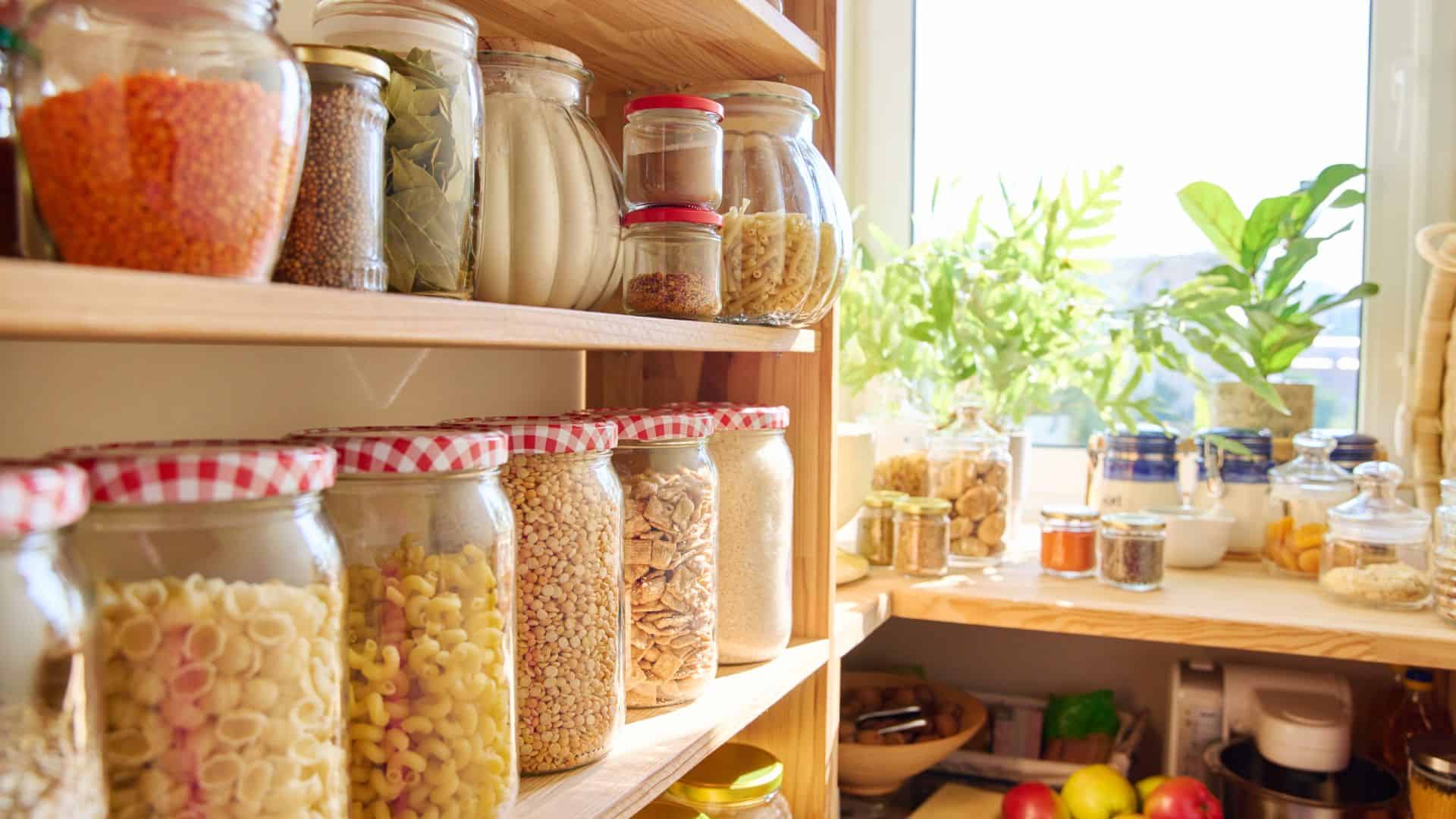
A well-stocked pantry is the non-negotiable baseline for anyone taking home cooking seriously. It is the difference between a meal that simply provides food and one that becomes memorable. Over the years, we’ve seen classic, reliable staples often replaced by trendy "shortcut" items that don't necessarily yield better results at the stove.
The truth is, if you ask any professional chef for their secret, they won’t point to a complicated technique or a high-end gadget; they’ll tell you that the best base for a great meal is, and always has been, the right ingredients. By keeping these ten essential items within arm's reach, you ensure that every dish starts with the depth and character it deserves.
Freshly ground black pepper
Freshly ground black pepper adds far more than mild heat. When peppercorns are cracked just before using them, their oils release an aromatic flavor that pre-ground pepper simply cannot match.
A quick turn of a pepper mill over eggs or grilled meat instantly lifts the dish's flavor. The difference often surprises people who are used to the dusty taste of pepper that has been sitting in a shaker for months. Fresh grinding keeps the flavor bright and slightly citrusy, which brings more life to everyday meals.
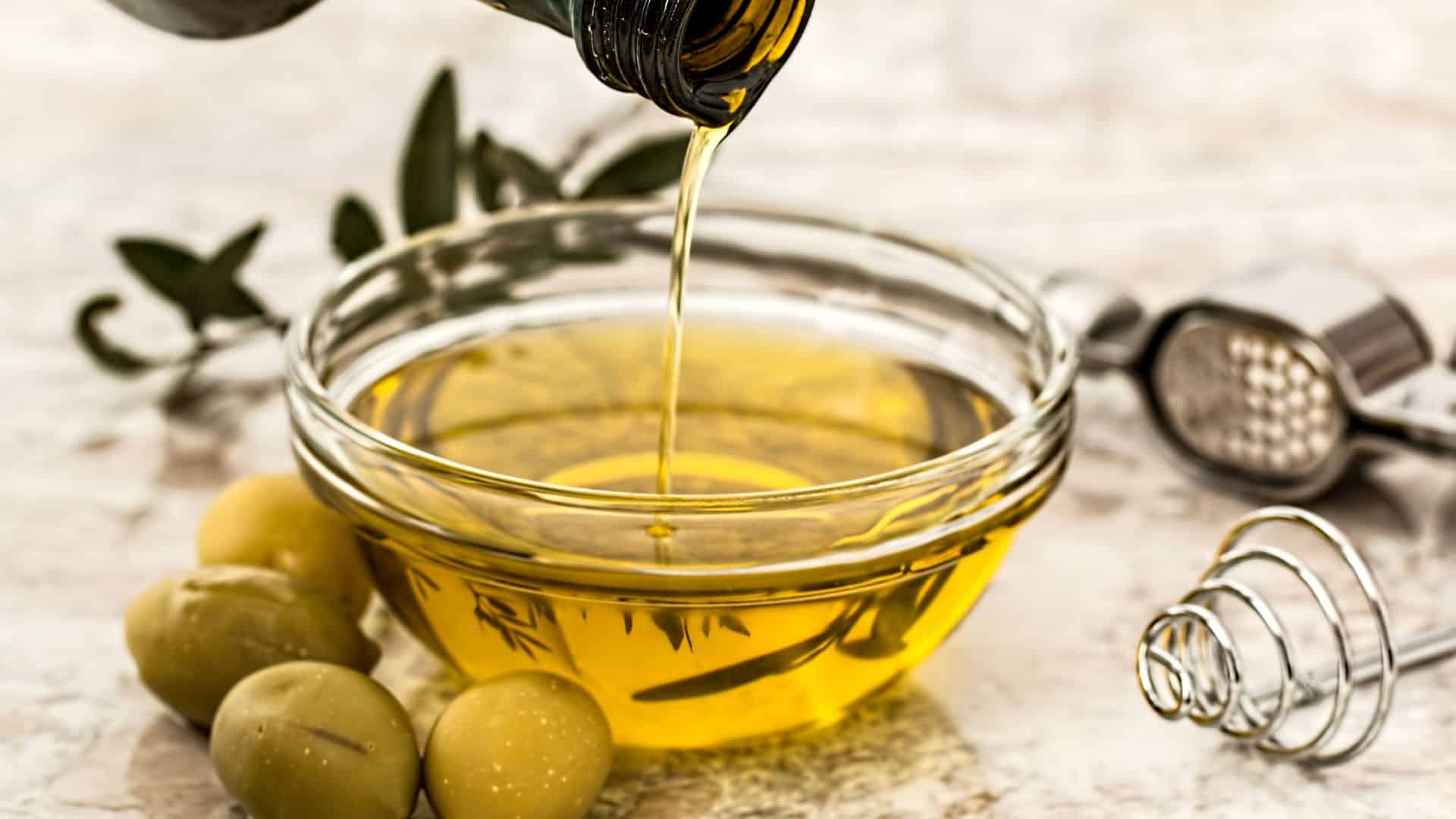
Good quality olive oil
A quality olive oil can transform the finish of a dish. While it is commonly used for cooking, its biggest impact often comes when used right before serving.
A light drizzle over roasted vegetables or grilled bread adds richness and a smooth mouthfeel. Olive oil also carries flavors well, helping herbs and vegetables taste fuller and more balanced. Even something as simple as sliced tomatoes with olive oil and salt can feel like a complete dish.
Flaky sea salt
Salt is one of the most basic ingredients in the kitchen, yet the type of salt used can make a noticeable difference. Flaky sea salt offers a clean taste and a delicate crunch that enhances many foods.
Sprinkling it over roasted potatoes or even fresh fruit adds contrast and highlights natural flavors. Because the crystals are larger and lighter, they dissolve slowly and create small bursts of seasoning that bring a dish into better balance.
@bakeitwithmel explains why she adds flaky sea salt even to her baked goods too.
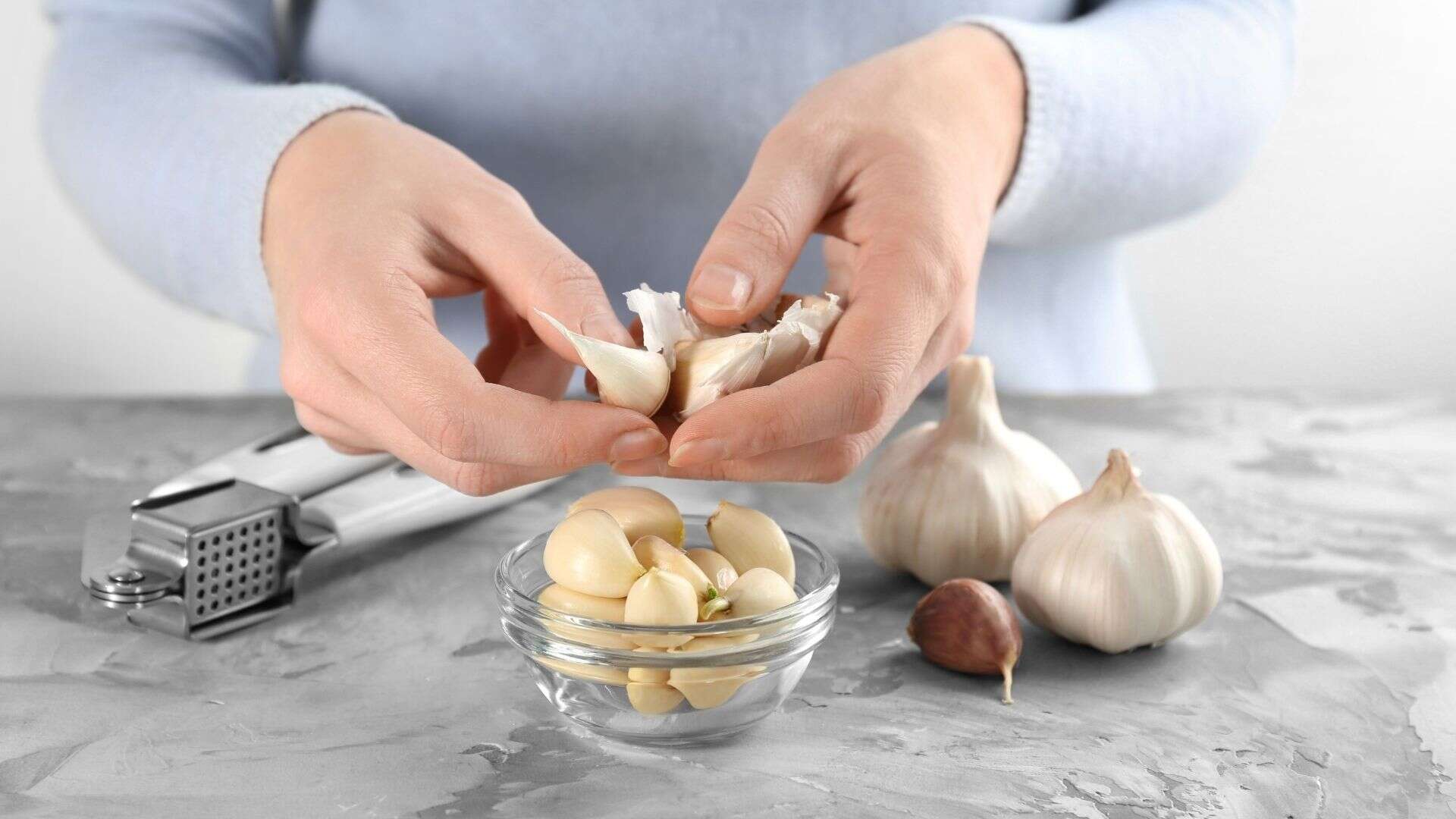
Garlic
Garlic remains one of the most dependable ways to build flavor. A single clove sautéed in oil can fill a kitchen with a warm aroma that signals the start of a good meal.
Its flavor shifts depending on how it is used. Raw garlic adds a sharp bite to dressings and sauces. Slowly cooked garlic becomes mellow and slightly sweet, blending easily into soups and stir-fries. Keeping garlic on hand ensures that even simple ingredients gain depth.
Lemon juice
Acidity plays a quiet but powerful role in cooking. Lemon juice adds brightness that helps balance heavier or richer foods.
A squeeze of lemon over seafood or grilled chicken can make the entire dish taste fresher. It also helps cut through oils and fats, which keeps flavors from feeling flat. Even a small amount can sharpen the overall taste of a meal.
@foodparables shows you how to easily awaken the flavors of food with lemon juice.
Soy sauce
Soy sauce delivers a deep flavor that enhances far more than stir-fries. Its salty character adds complexity to soups and sauces.
A splash can deepen the flavor of broths or even beef dishes that are not traditionally associated with Asian cuisine. Many cooks also add a small amount to tomato sauces or stews because it quietly intensifies the savory notes already present.

Dijon mustard
Dijon mustard carries a tangy flavor that blends easily into many dishes. It works especially well in dressings and sauces where a little acidity helps tie flavors together.
When whisked into vinaigrettes, it acts as an emulsifier, keeping oil and vinegar from separating. It also adds depth to potato dishes and even creamy sauces. A spoonful can create a more balanced flavor without overpowering the meal.
Fresh herbs
Fresh herbs bring color and fragrance that dried herbs often cannot match. Basil, parsley, cilantro, and chives each add their own distinct character.
Tossing chopped herbs over pasta or grilled meat right before serving creates a brighter and more vibrant flavor. The fresh aroma can lift an entire dish, making it feel lighter. Keeping a small selection of herbs in the refrigerator often pays off quickly during the week.

Parmesan cheese
Parmesan cheese delivers a nutty flavor that works across a wide range of dishes. Finely grated Parmesan melts easily into sauces and soups, adding richness without needing much quantity.
Shaving it over pasta or salads adds both texture and depth. Even simple foods such as popcorn or scrambled eggs benefit from a light sprinkle. Because Parmesan has a concentrated flavor, a small amount goes a long way.
Chili flakes
Chili flakes offer an easy way to add heat without overwhelming a dish. The small pieces of dried pepper distribute evenly, which makes it easier to control how spicy the food becomes.
A pinch can wake up tomato sauces or stir-fries. Chili flakes also pair well with garlic and olive oil, creating a quick flavor base that works for many meals. Their versatility makes them a reliable pantry ingredient.
The takeaway
A meal does not need complicated techniques or long ingredient lists to taste better. Often, a handful of well-chosen pantry staples can create the biggest difference.
These small finishing touches also give people more control over flavor. Instead of relying entirely on recipes, a cook can adjust a dish in the moment. If something tastes flat, a little acidity or salt often fixes it. If it feels heavy, fresh herbs or lemon can quickly lighten it.
Keeping these ingredients within reach makes everyday cooking easier and more satisfying. With the right pantry foundation, even the simplest meals can taste thoughtful, balanced, and full of flavor.
Leave a Reply