
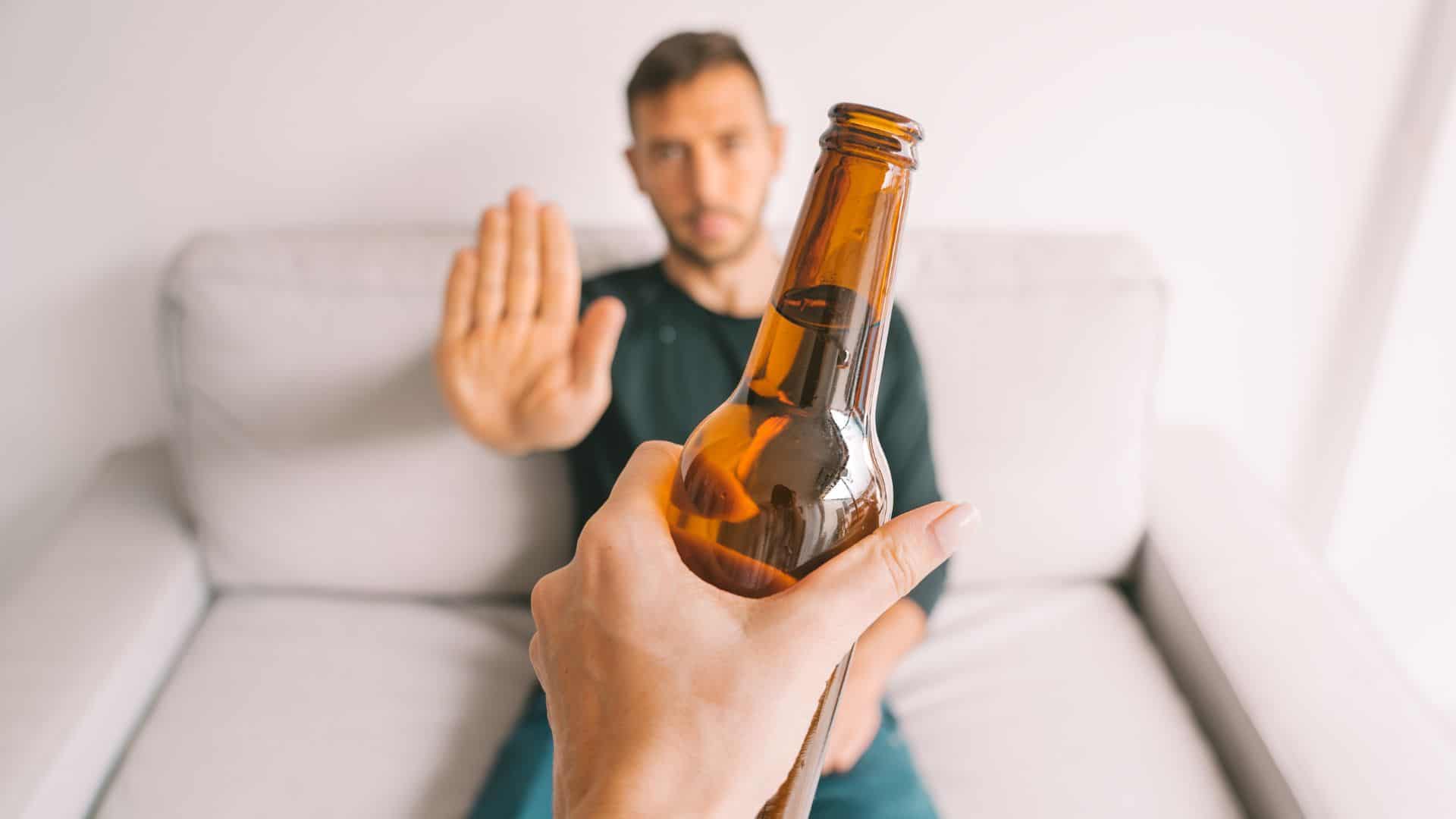
In recent years, a shift has been happening in social spaces where alcohol once felt like the default. At gatherings and nights out, more people are choosing a simple response that used to feel unusual: “No thanks, I’m not drinking.”
The change isn’t always dramatic. Sometimes it shows up when a friend orders sparkling water instead of a cocktail, or when someone skips a round without explanation. Other times, it reflects a broader cultural shift in which declining alcohol no longer carries the same social pressure it once did.
As conversations around wellness and personal boundaries continue to evolve, the idea of opting out of alcohol is becoming more visible and more widely accepted.
The decline of alcohol
According to Gallup, the drinking rate in the US is at a new low. Adults who say they consume alcohol have fallen to 54%, as more people are starting to get serious about taking care of their personal health.
The shift reflects a trend sometimes called the “mindful drinking” or “sober curious” movement. Instead of automatically ordering a drink at social events, more people are becoming intentional about when and why they drink. For some, that means cutting back. For others, it means skipping alcohol entirely. The goal isn’t always sobriety, but awareness. Paying closer attention to how alcohol affects sleep and overall wellness.
Younger adults appear to be driving much of the change. The study found that young adults had already become less likely to report drinking alcohol a decade ago, but that trend has only accelerated, with the rate falling from 59% in 2023 to 50% today. Health conversations on social media, a stronger focus on mental wellness, and growing awareness of alcohol’s long-term effects have all played a role in reshaping attitudes.
At the same time, the social landscape is adapting. Bars and restaurants now offer alcohol-free drinks and zero-proof spirits, making it easier to participate in social settings without drinking. As those options become more common, declining a drink no longer feels like stepping outside the norm. Instead, it is becoming just another everyday choice.
Alcohol free trends
There are so many trends happening that give people an option to put down the drink and try something else instead.
Mocktails
Mocktails used to mean juice and soda. Now they’re crafted drinks with layered flavors that mimic traditional cocktails. Many restaurants now give mocktails their own menu section, making alcohol-free options feel just as intentional as alcoholic drinks.
@mealbarrecipes shares a super simple, beautiful mocktail that would be a great addition to any social gathering.
Zero-proof spirits
One of the fastest-growing trends is zero-proof spirits, which are bottled drinks designed to replicate gin or other hard liquors without alcohol.
These are used in mocktails the same way traditional spirits are in cocktails, allowing bars and people at home to recreate familiar drinks without the buzz.
Non-alcoholic beer
For years, non-alcoholic beer carried a reputation for tasting watered down or overly sweet. That perception is starting to change. Breweries have begun investing heavily in alcohol-free options, using improved brewing techniques that remove alcohol while preserving the flavor profile people expect from traditional beer.
Celebrities are starting to get into the alcohol-free industry as well since it's such a popular market.
Functional beverages
A growing number of alcohol-free drinks now include functional ingredients such as adaptogens or vitamins. These drinks aim to offer benefits such as stress relief, gut health, and energy, turning social beverages into part of a broader wellness routine.
@gabbixsmith shows off some of her picks for functional, alcohol-free beverages.
Dry January
Many people also experiment with alcohol-free living through temporary challenges, especially Dry January. Participation continues to grow each year, and many who try it end up drinking less even after the month ends.
The takeaway
For many people, the biggest shift isn’t that alcohol has disappeared from social life. It’s that not drinking is no longer treated as unusual.
For decades, alcohol was often the default at celebrations, dinners, and nights out. Sometimes, turning down a drink came with questions or explanations. That expectation is slowly fading as more people become comfortable choosing what works best for their own lifestyle.
The rise of alcohol-free options has helped normalize that change. Mocktails and other drinks have made it easier to participate in social moments without feeling like the odd one out. At the same time, conversations about sleep and overall health have encouraged people to rethink habits that once went unquestioned.
In the end, the trend isn’t necessarily about eliminating alcohol altogether. It’s about having more choices. And that simple shift may be what defines the “no thanks, I’m not drinking” culture taking shape today.
Leave a Reply