
Traditional meal prep has a marketing problem. The version sold on social media looks organized, efficient, and vaguely aspirational; color-coded containers stacked in a gleaming fridge, five identical lunches in a row, Sunday afternoon reclaimed as a productivity ritual. What it doesn't show is Wednesday, when everyone at the table is resentful of the same chicken and rice they've now eaten three times, and the six-year-old announces she can "taste the yesterday" in everything.
The reverse meal prep method solves this specific problem, and it turns out the solution also happens to be significantly cheaper.

What is reverse meal prep
Regular meal prep means cooking complete meals in advance and reheating them throughout the week. Reverse meal prep flips that entirely. Instead of cooking finished dishes on Sunday, you spend a shorter session preparing raw components and building blocks. Washed and dried salad greens. Proteins portioned and marinated in different flavors. A pot of grains cooked to just under done. A couple of sauces that can go multiple directions. Chopped vegetables are ready to hit a hot pan.
Nothing is fully cooked. Nothing is plated. Nothing is stored in a container labeled "Thursday."
What you've built instead is a kitchen stocked like a professional mise en place; the restaurant practice of having every element prepped and ready before service begins.
Where the savings actually come from
The financial case for this approach is more interesting than it first appears, because the savings don't come from obvious frugality. You're not buying cheaper ingredients or cooking in bulk to spread cost across more portions.
The savings come from waste, or rather, from eliminating it. According to the USDA, the average American family of four loses about $1,500 a year to food waste. The leading causes: leftovers that don't get eaten, and produce that spoils before anyone gets to it.
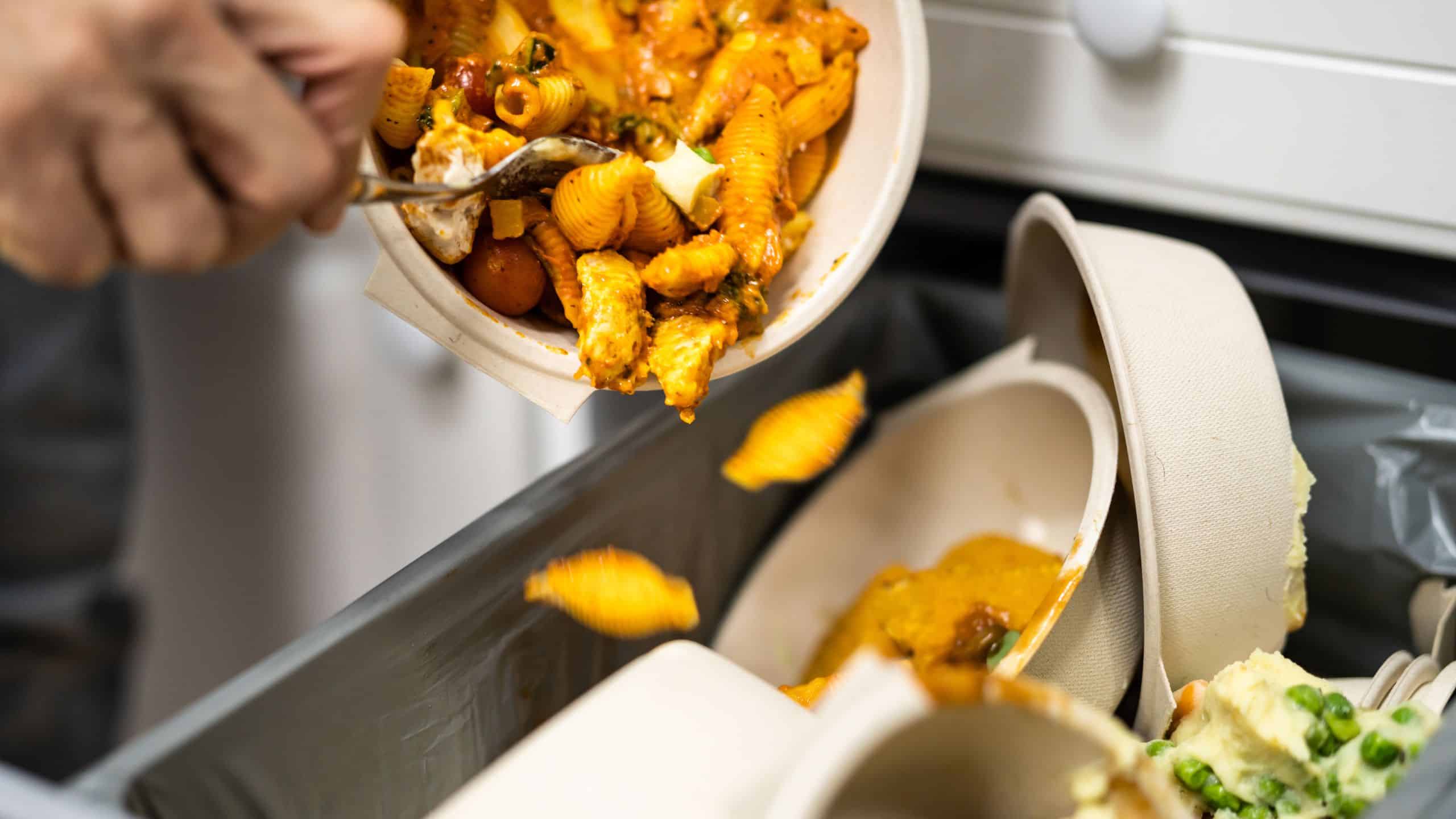
Traditional meal prep contributes to both. A full tray of batch-cooked food that the family gets tired of by day three gets pushed to the back of the fridge. A bunch of fresh herbs bought for one specific dish wilts before it appears in a second one.
Reverse meal prep generates almost no complete leftovers because nothing is fully cooked in advance, and the component system means a single bunch of herbs, a bag of spinach, or a block of tofu gets worked across multiple nights naturally, rather than being committed to one dish and then forgotten.
Why the "fresh every night" part matters more than it seems
There's a sensory reason food tastes better when it's cooked fresh rather than reheated, and it goes beyond preference. When proteins are cooked, rested, refrigerated, and then reheated, they lose moisture, the texture firms up, and the original sear or caramelization disappears. Vegetables that were roasted beautifully on Sunday turn soft and dull by Wednesday. Even well-made soups and stews, which genuinely do improve over a day or two, hit a ceiling somewhere around day three.
Reverse meal prep sidesteps this entirely. Because you're cooking fresh each evening from prepped raw ingredients, the Maillard reaction happens every night. The protein has a proper crust. The vegetables have color and snap. It tastes like dinner, not like a memory of dinner.

How to set it up
The component prep session works best when you think in categories rather than recipes.
Proteins: two or three types, portioned into smaller bags with different marinades. A soy-ginger situation. A lemon-herb one. Something that leans toward paprika and garlic. None of them are cooked yet.
Grains: one pot, cooked just shy of done, so they finish properly when reheated in a pan rather than going mushy. Rice, quinoa, farro, whichever the family actually eats.
Vegetables: washed, cut, and stored by type. Raw and ready to go in whatever direction Wednesday demands.
Sauces: two or three, made in ten minutes each and stored in jars. A tahini dressing. A quick tomato. A simple vinaigrette that doubles as a marinade.
From those components, a weeknight dinner is a question of pulling and combining rather than cooking from scratch. The same prepped chicken thigh goes into a grain bowl on Monday, a wrap on Tuesday, a quick stir-fry on Wednesday, each one feeling like a different meal because the finishing is done fresh each time.
The families who commit to this method long enough tend to describe something beyond the practical savings. The Sunday prep session gets shorter because you stop overthinking it. The weeknight kitchen becomes a place where something actually happens quickly, rather than a room you stand in wondering how to begin.
And the food, because it's genuinely cooked fresh, gets eaten. All of it. Which turns out to be where most of the money was disappearing all along.
Leave a Reply