
Cooking methods don’t usually spark deep moral questions, but every so often, a familiar kitchen practice gives people pause. A question about preparing a seafood dish raised unexpected curiosity and discomfort. It opened up a bigger conversation about food safety and whether long-standing restaurant practices still make sense today.

The story
A Reddit thread sparked a conversation about cooking a live lobster. The poster said that they'd just watched a short film about cooking a lobster alive, and after watching it, they'd looked it up and found out that it's usually cooked alive to stop the spread of bacteria. This left them wondering about the bacteria. They thought bacteria would take some time to develop, so they questioned whether the lobster could be killed quickly and then cooked before serving it to a customer.
Before seeing the comments and thoughts, take a look at this video from @jose.elcook, which shows the humane way to cook a live lobster.
The reactions
Over 500 comments were posted on the thread from people with experience or opinions.
One person said, "Alton Brown did a segment I always remember on "Good Eats" where he suggested putting the live lobsters in the fridge so they go into a kind of sleep/hibernation, then putting a knife through their heads before putting them into the pot."
Another person said, "When lobsters die, their body releases an enzyme that immediately begins to change both texture and taste for the worse. This is why we kill them as close to cooking them as possible."
According to Discover Magazine, lobsters release an enzyme that begins to break down their organs after they die. The organs then release another type of enzyme that attacks the muscles, affecting the lobster's texture and quality. The entire process turns the crab meat into mush, which no one should ever eat.
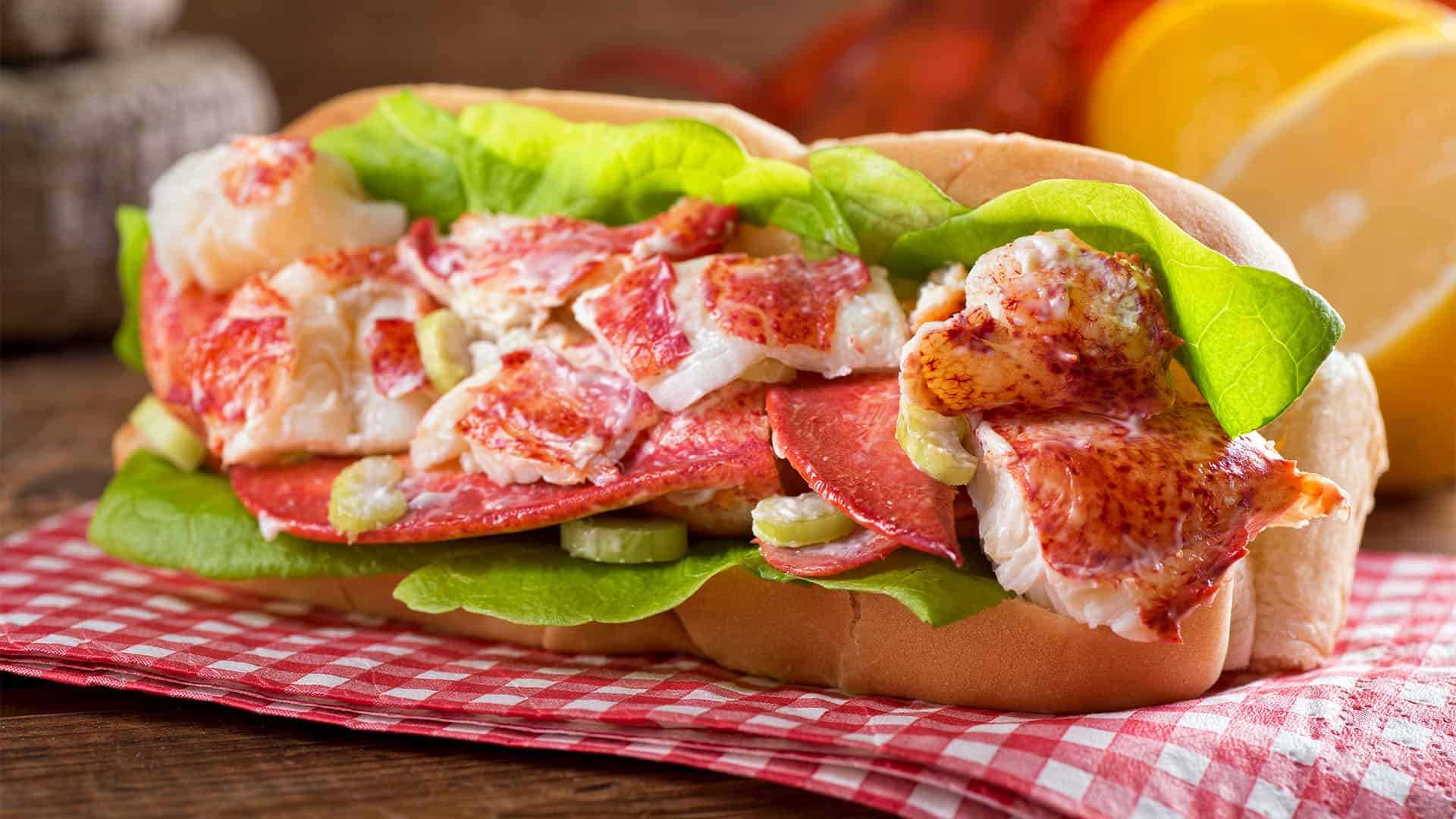
This comment added to the conversation. "After a lobster dies there is only a very short time before it either needs to be cooled or frozen. If you go over the limit then you risk it being toxic."
This is why you'll see people kill the lobster and then cook it immediately. There is no reason to risk getting sick or worse from waiting to cook it.
A bit of educational value was added. "Interesting fact, the UK Government is planning to ban this under Animal Welfare laws."
According to The Guardian, in the U.K., it will be banned to cook lobster alive as part of a government strategy to improve animal welfare. It's already illegal in New Zealand, Norway, and Switzerland. It's banned because boiling a live lobster is a cruel way to kill them.
One person chimed in, saying, "Really glad I don't eat seafood because cooking a lobster sounds stressful!"
Paying for a fancy dinner that someone else takes care of is just one less thing to have to plan or worry about.
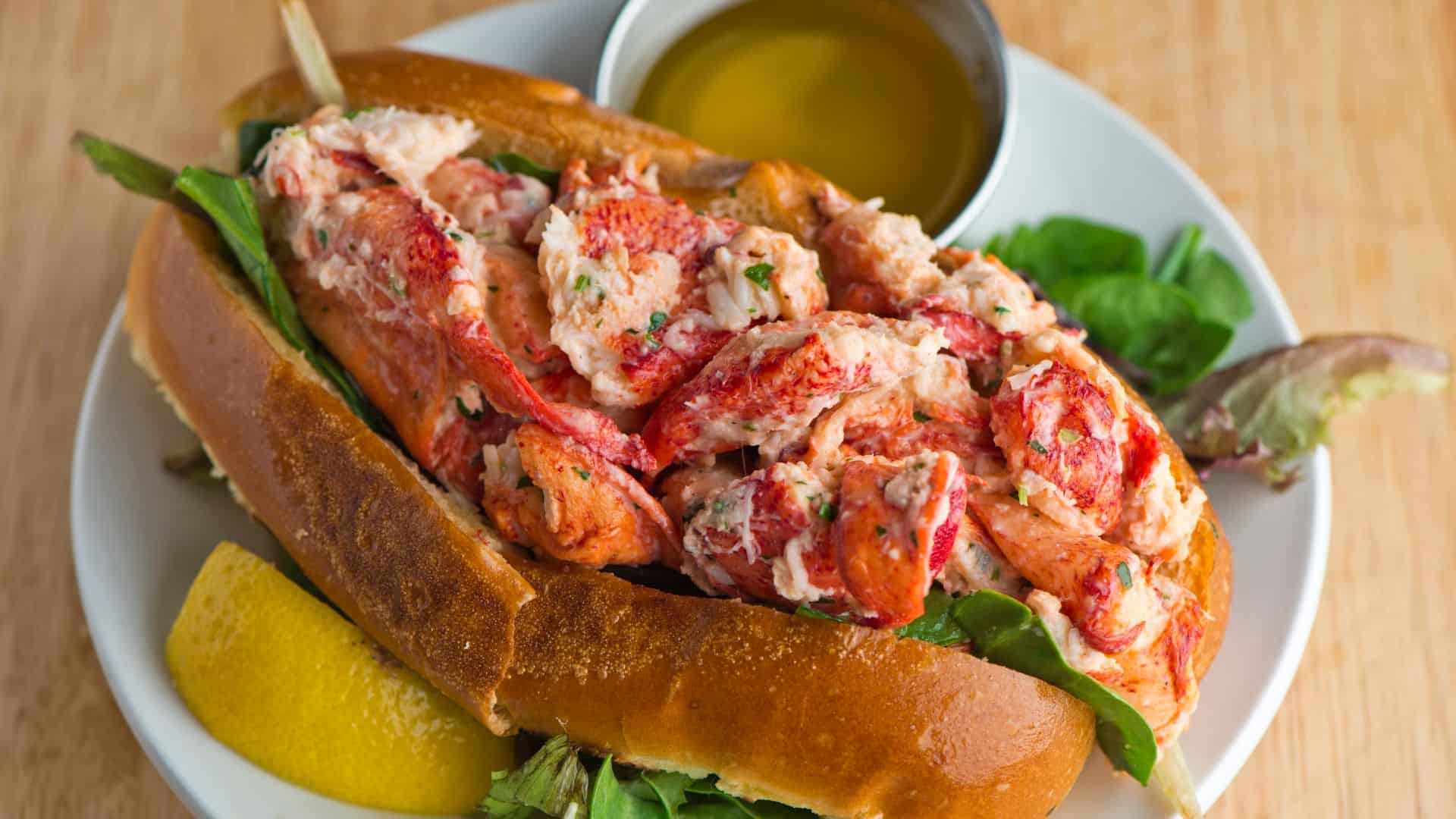
What this says about food safety, ethics, and eating choices
Threads like this resonate because they sit at the intersection of two things people care deeply about: food safety and ethics. For many, the discussion is not really about lobsters at all, but about what happens behind the scenes in restaurants and whether long-standing practices still align with modern expectations.
From a food safety perspective, timing is critical with seafood. Shellfish spoil differently from many other proteins, and once certain processes begin, they cannot be reversed by cooking. This explains why professional kitchens often rely on methods that may seem harsh but are designed to reduce risk.
At the same time, ethical concerns reflect a growing shift in how people think about animal welfare. Practices that were once accepted without question are now being reexamined, especially as more information becomes available and laws begin to change in some countries. People who feel uneasy are not alone, and discomfort does not automatically mean misinformation. It often signals changing values.
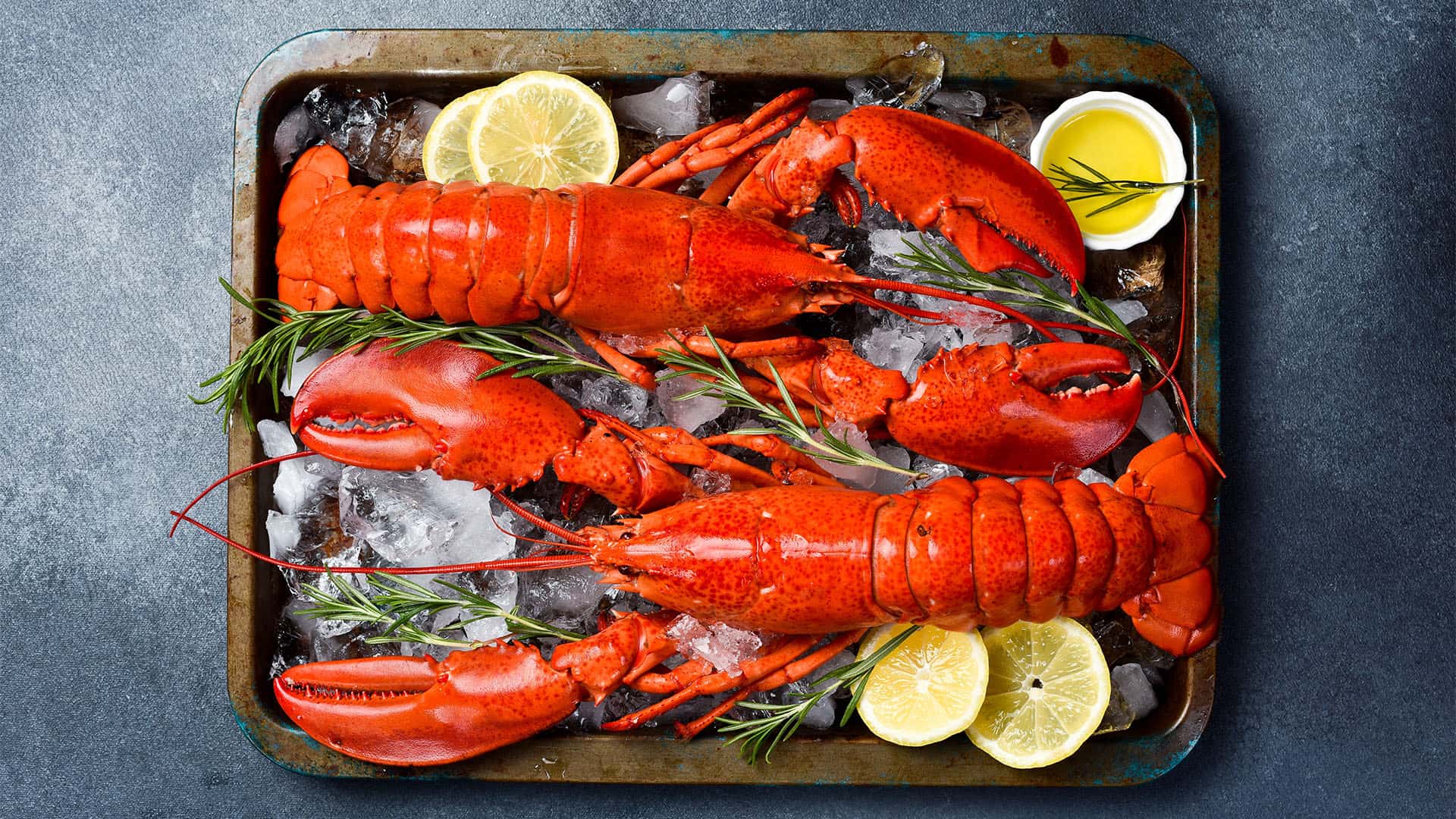
One practical option is asking questions. People are allowed to ask how food is prepared, especially when it comes to seafood. Restaurants that prioritize transparency will usually explain their methods or offer alternatives. Choosing establishments that align with personal comfort levels is a valid form of consumer choice, not an overreaction.
When cooking at home, be sure to research unfamiliar dishes before trying them. Cooking seafood requires more than just a recipe. Understanding storage, handling, and safety timelines can prevent both health risks and unnecessary stress. Many people decide that certain foods are better left to professionals, and that is a reasonable conclusion.
Another takeaway is that online debates often mix solid information with strong emotions. Some comments are rooted in science and experience, while others reflect personal boundaries or dietary decisions. People benefit most when they separate factual explanations from emotional reactions and decide where they personally stand.
Leave a Reply