
Key Points
- PYREX uses borosilicate glass and handles temperature changes better, while pyrex uses soda-lime glass that's more prone to breaking from thermal shock.
- The original PYREX is safer because it cracks predictably into larger pieces, whereas modern pyrex can shatter into many small fragments.
- Regardless of the type, avoid placing hot dishes on cold counters and allow them to cool down before washing to prevent damage from sudden temperature changes.
Most kitchens have at least one piece of PYREX sitting around. There's probably a measuring cup somewhere with numbers you can barely read anymore, or that rectangular baking dish that comes out whenever someone needs to make a big batch of brownies. PYREX has been around since 1915, and many families have pieces that have lasted for decades.
However, not all Pyrex dishes are created equal. You might notice some products have PYREX written in capital letters, while others show pyrex in lowercase letters. These represent two totally different types of glass; yes, this may surprise many! But here is what you need to know about both types.
What is the Difference Between PYREX and Pyrex?
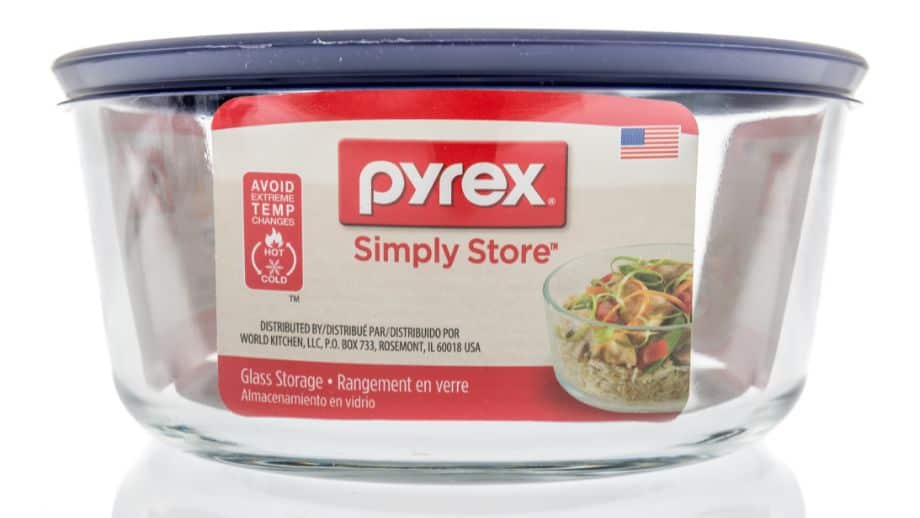
Back in the late 1990s, a company called Corning invented the PYREX brand and manufactured all PYREX products using borosilicate glass, a tough material that could withstand massive temperature changes without cracking. Your grandmother's PYREX casserole dish from the 1960s had this original formula.
Then Corning decided to sell off their consumer cookware business. They kept the rights to make PYREX (capital letters) for laboratory equipment and licensed it to other companies for kitchen use in Europe and other regions. In North America, they sold the brand to a company called World Kitchen, which now makes pyrex (lowercase) products.
World Kitchen brought a massive change to Pyrex. They switched from expensive borosilicate glass to regular tempered soda-lime glass. This is basically the same material you'll find in car windows and beer bottles. It costs much less to make, but it doesn't handle temperature changes nearly as well as the original formula.
So today, PYREX sold in Europe uses the original borosilicate glass, while pyrex sold in America uses the newer soda-lime version: same brand name, completely different performance characteristics.
Both types look identical on store shelves. They're both made of clear glass, have similar thickness, and both work fine for basic baking. You can see the difference only when you expose the dishes to quick temperature changes.
PYREX vs. pyrex: Which Is Safer?
The original PYREX handles thermal shock much better. Borosilicate glass barely expands when heated, allowing you to take it straight from the fridge and put it in a hot oven. The glass remains stable because it experiences minimal internal shock from uneven expansion.
Modern pyrex struggles to handle heat well and is considered weak compared to the PYREX. Soda-lime glass expands when heated, and if one part heats up faster than another, the stress can cause the entire dish to crack or shatter.
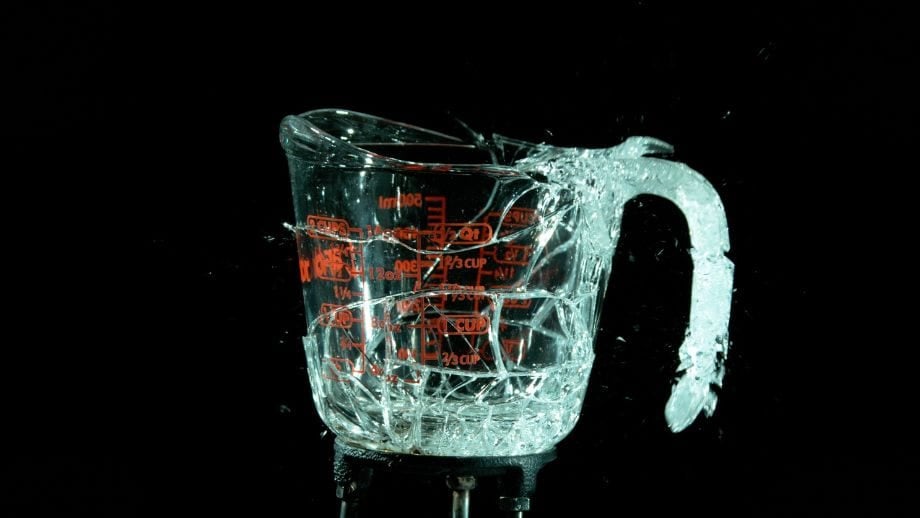
Many reports of Pyrex dishes exploding involve the newer soda-lime pyrex, not the original borosilicate PYREX. When soda-lime glass explodes, it can break into numerous small pieces that scatter across the kitchen, creating a safety hazard.
The original PYREX typically develops visible cracks when stressed beyond its limits, usually remaining in larger pieces that are easier to handle safely. This predictable failure pattern makes it easier to identify when a dish needs to be replaced.
Many people, especially those who bake often, prefer borosilicate versions because they need reliable equipment that won't fail unexpectedly during cooking or baking.
How To Use Pyrex Cookware Safely
To keep glass cookware intact, you need to avoid both thermal shock and physical impact. Avoid placing hot dishes directly on cold surfaces, and refrain from running cold water over dishes that have just come out of a hot oven. Give your dishes time to adjust slowly to temperature changes.
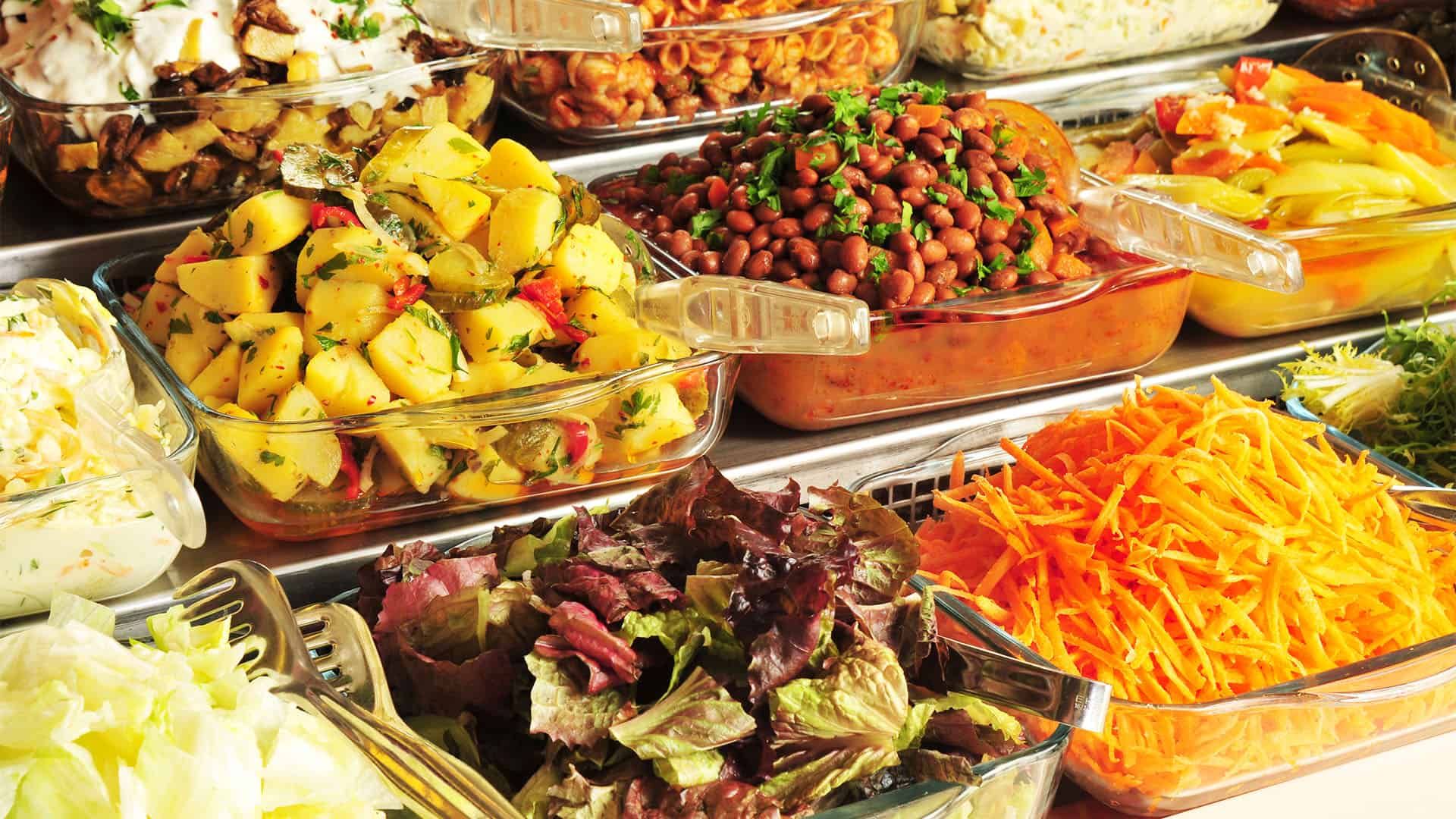
When working with frozen casseroles, let them reach closer to room temperature before baking, or place them in a cold oven that heats up slowly. The transition from freezer temperatures to hot oven conditions creates extreme stress, particularly for the newer pyrex formulation.
Don't expose these dishes to direct heat sources. Pyrex works great in ovens, but not on stovetops or under broilers, as they require high heat temperatures.
It's important to store your dishes properly. Avoid stacking heavy pots on top of glass dishes, and inspect them regularly for chips or scratches.
When you set down hot dishes, always use a towel, trivet, or cutting board. Cold surfaces, such as granite countertops, can quickly pull heat away from hot glass, potentially causing thermal shock.
By following these techniques, you can use pyrex safely in your everyday cooking or baking. Remember, it’s better to be safe than sorry!
Leave a Reply