
Professional kitchens operate differently, partly for economic reasons and partly out of a deeply ingrained respect for ingredients. When a chef looks at a vegetable, they tend to see the whole thing as usable until proven otherwise. Some of the most interesting flavors in the kitchen come from the very parts home cooks are most likely to throw away.
The stems and stalks that deserve a second look
Broccoli stems are perhaps the most universally discarded part of an otherwise well-loved vegetable, and they are also one of the most undervalued. The florets get roasted, steamed, or stir-fried, and the thick stalk goes in the trash.
In professional kitchens (as well as my own kitchen), that stalk gets peeled to remove the tough outer layer and then treated like any other firm vegetable. It can be sliced thin and sautéed, cut into batons and roasted alongside the florets, or shaved raw into a slaw where its mild, sweet flavor and satisfying crunch make it one of the better components on the plate.
Cauliflower has the same dynamic. The core of a cauliflower head is dense and slightly sweet, and once the tough outer skin is trimmed away, it behaves almost identically to the florets in terms of cooking time and flavor. Chefs slice it, roast it, and use it as a base for purees.
Chard and kale stems are another category where home cooks and professional kitchens part ways. Most recipes instruct you to strip the leaf from the stem and discard the stem, as it is too tough to eat. Chefs pickle them, sauté them with olive oil and garlic until they soften into something silky, or dice them finely and use them as an aromatic base the way you would use celery. They take a few extra minutes to cook, but the flavor they add to a dish is worth the patience.
The tops and leaves that belong in the pan
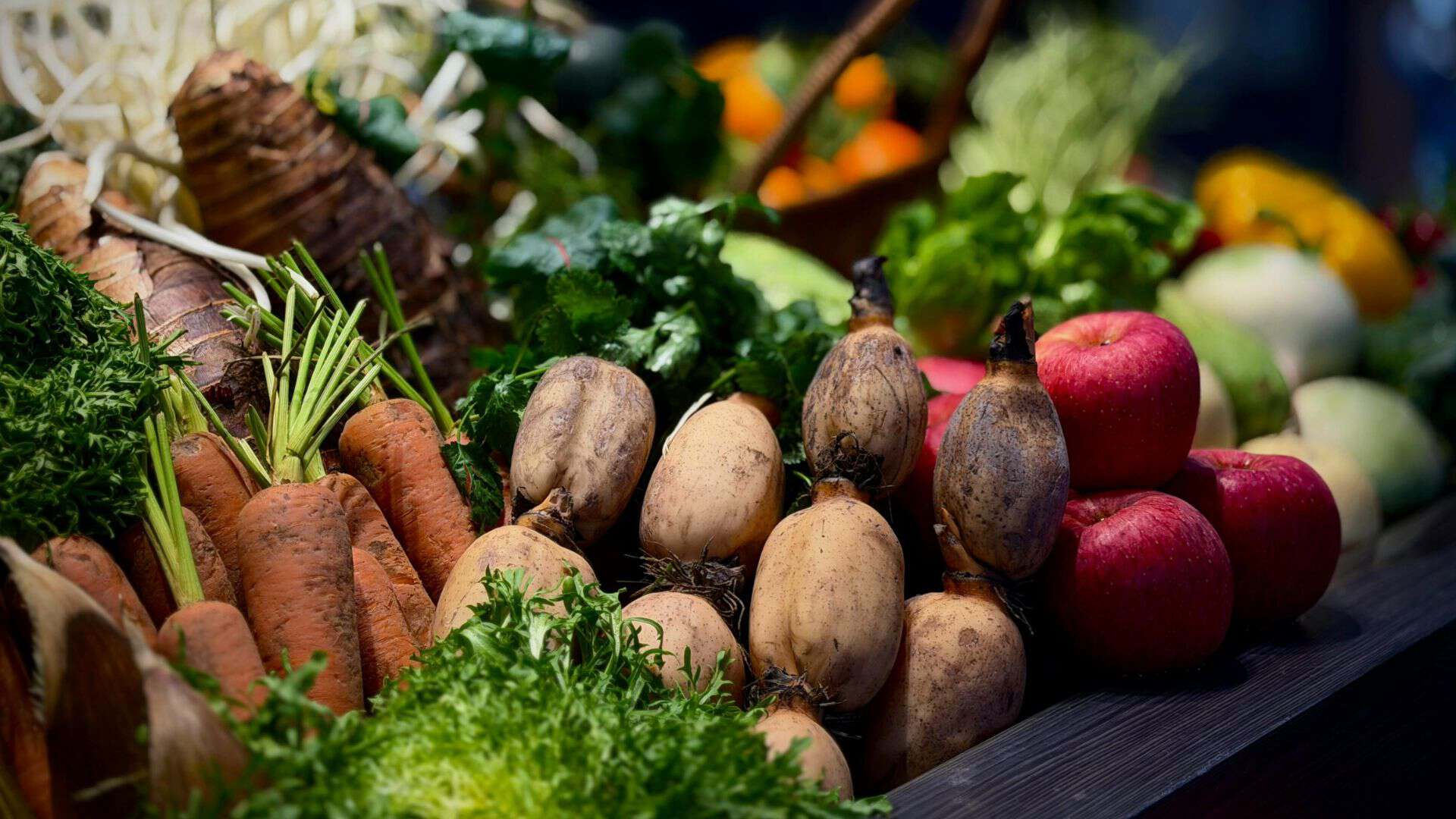
Carrot tops are among the more surprising revelations for home cooks who encounter them in professional kitchens. They are slightly bitter and herbaceous, with a flavor that sits somewhere between parsley and a more assertive green.
Chefs use them in chimichurri, blended into pestos, chopped through salads, or used as a garnish anywhere fresh herbs would otherwise go. The bitterness, which makes them seem unappealing in their raw state, becomes an asset when balanced against something rich or acidic.
Beet greens are another underused resource that most grocery store shoppers strip off and leave behind before the beets even reach the checkout. In the kitchen, they behave like chard, which makes sense because beets and chard are botanical relatives.
They wilt quickly in a hot pan, take well to butter and garlic, and have an earthy depth that pairs naturally with the sweetness of the roasted beet below. Buying a bunch of beets and using only the roots while discarding the greens is the equivalent of buying two vegetables and throwing one away.
Other interesting parts

Corn cobs, once the kernels have been cut away, are something most home cooks consider fully spent. Chefs simmer them in water or milk to make a corn stock that carries a concentrated sweetness perfect for soups, risottos, and polenta.
Onion skins are one of the most overlooked “waste” ingredients in home kitchens, but in professional cooking, they’re quietly valued for what they add rather than what they are. While they aren’t eaten directly, chefs use them almost like a natural seasoning tool for stocks, broths, and sauces. When simmered, the papery skins release a subtle sweetness and, more importantly, a rich golden-brown color that deepens the appearance of soups and braises without any artificial coloring.
The instinct to use the whole vegetable, once you develop it, is hard to switch off. The food tastes better, the shopping goes further, and the cutting board starts to look like an opportunity rather than a prelude to the trash.
Mary G Connor
It was almost humbling to think I discarded all the good food mentioned in this piece--food that was both healthy and economical. To think I was impressed with myself that I cooked down the picked over rotisserie chicken carcass for the broth. I certainly look forward to trying the suggestions in this article! Thanks!