
Have you ever had a beautiful loaf of bread only to watch it turn stale before you had the chance to enjoy it? That crisp crust and soft center can quickly become dry or, worse, moldy. Bread doesn’t have to meet that fate. With a few simple storage habits, you can keep it fresh and ready for every slice.
The key is understanding how different types of bread behave and choosing the right storage method for each one.
Store-bought bread vs. homemade bread
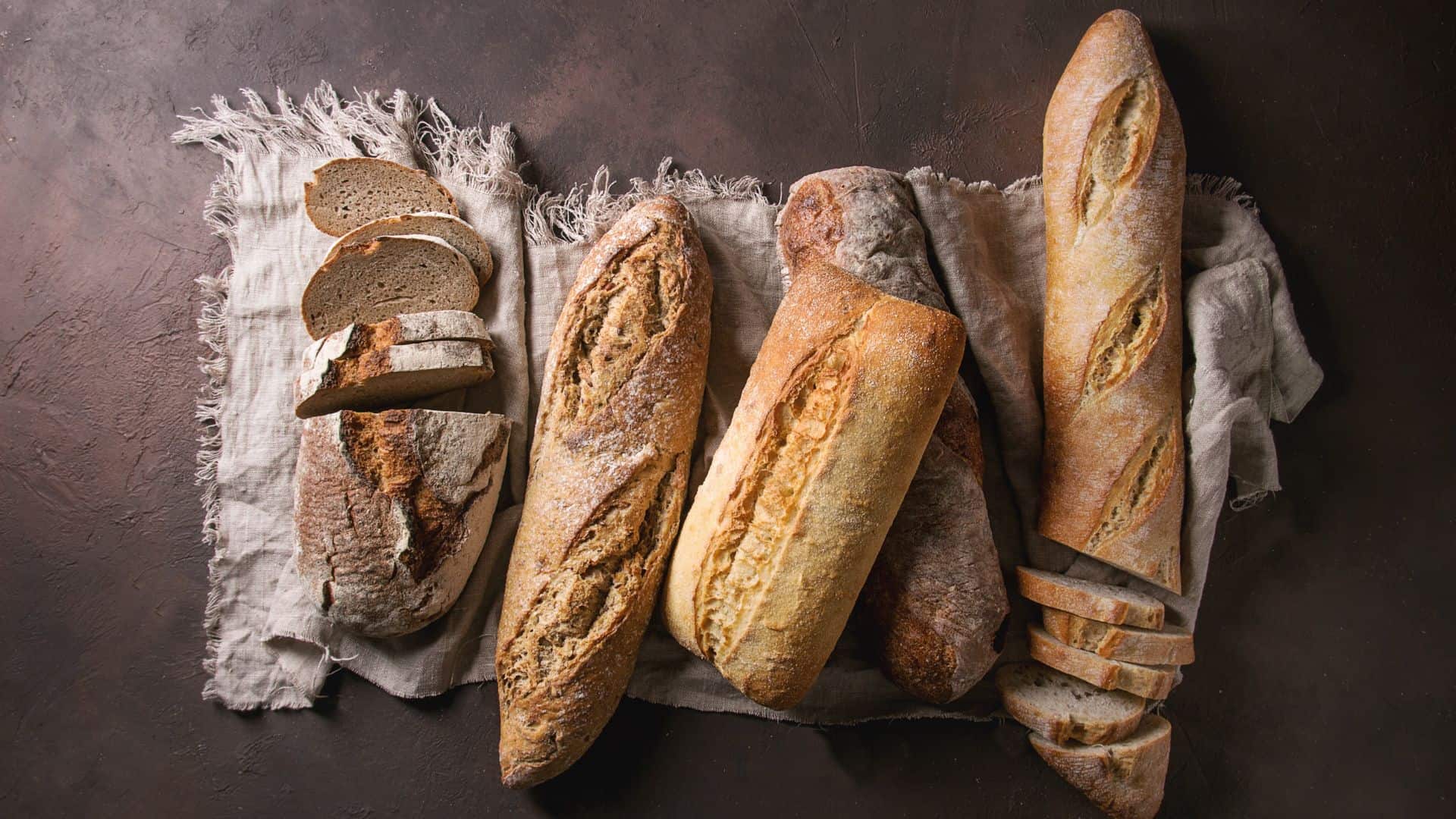
Before deciding how to store bread, it helps to understand what kind of loaf you’re dealing with. Store-bought bread and homemade bread may look similar, but they are built very differently, which affects how long they stay fresh.
According to the National Library of Medicine, sliced bread found in most grocery stores is typically made with preservatives that slow fungal growth and extend shelf life. Because of these additives, store-bought bread can usually sit in a pantry for about seven to ten days before noticeable staling begins. The plastic packaging also helps limit airflow, keeping the loaf soft for longer.
Homemade bread, on the other hand, is usually made with simple ingredients and no preservatives. While that simplicity often means better flavor and texture, it also means the bread starts losing freshness much faster. A homemade loaf tends to be at its best the day it’s baked and usually remains enjoyable up to 3 days at room temperature.
Understanding this difference explains why homemade bread seems to go stale faster than store-bought bread. It isn’t that something went wrong with the baking. It’s simply the result of using fewer additives.

The storage mistakes that make bread go stale faster
Many people accidentally shorten the life of their bread by storing it in ways that seem logical but actually work against it. It's not hard to make food last longer, as long as you know the right way to do it.
One of the most common mistakes is placing bread in the refrigerator. While a cold environment might seem to help preserve the loaf, refrigeration actually speeds up staling. The cool temperature alters the structure of the starches in bread, making it firm and dry much faster.
Leaving bread fully uncovered on the counter can also cause problems. Bread does need some airflow to keep the crust from becoming soggy, but too much exposure to air dries out the soft interior.
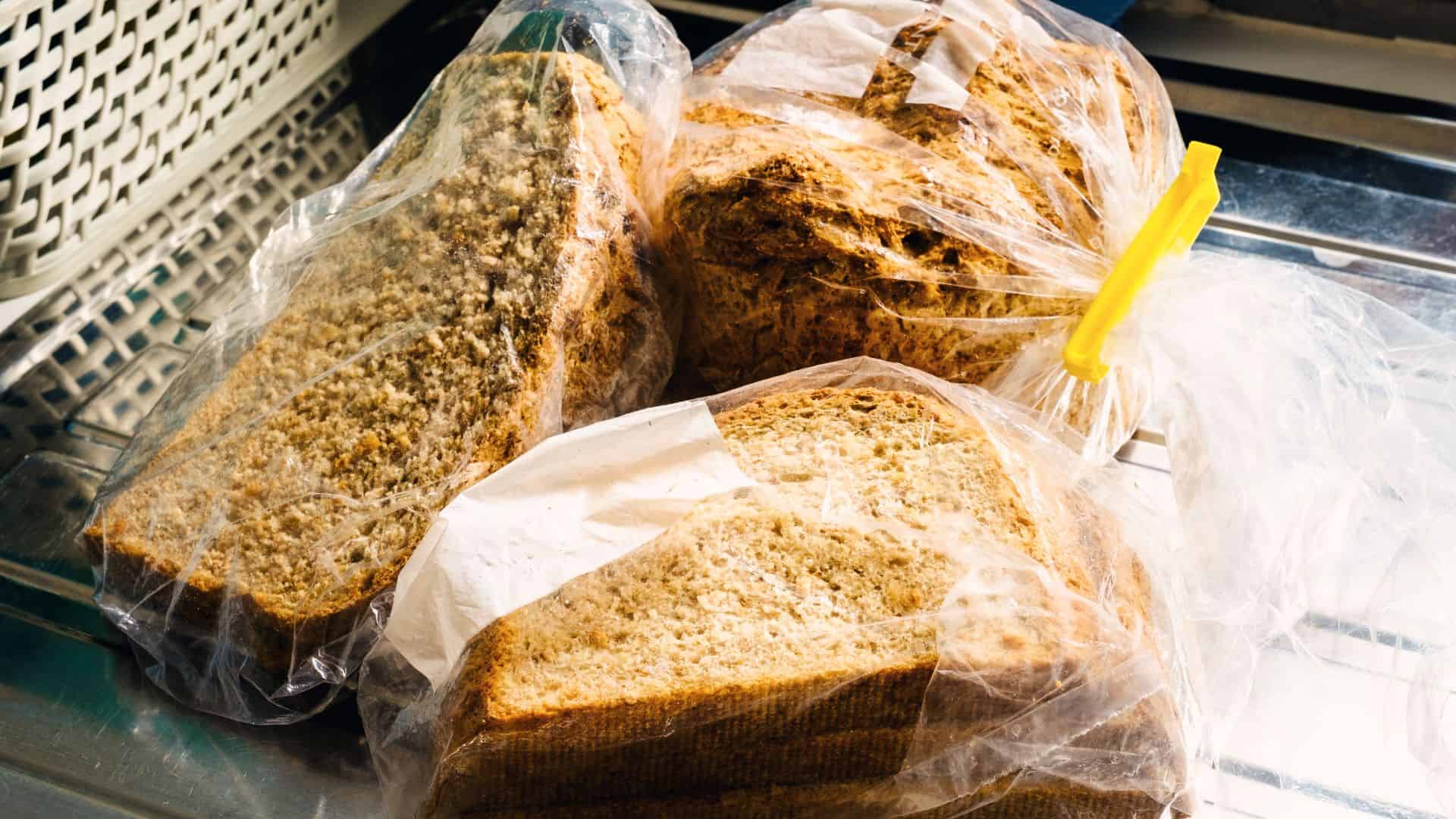
Another issue is sealing bread tightly in plastic while it is still warm. When warm bread is trapped inside plastic, moisture builds up inside the bag, creating conditions where mold can grow much faster.
These small storage habits often make the difference between a loaf that lasts for days and one that turns stale almost overnight.
The best way to store bread for short-term freshness
For bread that will be eaten within a couple of days, simple storage methods tend to work best.
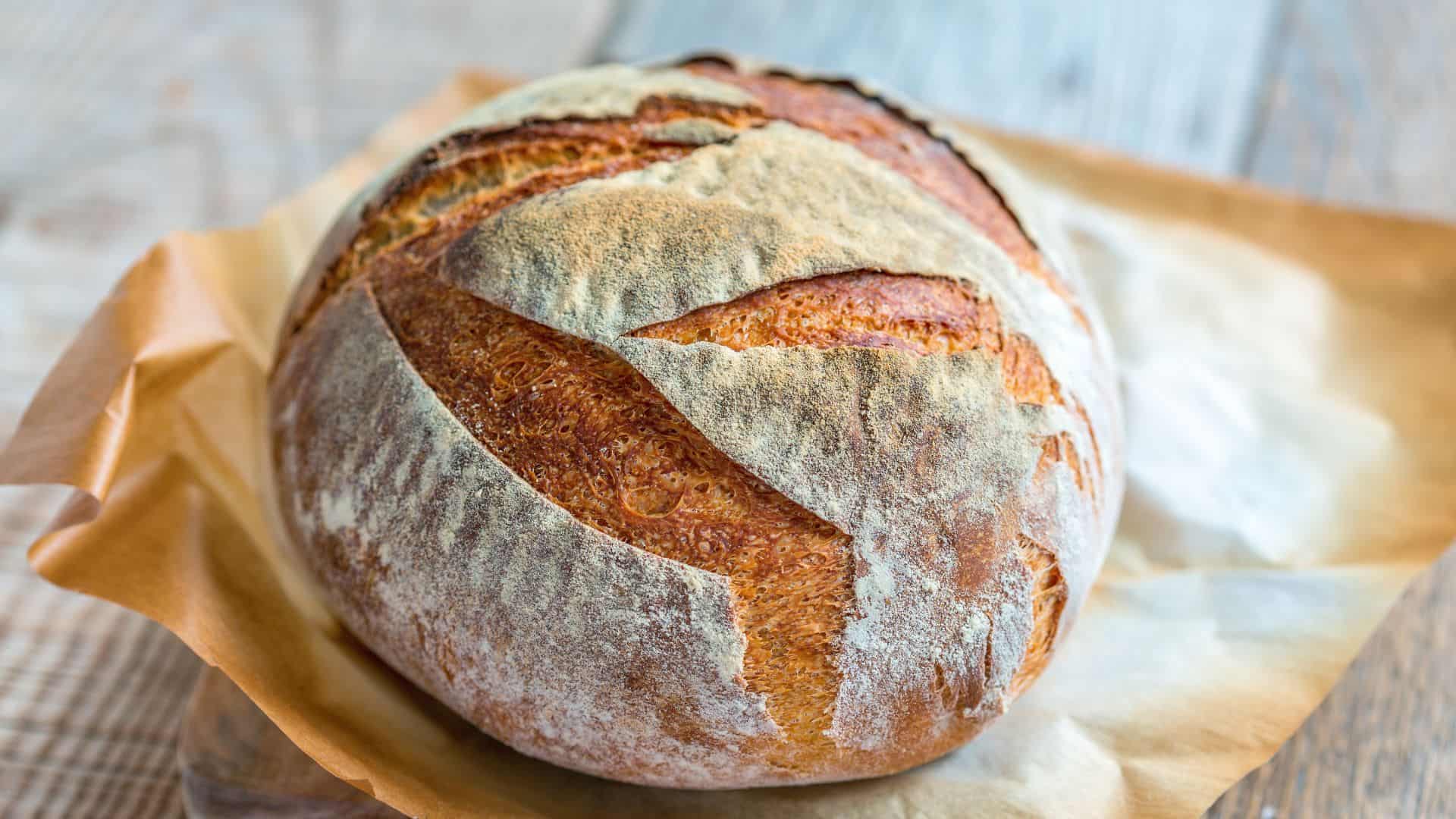
One of the easiest approaches is to place the loaf on a cutting board with the cut side facing down. This protects the soft interior from air while the crust acts as a natural barrier for the rest of the loaf. Many traditional bakeries use this method because it keeps bread fresh without trapping excess moisture.
Another reliable option is to wrap the loaf loosely in a clean tea towel or store it in a bread box. Both options allow the bread to breathe while still protecting it from excessive exposure to air. This balance helps maintain the crust while slowing the drying of the inside.
For homemade bread in particular, avoiding airtight plastic storage during the first few days helps preserve both flavor and texture.

How freezing bread keeps it fresh the longest
If you know you won’t finish a loaf within a few days, freezing is the most effective way to keep it fresh.
Freezing bread stops the staling process almost completely. When properly wrapped, a loaf can stay in the freezer for up to three months and still taste remarkably fresh once thawed.
Many recommend slicing bread before freezing it so you can remove only what you need, rather than thawing the entire loaf. This makes it easy to pull out a slice for toast or a quick sandwich while leaving the rest of the bread protected in the freezer.
@olgasflavorfactory shows how easy it is to freeze bread for later.
To store bread properly in the freezer, wrap it well to protect it from dry air. Wrapping the loaf or slices in plastic wrap or foil, then placing them in a freezer-safe bag, helps prevent freezer burn and preserves the bread’s texture.
When it’s time to enjoy the bread, you can thaw it at room temperature while still wrapped or warm it gently in the oven. A short time in the oven often brings back that just-baked taste and aroma.
Even when bread eventually goes stale, it doesn’t have to be wasted. Slightly dry bread can easily be turned into croutons, breadcrumbs, or French toast, proving that a good loaf can still have plenty of life left in it.
The takeaway
Bread doesn’t have to go stale before you’ve had the chance to enjoy it. Understanding the type of bread you’re storing and choosing the right method can make a big difference in how long it stays fresh.
The key is finding the right balance between airflow and protection. Bread that’s left completely exposed will dry out quickly, while sealing it too tightly can trap moisture and encourage mold. Simple storage options like a bread box or a clean kitchen towel often work best for keeping loaves fresh for a few days.
For longer storage, freezing is the most reliable solution. Properly wrapped bread can stay in the freezer for months and still taste great once thawed. And even when a loaf starts to go stale, it doesn’t have to be wasted. Croutons and French toast are all easy ways to turn older bread into something new.
With a few simple habits, you can enjoy every slice a little longer and make the most of every loaf you bring home or bake yourself.
Leave a Reply