
There is a point every summer when cooking stops feeling like a normal daily task and becomes something you have to negotiate with yourself. Turning on the oven feels unreasonable, standing over a hot stove feels unnecessary, and suddenly, even simple meals feel heavier than the weather outside. That is where I found myself recently, and it quietly shifted the way I eat on weeknights.
Why cooking suddenly feels optional in the summer
High temperatures make traditional cooking feel inefficient, especially after a long day when energy is already low. What surprised me was how quickly “I’ll just throw something together” turned into meals that required no oven or stove.
There is also a practical side that becomes obvious once you step away from the stove. The kitchen stays cooler, clean-up becomes easier, and there is less decision fatigue around what to cook. The idea of a full meal no longer depends on heat or timing, which removes more friction than I expected.
What “no-cook” actually looks like in real life
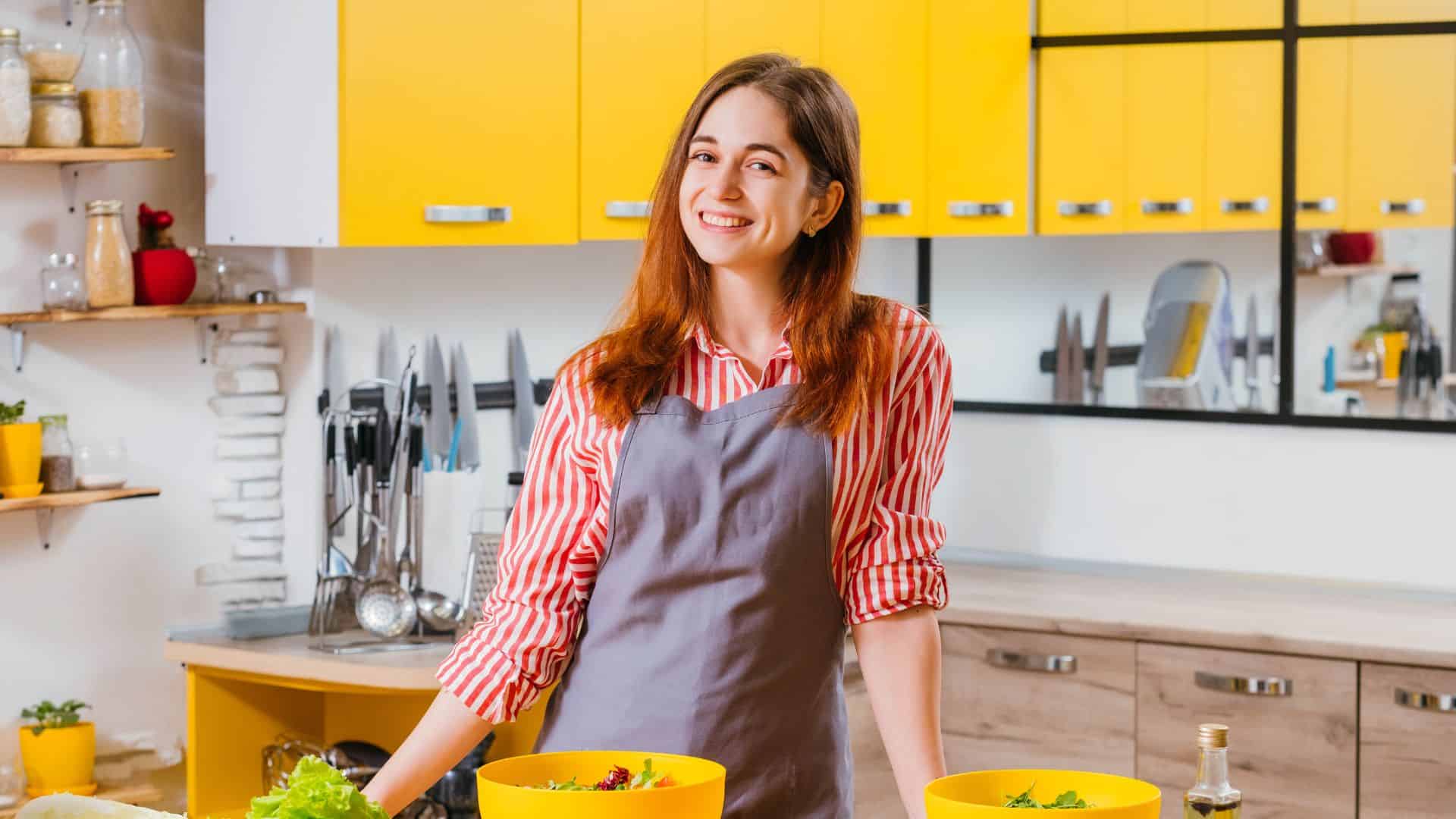
No-cook does not mean complicated or curated in a stylistic way. In my case, it has looked more like assembling than cooking, often built around a few consistent components that I rotate through the week. Bread, fresh vegetables, dairy, cured proteins, fruit, and ready-to-eat pantry items have taken over my fridge.
A typical dinner has become combinations like tomato, olive oil, and burrata with good bread, or yogurt bowls with herbs, cucumber, and seeds, or even simple plates of smoked fish, pickles, and grains. None of it feels like a “recipe” in the traditional sense, but together it forms something balanced enough to stop me from ordering takeout.
The real reason this trend is growing
What looks like a social media trend is actually a practical response to a wider shift in how people manage time, energy, and cost. Cooking burnout is not new, but summer exposes it more clearly because the usual motivation to cook comfort food disappears.
There is also a financial layer that is easy to overlook. No-cook meals tend to rely less on multiple energy-intensive steps and more on whole ingredients, which often reduces waste and impulse spending. Even grocery shopping changes, because you start buying foods that work well together instead of planning rigid meals.
What I learned from stepping away from the stove
The most unexpected part is that I did not feel like I was sacrificing quality. If anything, the food became more focused because fewer techniques were involved. Ingredients had to carry more weight on their own, which made freshness and sourcing more noticeable in everyday meals.
It also changed how I think about dinner entirely. Instead of a structured cooking event, it became a flexible time in the day when food is assembled based on appetite rather than obligation. That shift has made weeknights feel lighter in a way that goes beyond temperature.

When no-cook stops working
There are limits to this approach, and they show up quickly if you rely on it too heavily. Certain meals still require heat, especially when you want something warm, filling, or more structured. I found that the balance works best when no-cook dinners dominate the week, but do not replace cooking entirely.
The key is not treating it as a rule but as a seasonal adjustment. It works because it responds to conditions rather than trying to override them, which is probably why it feels more sustainable than I expected.
Even when temperatures drop, I suspect some of these habits will remain because they reduce effort without reducing satisfaction.
Leave a Reply