
For many households, hosting Christmas is both a privilege and a pressure point. The holiday brings family, tradition, and celebration together, yet it often leaves the host juggling long lists, managing expectations, and trying to prevent stress from overtaking the day. Many challenges happen year after year, while others surface only once people begin planning.
Understanding these pressure points can help reduce strain and keep the holiday centered on connection rather than chaos.

Managing an overcrowded to-do list
One of the most common sources of stress is the sheer volume of decisions that hosts make before the holiday begins. Planning a menu, preparing the home for guests, coordinating schedules, and handling last-minute errands all happen at once. The most effective way to reduce that pressure is to plan tasks and set limits. If a menu is planned early, the shopping list is easier to finalize, and the cooking timeline becomes more predictable. Choosing fewer dishes and preparing what can be made ahead will free up time on the day itself.
A different list for household tasks also helps. Cleaning, laundry, and organizing can be divided into short segments to do throughout the week rather than waiting until the final hours. Hosts often underestimate the time needed to get their home ready. It is a good idea to start with shared areas, guest bathrooms, and the dining space. These rooms have the most visibility and can be completed earlier in the week without interfering with daily routines.
Accommodating guest expectations
Many hosts feel the pressure to meet unspoken expectations from guests. It's hard to balance everyone's wants and needs, especially when these gatherings only happen once a year. Some guests may want traditional dishes, strict timelines, or formal settings, while others prefer informal gatherings and flexible plans. These expectations create unnecessary tension. Communication can resolve this before the stresses occur. A simple message outlining the schedule, meal plan, and any space or dietary limitations can limit misunderstandings.
Clear communication prevents assumptions and ensures the host is not taking on every responsibility alone.

Balancing holiday budgets
The financial pressure of hosting Christmas is underestimated. Costs rise quickly as hosts account for food, beverages, decor, and unexpected purchases. To avoid this spiral, you can create a separate event budget and prioritize essential items. Unnecessary costs come from impulse spending or last-minute panic buys, which occur when planning breaks down.
A simple approach is to shop from a list and compare prices across available brands and stores. A holiday menu built around pantry staples and repeatable recipes will reduce the financial burden without compromising quality or taste.
Timing the meal
Coordinating the timing of the holiday meal can be one of the most challenging parts of hosting. Multi-component dishes, crowded ovens, and limited stovetop space can send even experienced cooks into stressful territory. A cooking schedule helps the kitchen run more smoothly. Writing out oven temperatures, dish durations, and resting times stops cooking conflicts and reduces the urgency that builds as guests arrive.
You can also remove some dishes from the oven entirely. Slow cookers, pressure cookers, and stovetop sides can relieve worries and keep dishes warm without constant monitoring. Serving appetizers or small bites can keep guests occupied while the main course finishes, without adding pressure on the host.

Managing household space
Crowded homes are always a challenge during Christmas gatherings. Limited seating, small kitchens, crowded entryways, and shared bathrooms create lots of congestion. Rearranging furniture before guests arrive can make a big difference. Moving small tables, unnecessary decor, and extra chairs out of high-traffic areas opens up the space. Creating areas for coats, drinks, and gifts helps spread people out rather than having everyone in one location.
Designating a space for kids with games, puzzles, or crafts can reduce crowded common areas and give younger guests something fun to enjoy.
Avoiding kitchen overload
The kitchen is the most stressful area during the holiday. It becomes a workspace, a conversation zone, and a traffic path. To gain control, set a few boundaries before guests arrive. A designated drinks area keeps guests away from prep surfaces. A separate space for desserts, snacks, or potluck dishes can prevent crowding around the stove and cookware.
It may also help to limit the number of people helping in the kitchen. Although help can be appreciated, too many hands create delays, confusion, and safety risks. Giving tasks to one or two people keeps the process orderly.
Preventing last-minute supply problems
Running out of essentials is a common but avoidable source of stress. Stock extra paper towels, trash bags, ice, and storage containers before the event. These items are often forgotten, leading to disruptions when they run out mid-gathering. Planning for leftovers is also key. Many guests will want to take food home, so hosts should have to-go containers on hand instead of scrambling to find packaging during cleanup.
If you have overnight guests, supplies such as towels, toiletries, and bedding should be checked in advance. Preparing a guest basket can address forgotten items without forcing the host to search for replacements.
Managing cleanup
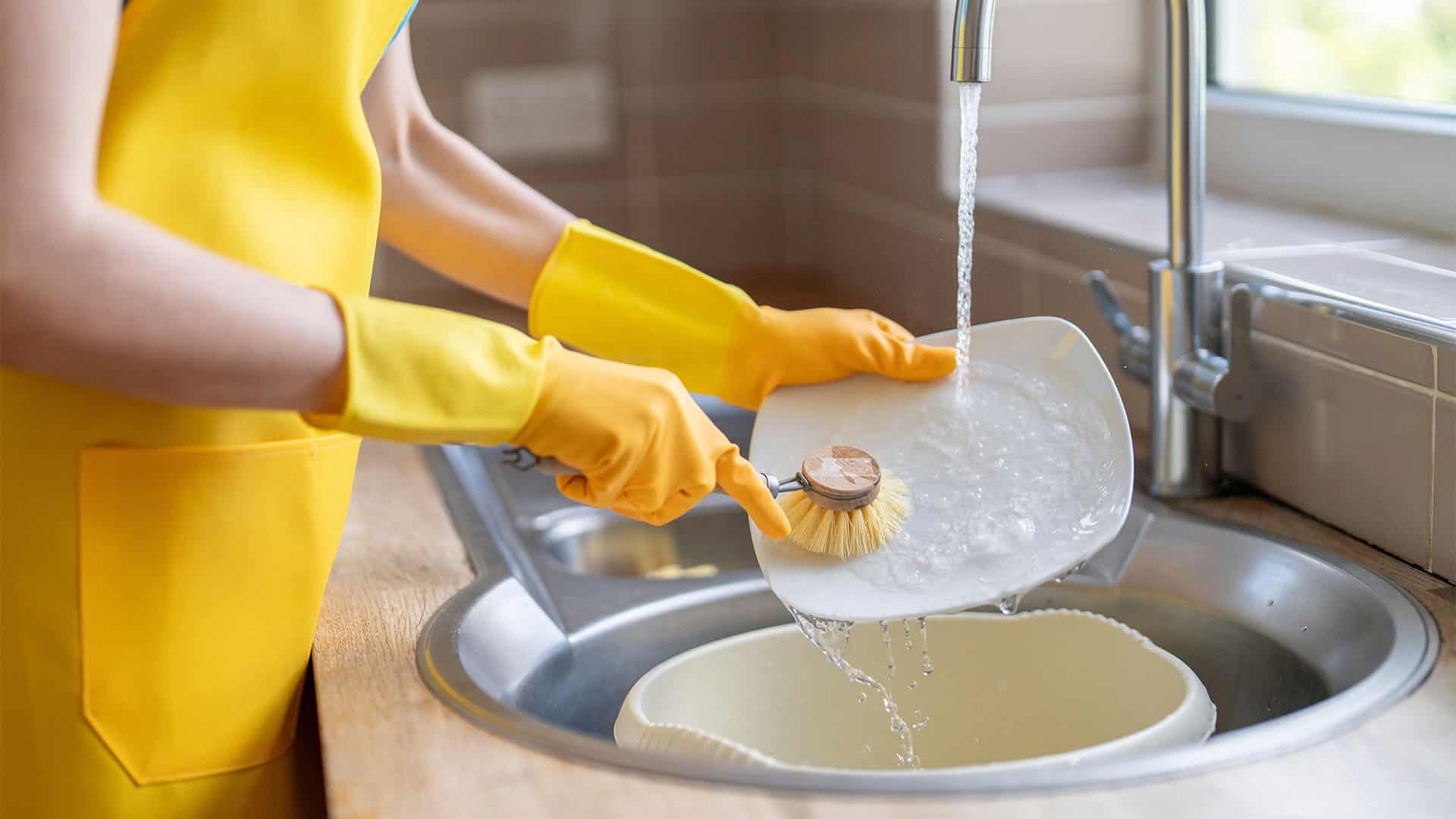
Cleanup is an overwhelming part of hosting, especially after a large meal. Dividing the process into stages makes it manageable. Hosts can clear surfaces between courses, load the dishwasher and empty trash bins before they overflow. It is also helpful to have a temporary location for dirty dishes, keeping them away from the food service area.
Asking guests for help can reduce the burden. Many guests want the chance to help without feeling intrusive.
Navigating emotional stress
Holidays often heighten family issues or drama. Personality conflicts, differing traditions, and long-standing tensions can add emotional strain. Setting expectations early helps lower the chances of conflict. Clear start and end times, guidelines for gift exchanges, and boundaries for sensitive topics can keep the event predictable.
Don't forget to plan breaks for yourself. A quick walk outside, a few minutes of quiet, or handing off a task to someone else can provide necessary emotional and physical resets during the day.
Choosing traditions wisely
Many people feel overwhelmed when they try to recreate every childhood tradition while also adding new ones. When traditions become obligations, they add stress rather than joy.
A manageable approach is to choose a few traditions rather than many. This could include a specific meal, a shared activity, or a gift ritual. Limiting the number of traditions prevents the day from becoming overscheduled.
Preparing for unexpected issues
No matter how well the holiday or day is planned, unexpected issues can and will arise. Illness, weather delays, missing ingredients, or appliance malfunctions can disrupt even the best preparation. You can lower these risks by keeping a few optional plans in your back pocket. Frozen backup meals, alternative cooking methods, and simplified menus are all great options.
Looking ahead to a less stressful holiday
Hosting Christmas involves many moving parts, and the pressure to produce a flawless celebration can overshadow the holiday's purpose. The goal is not perfection but a gathering that feels calm, structured, and welcoming. Thoughtful preparation allows hosts to participate in the day rather than feel consumed by it.
Leave a Reply