
Spring cooking always sounds refreshing in theory, but the real shift starts with what actually ends up in your fridge, pantry, and produce drawer. Once the weather warms up, I stop buying ingredients that feel heavy and start stocking foods that make meals lighter, fresher, and easier to prepare without sacrificing flavor.
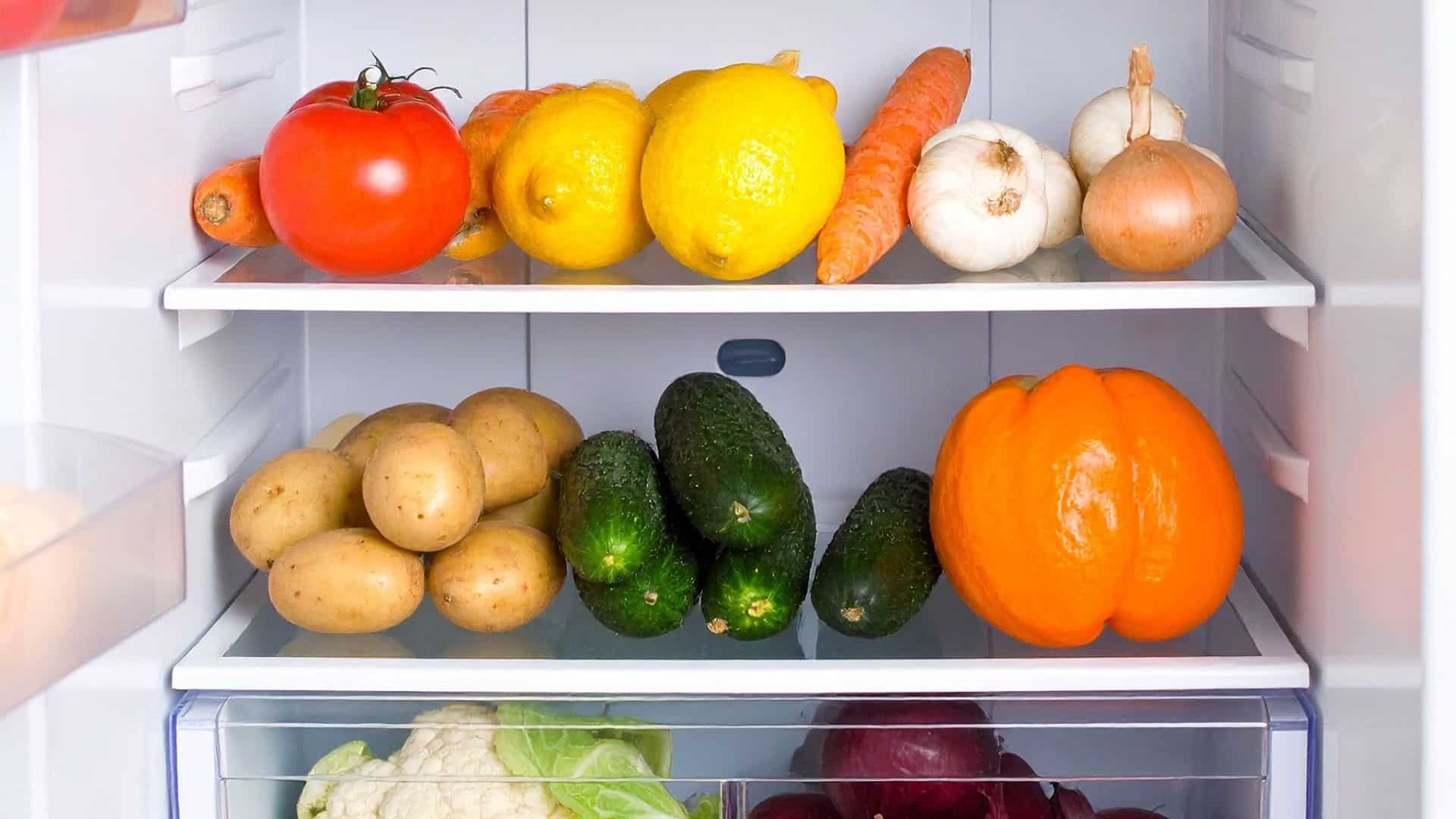
The first thing I change? The produce drawer
Winter cooking tends to revolve around meals that simmer for hours. Spring and early summer are the complete opposite. I start shopping for ingredients that cook quickly, taste bright, and don’t need much work to feel satisfying.
That usually means filling the fridge with asparagus, cucumbers, new potatoes, cherry tomatoes, zucchini, salad greens, avocados, snap peas, strawberries, and lemons.
I barely touch fresh herbs during the colder months unless a recipe specifically calls for them. Once spring hits, though, they become one of the most important things in my kitchen.
Fresh basil, cilantro, parsley, dill, mint, and green onions instantly make meals taste brighter and fresher. Even something simple like scrambled eggs or pasta salad tastes completely different once fresh herbs are added.

Strawberries end up in salads, yogurt bowls, smoothies, desserts, and even drinks. Blueberries get tossed into oatmeal and spinach salads.
One of the easiest ways to make meals feel more seasonal is simply to add fruit where you normally wouldn’t in winter.
This is also the time of year when produce quality improves dramatically. Grocery-store fruit finally starts tasting sweeter and fresher again, and local produce stands are worth the stop.
Citrus starts showing up in everything
Once spring arrives, lemons and limes become permanent staples in my kitchen again.
Winter meals usually lean heavily on butter, cream, cheese, and rich sauces. Spring cooking works differently. It relies more on acidity and freshness to build flavor.
A squeeze of lemon can completely wake up roasted vegetables, grilled chicken, seafood, pasta, or salad dressings. Limes become equally important for tacos, rice bowls, marinades, and easy sauces.
One thing I’ve noticed over time is how often citrus can replace heavier ingredients. Instead of adding another creamy sauce or extra cheese, a little lemon juice can make food feel finished without weighing it down.
Warm weather means more “assembly” meals
The warmer it gets, the less I want to spend hours cooking complicated meals indoors. That’s when I start buying more ingredients that can quickly turn into lunches or low-effort dinners.
Things like hummus, rotisserie chicken, Greek yogurt, fresh mozzarella, cottage cheese, deli turkey, tortillas, crackers, and pre-washed greens become incredibly useful this time of year.
These ingredients make it easy to throw together meals without heating up the kitchen or following a long recipe. Some nights, dinner is simply a mix of fresh fruit, vegetables, and dips spread out on a plate, and honestly, that sounds a lot better once the weather warms up.
The pantry changes too
The pantry shifts almost as much as the refrigerator once warmer weather arrives.
I naturally stop buying as many soup ingredients and slow-cooking staples. Instead, I start stocking foods that work for quicker, lighter meals.
Rice noodles, quinoa, couscous, canned beans, and vinegars all become regular pantry staples again. Pasta for cold pasta salads suddenly makes sense again, too.
Quick grains become especially useful because they work well both warm and cold. Quinoa can turn into a grain bowl one day and a cold lunch salad the next. Couscous cooks quickly enough for easy weeknight dinners when nobody wants to spend an hour in the kitchen.

Grilling season changes everything
Even before summer officially arrives, I start shopping differently because I know we’ll cook outside more often.
That means buying foods specifically because they grill well. Corn, zucchini, bell peppers, shrimp, chicken skewers, pineapple, sausage, and portobello mushrooms all become regular grocery staples.
One thing that helps a lot is prepping simple marinades ahead of time. I’ll usually keep a lemon-herb marinade or a balsamic mixture ready in the fridge so vegetables or proteins can go straight onto the grill later.
Cold drinks and easy desserts become part of the routine
The warmer it gets, the more I start stocking ingredients specifically for simple drinks and low-effort desserts.
Fresh lemons and limes, frozen fruit, mint, sparkling water, yogurt, whipped topping, cream cheese, and graham crackers are all starting to show up more often in my cart.
Warm-weather desserts usually become much simpler because nobody wants to spend hours baking when it’s hot outside. That’s why no-bake desserts, fruit parfaits, layered desserts, frozen treats, and easy dips become so popular this time of year.
The same thing happens with drinks. Suddenly, iced coffee, infused water, homemade lemonade, fruit spritzers, and mocktails become part of everyday life again, rather than occasional treats.

The biggest change is cooking lighter
More than anything, warmer weather changes the overall feel of cooking.
Meals become faster, and recipes rely more on produce, herbs, citrus, and simple preparation. Once the fridge and pantry are stocked with flexible, seasonal ingredients, spring cooking starts to feel effortless rather than complicated.
Honestly, half the battle is simply keeping ingredients around that make you want to cook this way in the first place.
Leave a Reply