
The next time you feel a little sheepish about tossing a candy bar onto the conveyor belt, know this: you were never really in control. That moment of weakness did not happen because your willpower failed. It happened because an entire science of behavioral psychology, retail design, and supply chain negotiation was working against you from the second you turned toward the registers.
The checkout aisle is one of the most studied, optimized, and profitable areas in any grocery store. Every inch of it has been engineered to extract one or two more dollars from you before you leave. Here is how it works.
The wait is the weapon

When you are standing in line, your hands are empty, your eyes are wandering, and you are not particularly focused on anything. Retailers know this. A bored shopper is a browsing shopper, and a browsing shopper is a buying shopper.
This is why checkout lines are rarely made faster than they need to be, even in stores that could easily add more registers. The wait is not an inconvenience that the store is failing to fix. It is a feature. Those two or three minutes of idle standing are among the most monetizable moments in your entire shopping trip.
The products placed within arm's reach during that wait are not random. They are the highest-margin, most impulsive, and easiest to justify items in the store: single-serve chocolates, novelty gum, lip balm, and a glossy magazine. Nothing that requires real deliberation. Everything is designed to feel like a small, harmless treat.
Every product is at 'purchase' level
Candy and chocolate sit at adult eye and hand level because adults control the wallet. Smaller treats and toys are positioned lower, squarely in a child's line of sight after an hour of being told no throughout the rest of the store. Retailers understand the fatigue of that dynamic. By the time a parent reaches the checkout, their resistance to a small yes is considerably lower than it was at the entrance.
Seasonal and limited products rotate through checkout endcaps and impulse zones constantly. Scarcity and novelty are powerful motivators, and seeing something unfamiliar in a store you visit every week creates a small but real urgency to grab it before it disappears.
The deals that are not quite deals
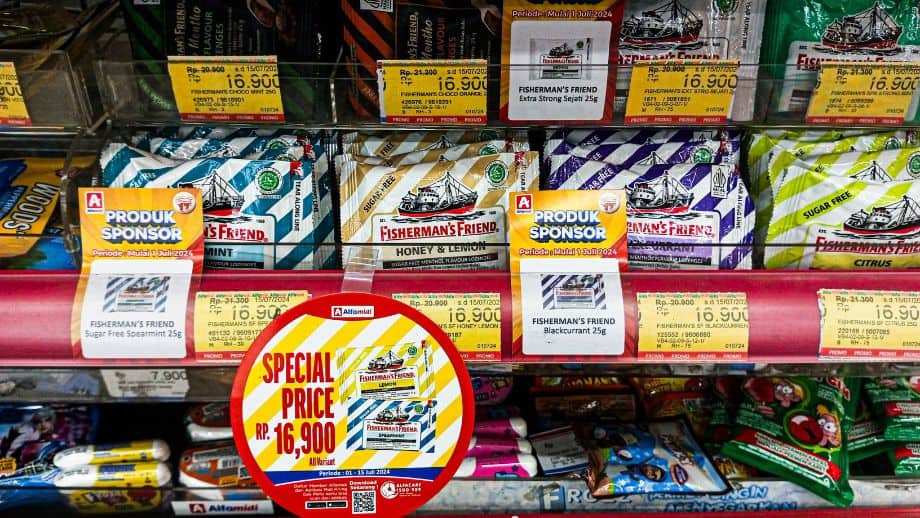
Many checkout areas feature a small cluster of items labeled as specials, marked down prices, or multibuys. Some of these are genuine savings. Many are not. The checkout zone is one of the last places in a store where a shopper is likely to pull out their phone to price-check anything.
Retailers rely on that. The perceived value of a small markdown feels more significant when you are tired, your cart is already full, and finishing the transaction feels like the only goal left. Adding one more low-cost item to save a dollar feels logical in the moment, even if the saving is minimal and the item was never on your list.
Premium chocolate brands, in particular, negotiate hard for checkout placement because the data supports it. A beautifully packaged single bar at the register converts at a rate nearly impossible to replicate anywhere else in the store. The setting does the selling.
What you can actually do about it
None of this means you should feel manipulated every time you buy a Reese's on your way out. Sometimes an impulse buy is perfectly reasonable. The point is simply to recognize the system for what it is so that the choice, when you make it, is actually yours.
Shopping with a list helps, but the more effective move is giving yourself permission to ignore the checkout zone entirely. Treat it the way you treat a display case you walk past without stopping. Once you stop engaging with those products as real options, the pull weakens considerably.
The checkout aisle will always be there, stocked with precision and purpose. Knowing why it works the way it does is, at the very least, a more satisfying reason to put down the candy bar than willpower alone.
Leave a Reply