
Grilling looks simple on the surface, but small mistakes can quickly change the outcome. A few common habits often lead to meat that turns out dry or lacking flavor. The good news is that most of these issues are easy to fix once you know what to watch for, and a few adjustments can make a noticeable difference at the grill.

Lack of grill maintenance
Sometimes the issue starts before you fire up the grill. Dirty, greasy grates can ruin the flavor instantly, and cleaning the grill is just as important as how you handle the food. It also makes it easier to get a good sear.
Fuel levels matter more than most people think. A gas grill running low on fuel won’t maintain steady heat, leading to uneven cooking and longer cook times. On the charcoal side, too little charcoal means the temperature is either low or drops quickly. Always check your fuel before you start.
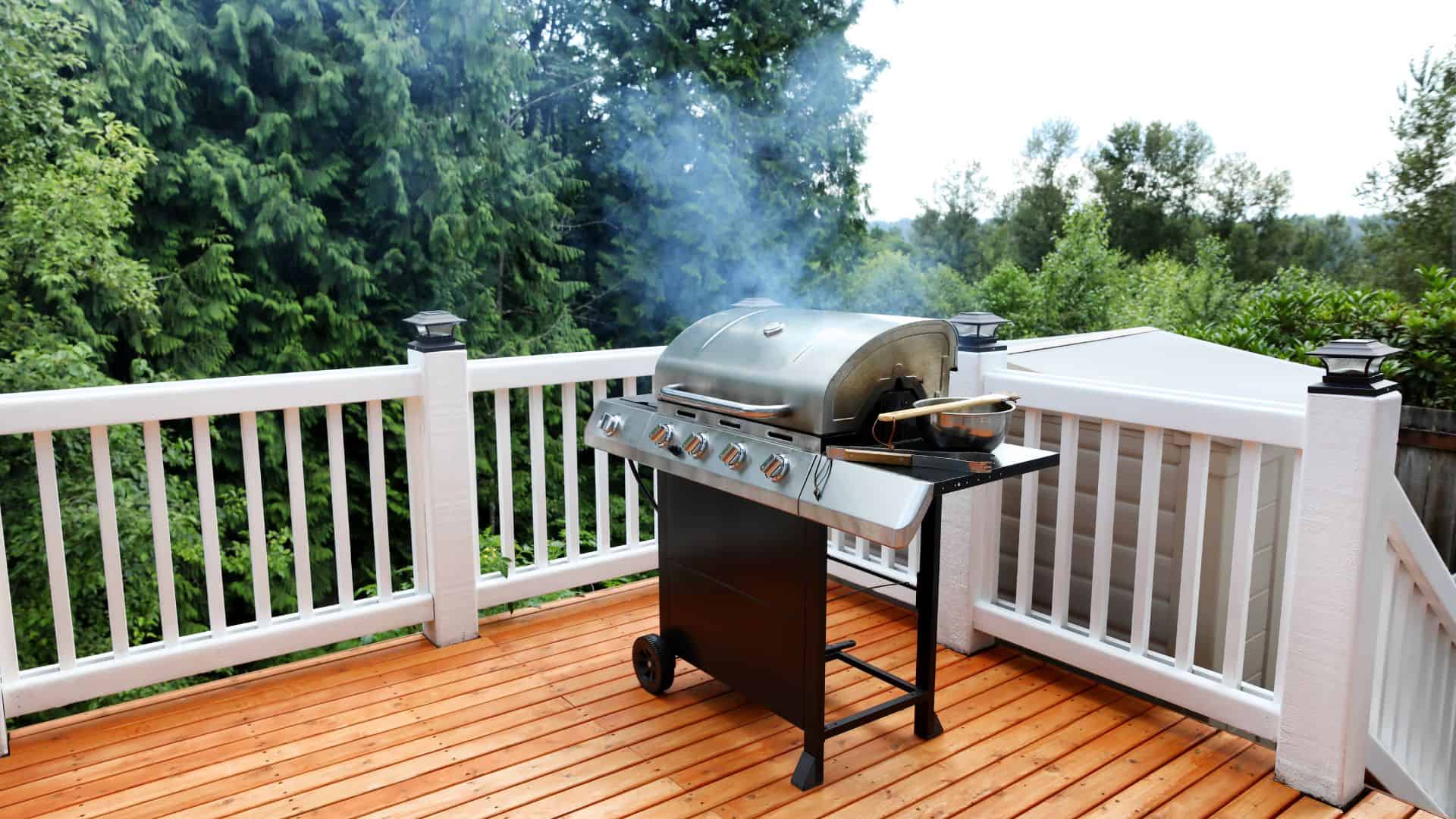
Using the wrong temperature
Start cooking by preheating your grill. Putting meat on a grill that is not fully heated leads to sticking and uneven cooking. Apply a thin layer of olive oil to the grill to prevent sticking.
Another common problem is uneven heat. It sounds simple, but it affects everything from how meat cooks to how it tastes. A grill that is too hot on one side and too cool on the other results in meat that burns on the outside while remaining undercooked on the inside. On the flip side, low heat across the entire surface can leave food pale and lacking that grilled flavor people expect.
A better approach is to create zones. Keep one side hotter for searing and another side at a lower temperature for slower cooking. This gives you control. If something starts cooking too quickly, you can move it. If it needs more color, you can bring it back to the heat. Without that flexibility, you are stuck reacting instead of guiding the process.
Meat goes on straight from the fridge
Cold meat straight from the refrigerator creates problems that are easy to miss. The outside begins cooking right away, but the inside stays cold longer than expected. That temperature difference leads to overcooked edges and an undercooked center.
Letting meat sit at room temperature for a short time before grilling helps it cook more evenly. It does not need hours on the counter, but even 20 to 30 minutes can make a difference.
It also makes it easier to make it just right. When the internal temperature starts closer to room temperature, you have more control over how quickly it rises on the grill.
Seasoning too late
Flavor issues usually start before the meat even hits the grill. Not enough seasoning, or seasoning added right before cooking, often leads to bland results. Salt needs time to work into the surface of the meat. When rushed, it stays on the outside rather than enhancing the entire bite. Seasoning ahead of time, ideally a few hours before grilling.
Marinades can help, but they are often misused. A quick dip right before grilling does not add much. Letting meat sit in a marinade for a few hours, or even overnight, creates a difference in both flavor and texture.

Overcrowded grill
Trying to cook everything at once is tempting, especially when feeding a group. The result is usually disappointing. When the grill is packed, heat gets trapped, and airflow is reduced. Instead of searing, the meat starts to steam. That leads to less browning and a weaker flavor.
Spacing matters more than people expect. Leaving room between pieces allows heat to circulate and gives each item the chance to develop a proper crust. It also makes it easier to flip and move items without disrupting the rest of the grill.
Constant flipping and pressing
There is a tendency to keep checking the meat or pressing down with a spatula. Each of these habits works against good results.
Flipping too often interrupts the cooking process. Meat needs time in contact with the grill to develop a crust. Moving it too soon prevents that from happening. A good rule is to let it cook undisturbed until it naturally releases from the grill surface.
Pressing meat is another issue. It pushes out juices that should stay inside. This is especially common with burgers, where pressing can quickly turn a juicy patty into a dry one.
Not checking the temperature
Many people rely on appearance or timing alone to decide when meat is done. This leads to overcooking or undercooking. The outside can look perfect while the inside is still not where it should be.
Use your grill thermometer or meat thermometer. It gives a clear answer and helps you hit the level of doneness you want. This is especially important for thicker cuts, where visual cues are less reliable.
Different meats have different ideal temperatures, but the key is consistency. The USDA has some useful information that shows the safe internal temperatures for meat. For example, beef should have an internal temperature of 145 degrees, while ground meats should reach at least 160 degrees.

Skipping resting
Pulling meat off the grill and cutting into it right away is another common mistake. It may seem harmless, but it affects how juicy the meat stays.
As meat cooks, juices move toward the center. Resting gives those juices time to redistribute. Cutting too soon lets them run out onto the plate instead of staying in the meat.
Even a few minutes of resting can make a difference. Larger cuts benefit from longer rest times, while smaller items like burgers or chicken pieces need less. The result is meat that stays moist instead of drying out quickly.
Adding sauce at the wrong time
Sauce can add flavor, but timing matters. Applying sauce too early, especially a sugary one, can lead to burning. The outside may look dark and caramelized, but the taste can turn bitter.
A better approach is to cook the meat most of the way first, then add sauce toward the end. This allows it to set and develop flavor without burning. For some dishes, serving sauce on the side works even better, giving people control over how much they use.
Managing heat, letting meat reach room temperature, and using tools like a meat thermometer all work together to improve results. Small changes can turn dry meals into something that feels balanced and worth repeating.
Leave a Reply