
There is a particular kind of frustration that comes from opening your fridge two days after a grocery run and finding a container of strawberries with a soft, furry corner already starting. The problem is probably not how you stored them. The problem started before they even made it into your fridge, and it has everything to do with mold spores that hitched a ride from the field.
The fix takes five minutes, costs pennies, and has been backed by enough science that it is worth understanding properly rather than just following blindly.
What is actually happening to your berries
The mold you see on day two was already there. Berries travel from farms to packing facilities to trucks to store shelves before they reach your kitchen, and invisible mold spores hitch a ride through the entire journey. By the time a punnet lands in your fridge, those spores are present and waiting. All they need is a little moisture and time, and a fridge gives them both.

This is also why one bad berry ruins the rest so quickly. A single overripe or damaged berry releases moisture and accelerates the decay of everything around it. The moment you spot one going soft, it has already been influencing its neighbors for hours.
The vinegar trick and why it works
A vinegar wash interrupts this before it starts. White vinegar is mildly acidic, and that acidity creates a surface environment on the berry skin that mold spores cannot thrive in. Done correctly and followed by thorough drying, it extends the life of a fresh punnet from 2 or 3 days to 10 days or more. That is not a minor improvement. At current berry prices, that is real money that would have gone in the bin.
How to do it properly
Fill a large bowl with three cups of cold water and one cup of white distilled vinegar. Submerge the berries, swish them gently, and let them soak for five minutes. No longer than ten, and certainly not longer, as extended soaking can soften delicate fruit and let the vinegar flavor seep in.
Drain them into a colander and rinse thoroughly under cold running water until any trace of vinegar smell is gone. This step matters because you are not storing vinegar-flavored berries. You are using the vinegar to do a job and then rinsing it away.
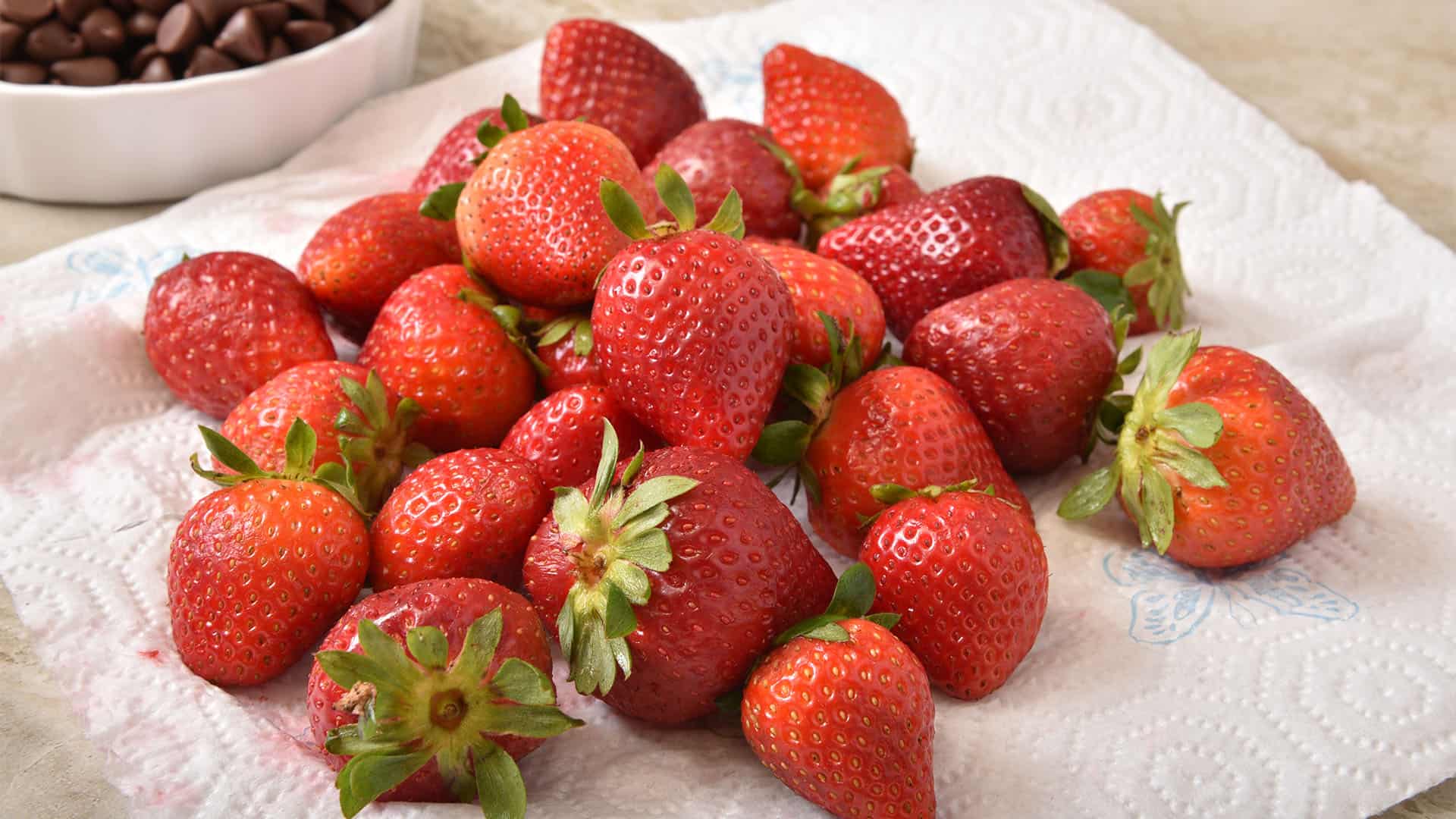
The part most people rush and should not is the drying. Berries that go back into the fridge will still mold if they're damp, because moisture is the other half of the problem. Spread them on a clean kitchen towel or several layers of paper towels and let them air dry for at least 20 minutes, turning them once. A salad spinner lined with a paper towel speeds this up considerably. Once dry, store them in a container lined with a fresh paper towel, with the lid slightly ajar to allow air to circulate. Change the paper towel if it becomes damp over the next few days.
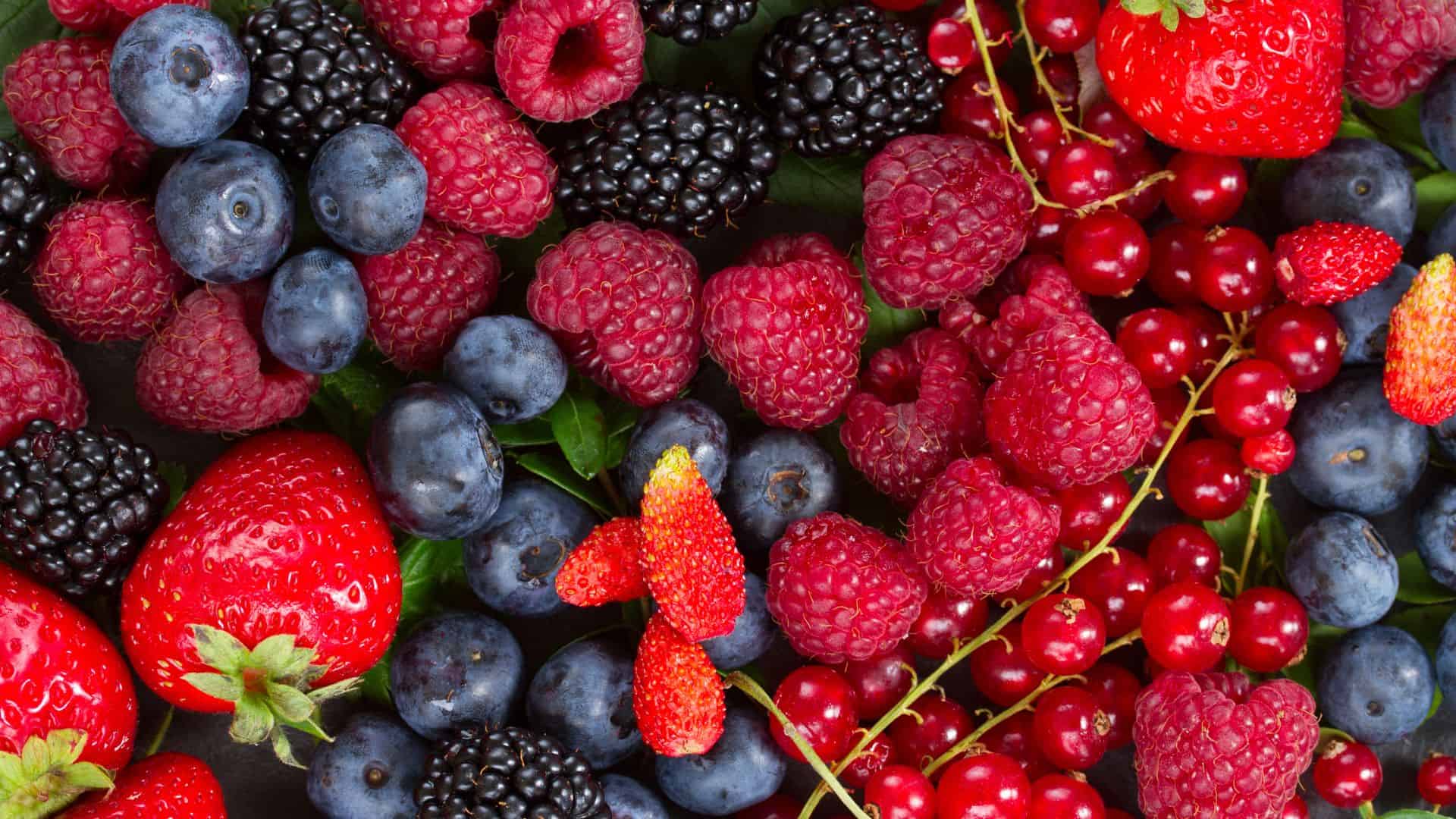
One note: this method works beautifully for strawberries, blueberries, and blackberries. Raspberries are too fragile for soaking and are better eaten quickly or rinsed gently right before serving.
Making it part of your weekly rhythm
This is the kind of small habit that changes how you relate to fresh food at home. Instead of buying berries and immediately feeling the pressure to use them before they turn, you buy them and genuinely have time to enjoy them. A bowl of strawberries with cream on a slow Sunday morning. Blueberries stirred into yogurt all week. Blackberries on top of a tart you make on the weekend because you actually still have fresh fruit to work with.
Berries are among the most expensive items in your weekly shop by weight, and among the fastest to spoil without any help. A five-minute soak the moment you get home changes that calculation entirely, and all you need is already sitting in your pantry.
Leave a Reply