
Labels like “best by” and “sell by” convey the idea that a food item must not be consumed after the expiration date. However, not all items with labels like these are expired; in fact, many foods remain safe to consume after being past the label date.
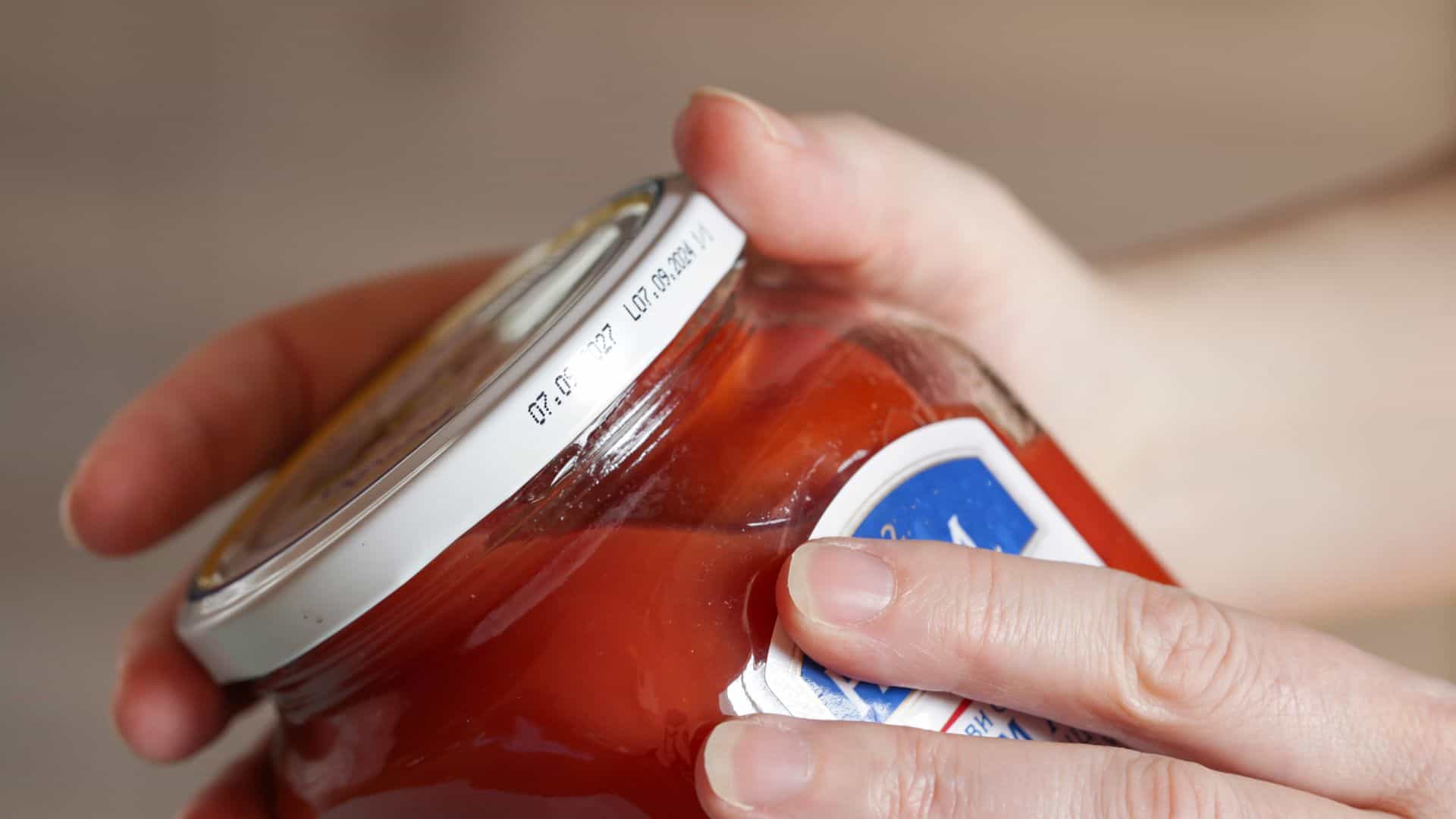
What date-labeling phrases are used?
The dates printed on food packages are meant to help consumers understand the product's quality. Most products can still be safe to eat after the date listed, as long as they have been stored properly and show no signs of spoilage.
According to the USDA, these are some commonly used phrases:
A "Freeze-By" date indicates when a product should be frozen to maintain peak quality. It is not a purchase or safety date.
A "Best if Used By/Before" date indicates when a product will be of best flavor or quality. It is not a purchase or safety date.
A "Sell-By" or "date tells the store how long to display the product for sale for inventory management. It is not a safety date.
A "Use-By" date is the last date recommended for the use of the product while at peak quality. It is not a safety date except when used on infant formula as described below.
So, here is a list of foods people typically throw out, but which are actually safe to consume as long as proper storage guidelines are followed.
Eggs

Eggs can spoil when stored improperly, but this does not mean they will immediately lose their quality after passing the dates on the carton. Eggs can be stored in the refrigerator safely for 3 to 5 weeks. They might go past the expiry date during this time, but they still retain their freshness and taste, as long as they were stored correctly at 40°F or below as soon as they were bought.
Cheeses
Typically, people throw out cheese after its expiry date. But depending on the type of cheese, it may be safe to consume even after the date has passed. Soft cheeses like cream cheese and cottage cheese tend to absorb moisture quickly, so once they begin to grow mold, it can spread throughout the whole cheese, leading to spoilage. In such cases, throwing them out after the expiry date is a wise choice.
However, hard cheeses are usually safe to consume even if they’ve begun to grow mold, because mold tends to take longer to penetrate the surface and can be shaved off. Cut off at least 1 inch around and below the mold spot (keep the knife out of the mold itself so it will not cross-contaminate other parts of the cheese). After trimming off the mold, re-cover the cheese in fresh wrap.
Yogurt
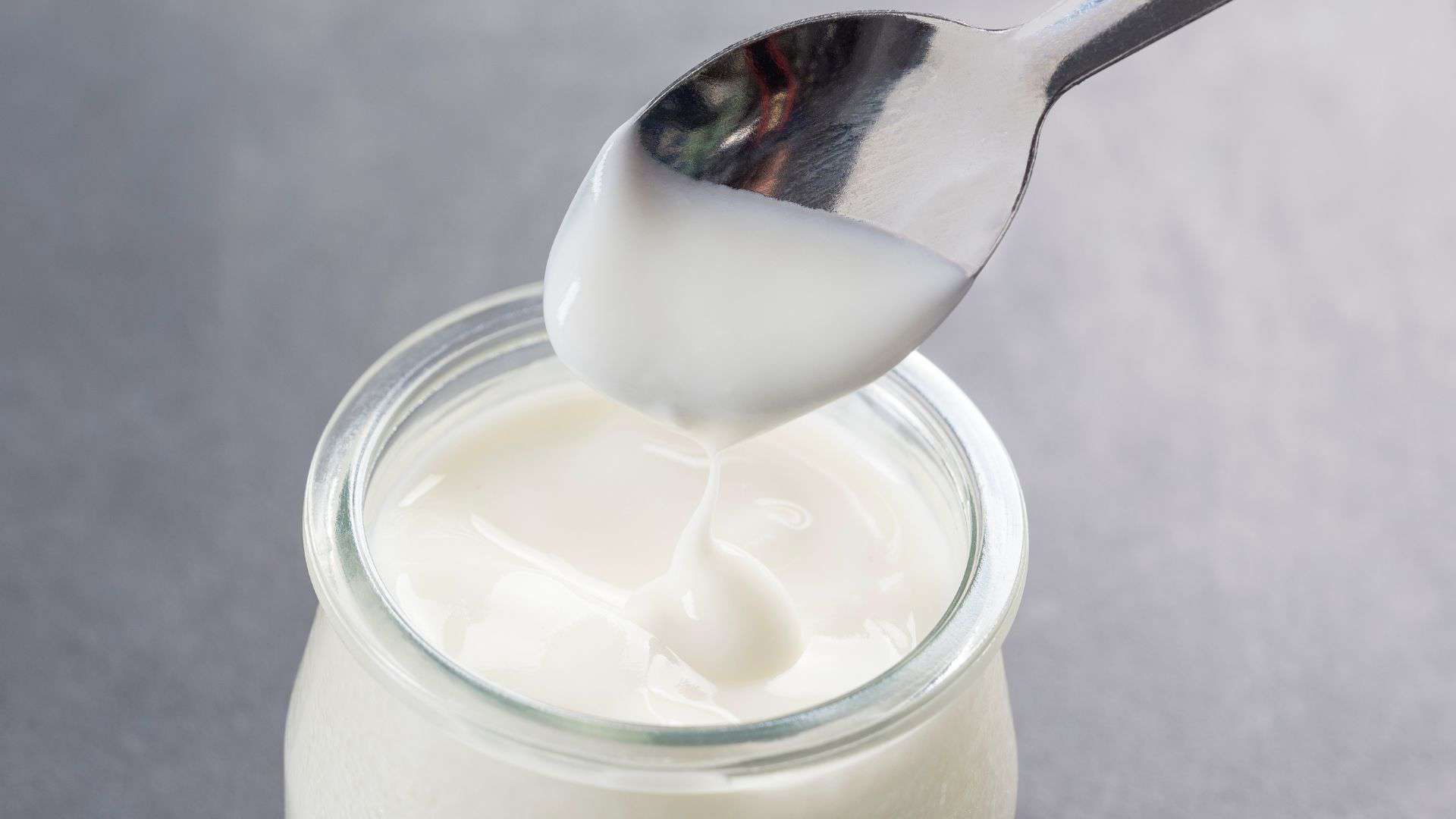
Yogurt has a high moisture content, making it susceptible to mold growth. However, yogurt can be consumed days past the expiry date, as long as it meets certain conditions. Firstly, the yogurt must be sealed. An unopened yogurt can survive for up to two weeks when refrigerated, and up to one to two months when frozen. Secondly, one must maintain proper refrigeration, ensuring that temperatures remain below 40°F or remain constant at 0°F when frozen.
Milk
Milk does not immediately spoil once it reaches the date printed on the carton. The “sell by” or “best before” label is intended to indicate its quality. When milk is stored at a consistent temperature, ideally in the back of the refrigerator where it is coldest, it often remains safe to consume for several days after that date. According to the USDA, properly refrigerated milk can generally be kept for up to one week, and freezing can extend its shelf life for approximately three months.
Condiments
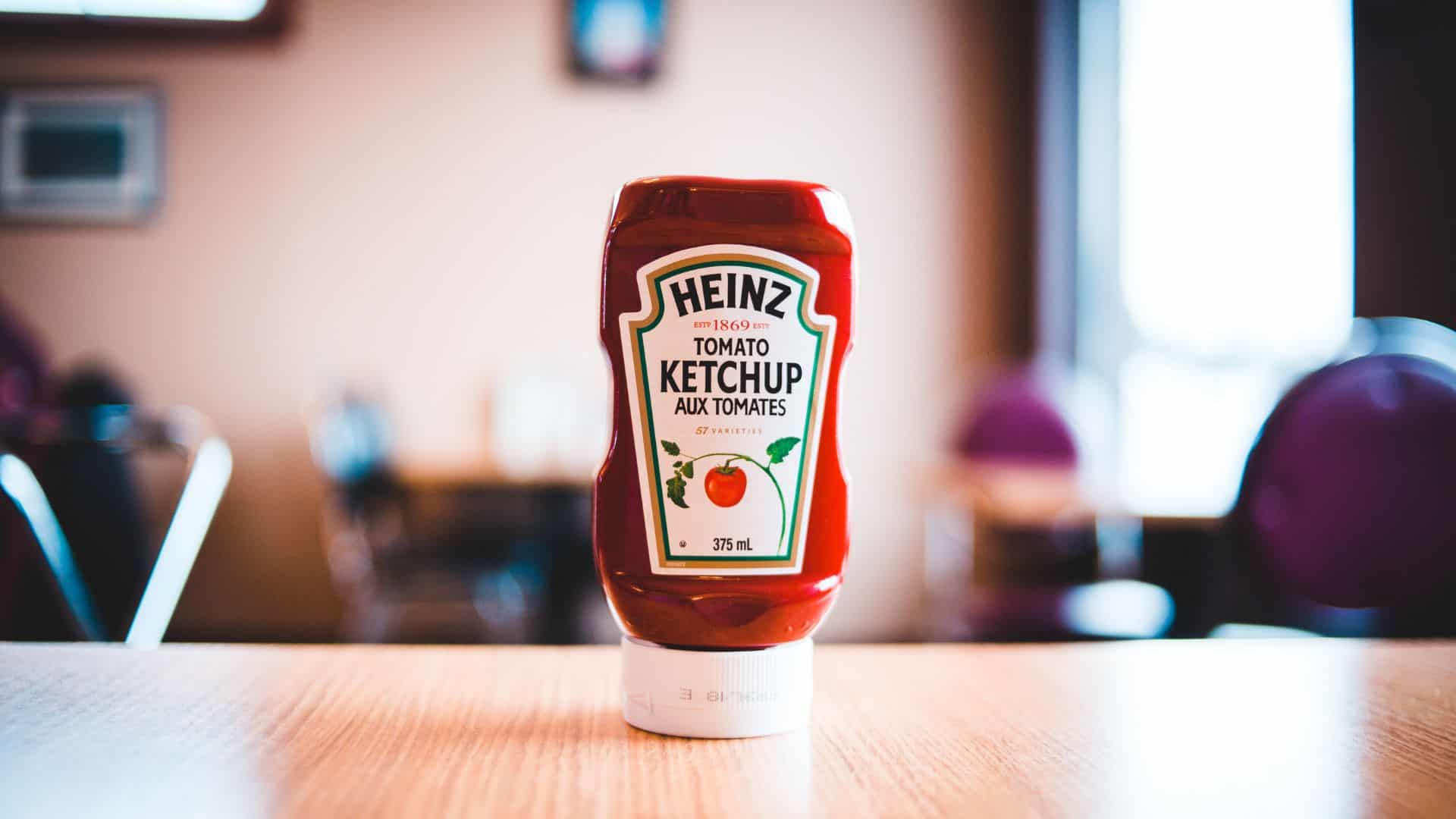
Many condiments remain safe to use beyond the date printed on the label as long as they are refrigerated and show no signs of spoilage. Products such as ketchup, mustard, and chili sauce are naturally long-lasting because they contain ingredients like vinegar, salt, or sugar, which help stabilize them.
According to the USDA, ketchup, cocktail sauce, and chili sauce generally keep for about six months after opening when stored in the refrigerator, while mustard can last for up to 12 months under the same conditions.
Frozen Food
Most frozen foods are safe to consume past the expiry date, but only if proper storage guidelines are met. Typically, frozen foods can last almost indefinitely.
Freezing halts bacterial growth, so food kept properly frozen at 0°F is safe to consume. Naturally, these foods may lose some quality over time, but people can avoid this by using the proper containers and ensuring they don’t get freezer burn.
Chocolate
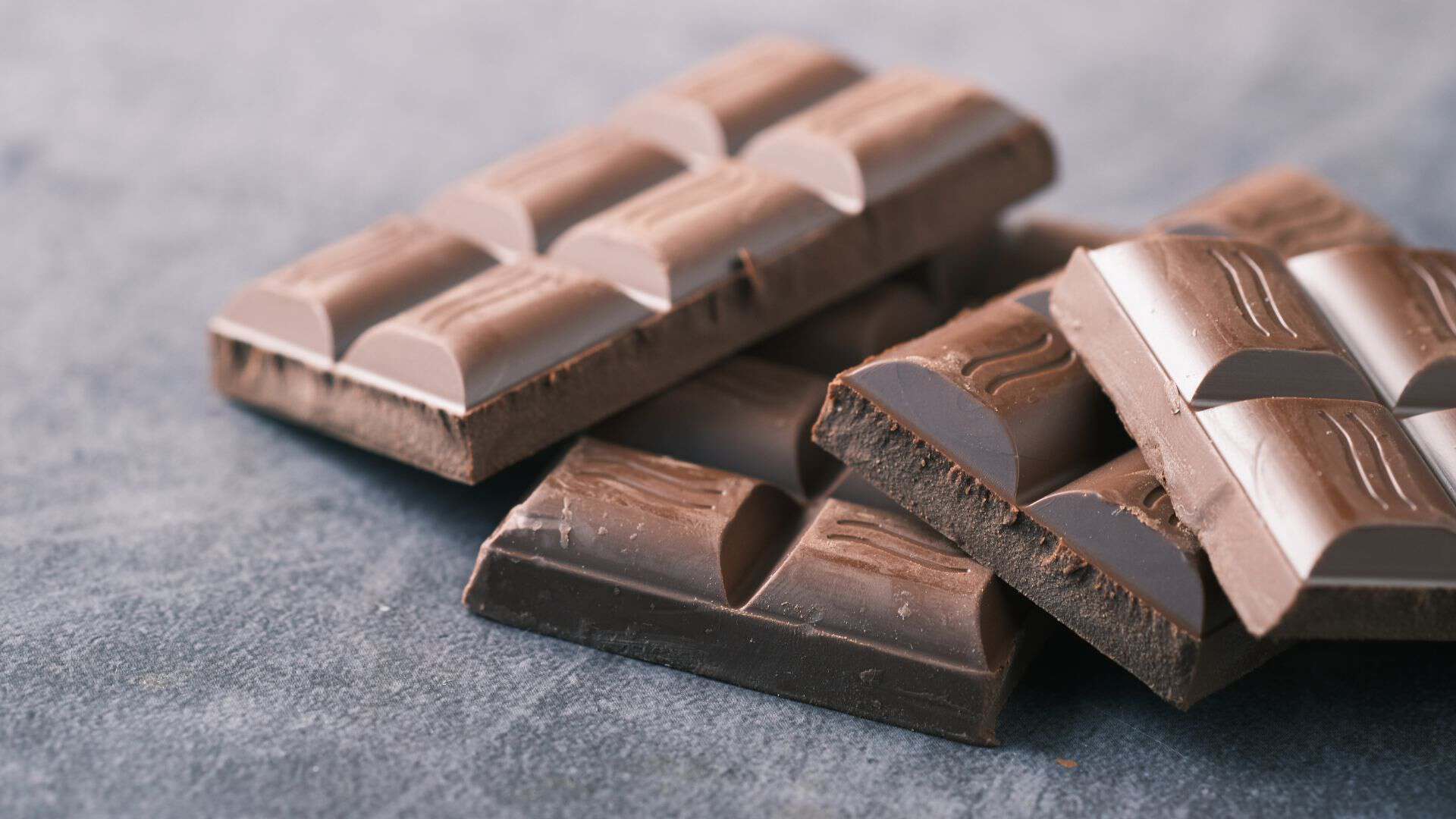
Chocolate often develops a white layering or white spots on its shell when refrigerated or left too long. People mistake this white layering as mold, but it is actually a sign of blooming. There are two types of bloom: 'fat bloom', caused by changes in the fat or cocoa butter due to temperature fluctuations, and 'sugar bloom', caused by the reaction of the sugar in the chocolate with moisture.
Bloomed chocolate is safe to eat even past expiry, as long as it doesn’t give out any rancid smell. Chocolate is a shelf-stable food, meaning it stays safe to eat even after the expiry date, but it is important to keep an eye out for spoilage.
Leave a Reply