
The refrigerator feels like the safest place for everything; whether it’s a spread, a fruit, or something else, placing food in the fridge is the default option for most people. However, many foods lose flavor, texture, and even nutrients when refrigerated. Refrigeration slows bacterial growth, greatly extending the shelf life of many foods, but it also affects food quality, particularly taste and texture. Here is a list of foods that shouldn’t be refrigerated:
Tomatoes
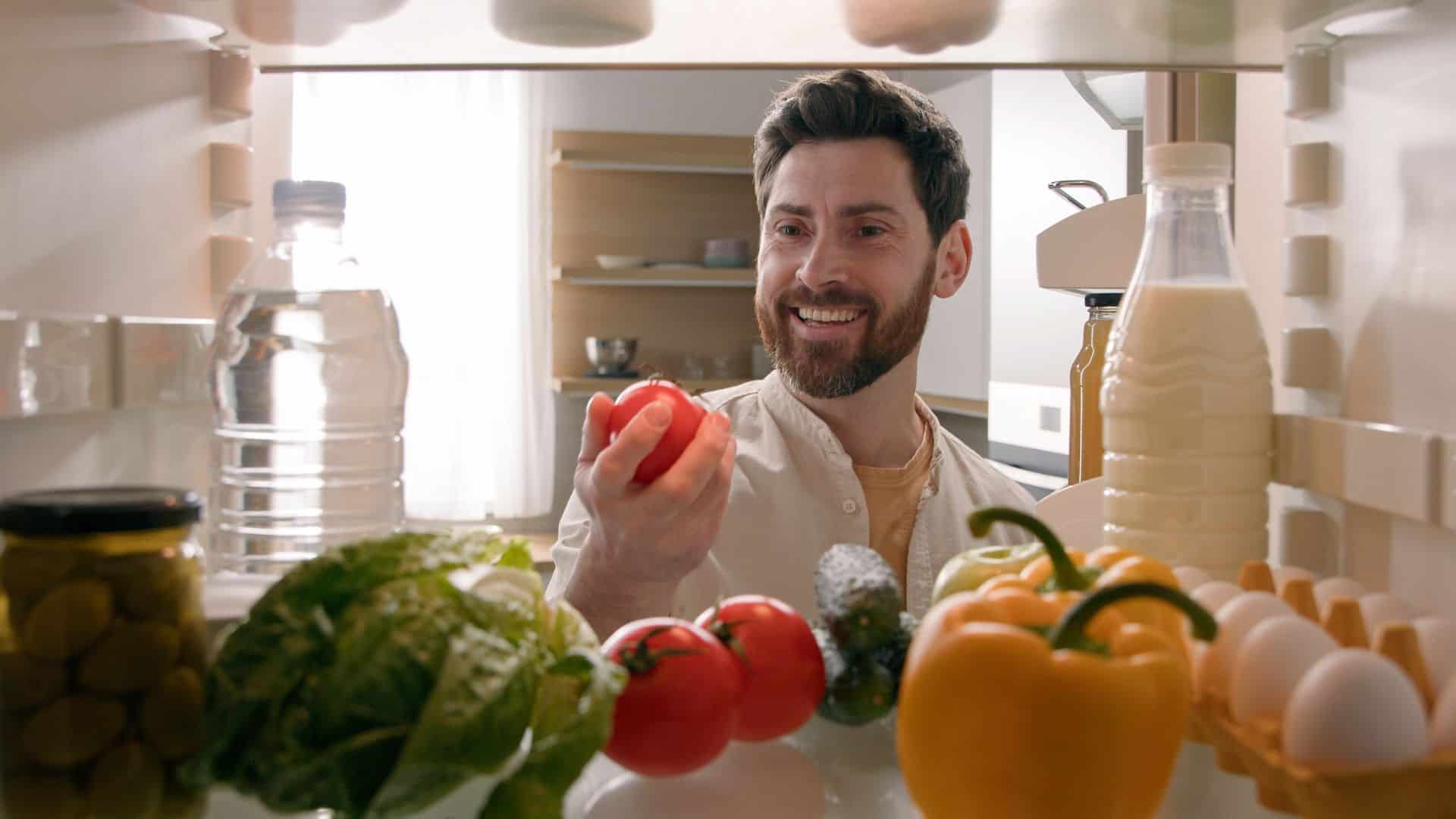
Many people store tomatoes in the refrigerator to make them last longer; however, this isn’t the right storage method. Tomatoes should be kept in the pantry until they ripen, which usually takes about a week. Refrigerating them can slow ripening, resulting in a mealy texture and reduced flavor. Once ripe, use them promptly. If they become overripe, refrigerate them to extend their shelf life by a couple of days.
Potatoes
Potatoes do best in a cool, dark spot, not in the refrigerator. When they’re kept in the pantry, they usually stay fresh for about a month or two, which is why this is the go-to storage method. Putting them in the fridge can disrupt their natural starches and raise their sugar levels, often leaving them tasting oddly sweet once cooked.
Cold temperatures can also cause potatoes to darken during cooking and affect their texture, often leaving them mushy or discolored. If you need long-term storage, cooked or mashed potatoes can be frozen for 10 to 12 months, but raw whole potatoes should always be stored in a ventilated container in the pantry.
Onions
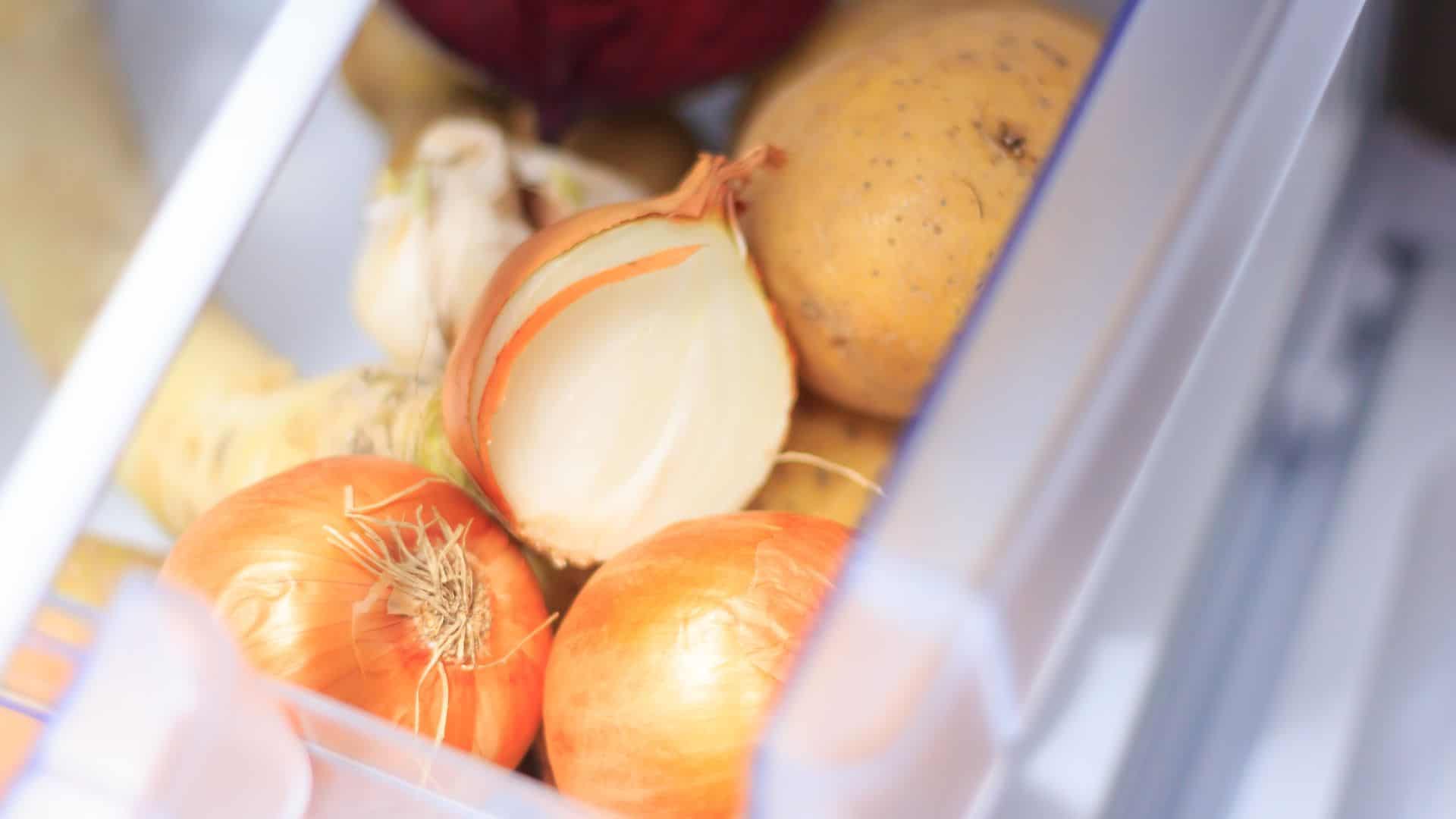
Whole onions should not be refrigerated because they react quickly to moisture. In a refrigerator, the humidity encourages onions to absorb moisture, which can leave them mushy, moldy, and less flavorful. Too much moisture also speeds spoilage and can even cause them to sprout, affecting both freshness and taste.
The whole, unpeeled onions keep best in a cool, dry, and well-ventilated space, such as a pantry or cellar. Refrigeration is suitable only for cut or peeled onions, which can be stored in a sealed container for 10 to 14 days.
Garlic
Many people toss garlic into the refrigerator, thinking it keeps it fresh. But according to the University of California’s Agriculture and Natural Resources (UCANR), home refrigeration is not suitable for garlic because the low temperature combined with moisture can trigger sprouting.
Garlic has a peppery taste, but it is usually sweeter and easier to consume when fresh. Sprouting affects the taste, making it bitter over time. It is recommended to store garlic at room temperature, away from moisture, to keep it as fresh as possible.
Bread

Storing bread in the fridge is a common habit, but for most types, it does more harm than good. Plain breads can stale when starch crystallizes in the refrigerator. Cool temperatures stale the bread faster than warmer temperatures. These breads are best kept in a cool, dark spot like the pantry.
Commercially baked breads and rolls can last two to four days at room temperature, and while refrigeration can extend their life to one to two weeks, it isn’t necessary unless the bread contains meat or hard-cooked eggs. In those cases, they must be refrigerated within two hours for safety.
Honey
Pure honey has low moisture content, which actively prevents bacterial growth. Technically, keeping honey in the refrigerator doesn’t cause it to spoil, but cooler temperatures can dramatically change its texture. High moisture causes the sugar crystals in honey to separate, leading to color changes and crystallization.
While crystallized honey is still safe to eat, the textural changes can be unpleasant, so it is recommended to keep honey at room temperature.
Bananas
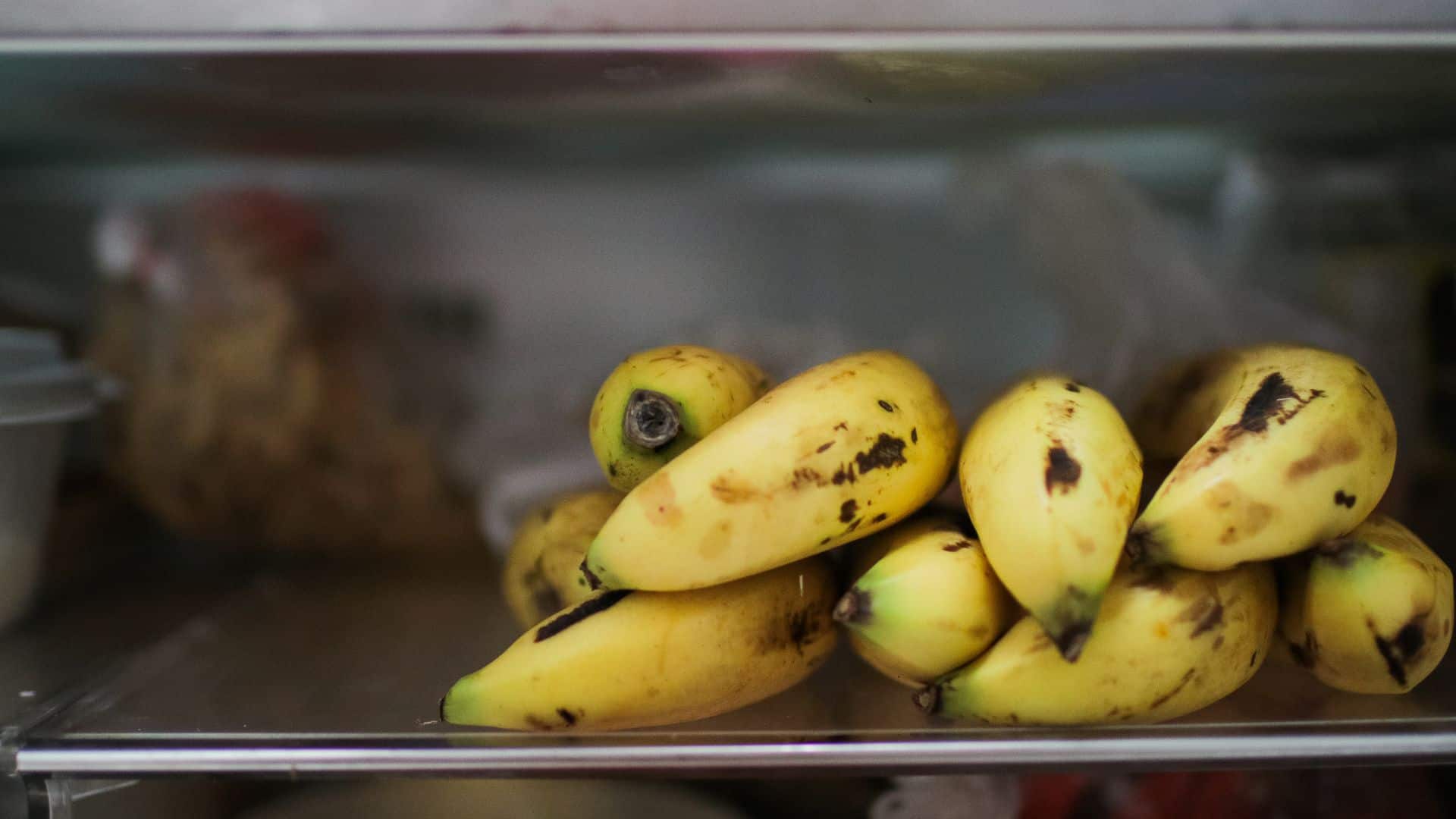
Bananas should not be refrigerated because they are one of the items that need to be kept in dry storage at 60°F to 70°F. Refrigerators run much colder, generally between 32°F and 41°F, depending on the shelf, and these temperatures can interfere with how bananas naturally ripen.
Since fruits produce ethylene gas that drives ripening, placing bananas in a cold environment can disrupt this process, leading to poor quality. For best results, bananas should be stored at room temperature in a dry area rather than in the refrigerator.
Coffee Beans
Coffee beans don’t necessarily expire because of refrigeration, but the process can alter their texture and taste. Coffee beans are hygroscopic, which means they tend to absorb moisture rapidly. Since refrigerators are sealed, they trap moisture, which causes condensation that alters the quality and taste of coffee grounds.
Coffee beans might also absorb the flavor and odor from surrounding foods, leading to an unpleasant taste, so it is best to keep them in an airtight container at room temperature.
Cucumbers
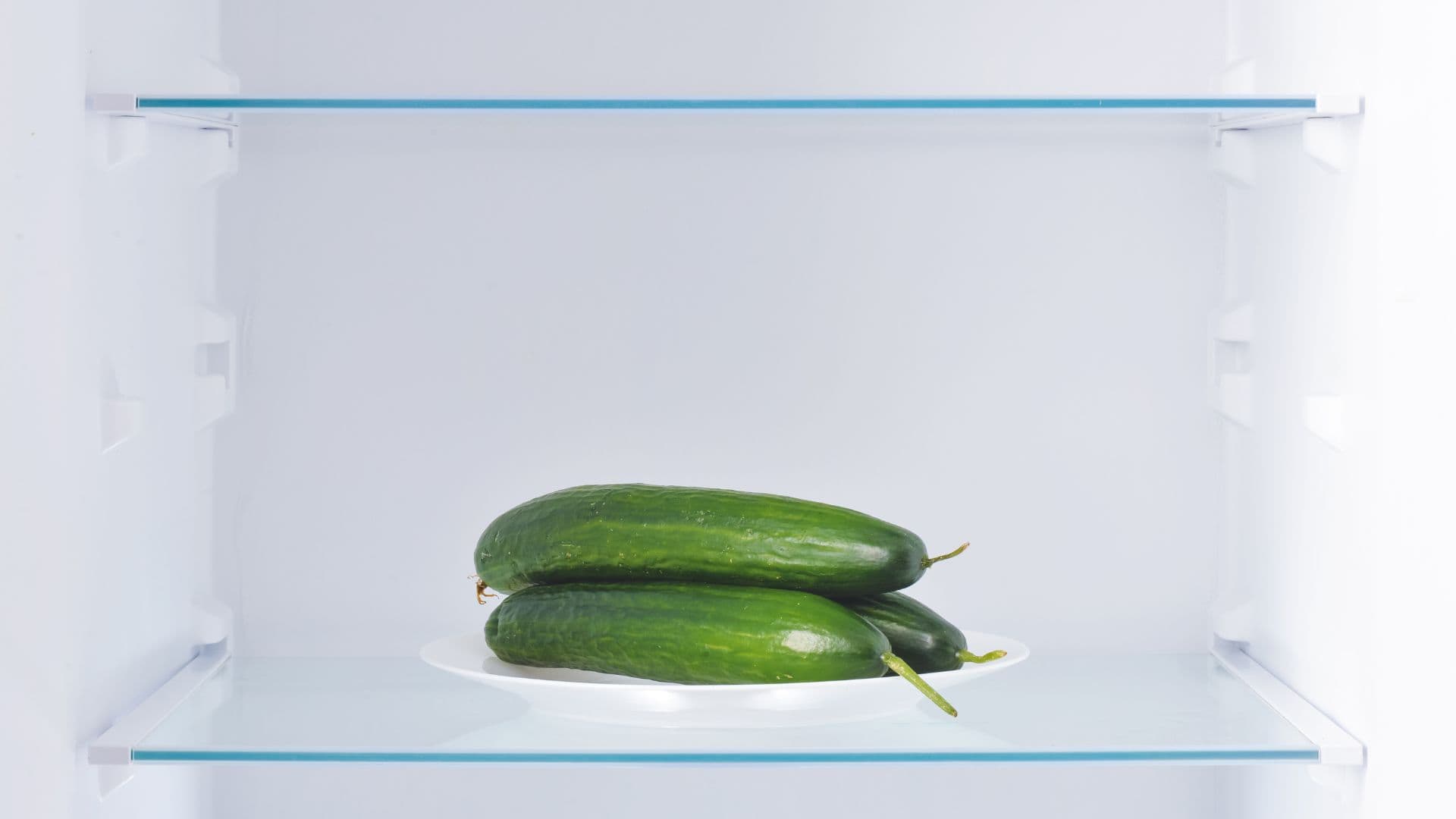
Most people think that cucumbers should be kept cold, but the refrigerator actually works against them. Cucumbers are sensitive to temperatures below 50°F, which is colder than most fridges. When they’re stored that cold, they start to develop soft spots, pitting, and a watery texture, all signs of chilling injury. They also spoil faster after being exposed to low temperatures.
For better quality, it’s best to keep cucumbers at room temperature or in a slightly cool spot on the counter, and only put them in the fridge if you need to chill them briefly before eating.
Avocados
Avocados are best eaten when ripe, which is why it is not recommended to refrigerate them. While many people have adopted the habit of refrigerating avocados by submerging them in water, the FDA strictly advises against this. Refrigeration of submerged avocados might even encourage Listeria bacteria to penetrate the skin, increasing the risk of illness.
Knowing which foods belong in the refrigerator and which don’t can make a big difference in their flavor and texture. Many commonly refrigerated foods lose quality, taste, and texture due to moisture, so it is best to avoid refrigeration.
Leave a Reply