
Baking might seem simple, but even tiny mistakes can lead to disappointing results. If your cakes sink, cookies spread too much, or cakes turn out dry, chances are you’re making one of these common baking errors. The good news? Most of them are easy to fix once you know what to watch out for. We’re breaking down the most frequent mistakes so you can bake desserts that look and taste just as amazing as you imagined.
Not Preheating The Oven

Preheating the oven is a crucial step in baking. Skipping or rushing this step can result in uneven baking, inconsistent textures, or both underbaked and overbaked outcomes. Always preheat your oven fully to the exact temperature stated in your recipe before adding your pans. Using an oven thermometer helps ensure accurate temperatures since built-in oven thermostats can often be inaccurate.
Also, avoid frequently opening the oven door during baking, as each time you peek inside, the temperature drops significantly.
Ignoring Proper Pan Preparation
This is second on the list, as you typically need to start with this (along with pre-heating the oven) to avoid last-minute panic just before baking.
Neglecting to prepare your baking pans properly can easily ruin even the best desserts. Without proper greasing, lining, or flouring, your baked goods can stick, break apart, or tear when removed from the pan. Always follow the recipe’s pan preparation instructions, whether it's greasing with butter or cooking spray, flouring lightly, or lining with parchment paper.
For cakes and brownies, parchment paper ensures easy removal and a neat finish. Taking a minute to prepare your pans properly saves time and frustration later. Please don't ignore it.
Ignoring Ingredient Measurements

Using inaccurate measurements, such as eyeballing ingredients or scooping flour directly from the bag, can dramatically alter the balance of your recipe, impacting texture, flavor, and overall structure. While measuring by volume might seem convenient, it can introduce significant variability. In fact, baking by weight using a kitchen scale is standard practice worldwide and the key to consistent results.
For many American bakers, measuring ingredients by weight may feel unfamiliar or unnecessary, but trust me: a kitchen scale is the single best investment you can make to improve your baking dramatically. If you're uncertain about using a scale, please hit reply. I’m on a mission to help all my readers master this skill!
Using Cold Ingredients

Using cold ingredients straight from the fridge, such as butter, eggs, or dairy, can significantly impact the texture and structure of your desserts. These ingredients should be at room temperature to properly emulsify. Cold butter won't cream effectively, and cold eggs or milk can curdle or split your batter, resulting in dense, uneven desserts.
To quickly bring ingredients to room temperature, set eggs in a bowl of warm (not hot) water for about 5 minutes. Butter can be cubed or sliced and left out for around one hour. Or learn more about how to soften butter quickly. Dairy products, such as milk, sour cream, or cream cheese, should be set out about one hour before use.
Overmixing The Batter Or Dough

Overmixing your batter or dough can quickly lead to tough, dense cakes and cupcakes. Once flour is combined with wet ingredients, gluten begins to develop, and excessive mixing strengthens this gluten, ruining the delicate texture you're after. To avoid this, switch from your electric mixer to a rubber spatula when adding dry ingredients and gently fold the flour into the batter. Stop mixing as soon as the ingredients are just combined.
Substituting Ingredients Without Understanding Their Roles

Substituting ingredients without understanding their roles is one of the easiest ways to accidentally sabotage your baked goods. Baking is a science; each ingredient plays a precise role, whether providing structure, moisture, leavening, or sweetness. You can't simply cut sugar in half or omit eggs, nor can you swap regular flour for gluten-free flour and expect identical results. Sugar contributes moisture, tenderness, and browning; eggs provide structure, emulsification, and lift; gluten-free flour blends absorb moisture differently than wheat flour.
Before making substitutions, it's essential to understand the specific purpose of each ingredient and adjust accordingly to keep your dessert from turning into a baking disaster.
Not Letting The Dough Rest

Not letting dough rest can seriously compromise your baked goods, and can cause issues with texture, shape, and flavor. For cookies, chilling the dough is crucial; it prevents overspreading and helps cookies hold their shape during baking. Pie dough benefits from resting in the fridge to relax gluten strands, which prevents shrinkage during baking and results in a flaky, tender crust.
For yeast-based doughs, resting allows proper fermentation, developing better flavor, and improving dough elasticity, which results in a softer, fluffier final product. Always follow the recipe’s suggested resting time to achieve bakery-quality results.
Not Testing For Doneness

Failing to test for doneness is a common yet critical baking mistake. Each oven heats and bakes differently, so relying solely on the suggested baking time in recipes isn't enough. Instead, learn to look for visual and physical clues of readiness, such as a lightly golden surface, firm edges, or the classic toothpick test. Insert a toothpick or skewer into the center of cakes and muffins: if it comes out clean or with just a few crumbs, it's ready.
For cookies, watch for golden edges and slightly soft centers that will firm up as they cool. Developing these observational skills ensures perfectly baked desserts every time, regardless of your oven's quirks.
Not Allowing Baked Goods to Cool Properly
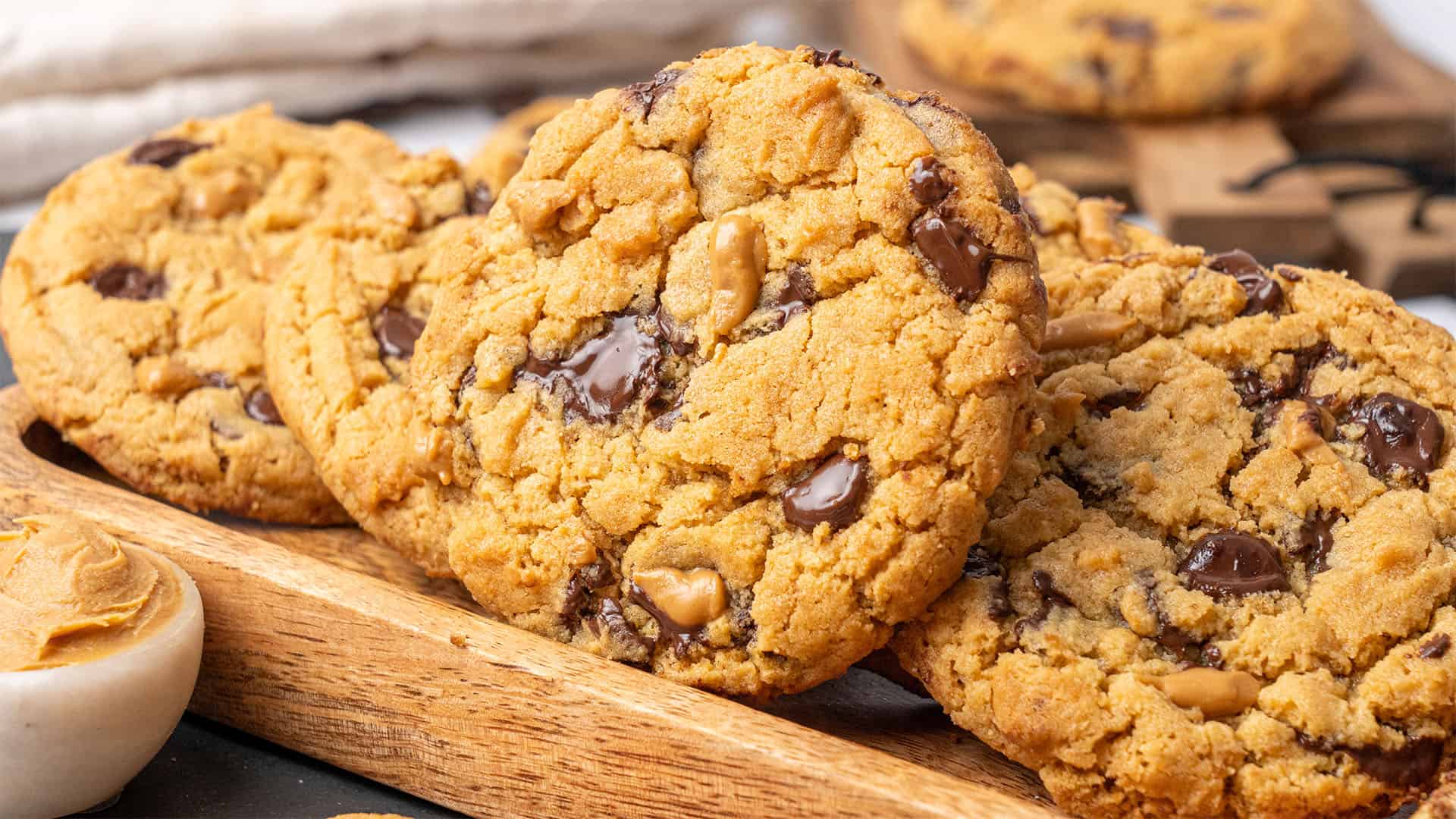
Not allowing baked goods to cool properly can quickly turn a perfect bake into a disappointing mess. For example, layering a cake with warm sponges is a sure way to melt your frosting, resulting in slippery layers and an uneven finish. Similarly, many desserts, such as cookies, pies, and brownies, continue to "bake" and set even after they've been removed from the oven.
Cookies that seem slightly soft will firm up as they cool, and pies need resting time for their fillings to properly set. Always follow the recipe's cooling guidelines to ensure your desserts reach their ideal texture and stability.
Using a Bad Recipe

Finally, it might not be you, but the recipe!
You can Google almost any dessert and find a recipe, but that doesn't necessarily mean it's a good one. Look for sites that have a proven track record of testing and producing recipes, accompanied by step-by-step photos and, ideally, positive reviews from other readers. Anyone can post a recipe online these days, and there are many poor-quality ones out there. Your main baking problem may be as simple as following a poorly written recipe.
Leave a Reply