
Going to the grocery store should be a simple task. Make a list, buy what you need, and leave. But it's not that easy. Every part of the store is designed to make you spend more money.
According to a study, 36% of shoppers admit that the majority of their purchases are made without planning. Why? Stores use clever tricks to make you spend more money.
Here are 10 tricks grocery stores use that cost you way more money than they should.
1. Milk Is Always Far Away For A Reason
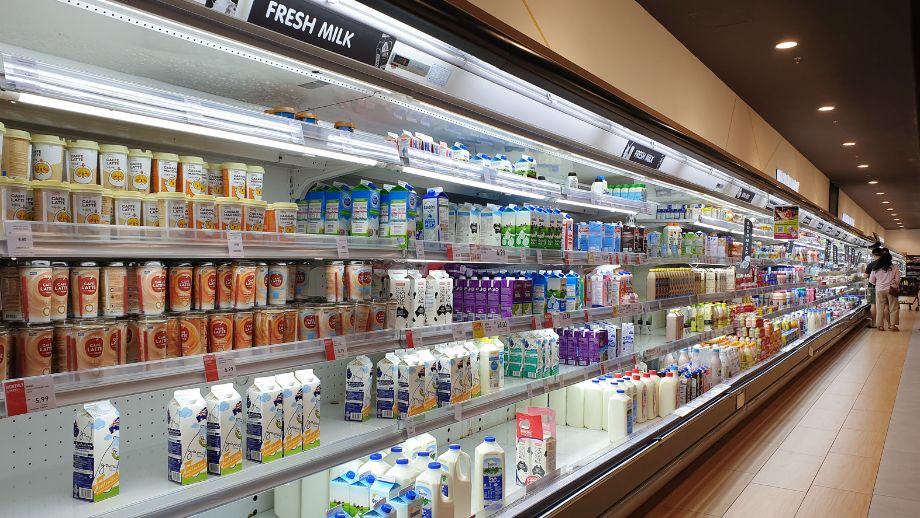
Ever notice milk is always in the back corner? Bread and eggs are scattered around the store, too. That is done on purpose.
Stores know most people want to grab basic items and leave quickly. So they scatter milk, bread, and eggs all over the place. This forces people to walk past hundreds of other products. Most people go in for milk and come out with cookies, chips, and other stuff they didn't need.
If you are already familiar with the store’s layout, you can easily skip browsing other items and go straight to the essentials.
2. Shopping Carts Keep Getting Bigger
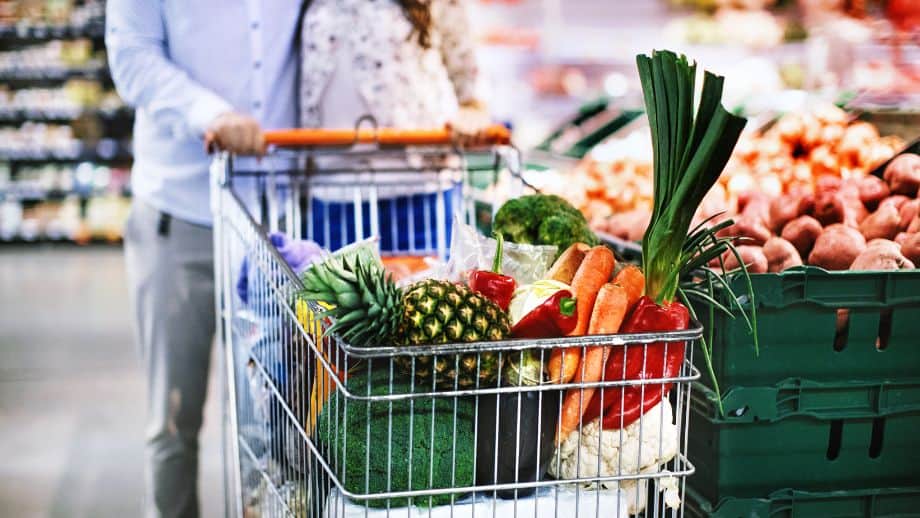
A bigger shopping cart can trick you into spending more than you planned. The extra empty space makes your purchases look smaller, creating a subtle pressure to keep adding items until the cart feels “full.”
According to BigBasketCo, this psychological effect is powerful enough that when cart size doubles, shoppers may end up buying significantly more. The illusion of under-buying prompts people toward impulse purchases, making larger carts a simple yet effective way for retailers to boost sales.
Choosing a smaller trolley may help you resist the impulse to buy stuff you don’t necessarily need.
3. Big Displays At Aisle Ends Aren't Always Deals

Those huge displays at the end of every aisle make people think, "This must be on sale!" Companies pay thousands of dollars to get their products in those spots.
People's brains automatically think, "If it's displayed like this, it must be important" or "This has to be a great deal." But sometimes the same product from another brand on the regular shelf costs way less.
Don’t let this put you over your grocery budget. If you really want that product, be sure to compare the price before making a purchase.
4. Checkout Lines Are Designed To Make People Spend More

Standing in line waiting to pay, people get surrounded by candy bars, magazines, phone chargers, and gum. All the little stuff people don't need but might grab because they're bored, and these items are right there.
Stores open just enough checkout lanes to create a wait that's neither too long (people won't leave) nor too short (people need time to browse the expensive extras).
How to avoid it? It’s simple: don’t fall into the trap of buying more items when you’ve already selected products according to your plan.
5. Buy More Save More Deals Often Cost More Money

"Buy 2, Get 1 Free!" sounds like an amazing deal. However, people end up spending more money than planned to get more stuff that they might not even need. Many people assume these deals are cheaper without doing the math. Sometimes buying things individually costs less.
Even when these deals do save money per item, people often end up buying more than they need and spending more overall. The brain becomes excited about "saving" and overlooks the spending that exceeds the budget.
Don’t buy bulk items under the pressure of a “free item”. You’ll end up spending more money than planned.
6. Background Music Makes People Shop Slower
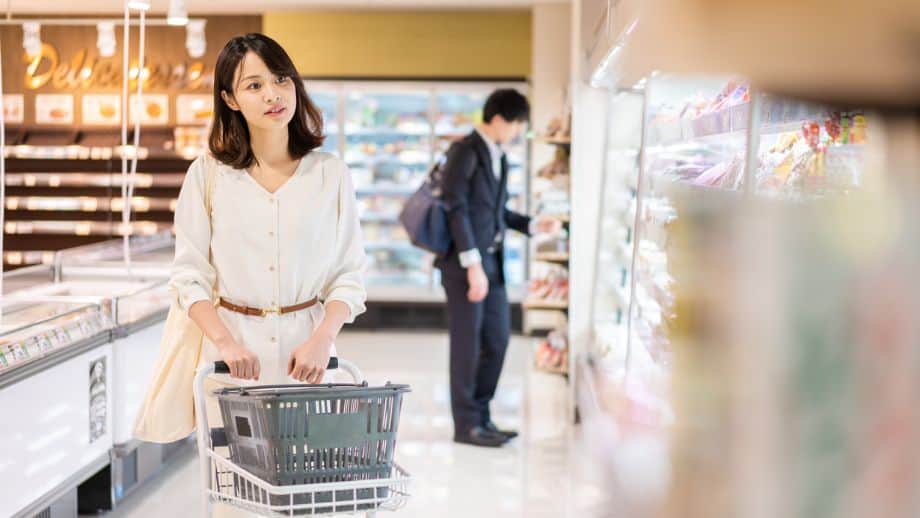
Grocery stores always play soft, slow music. It's not to create a calm environment. It's designed to encourage people to walk more slowly and stay longer. Slow-tempo music encourages customers to take more time in the store.
It may be surprising to some, but slow music leads to nearly 38% higher sales because people naturally move to the beat.
We know, it’s hard to resist good music, but don’t let that loosen up your wallet.
7. Most Expensive Products Sit At Eye Level
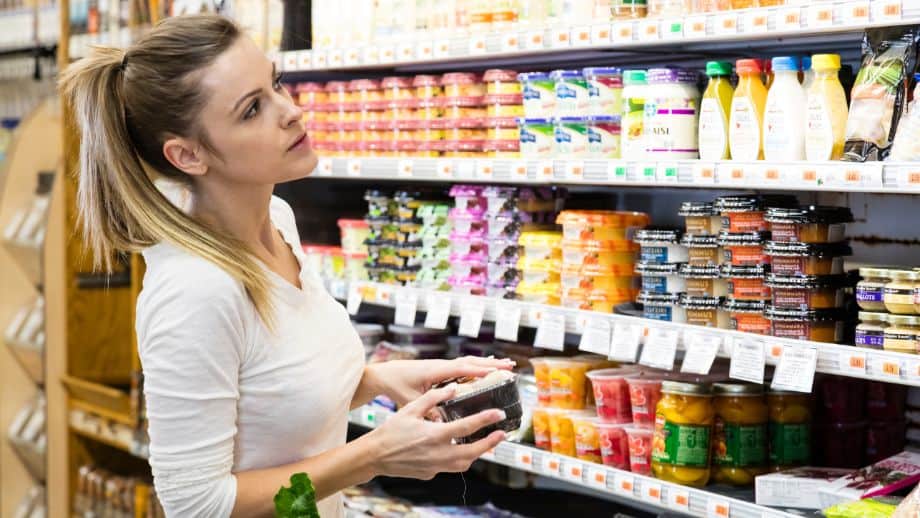
The priciest products are always right at eye level. Cheaper alternatives sit down low where people won't notice them. This simple trick can mean paying significantly more for the same type of product just because it was easier to spot.
For kids' products, everything goes at the kids' eye level. Colorful cereals, snacks, and toys are positioned perfectly where their little hands can reach them, and they start asking their parents to buy them.
Now that you know the trick, always look for products on the bottom levels too. You may actually find cheaper items.
8. Limited Time Signs Create Fake Urgency

"Limited Time Only!" "While Supplies Last!" "Only 2 Days Left!" Most of these urgent warnings are either fake or stores will restock the item the very next day.
Some stores intentionally run out of sale items early in the week, then restock them later in the week. This makes people think the product is super popular and rare. When people see it again, they're more likely to grab it immediately because they remember it being "sold out" before.
Trust us, you don’t need to buy everything just because it says “limited time only”.
9. Chopped Veggies & Fruits are Pricey
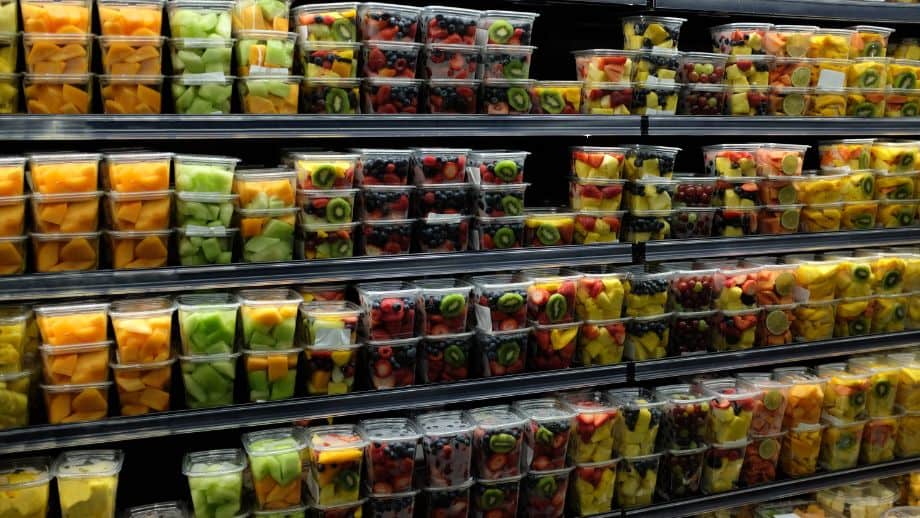
Of course, convenience comes at a price. Precut fruits or vegetables are priced more than the whole produce. You’re not just paying for the produce, but you are also covering the costs for chopping and packaging.
The same goes for store-prepared meals and foods. You may get a good deal when you buy a whole food, such as chicken breasts, but as soon as you decide to buy it marinated, you’ll pay a higher price.
Want to save money? Buy whole produce and use a chopper at home; not only will you have chopped veggies or fruits in minutes, but you’ll also save money.
10. The ‘Sample’ Trap
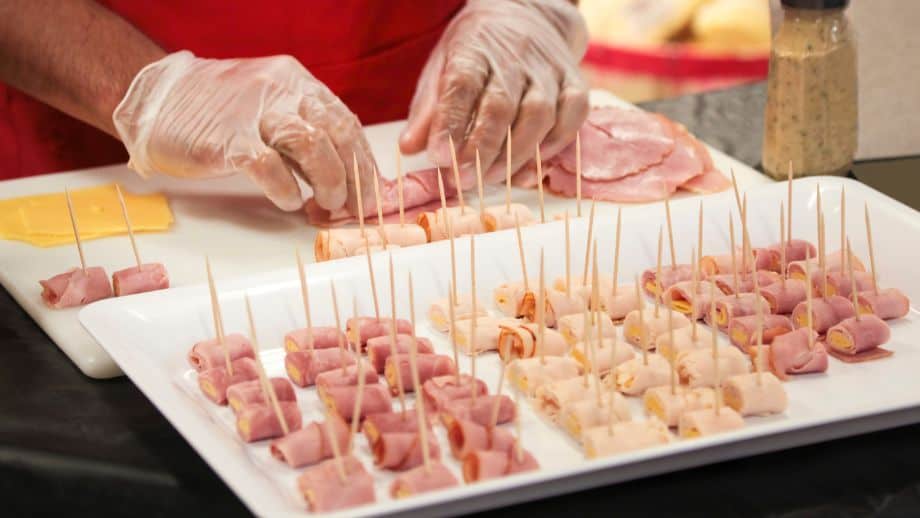
Who wouldn’t love a free bite-sized sample? But these samples add more to the cost. Once people taste something, they feel a subtle pressure to add it to their cart, even if it wasn't on their shopping list.
This adds even more to the cost if the product is premium or carries a higher price. If you don’t want to go over the budget, resist the emotional nudge to buy something unnecessarily.
Now that you know the tricks, you can shop smarter and keep more money in your pocket. Just make a list, stick to it, skip the distractions, and walk out with only what you actually need (and more cash left in your wallet).
Leave a Reply