
Not all bread is created the same, and if you've ever wondered why sourdough feels a little more special, you're not alone. There's more to it than just taste. From how it's made to how it feels and even how your body digests it, sourdough stands apart in some surprising ways. This article breaks down the key differences between sourdough and regular bread so you can understand what makes each one unique. If you're curious about why sourdough has earned such a devoted following, you're about to find out.
Where To Start
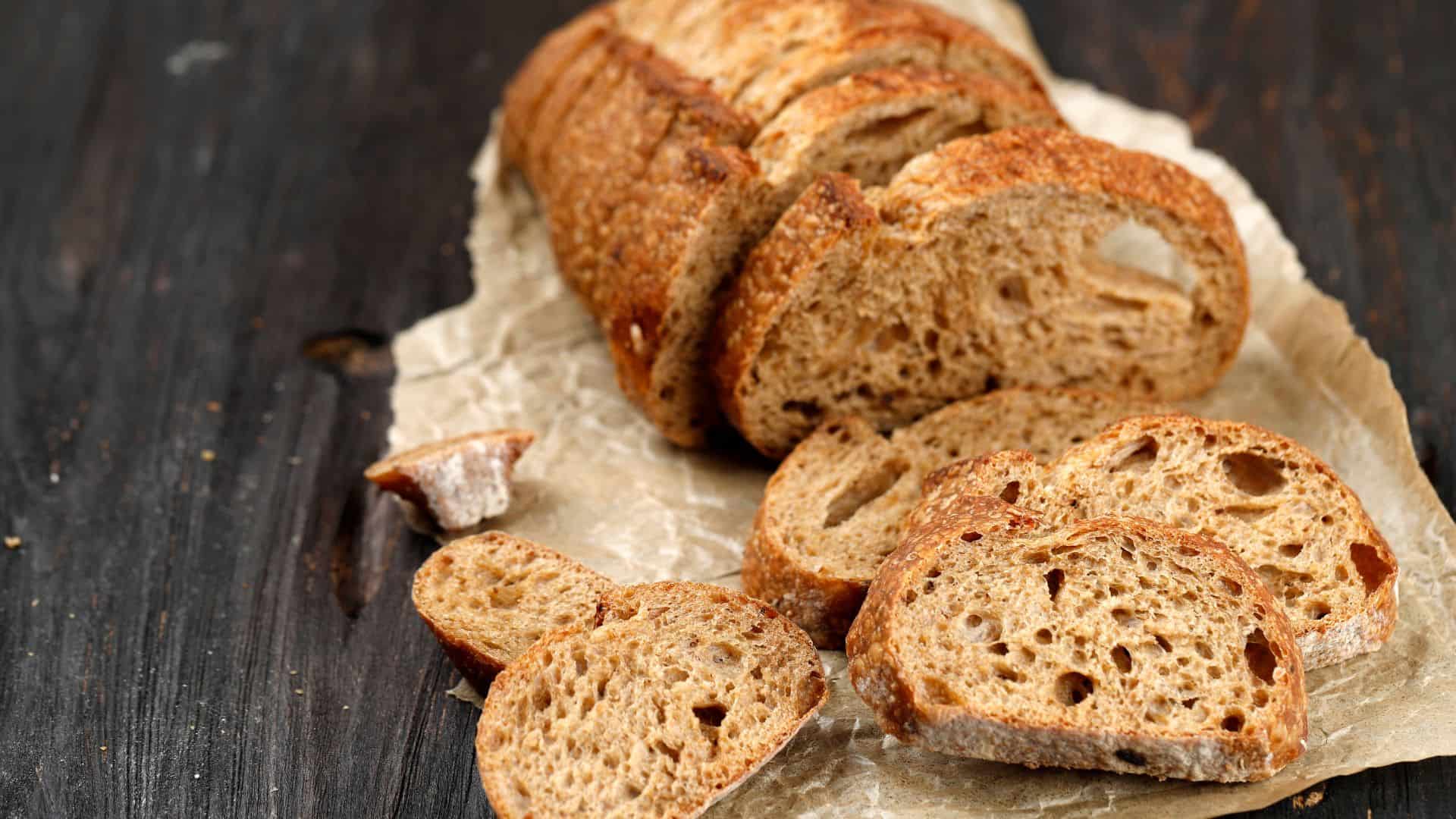
Sourdough bread stands out the moment you see or taste it. Its crust is thicker and darker, often with a rustic, artisanal look, while the inside is airy and chewy with a distinct tangy flavor. This unique taste comes from natural fermentation, which gives sourdough its signature character. Unlike regular bread made with commercial yeast, sourdough relies on wild yeast and bacteria from a starter. It’s a method that has made it a favorite among bakers and bread enthusiasts around the world.
Origin

Sourdough bread is one of the oldest forms of leavened bread, with origins tracing back to ancient Egypt around 1500 BC. Early bakers discovered that leaving dough out allowed wild yeast and bacteria from the environment to ferment it naturally, creating a light and flavorful loaf. This process became the foundation of sourdough baking as we know it today. Over time, different cultures adapted their own methods, passing down starters through generations. Sourdough remains deeply rooted in tradition, prized for both its history and its rich, complex flavor.
Ingredients
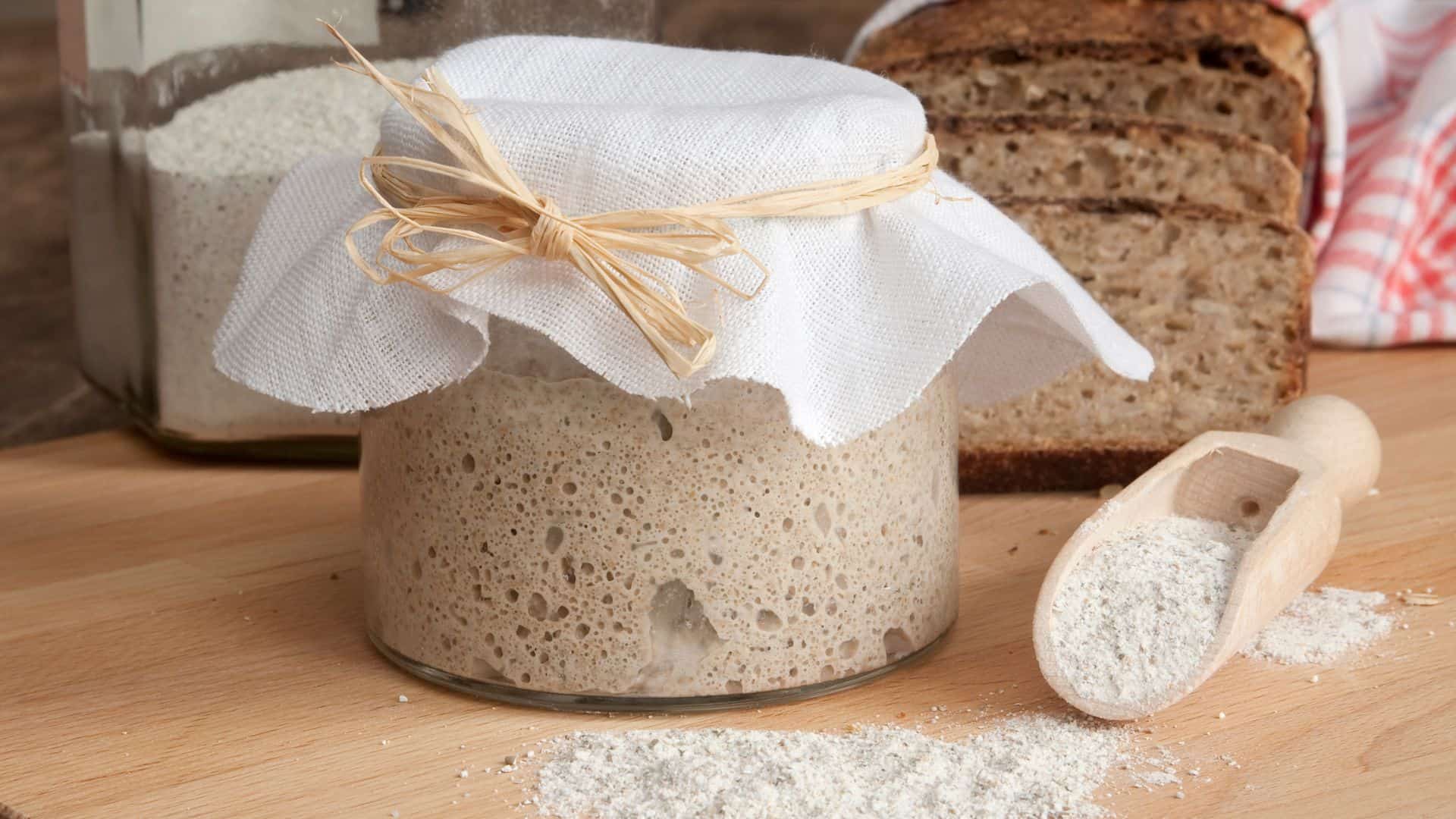
Sourdough bread is made with just three basic ingredients: flour, water, and salt. What sets it apart is the use of a natural sourdough starter instead of commercial yeast. This starter is a live mixture of flour and water that has been fermented over time to cultivate wild yeast and beneficial bacteria. These microorganisms give sourdough its signature tangy flavor and help the dough rise slowly. Despite its simplicity, the quality of the ingredients and the fermentation process make a big difference in the final loaf.
Leavening Process
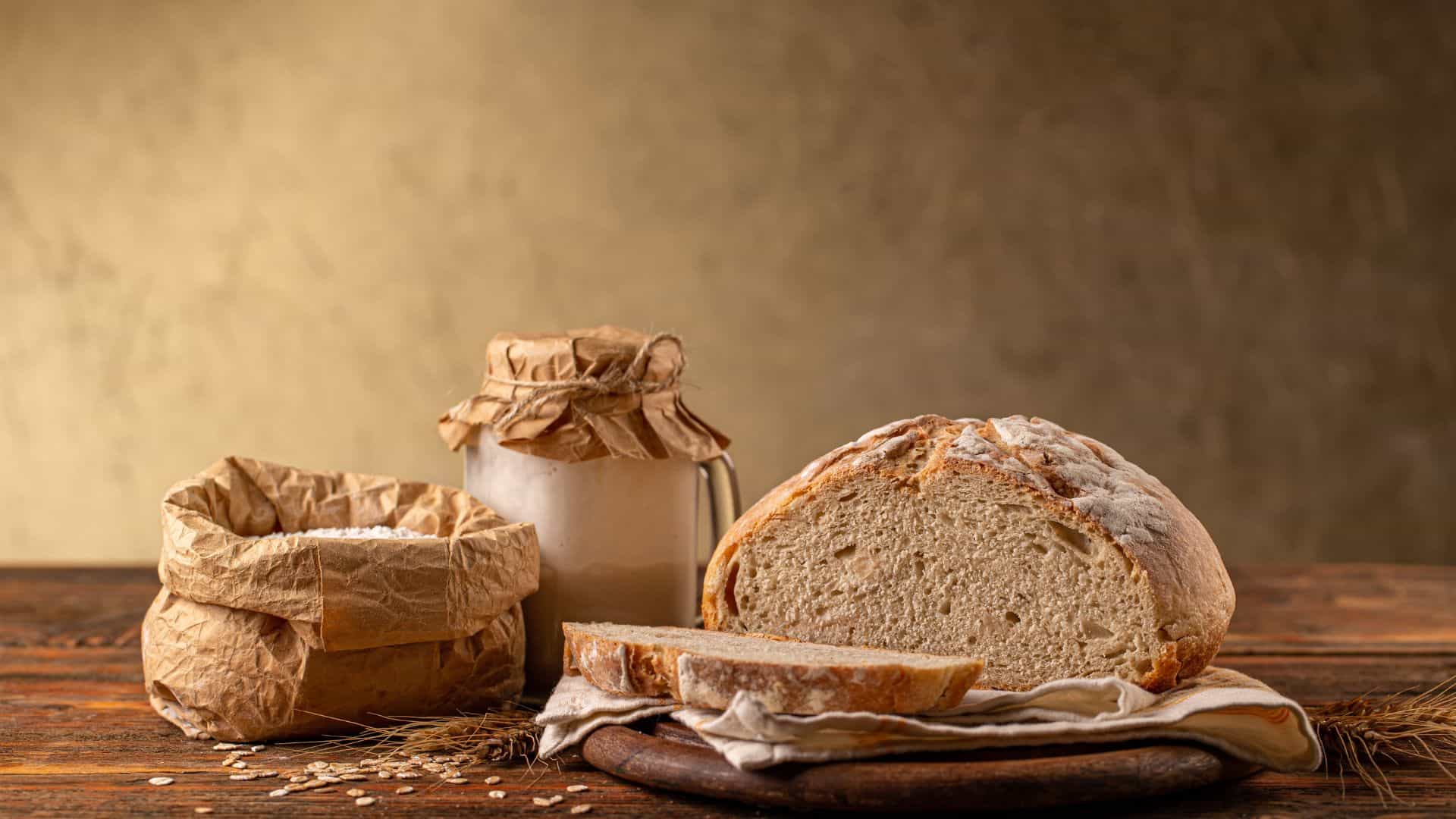
Sourdough bread utilizes the yeast/bacteria in the sourdough starter during this process, which undergoes natural fermentation and creates a gas that leavens the dough slowly. Regular bread relies on commercial yeast added directly to the dough and rises quickly.
Flavor Profile
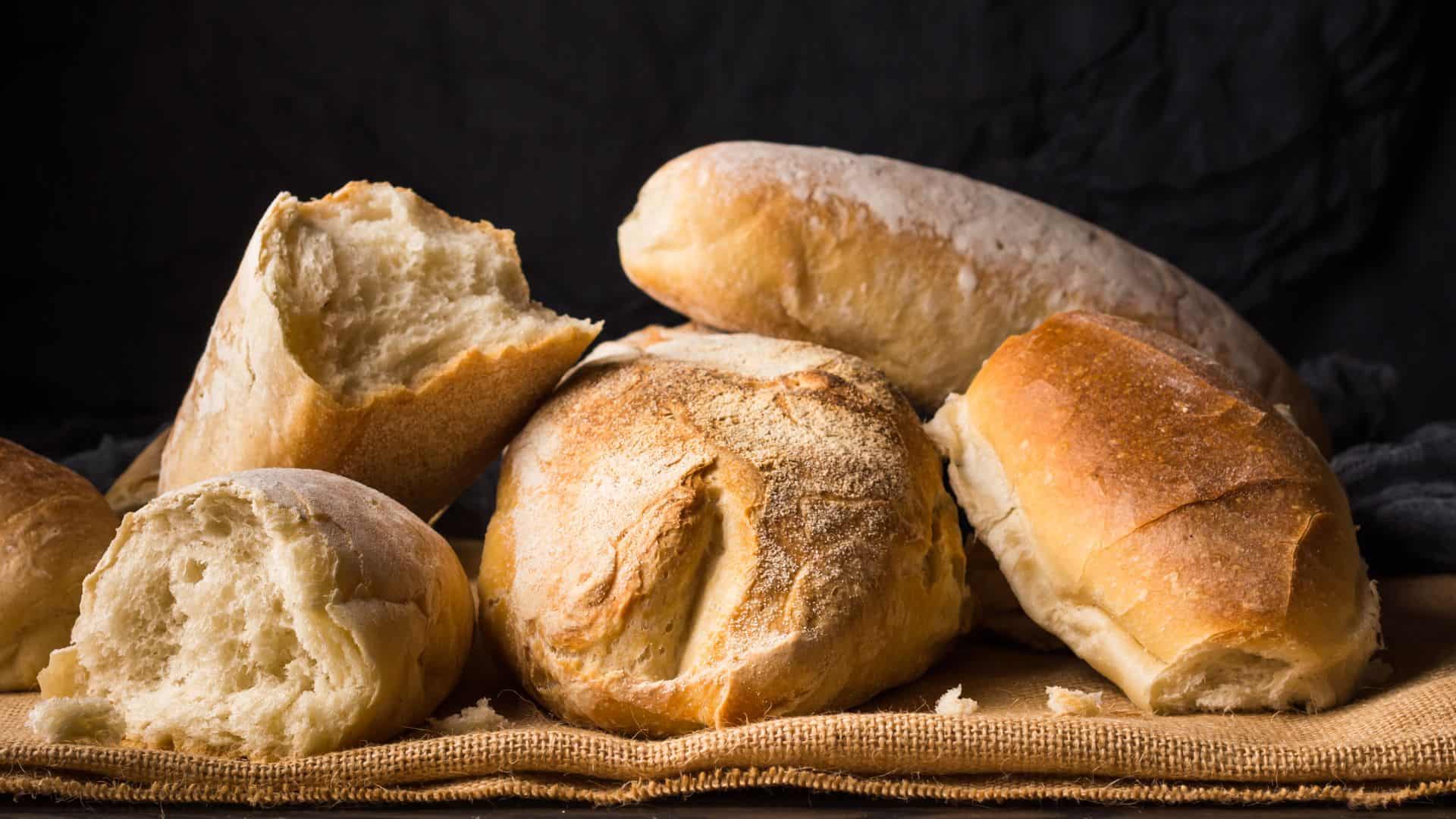
Sourdough has a more robust and tangy flavor profile than regular bread's mild flavors. Depending on the type of flour used, sourdough tends to have deeper, more Earthy notes and tones in its flavor and even a hint of nut.
Texture
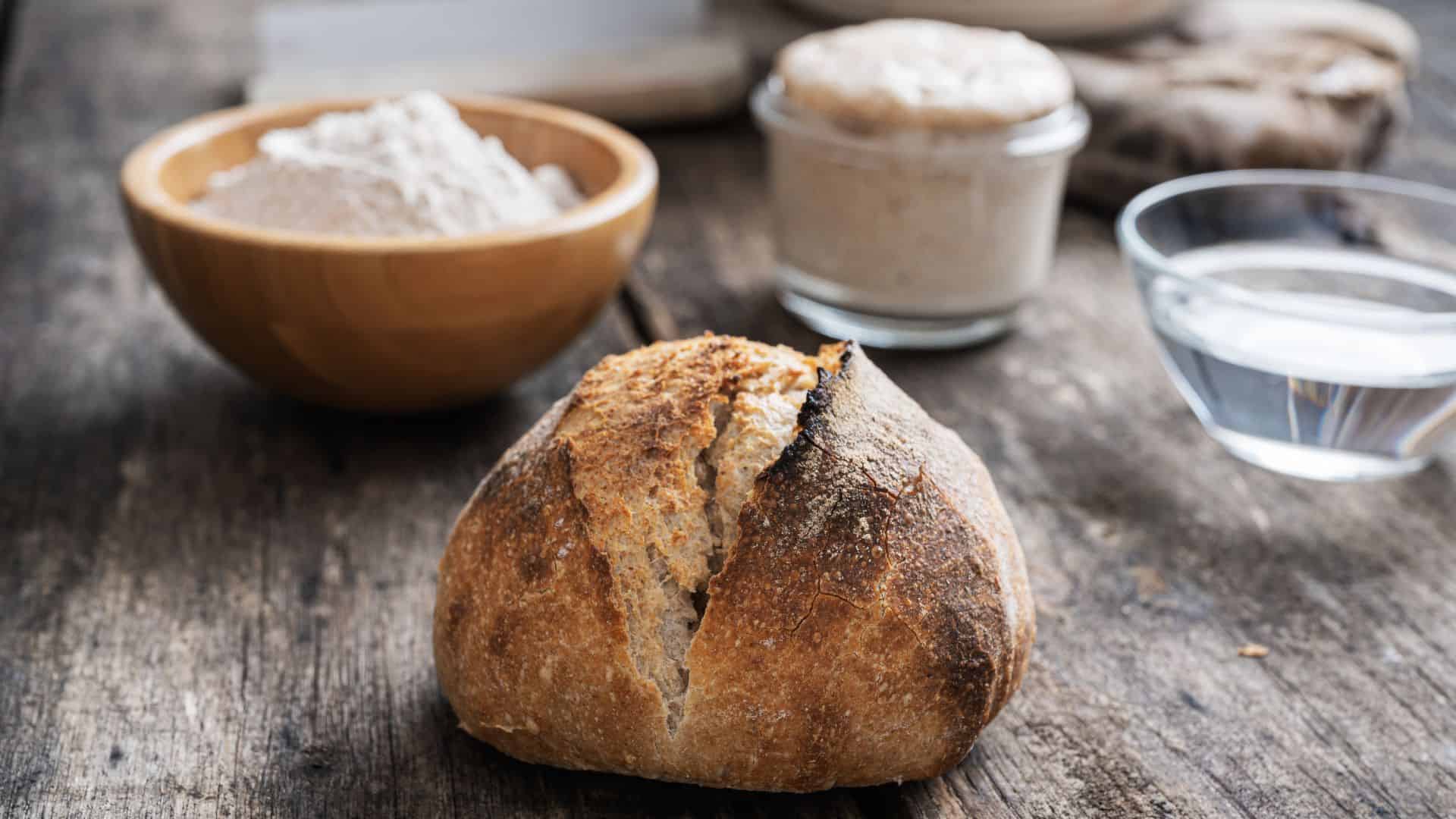
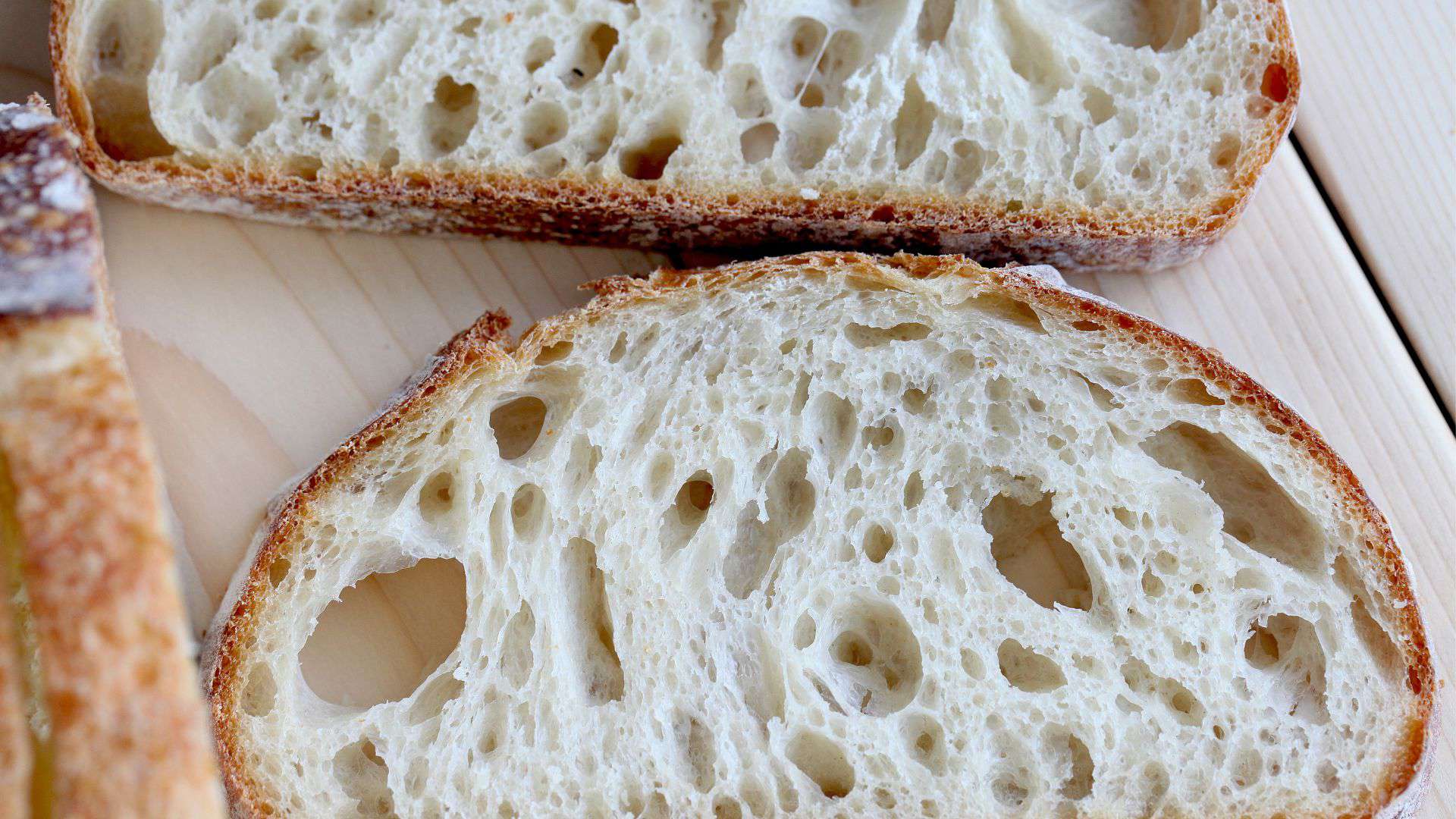
Sourdough bread has a distinct texture that sets it apart from regular bread. Its crust is thick, crisp, and golden, often with a rustic, crackly appearance. Inside, the crumb is chewy with an open, airy structure that creates uneven holes throughout the loaf. This texture comes from the long fermentation process and high hydration in the dough. It’s a satisfying contrast of crunchy outside and tender, flavorful inside.
Nutritional Benefits

Sourdough bread has a higher nutritional value than regular bread because of the fermentation process which increases nutrient availability. This also makes it easier for the digestive system to break down.
Gluten Content
In addition to higher nutrient values, the fermentation process of Sourdough bread also lowers its gluten content compared to regular bread. This is because gluten degrades slightly more quickly in sourdough bread.
Shelf Life
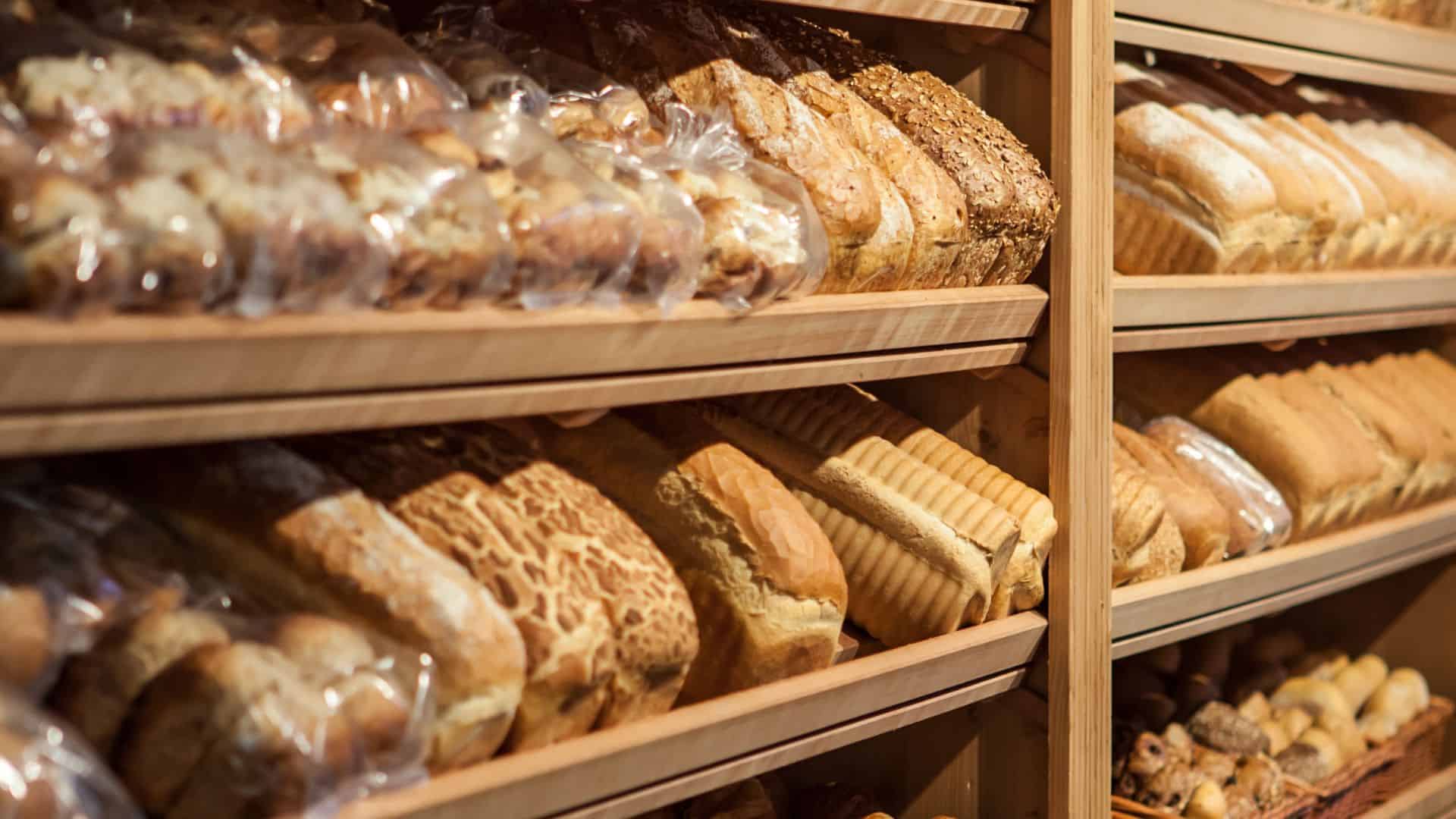
Sourdough tends to have a longer shelf life than regular bread because of natural preservatives. Because of the acids formed during natural fermentation, sourdough bread won't go stale as fast as regular bread.
Technique

The baking techniques for regular bread and Sourdough bread are slightly different. They are baked at similar temperatures, but steam is often used during the regular bread-baking process. Sourdough bread needs to be more carefully shaped and is much more hands-on.
Cultural Significance
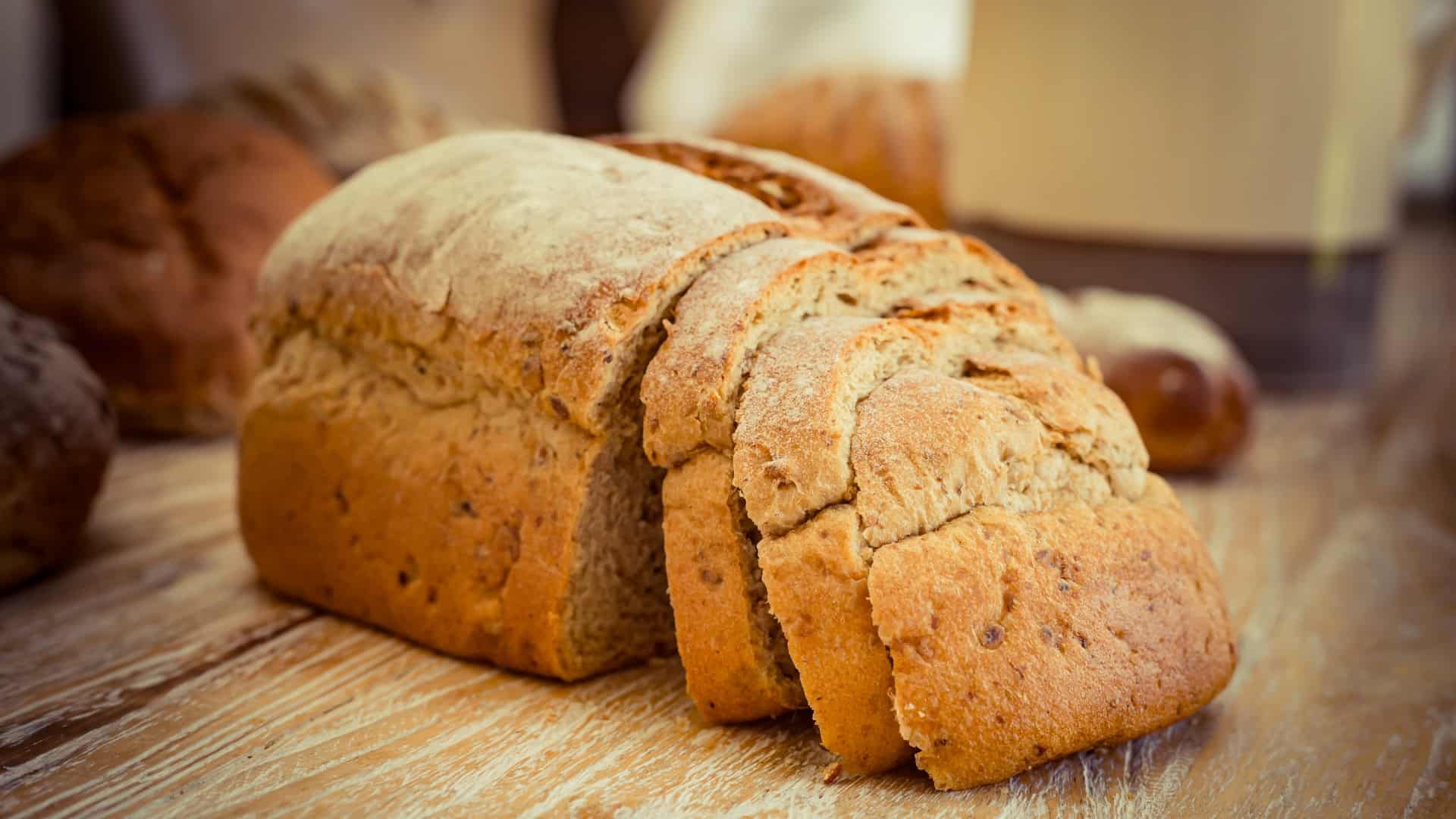
Sourdough bread is more significant than regular bread regarding artisanal craftsmanship. Regular bread is associated with commercial production and convenience, while Sourdough bread breeds culinary tradition, ritual, and community.
Baking With Love

The most significant difference between regular bread and Sourdough bread is fermentation. Although you can make regular bread at home with love, the Sourdough-making process is heartwarming and memorable.
This article was first published at Spatula Desserts.
Leave a Reply