
A major new travel report confirms what anyone who has wandered a foreign grocery store already knows: the snack aisle tells you more about a place than any tasting menu ever could.
Travelers in 2026 are building entire itineraries around street food stalls, local bakeries, and neighborhood convenience stores. I have been doing this for years, and it turns out the rest of America is finally catching up.
There is a particular kind of joy that comes from standing in a foreign supermarket with absolutely no agenda. No reservation to make, no dress code, no chef's tasting menu to decode. Just you, a shopping basket, and a wall of things you cannot read but absolutely want to try. That experience now has a name. According to the American Express 2026 Global Travel Trends Report, it is called snackpacking, and it has become one of the defining travel behaviors of the year.
What the numbers actually say
American Express surveyed more than 8,000 adults across the United States, Australia, Canada, India, Japan, Mexico, and the United Kingdom for the report, focusing on travelers who take at least one trip per year. The findings on food are striking.
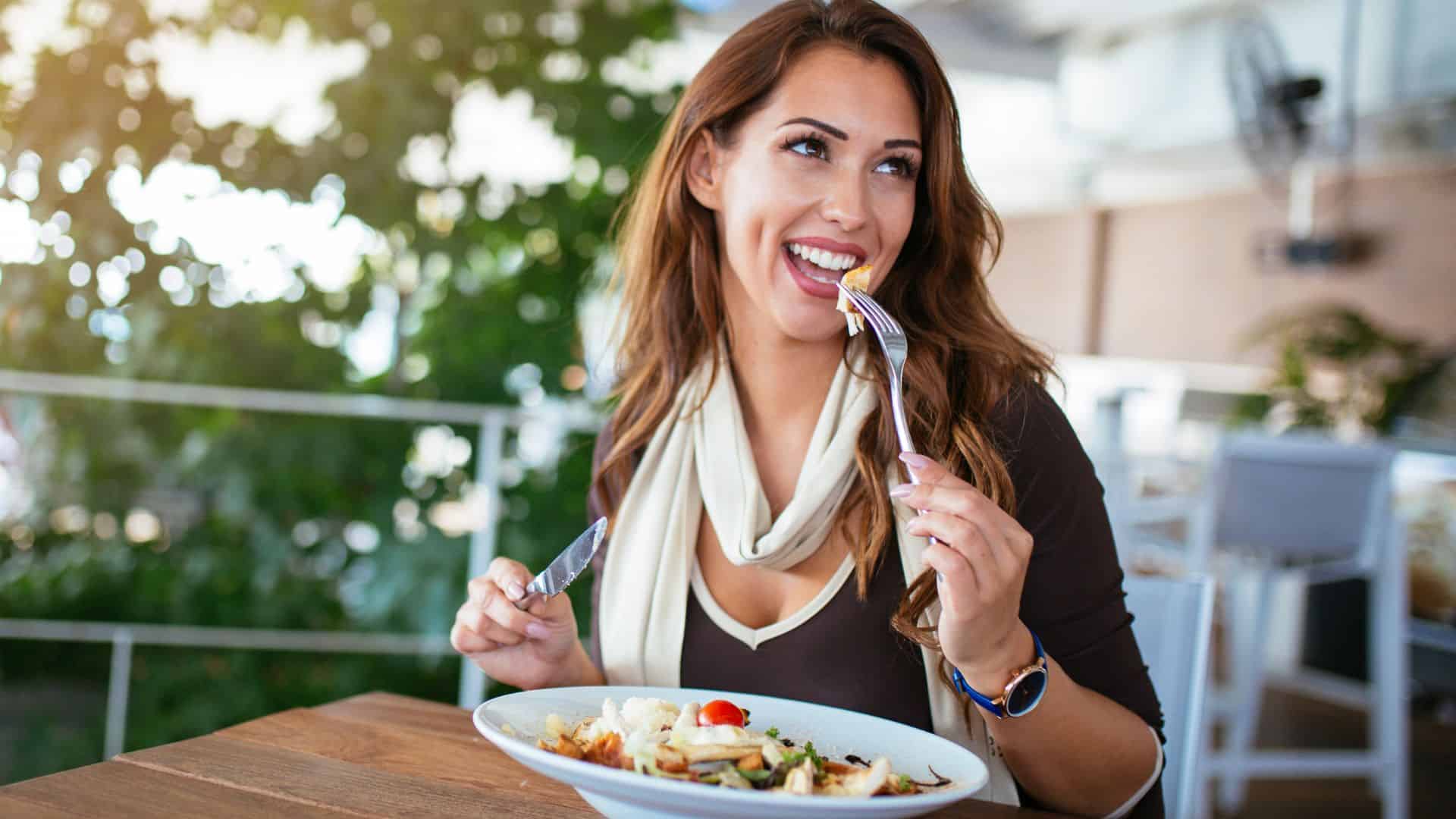
While 50% of respondents named the grocery store as a top destination for discovering local flavors, street food stalls drew 69% of travelers, and local bakeries pulled in 53%. That means the humble corner bakery and the neighborhood food cart are outranking restaurant reservations as the places people most want to eat when they travel.
The report also found that more than 75% of Millennials and Gen Z say they are likely to seek out a food item that has gone viral while traveling.
Travel is not slowing down. What is changing is where people go once they arrive, and increasingly, that answer is somewhere with a cash register and no dress code.
While almost half (49%) of global respondents look to family and friend recommendations for food travel decisions, the Millennials and Gen Z surveyed are also relying on social media for inspiration.
Why the grocery store became a destination
This shift did not appear out of nowhere. Spend any time on food-focused social media, and you will find videos of travelers walking the aisles of Korean convenience chains, pulling limited-edition chip flavors from Japanese vending machines, or loading up at regional hot sauce displays in Texas gas stations.
What TikTok accelerated, the travel industry is now formalizing. Snackpacking resonates particularly with younger travelers working with tighter budgets who want an experience that feels local without the price tag of a three-course meal.
There is also something genuinely democratic about it. A $3 bag of regional kettle chips or a $2 pastry from a neighborhood bakery can tell you as much about a place as a $90 tasting menu, sometimes more.
The foods that end up on grocery store shelves, the regional sodas, the seasonal candy, the bread that changes from town to town, reflect what people actually eat at home. That is not something a restaurant curates for you. You find it yourself, and that is the whole point.
What this means for how we think about food travel
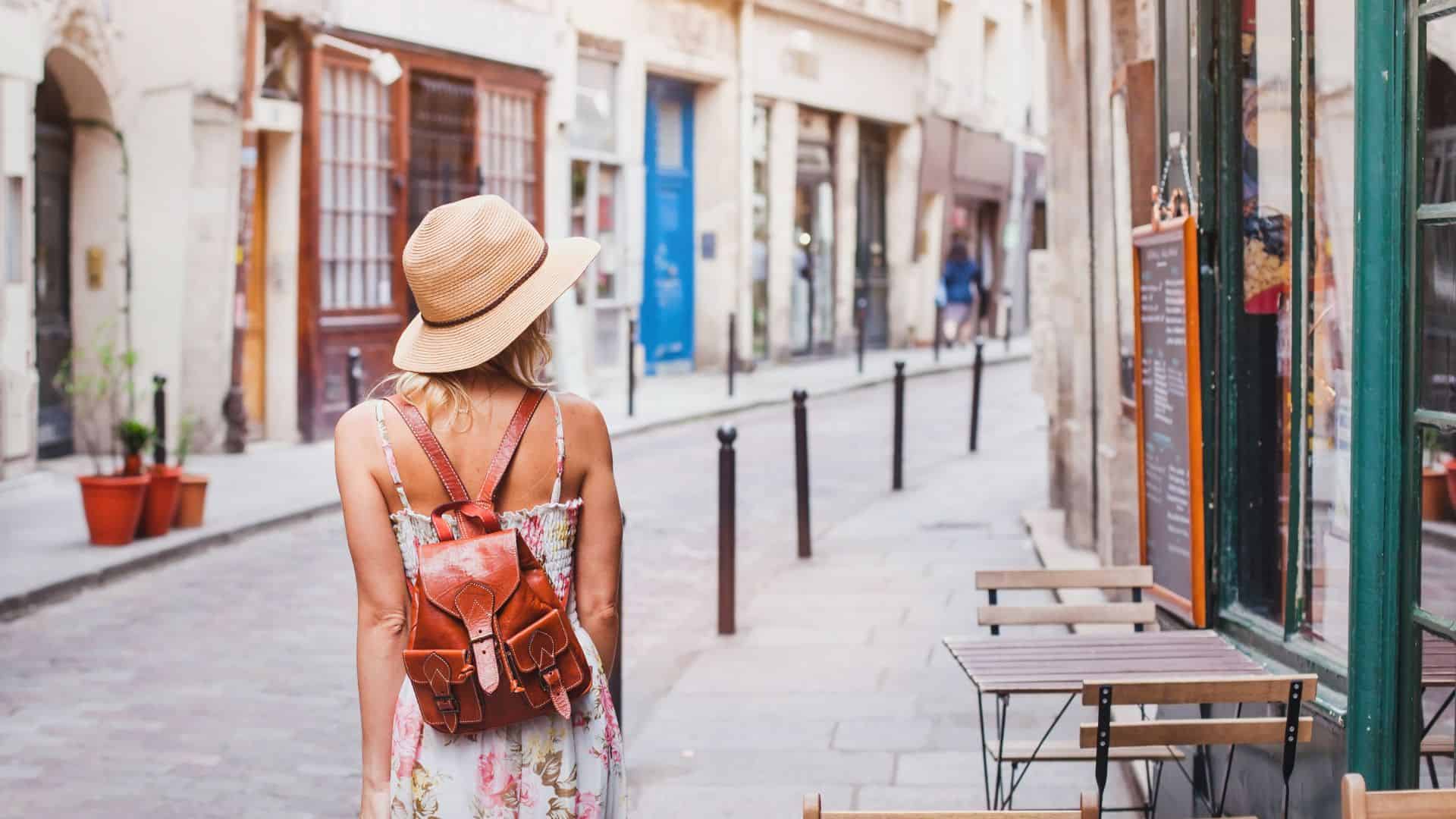
The American Express report found that 76% of global respondents believe that what they discover on a trip stays with them longer than any material souvenir. A jar of local honey or a bag of chips you cannot find at home fits that description better than a snow globe. Food has always been the most direct route into a place and its people. The snackpacking trend is simply travelers putting a name to something they have been doing instinctively for a long time.
The most memorable meal of any trip is rarely the one you planned. It is usually the one you found by accident, halfway down an aisle you almost skipped.
This article is based on the American Express 2026 Global Travel Trends Report, which surveyed more than 8,000 adults across seven countries.
Leave a Reply