
Daily food choices rarely stand out in the moment, but over time, they add up. Small shifts in how people eat and drink can influence energy levels and overall well-being without requiring strict diets or complicated rules.
This is where small, practical habits come in. These are changes that fit into daily life and are easy to repeat. Below are simple eating habits that can quietly improve health over time.
Rethink what you drink
Beverages can add a surprising number of calories without making you feel full. Sweet coffee drinks, soda obviously, and even some juices can quickly push daily intake above expectations.
Swapping those for flavored sparkling water or plain water with fresh fruit can make a noticeable difference. Adding berries or cucumber slices gives water some flavor without the extra sugar. Over time, this one change can cut hundreds of calories a day without much effort.

Add vegetables where you can
Many people do not need a complete diet reset. A smaller step, like adding a vegetable to each meal, can go a long way.
This could mean a side salad with dinner, spinach added to eggs in the morning, or sliced cucumbers with lunch. The goal is not perfection. Even small additions increase fiber and overall balance in a way that feels manageable.
Keep a simple snack on hand
Hunger often leads to quick decisions. When people wait too long to eat, fast food or high-calorie snacks become the easiest option.
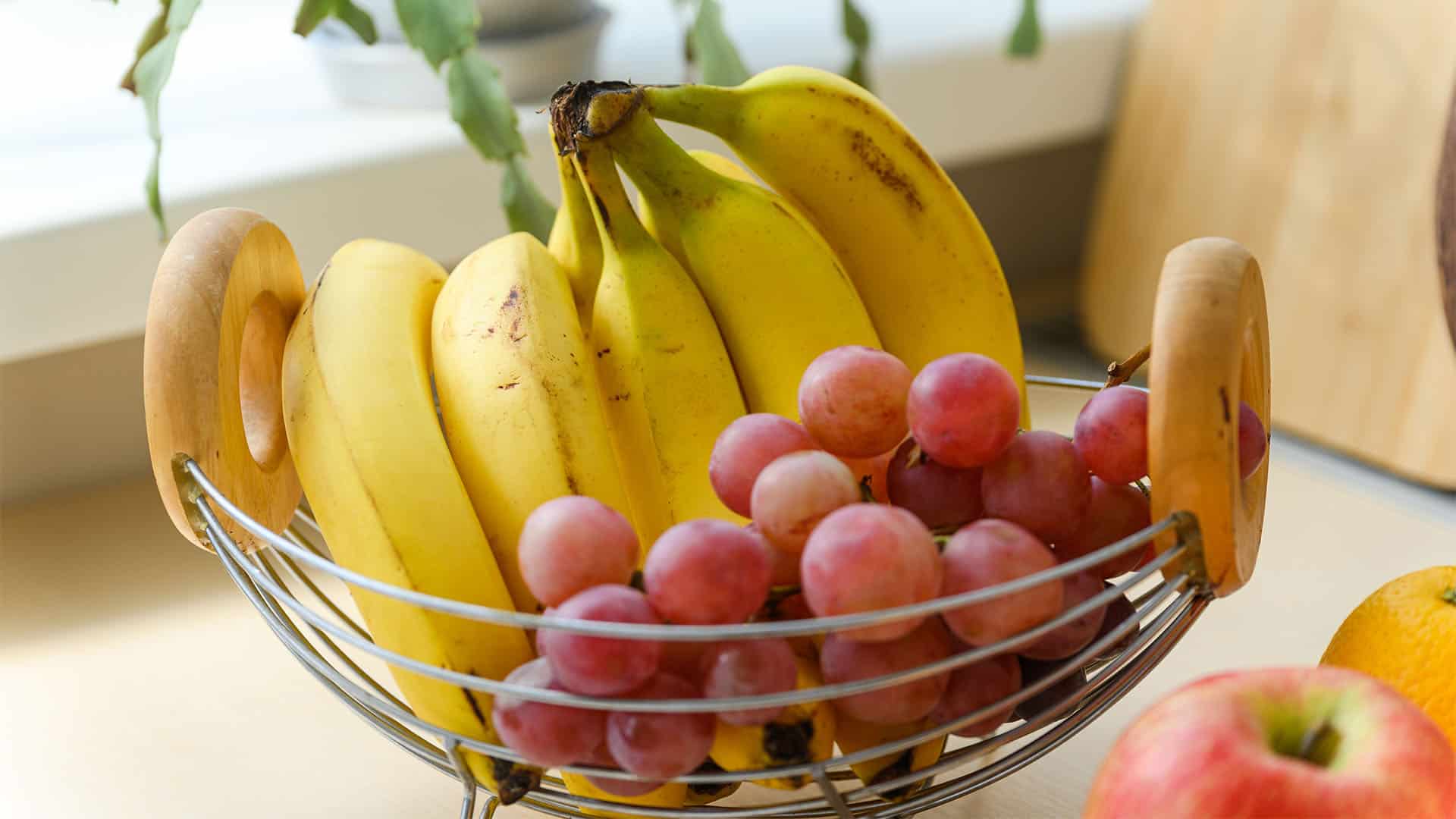
Carrying something simple, like a banana or protein yogurt, can help prevent that. Having a backup plan makes it easier to stay on track without feeling restricted.
Pause before high-calorie purchases
Impulse choices are often driven by convenience or habit rather than true hunger. A large sugary coffee drink or bakery item may seem small in the moment, but it can match or exceed the calories of a full meal.
Building the habit of pausing for a few seconds before ordering can change that pattern. Thinking about whether you are really hungry or just bored, and whether you could eat something equally delicious but nutritionally better option later today.
Learn a few basic calorie comparisons
You do not need to count every calorie to be more aware. Knowing a few rough comparisons can be enough to guide decisions.
For example, a large specialty coffee can contain as many calories as a full lunch. Understanding that trade-off can shift how people approach those purchases. It becomes less about restriction and more about choosing what feels most satisfying.

Slow down while eating
Eating quickly makes it harder to notice when you are full. Meals can feel less satisfying, and it becomes easy to overeat without realizing it.
Taking a little more time, even just a few extra minutes, can help. Putting the fork down between bites or stepping away from screens can make meals feel more complete and reduce the urge to keep eating afterward.
Build meals around something filling
Meals that center around protein or healthy fats tend to keep people satisfied longer. When meals are built mostly around refined carbs or sugar, hunger often returns sooner.
This does not require complicated planning. It can be as simple as adding eggs to breakfast or chicken to a bowl. The goal is to make meals that last, so you are not constantly looking for the next snack.

Keep healthy options visible
What people see is often what they eat. If chips and sweets are within reach, they are more likely to be the first choice.
Keeping fruit on the counter or ready-to-eat snacks at eye level can shift that pattern. Small changes in the environment make better choices feel more automatic.
Do not skip meals
Skipping meals can seem like a quick way to cut calories, but it often leads to overeating later in the day. Hunger builds, and choices become more about urgency than balance.
Eating regularly, even if meals are simple, helps keep energy steady and reduces the chance of reaching for whatever is fastest or most convenient.

Make room for flexibility
Consistency matters more than perfection. Trying to follow strict rules often leads to frustration, especially when life gets busy.
Allowing room for occasional treats while maintaining steady habits most of the time tends to be more sustainable. It keeps eating from feeling like a cycle of restriction and overcorrection.
Why small habits matter
These changes may seem minor on their own, but they build over time. A daily swap or a moment of pause before ordering can shape long-term patterns.
Health is rarely determined by a single meal or decision. It is the result of repeated choices that become part of everyday life. When those choices are simple and realistic, they are easier to stick with.
For many people, the most effective approach is not a complete overhaul. It is a series of small adjustments that fit naturally into the day. Over time, those habits can lead to meaningful improvements without feeling overwhelming.
Leave a Reply