
A date night out took an unexpected turn when a simple food order sparked a disagreement. The situation raised questions about expectations and whether setting a firm boundary over something small was reasonable or unnecessarily rigid.

The story
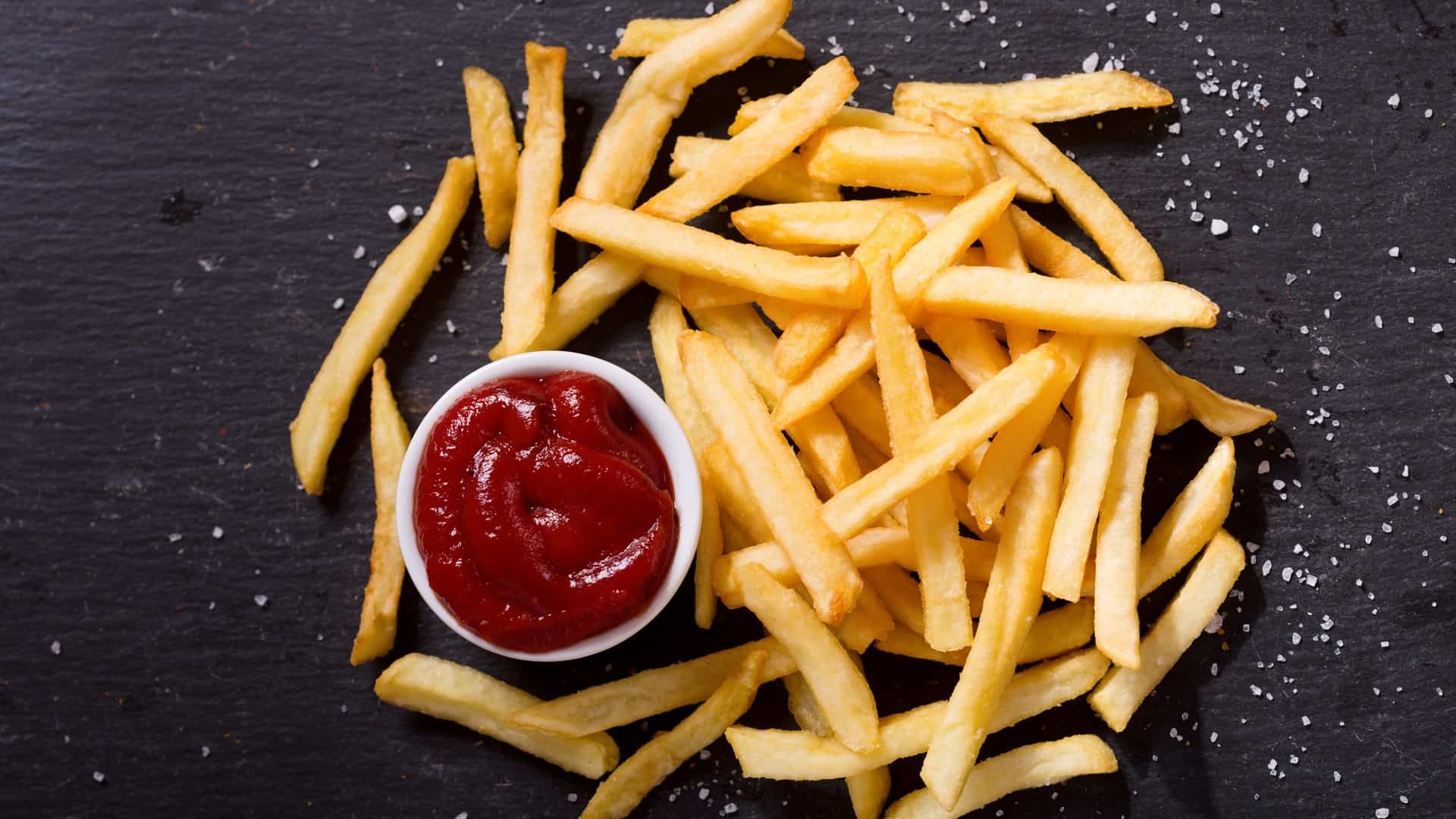
In a recent Reddit thread, it was asked, "Am I in the wrong for refusing to share my food with my girlfriend?" He went on to say that he and his girlfriend went out to a bar together after watching a movie. He was excited about ordering a specific dish: lattice-style fries cooked in beef tallow. The bar offers a small portion for one person or a larger portion for two.
His girlfriend didn't realize the movie would be so long, and after it was over, she decided she didn't want to go to the bar anymore. He told her it was fine and got his fries to go. He did ask if she wanted any, and she said no. Because of this, he ordered a small portion of fries before checking with her once again.
Once he picked them up, she tried a few and then asked if they could sit outside at the bar and eat them all together. He told her no, saying she should at least have told him she was going to have some, so he could have ordered the larger portion. His girlfriend got super upset and called him selfish.
She did cool down overnight, and they talked the next morning, in which she told him that next time he should just share. He replied that he was happy to share, but she needs to tell him what she wants next time. After that statement, she got upset again, and now he's wondering if he's in the wrong for handling it the way he did.

The responses
Over 3,000 comments appeared on this thread, showing that people had thoughts. Most people agreed that he had given her a chance to speak up in wanting fries, which was more than enough.
One person said, "She asked if they could sit outside the restaurant and eat, meaning they were still outside of the restaurant... why didn't she go order more fries?"
Good point. If she was okay just sitting outside the restaurant and eating his fries, that would have been plenty of time to put in another to-go order to get more.
Another comment said, "It's a major pet peeve of mine when someone tells me that they DON'T want something, but then want to share mine afterwards. No, just no. I don't think it's cute or romantic, it's just highly annoying."
Many people agreed with this. It can be annoying when specifically asked about food, only to decline, and then take a portion from the person who knew what they wanted from the start.
Solid advice. "Advice from someone who has been in a relationship for the past 22 years, always get the extra fries."
Sometimes, you just don't ask. You just do. Order the extra fries because it's good to have them if she wants some, and if she doesn't, then you get to take the extra home for leftovers. It's a win-win.
This person pointed out, "This is one of those where you need to turn off your Reddit brain and use your real-life brain. Stop worrying about being 'technically right. No one cares about that in real life. Share with your partner or find yourself without one."
This is good advice for people in a relationship who don't want to stir up trouble or add conflict or drama. If thereis any chance he knew it would cause a fight, just order extra and avoid it.
This person was done with the whole drama. "You both sound exhausting. At any point and time, this could have been solved with ' let's grab another order' being said by either party."
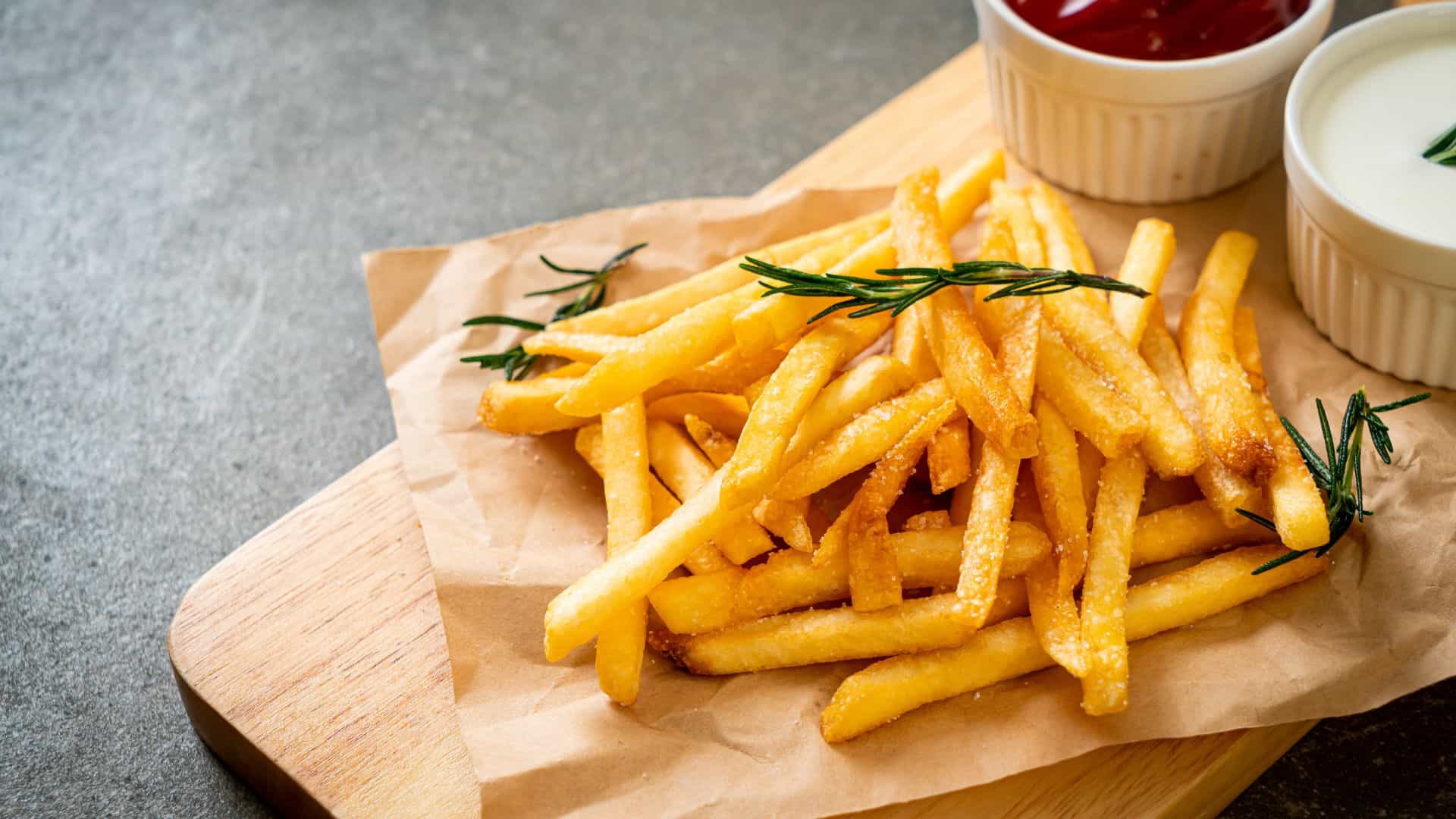
That would have been the easiest way to avoid a fight. Just grab an extra and move on. Simple as that.
The takeaway
Small conflicts often aren’t about the item itself, but about mismatched expectations in the moment. Food and fatigue are common pressure points, especially late in the day when people are tired and decision-making is less clear. What feels like a reasonable boundary to one person can feel unnecessarily rigid to another, even if no harm was intended.
Clear communication helps, but it does not always prevent frustration. People sometimes change their minds based on smell or circumstance, and those shifts are not always calculated. In relationships, the challenge is deciding how much flexibility matters in low-stakes situations. Being technically correct does not always align with maintaining ease or goodwill.
At the same time, repeatedly absorbing small inconveniences can build quiet resentment. If one person plans ahead and the other decides in the moment, friction is almost inevitable unless there is room for compromise. This is where patterns matter more than single moments. A one-off disagreement is usually harmless, but a recurring dynamic can signal different approaches to planning or shared decision-making.
Situations like this also highlight how minor choices can become symbolic. It shows how a practical decision can quickly be perceived as a lack of consideration or generosity. Once that happens, the conversation is no longer about food or logistics, but about how valued or respected each person feels.
Leave a Reply