
Every year, tons of delicious food end up in the trash, much of it simply because it wasn’t stored properly. With grocery prices and the overall cost of living on the rise, learning how to keep food fresh for longer isn’t just smart but essential. In this article, we’re sharing practical and effective storage tips to help you waste less, save more, and make the most of your favorite foods.
Storing Food at the Wrong Temperature

Improper temperature is one of the most common food storage mistakes. The FDA recommends keeping refrigerators at or below 40°F (4°C) and freezers at 0°F (-18°C) to prevent the growth of bacteria, such as Salmonella or E. coli.
Storing food at temperatures above these levels, even for just a few hours, can allow bacteria to multiply rapidly, thereby increasing the risk of foodborne illness. We recommend always using a thermometer to verify that your fridge and your freezer are both running at a safe temperature.
Not Labeling Storage Containers
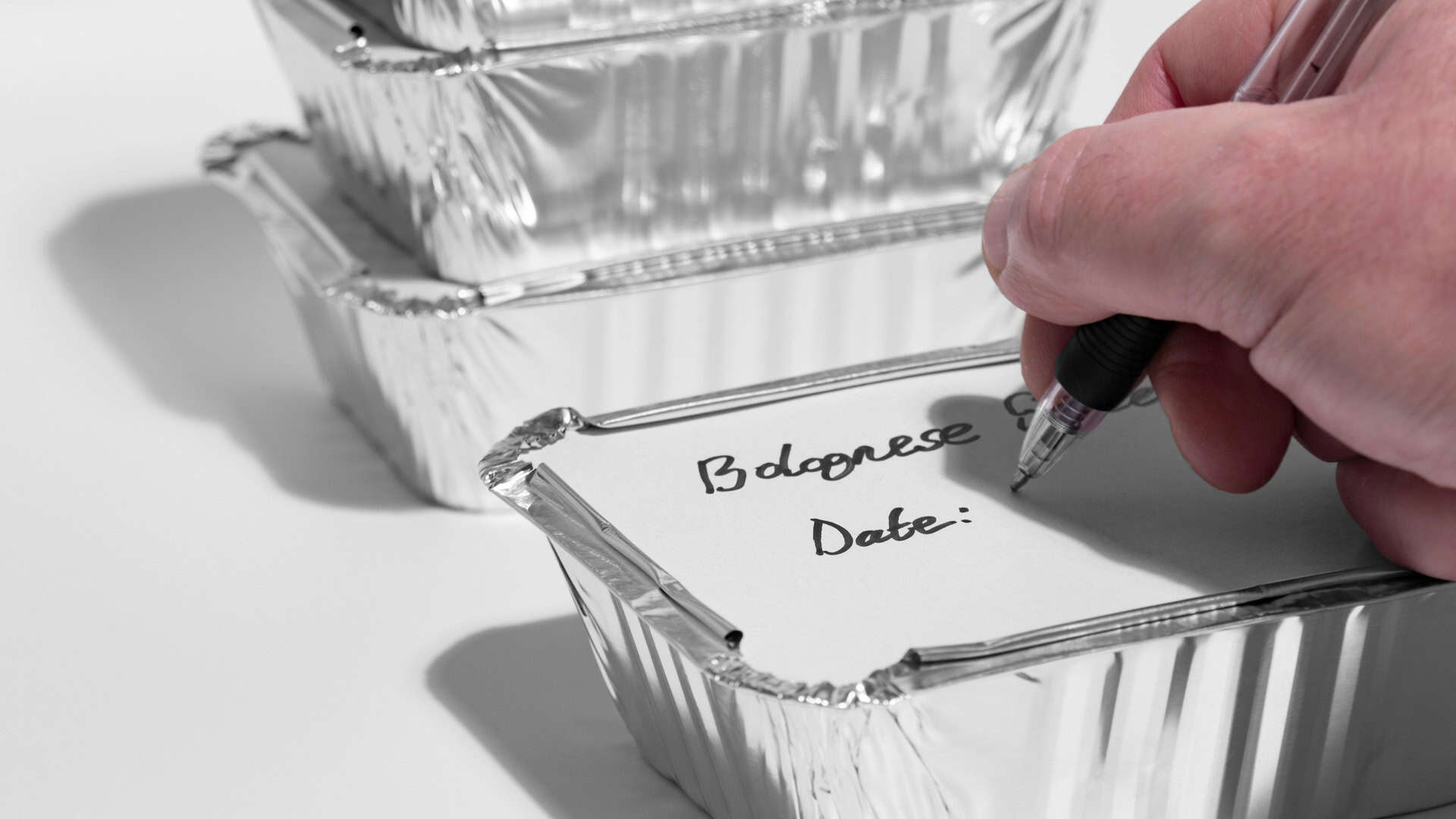
We’ve all had those mystery containers in the fridge or freezer, the ones you can’t quite remember putting there, let alone what’s inside. The truth is, food doesn’t last forever, not even in the freezer. That’s why it’s essential to know exactly what you’re storing and when you stored it.
To avoid confusion, waste, or worse, we recommend always labeling your containers with both the contents and the date. It’s a simple habit that makes a big difference when it comes to food safety.
Not Thinking About Sunlight

Sunlight may seem harmless, but it can actually degrade the quality and safety of food. Dry goods, such as flour, rice, and oils, should always be stored away from direct sunlight to prevent nutrient loss and flavor changes. Sunlight can increase the temperature even inside your cabinets or pantries, which can shorten the shelf life of stored goods.
Transparent containers left on countertops are another hazard. For example, food products near the window can be affected by light and even heat exposure, which compromises food safety and even alters the taste of the food itself.
Keeping Cans Too Long

Canned foods are shelf-stable, but not eternal. The quality of canned goods declines over time, and the risk of spoilage increases. High-acid foods, such as tomatoes and fruit, should be used within 12 to 18 months. In contrast, low-acid items like meat and vegetables can last 2 to 5 years if stored in a cool, dry place. Swollen, leaking, or rusted cans should be discarded immediately.
Ignoring Pests

Pests can be a real headache in every household, but ignoring signs of pests can lead to contamination. Always look for signs of rodent activity, such as droppings, bugs, or eggs, and address the issue promptly. Rodents and insects are known carriers of bacteria that can spoil stored food, even if it remains in its original packaging.
According to the CDC, rodent droppings can spread salmonella, hantavirus, and other diseases that pose a serious health risk. Sealing food in airtight containers, inspecting pantries regularly, and acting quickly can help prevent infestations before they spread.
Using Cheap Containers

Low-quality food containers aren’t always the best choice for storing your meals, especially not for all types of food. They can crack, leak, or fail to seal properly, which means your food is more likely to spoil, dry out, or get contaminated. Some even warp in the microwave or crack in the freezer.
That’s why it’s worth investing in sturdy, high-quality containers that can handle heat, cold, and everyday use without falling apart. It’s a small upgrade that makes a big difference in keeping your food fresh and safe.
Not Rotating Foods
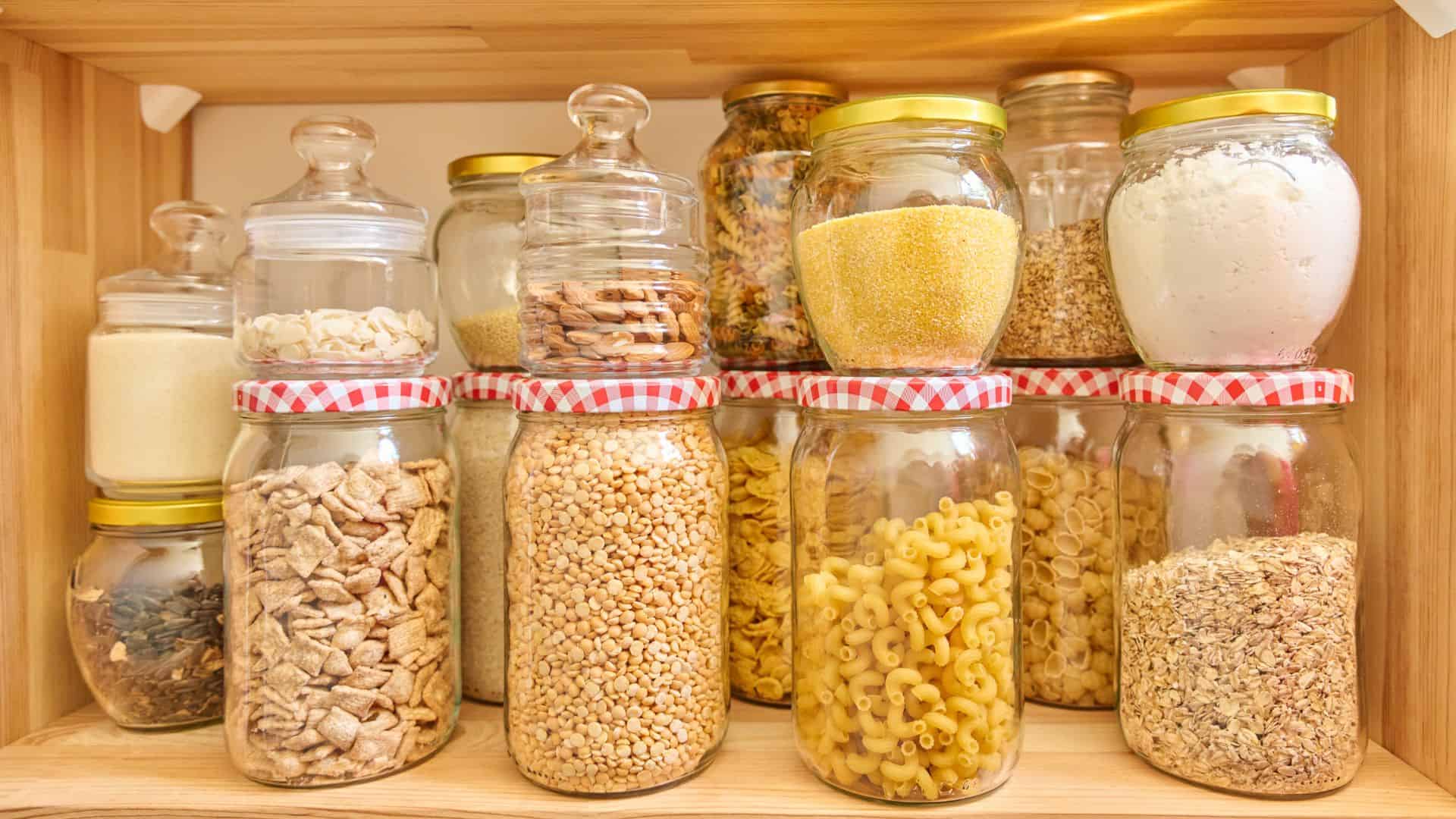
Whenever you bring home new groceries, make it a habit to use the older items first. This simple "first in, first out" rule is key to smart food storage. Always move newer items to the back and place older ones in front so they don’t get forgotten. This is especially important in your pantry and freezer, where food can easily get buried and overlooked.
Following this method helps reduce waste, saves money, and makes sure you’re not eating anything past its prime.
Storing Foods on the Floor

Storing food directly on the floor, even in sealed containers, is a major food safety risk. Floors are prone to spills, pests, and bacteria, and they experience temperature fluctuations that can damage goods.
Commercial food safety guidelines, including those from the FDA Food Code, recommend keeping all food items at least 6 inches off the ground to reduce contamination risk.
Rinsing Produce Before Storing

It may seem hygienic to wash your fresh fruit and veggies, but rinsing produce before storing it can actually increase the risk of spoilage. Excess moisture on foods is like a breeding ground for mold and bacteria. This is especially true when fruits or vegetables are washed and then stored in sealed bags or containers.
The best idea is to store produce unwashed and then rinse it just before use. For items like berries or leafy greens, it is also recommended to line your storage containers with paper towels to absorb excess humidity and extend their shelf life.
Storing Foods Uncovered

Leaving food uncovered in the refrigerator exposes it to air, moisture, and cross-contamination. This not only increases the risk of spoilage, but also affects flavor and texture as food absorbs odors from surrounding items. Always cover all stored foods tightly with lids, wraps, or foil to maintain freshness and reduce microbial growth.
Not Utilizing Fridge Shelving Properly
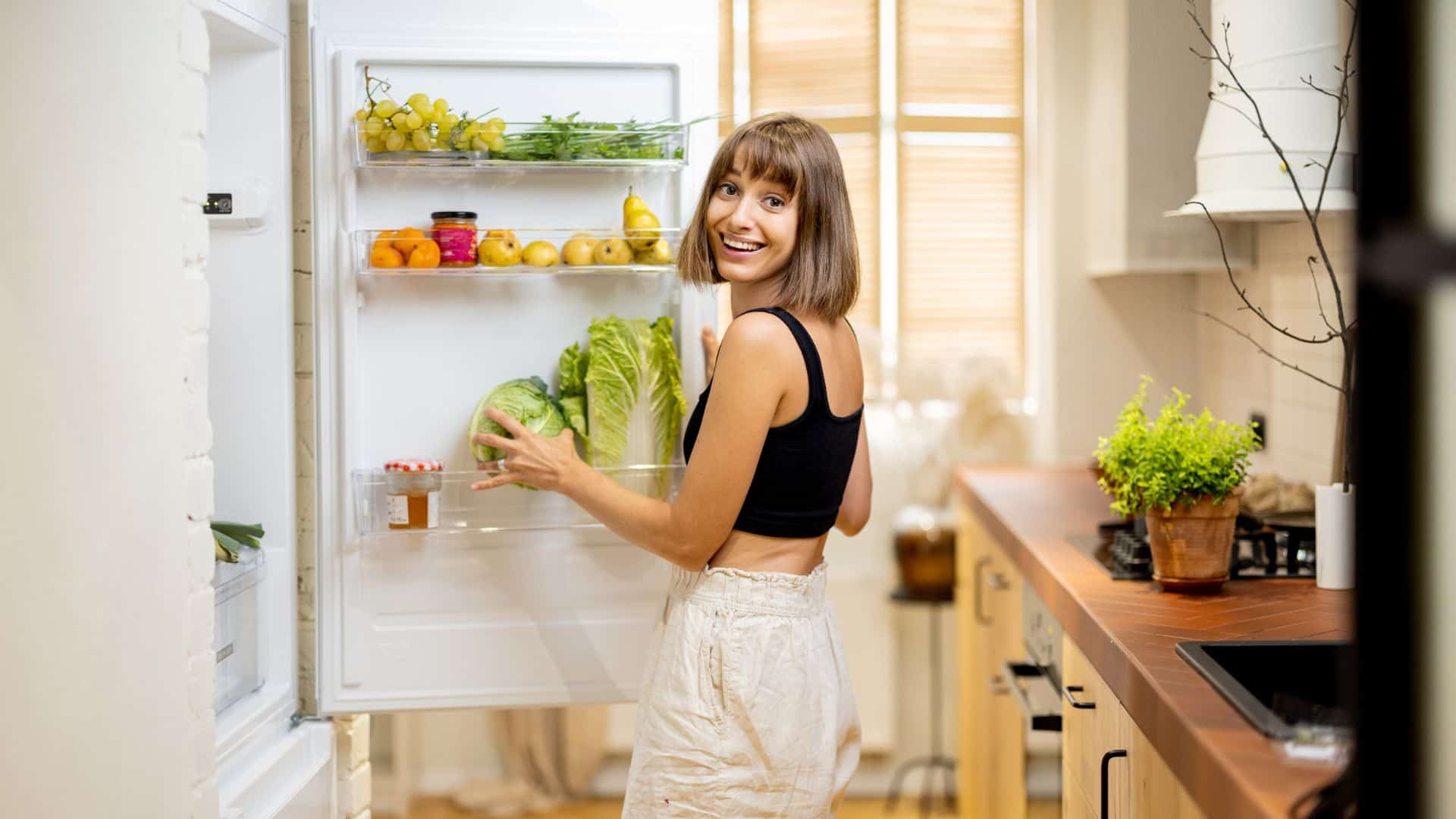
Did you know that every shelf in your fridge has a specific purpose? Just stuffing everything in wherever it fits isn’t the most hygienic and efficient way to store food. For example, raw meat should always go on the bottom shelf to prevent any juices from dripping onto other items. Ready-to-eat foods, such as leftovers or snacks, should be stored on the top shelf, where they’re safest from contamination.
The fridge door is the warmest part due to its constant opening, so it’s best used for condiments rather than milk or eggs. For more stable items, such as dairy, stick to the middle shelves, where the temperature remains more consistent.
Check Before You Shop

You don't need to set aside a particular time each week to go through your entire pantry or fridge. A practical and straightforward habit is to do a quick check right before heading to the grocery store. While you're making your shopping list, take a moment to see what you already have, what’s running low, and whether anything has expired.
This quick scan can help prevent overbuying, such as picking up a third bottle of ketchup, and ensure older items are used before they spoil. It’s an easy way to reduce waste, save money, and keep your kitchen organized without much extra effort.
Leave a Reply